

Best Gym Clothes for Men Winter: Stay Warm and Stylish
When the temperature drops and the days grow short, many men lose motivation to hit the gym. Staying active in winter is not just about willpower; what you wear makes a big difference. The right gym clothes for men in winter can keep you warm, comfortable, and confident, so you can focus on your workout—not on the cold. But finding the best gear isn’t as simple as picking heavier versions of your summer clothes. Winter gym clothing must balance warmth, breathability, flexibility, and style.
This guide covers everything you need to know about choosing the best gym clothes for men in winter. We’ll look at essential layers, discuss the top fabrics, compare popular brands, and offer practical tips for gym-goers at every level. Whether you’re lifting, running, or joining a HIIT class, you’ll find clear advice to help you build a wardrobe that works.
Why Winter Gym Clothes Matter
Exercising in cold weather challenges your body in new ways. Your muscles take longer to warm up, you sweat differently, and the risk of injury can increase if you’re not dressed properly. Wearing the right gym clothes in winter helps you:
- Stay warm without overheating
- Control moisture and sweat
- Prevent injuries by keeping muscles flexible
- Boost performance through comfort and confidence
- Maintain hygiene by using quick-drying, odor-resistant fabrics
Surprisingly, many men either overdress and end up drenched in sweat, or underdress and risk muscle strains. The key is layering and choosing materials that adapt to your workout and environment.
The Building Blocks: Essential Winter Gym Layers
Layering is the secret weapon for any man training in winter. Each layer serves a purpose. Here’s how to build your kit:
1. Base Layer
This is your first line of defense. The base layer sits next to your skin and manages sweat. Good base layers:
- Wick moisture away quickly
- Fit snugly, but not restrict movement
- Feel soft to prevent chafing
Common base layer fabrics include synthetic blends (like polyester and elastane) and merino wool. Avoid cotton—it holds sweat and gets cold.
2. Mid Layer
The mid layer traps heat. It should be breathable and flexible, allowing you to move freely. Good options:
- Lightweight fleece pullovers
- Athletic sweaters with stretch panels
- Tech hoodies
Some men skip this layer indoors, but if your gym is chilly or you walk to the gym, it’s essential.
3. Outer Layer
The outer layer protects against wind and rain, especially if you jog outdoors or move between buildings. Look for:
- Windbreakers with ventilation
- Water-resistant jackets
- Softshell zip-ups
Choose an outer layer that’s easy to remove as you warm up.
4. Bottoms
Winter gym pants should keep your legs warm without overheating. Best choices:
- Fleece-lined joggers
- Performance tights (alone or under shorts)
- Stretchy sweatpants
Make sure your pants allow for squats, lunges, and sprints without restriction.
5. Accessories
Don’t overlook small items—they make a big difference.
- Beanies or headbands to prevent heat loss from your head
- Lightweight gloves for outdoor training or cold gyms
- Moisture-wicking socks (wool blends are best)
- Neck gaiters for outdoor warm-ups
Missing these can make winter workouts uncomfortable and less effective.
Top Fabrics For Winter Gym Clothes
Fabric technology has transformed gym clothing. The right fabric controls moisture, keeps you warm, and stands up to hard workouts. Here’s what to look for:
Synthetics
Most modern gym clothes use polyester, nylon, or blends with spandex. These materials:
- Dry quickly
- Stretch for mobility
- Are lightweight but insulating
Some brands add antimicrobial treatments to stop odor.
Merino Wool
Merino is a game-changer for winter workouts. It’s:
- Warm but never itchy
- Naturally moisture-wicking
- Odor-resistant, even after long sessions
Though pricier, merino wool is ideal for base layers and socks.
Fleece
Fleece is popular for mid layers. It:
- Traps heat well
- Feels soft against the skin
- Dries faster than cotton
Choose polyester fleece for best results.
Softshell And Windproof Materials
For outer layers, look for softshell fabrics with built-in stretch and water resistance. Many also have breathable panels to let excess heat escape.
Comparison Of Common Fabrics
Here’s a quick look at how top winter gym fabrics stack up:
| Fabric | Warmth | Moisture Control | Odor Resistance | Drying Speed |
|---|---|---|---|---|
| Polyester/Spandex Blend | Medium | Excellent | Good | Very Fast |
| Merino Wool | High | Excellent | Excellent | Fast |
| Cotton | Low | Poor | Poor | Slow |
| Fleece (Polyester) | High | Good | Good | Fast |
Best Gym Tops For Men In Winter
Your top half is the first to feel a chill in winter. Choosing the best winter gym tops means looking for warmth, sweat control, and flexibility.
Base Layer Tops
- Long-sleeve compression shirts: These hug your body and help with blood flow. Brands like Under Armour and Nike offer options with sweat-wicking tech.
- Merino wool tops: Great for very cold gyms or outdoor warm-ups. They never feel clammy.
- Thermal tees: These blend polyester and elastane for a warm, stretchy fit.
Mid Layer Tops
- Fleece pullovers: Easy to layer, lightweight, and warm.
- Quarter-zip sweaters: Let you adjust ventilation as you warm up.
- Tech hoodies: Add a hood for outdoor walks or chilly gyms.
Outer Layer Tops
- Windbreaker jackets: Shield you from cold air outside the gym.
- Water-resistant shells: Essential if you run to the gym or train outdoors.
Example: Layering For A Winter Gym Session
Imagine you walk to the gym in 35°F weather. Start with a merino base layer, add a fleece pullover, and top with a windbreaker. Once inside and warmed up, shed the top layers and work out in your base layer.
Best Gym Bottoms For Men In Winter
Lower body warmth is often neglected, but legs need protection too. The best winter gym bottoms offer warmth, stretch, and breathability.
Tights And Leggings
- Compression tights: Worn alone or under shorts, they support muscles and wick sweat.
- Thermal leggings: Fleece-lined, perfect for outdoor warm-ups.
Joggers
- Fleece joggers: Soft, warm, and allow free movement.
- Slim-fit sweatpants: Modern cuts prevent fabric from catching on machines.
Shorts-over-tights
Some men layer shorts over tights for extra warmth and coverage. This look is popular in many gyms and helps regulate temperature.
Quick Comparison: Winter Gym Bottoms
| Type | Best Use | Warmth | Mobility |
|---|---|---|---|
| Compression Tights | Base Layer or Solo | Medium | Excellent |
| Thermal Leggings | Outdoor/Cold Gyms | High | Good |
| Fleece Joggers | Indoor/Outdoor | High | Good |
| Slim Sweatpants | Indoor Gym | Medium | Good |
| Shorts over Tights | High Intensity | Adjustable | Excellent |
Choosing The Best Winter Gym Footwear
Feet are often forgotten in winter gym outfits. Cold feet can ruin your workout, and the wrong socks or shoes can cause blisters or odors.
Socks
Wool-blend socks are the gold standard. They:
- Keep feet warm, even if wet
- Dry quickly
- Resist smells better than cotton
Don’t be afraid to invest in a few pairs. Cheap socks wear out fast and lose their shape.
Shoes
Most gyms stay warm enough for your regular training shoes. However, if you walk or run outside, look for:
- Water-resistant uppers
- Extra grip for icy sidewalks
- Room for thicker socks without squeezing your toes
Rotating two pairs of shoes helps them dry fully between workouts—a pro tip many men miss.
Accessories That Make A Difference
Little extras can make or break a winter workout.
Headwear
Beanies or headbands reduce heat loss. Choose thin, sweat-wicking materials that fit under a hood or helmet.
Gloves
Look for lightweight, grippy gloves—not heavy winter gloves. You need to hold weights and use gym machines. Some brands offer touch-screen fingertips.
Neck Gaiters
A neck gaiter is a soft tube you pull up over your chin or mouth during outdoor warm-ups. It traps heat but can be lowered as you get hot.
Water Bottles
Winter air can be dry. Keep a large water bottle handy and drink often, even if you don’t feel thirsty.
Popular Brands For Men’s Winter Gym Clothes
Some brands stand out for their winter gym gear. Here’s a look at top names and what they do best:
Nike
- Known for Dri-FIT technology (sweat-wicking, quick-dry)
- Wide range of layers and accessories
- Modern styles, but sometimes pricier
Under Armour
- Excellent compression gear and base layers
- ColdGear line is made for winter training
- Durable and widely available
Lululemon
- High-quality stretch fabrics
- Sleek, minimalist designs
- Great for both gym and casual wear, but often expensive
Adidas
- Balanced price and performance
- Climalite and Aeroready fabrics for sweat control
- Good selection of pants and jackets
Icebreaker
- Specializes in merino wool
- Best for base layers and socks
- Pricey but long-lasting
Gymshark
- Trendy, athletic fits
- Good value for newer gym-goers
- Strong social media presence
Outdoor Voices
- Unique colorways and styles
- Focus on comfort and layering
- Mid-range prices
Credit: igrs.itu.edu.tr
Comparing Key Features By Brand
To help you pick, here’s how some top brands compare on warmth, price, and style:
| Brand | Best For | Warmth | Price Range | Style |
|---|---|---|---|---|
| Nike | All-around | Medium | $$ | Modern, Sporty |
| Under Armour | Compression/Layering | High | $$ | Sporty, Sleek |
| Lululemon | Premium Comfort | Medium | $$$ | Minimalist, Stylish |
| Icebreaker | Base Layers | High | $$$ | Simple, Functional |
| Adidas | Value & Variety | Medium | $$ | Classic, Sporty |
Style Vs. Function: Finding Your Winter Gym Look
Looking good in the gym can boost motivation, but function should always come first. However, you don’t have to sacrifice style for performance.
- Dark colors hide sweat and look sharp in winter.
- Slim cuts prevent bagginess and allow better movement.
- Layered looks (like shorts over tights or hoodies over compression shirts) are both trendy and practical.
- Avoid heavy cotton hoodies—they soak up sweat and get cold.
It’s smart to have at least two full winter gym outfits, so you’re never caught with dirty or damp clothes.
Mistakes To Avoid With Winter Gym Clothes
Even experienced gym-goers make winter clothing mistakes. Watch out for these common errors:
- Wearing too many layers: Overheating makes you sweat too much, then you get cold.
- Using cotton: Cotton holds moisture and chills your body.
- Ignoring socks and accessories: Cold feet or hands can end a workout early.
- Choosing fashion over function: Style matters, but not at the cost of comfort or safety.
- Skipping warm-up layers: Muscles need to be kept warm, especially at the start.
A non-obvious tip: Pack a plastic bag for your sweaty clothes if you change at the gym. This prevents your gym bag from smelling and keeps your clean gear fresh.
Caring For Winter Gym Clothes
Winter gym clothes are an investment. With the right care, they’ll last longer and perform better.
- Wash in cold water to protect technical fabrics.
- Avoid fabric softeners—they block sweat-wicking properties.
- Air dry whenever possible. High heat can damage elastane and spandex.
- Store gear fully dry to prevent mildew.
Some clothes, especially merino wool, need special detergents. Read care labels carefully for best results.
What To Wear For Different Winter Workouts
Not all workouts need the same winter gear. Here’s how to dress for common routines:
Weightlifting
- Base layer top (compression or merino)
- Joggers or tights
- Light hoodie for warm-up sets
Cardio (treadmill Or Indoor Cycling)
- Light base layer
- Shorts or thin joggers
- Moisture-wicking socks
You’ll warm up fast, so avoid heavy layers.
Hiit/functional Training
- Breathable base layer
- Stretchy joggers or shorts over tights
- Sweatband or headband to keep sweat away
Outdoor Running
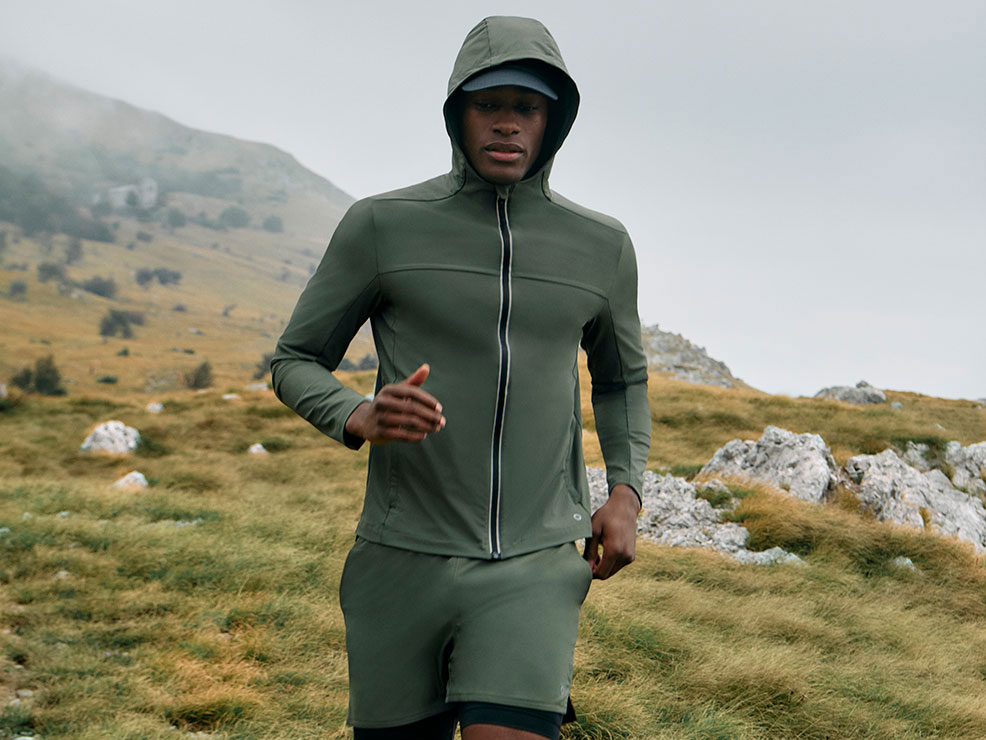
- Full layering: Base, mid, and outer layers
- Thermal leggings
- Neck gaiter and gloves
Adapt as you warm up, removing layers if needed.
Pro Tips For Winter Gym Clothing
- Try clothes on with layers: Check fit and comfort before buying.
- Look for reflective details if you train outside in the dark.
- Keep a spare shirt in your bag; winter sweat can chill you after a workout.
- Upgrade in stages: Start with base layers and socks, then add jackets and accessories.
- Check for gym rules: Some gyms have dress codes on hoodies, hats, or outdoor shoes.
A detail many miss: Some winter fabrics are static-prone. Use a dryer sheet or anti-static spray to reduce shocks.
Credit: www.afvt.org
Frequently Asked Questions
What Is The Best Base Layer For Winter Gym Workouts?
The best base layer is one that fits snugly and wicks sweat away from your skin. Synthetic blends (like polyester and elastane) are popular for their stretch and quick-dry features. For extra warmth and odor resistance, merino wool is an excellent choice, though it’s pricier. Avoid cotton, as it holds moisture and can chill your body.
Can I Wear The Same Gym Clothes Year-round?
Not really. Winter gym clothes are designed for insulation and moisture control, while summer gear focuses on cooling. Wearing summer clothes in winter can leave you cold and increase injury risk. Layering with season-specific fabrics is best for comfort and performance.
How Many Layers Should I Wear For Winter Gym Sessions?
Most men do best with two to three layers: a base layer for sweat control, a mid layer for warmth, and an outer layer if you’re outdoors or your gym is cold. Adjust the number of layers based on your activity and how cold you feel. Remove layers as you warm up.
Is It Okay To Wear Shorts In The Gym During Winter?
Yes, but consider pairing shorts with tights or compression leggings for warmth. If your gym is heated, you might feel comfortable in shorts alone once you’re warmed up. Always keep a warmer layer handy for the start and end of your session.
How Do I Keep My Winter Gym Clothes From Smelling Bad?
Wash your gym clothes after each use, preferably in cold water. Skip fabric softeners (they block sweat-wicking). Choose merino wool or synthetic fabrics with antimicrobial treatments for odor control. Let clothes dry completely before storing. For more on fabric care, check guides from REI.
Final Thoughts
Finding the best gym clothes for men in winter isn’t just about buying thicker gear. It’s about smart layering, choosing high-performance fabrics, and paying attention to the details that keep you comfortable and safe. The right kit helps you stay active, avoid injuries, and enjoy your workouts even when it’s cold outside. Invest in quality where it matters most—base layers, socks, and accessories—and build your wardrobe one step at a time. With a little planning, you’ll look forward to hitting the gym all winter long.

Credit: www.antillespr.edu
