

Best Fitness Clothes for Men: Top Picks for Comfort and Style
Best Fitness Clothes for Men: The Ultimate Guide to Comfort, Performance, and Style
Finding the right fitness clothes can feel like searching for a magic sword in a dungeon—except instead of orcs, you’re fighting sweat, chafing, and the eternal question: “Does this make me look like I know what I’m doing?” Whether you’re hitting the gym, running outside, or just want to look athletic while debating whether you should actually work out, the right fitness wear can change everything. Good clothes aren’t just about looking sharp (although that’s a bonus)—they help you move better, stay dry, and maybe even motivate you to run that extra mile (or at least walk briskly to the fridge).
So, how do you pick the best fitness clothes for men? What fabric should you choose? Is there really a difference between those $10 shorts and the high-end brands? And most importantly, can you wear them to brunch without looking like you just rolled out of bed?
Let’s explore everything you need to know—without any confusing jargon or boring lectures.
Why Fitness Clothes Matter More Than You Think
Some people believe you can work out in anything—old T-shirts, basketball shorts from high school, or even pajamas (yes, we see you). But the truth is, quality fitness clothes make a real difference. Here’s why:
- Performance: The right fabric keeps you cool, dry, and unrestricted. No one wants to feel like they’re running in a plastic bag.
- Comfort: Flat seams, good fits, and breathable materials mean less chafing and more focus on your workout (instead of scratching).
- Durability: Cheap shirts might save money now, but after three washes and a few squats, they’ll look like they’ve survived a zombie apocalypse.
- Confidence: When you feel good in your clothes, you’re more likely to show up and push yourself. (And maybe flex in front of the mirror—no judgment.)
Now, let’s break down the best options for every type of workout, body, and style.
Key Features To Look For In Men’s Fitness Clothes
Before you start grabbing random tanks and shorts, here’s what you really need to focus on:
Fabric
Not all fabrics are created equal. The wrong material will cling, smell, or trap sweat like a sponge.
- Polyester: Lightweight, moisture-wicking, dries quickly. Great for most activities.
- Nylon: Strong, stretchy, and soft. Often found in high-end gear.
- Spandex (Lycra/Elastane): Adds stretch. Perfect for compression wear.
- Cotton: Soft, but holds sweat. Okay for light activity, not great for intense exercise.
- Bamboo: Natural, anti-bacterial, and eco-friendly. Good for sensitive skin.
- Merino Wool: Regulates temperature, resists odor. Expensive, but worth it for some.
Fit
Baggy clothes can get in your way, while super-tight gear might turn your warm-up into a wrestling match. Look for a fit that’s snug but not restrictive. Many brands offer “athletic,” “slim,” or “relaxed” styles—choose based on your comfort and the activity.
Moisture Management
Look for terms like moisture-wicking or quick-dry on the label. This means the fabric pulls sweat away from your skin, keeping you dry and less smelly (a win for you and everyone around you).
Seams And Stitching
Flat seams or seamless designs are best to prevent irritation. Some cheap clothes have thick, scratchy seams—avoid these unless you’re into creative chafing.
Odor Control
Some clothes use anti-odor technology (like silver threading or special treatments). This is especially helpful if your gym routine is…aromatic.
Uv Protection
If you exercise outdoors, look for clothes that offer UPF ratings. Sunburn is not a badge of honor.
Credit: anniesdeli.com
Best Fitness Shirts For Men
Let’s start at the top—literally. Choosing the right workout shirt makes a huge difference in comfort and performance.
1. Moisture-wicking Tees
Every gym bag needs a moisture-wicking T-shirt. These are the MVPs of fitness tops, pulling sweat away from your body and drying quickly. Polyester blends are the most common, but you’ll also find options with bamboo or merino wool.
Pro tip: Avoid 100% cotton shirts for intense workouts. They’re comfortable, but once soaked, they feel like you’re wearing a soggy tortilla.
2. Compression Shirts
Compression shirts are tight-fitting tops that provide muscle support and can help with recovery. Some studies suggest compression gear may boost blood flow and reduce muscle fatigue, but even if you don’t believe the hype, they feel great and keep everything in place.
Beginner insight: Compression doesn’t mean you need to look like a sausage. Choose a size that’s snug but not strangling.
3. Long-sleeve Performance Shirts
For running in cooler weather or outdoor sports, long-sleeve performance tops provide warmth without overheating. Look for thumbholes (keeps sleeves in place) and mesh panels for breathability.
4. Tank Tops
If you want max arm freedom—or just want to show off those biceps—tank tops are your friend. Look for moisture-wicking fabrics and wide armholes to avoid chafing.
5. Merino Wool Base Layers
For outdoor workouts, hiking, or winter runs, a merino wool base layer regulates temperature and fights odor. These are pricier but worth it if you sweat a lot or hate being cold.
| Shirt Type | Best For | Key Benefit |
|---|---|---|
| Moisture-Wicking Tee | Everyday workouts | Keeps you dry |
| Compression Shirt | High-intensity training | Muscle support |
| Long-Sleeve Top | Outdoor/cool weather | Extra warmth |
| Tank Top | Hot weather, weightlifting | Maximum mobility |
| Merino Wool Base | Winter/outdoor | Temperature control |
Best Fitness Shorts And Pants For Men
Now, let’s talk bottoms. The right shorts or pants mean the difference between smooth squats and a constant battle with wedgies.
1. Training Shorts
Classic training shorts are versatile—good for running, lifting, and general gym use. Look for 7” to 9” inseams for good coverage (unless you’re feeling especially bold).
Hidden gem: Some shorts have built-in liners, which add support and reduce the need for underwear. Just remember, two-in-ones are not an excuse for skipping laundry day.
2. Compression Shorts
Worn alone or under regular shorts, compression shorts provide muscle support and reduce chafing. They’re popular for running, cycling, and heavy lifting.
3. Running Shorts
Running shorts are usually shorter (5” to 7” inseams) and made from light, airy fabrics. They often have pockets for keys or snacks—because running is hard and snacks are important.
4. Joggers
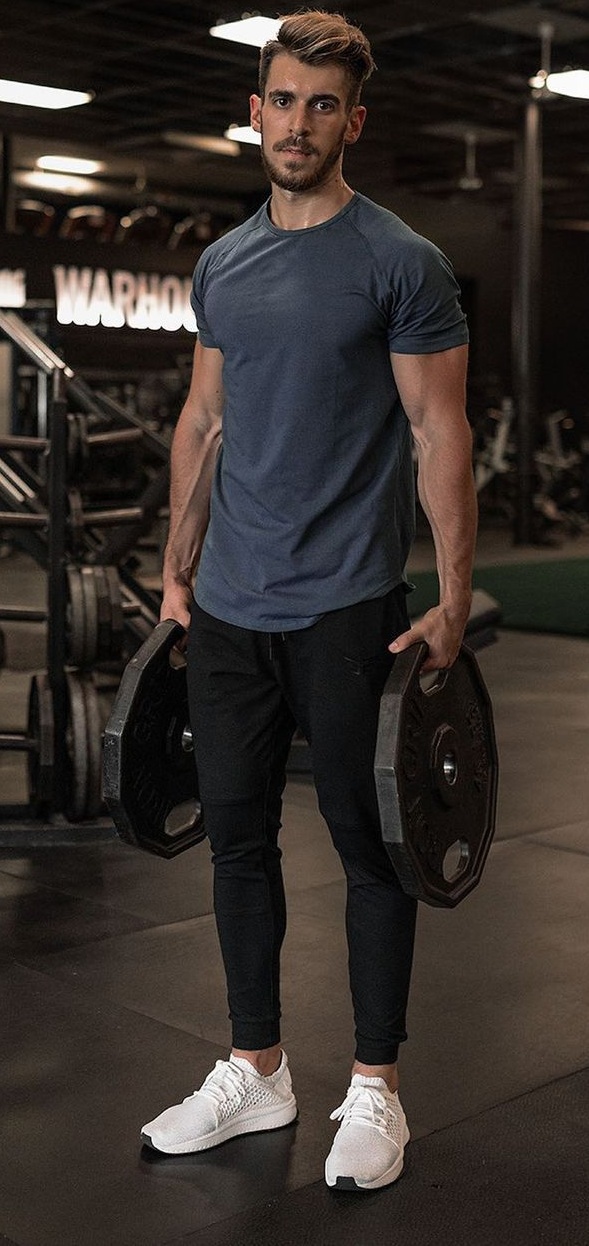
If you want something between shorts and sweatpants, joggers are the answer. Slim but not tight, with cuffed ankles, they’re great for warming up, running, or just looking athletic at the coffee shop.
5. Sweatpants
Classic sweatpants are all about comfort. Modern options are more tailored, so you won’t look like you borrowed them from your grandpa. Choose sweat-wicking options for intense workouts.
6. Tights/leggings
Men’s tights (yes, they exist, and yes, they’re awesome) are ideal for running or cold-weather training. Wear them alone or under shorts for extra warmth and support.
| Bottom Type | Best For | Fit |
|---|---|---|
| Training Shorts | General workouts | Relaxed |
| Compression Shorts | Running, cycling | Snug |
| Running Shorts | Cardio, hot weather | Loose |
| Joggers | Warm-ups, casual | Slim |
| Sweatpants | Rest days, light activity | Relaxed |
| Tights/Leggings | Cold weather, support | Very snug |

Credit: www.menshealth.com
Best Fitness Underwear For Men
Don’t overlook underwear—what’s underneath can make or break your workout. Seriously, the wrong pair leads to more adjusting than actual exercise.
1. Moisture-wicking Boxer Briefs
Choose boxer briefs made from polyester, nylon, or bamboo. They keep everything in place, reduce sweat, and fight odor. Look for flat seams and a supportive pouch.
2. Compression Underwear
Compression underwear provides support and can help reduce muscle fatigue. It’s especially good for running, cycling, or any activity with a lot of movement.
3. Anti-chafing Underwear
For longer runs or hot days, anti-chafing underwear (usually longer boxer briefs) prevents the dreaded thigh rub. Some even have extra panels for added protection.
Not-so-obvious tip: Avoid 100% cotton underwear for workouts. It traps moisture and can lead to irritation.
Best Fitness Socks For Men
You thought socks didn’t matter? Think again. The wrong socks turn a good workout into a foot-based horror story.
1. Moisture-wicking Athletic Socks
Look for athletic socks made from polyester or merino wool. They keep your feet dry and fight odor.
2. Compression Socks
Compression socks improve circulation and reduce swelling. They’re popular with runners and anyone who stands a lot.
3. No-show And Ankle Socks
For style and comfort, no-show or ankle socks are great. Just make sure they have a heel tab—no one likes socks sliding under their heel mid-sprint.
4. Crew Socks
Crew socks are classic, offering more coverage. Choose those with arch support and cushioning for extra comfort.
| Sock Type | Activity | Key Feature |
|---|---|---|
| Moisture-Wicking | All workouts | Dry feet |
| Compression | Running, recovery | Improved circulation |
| No-Show/Ankle | Gym, casual | Low profile |
| Crew | Outdoor, support | Extra cushioning |
Credit: www.businessinsider.com
Best Fitness Outerwear For Men
Sometimes the weather doesn’t care about your workout plans. That’s where good outerwear comes in.
1. Lightweight Jackets
A lightweight jacket or windbreaker shields you from wind and light rain without overheating. Look for breathable panels and adjustable hoods.
2. Rain Jackets
For serious rain, a waterproof jacket with sealed seams keeps you dry. Some are so light they pack into their own pocket (like a magic trick, but less impressive at parties).
3. Insulated Vests
If you want warmth without bulk, an insulated vest keeps your core warm and arms free. Great for running in cold weather or layering over a hoodie.
4. Hoodies
Classic hoodies are perfect for warm-ups, cooldowns, or pretending you’re Rocky. Modern versions use sweat-wicking fabric and athletic cuts.
Insider tip: Some jackets have reflective strips for night runs. Your safety is more important than being a ninja.
Best Fitness Accessories For Men
No, not a gold chain or your lucky sweatband from college. These accessories actually help your workout.
1. Headbands And Sweatbands
Headbands keep sweat out of your eyes. Useful if you’d rather not taste your own forehead mid-set.
2. Training Gloves
Gloves protect your hands during weightlifting and improve grip. Look for padded palms and breathable backs.
3. Athletic Hats
A good cap or visor protects your head from the sun and keeps hair out of your face (for those blessed with hair).
4. Gym Bags
A sturdy gym bag keeps your gear organized. Choose one with wet/dry compartments for shoes or sweaty clothes.
5. Arm Sleeves
Arm sleeves offer compression, warmth, and sometimes UV protection. They also make you look 10% more like a superhero.
How To Choose The Best Fitness Clothes For Your Needs
Not every piece is right for every person. Here’s how to narrow down your choices:
1. Consider Your Activity
- Running: Go for moisture-wicking shirts, shorts with liners, and compression socks.
- Weightlifting: Look for fitted tops, supportive shorts or joggers, and gloves.
- Yoga: Stretchy, non-restrictive clothes like tanks and leggings.
- Outdoor Sports: Add UV protection, layers, and hats.
- Casual/Leisure: Joggers, hoodies, and stylish tees work well for both gym and errands.
2. Think About Climate
- Hot weather: Lightweight, breathable fabrics.
- Cold weather: Layer with base layers, jackets, and tights.
- Rainy or windy: Waterproof or wind-resistant outerwear.
3. Prioritize Fit And Comfort
Try on different brands and styles. What feels good on someone else might not work for you—especially if you’re built more like a rugby player than a marathon runner.
4. Look For Extra Features
- Pockets: Zippered pockets keep keys and cards safe.
- Reflective details: Stay visible when running at night.
- Adjustable waists and cuffs: Better fit and comfort.
5. Don’t Ignore Style
Let’s face it—if you like how you look, you’re more likely to wear your gear (and maybe post that obligatory gym selfie). Many brands offer a wide range of colors, patterns, and fits.
Top Brands For Men’s Fitness Clothes
With so many brands, where do you start? Here are some names known for quality, innovation, and sometimes, price tags that might make your wallet sweat.
- Nike: Famous for their Dri-FIT technology and a huge range of fits and styles.
- Adidas: Known for their Climalite fabrics and classic designs.
- Under Armour: Great compression gear and HeatGear/ColdGear lines.
- Lululemon: Premium, stylish, and super comfortable (even if the name is hard to say with a straight face).
- Reebok: Classic and often more budget-friendly.
- Gymshark: Popular with younger athletes for their compression and “Instagram-friendly” looks.
- Puma: Affordable, stylish, and growing in performance gear.
- Rhone: High-end materials and a modern look.
- ASICS: Best known for running gear and technical fabrics.
- New Balance: Great for runners, with lots of options for all weather.
Each brand has its own fit, style, and price points—try a few to see what works for you.
Caring For Your Fitness Clothes
No one likes clothes that smell like last week’s workout—even if last week’s workout was the last time you saw the inside of a gym. Here’s how to keep your gear fresh and lasting longer:
- Wash right away: Sweat left in clothes breeds bacteria (and odors).
- Use cold water: Hot water can break down technical fabrics.
- Skip the fabric softener: It clogs moisture-wicking fibers, making them less effective.
- Air dry when possible: High heat can damage elastic and shrink clothes.
- Turn inside out: This helps protect colors and remove sweat from the inside.
Unusual tip: Add a splash of white vinegar to your wash to fight stubborn smells. No, your clothes won’t smell like salad dressing.
Common Mistakes Men Make With Fitness Clothes
Even the most seasoned gym-goers sometimes get it wrong. Here are some missteps to avoid:
- Wearing cotton for intense workouts: Cotton absorbs sweat and never lets it go, like a clingy ex.
- Ignoring fit: Baggy shirts can get caught on equipment; too-tight clothes restrict movement.
- Choosing style over substance: Looking good is great, but not if you’re soaked through or chafed raw.
- Not replacing gear: Old, stretched-out clothes lose their performance edge.
- Wearing the same pair too often: Wash your gear regularly—your gym friends will thank you.
Surprising Insights Most Beginners Miss
Let’s get into two things nobody tells you when you start buying fitness clothes:
- Cheap doesn’t always mean bad, but expensive doesn’t always mean better. Some budget brands offer great performance, while some expensive options are more about the logo than the quality. Read reviews, try things on, and don’t be afraid to mix brands.
- The right underwear changes everything. Seriously, invest in good athletic underwear. You’ll wonder why you ever settled for regular boxers that bunch up and hold sweat.
Frequently Asked Questions
What’s The Best Fabric For Men’s Fitness Clothes?
The best fabric depends on your activity and climate. For most workouts, look for polyester or nylon blends with moisture-wicking properties. For cold weather, merino wool is excellent. Avoid 100% cotton for anything sweaty.
How Often Should I Replace My Workout Clothes?
Replace workout clothes when they lose their stretch, shape, or odor resistance. This might be every 6-12 months for heavily used items. If your shirt smells even after washing, it’s time for a new one.
Can I Wear Fitness Clothes For Everyday Use?
Absolutely! Athleisure is a huge trend. Joggers, performance tees, and stylish hoodies work great for errands, travel, or just lounging. Just maybe change out of your sweaty gym gear before brunch.
Do I Really Need Compression Wear?
Compression wear isn’t a must, but it can help with muscle support, comfort, and recovery. If you do high-intensity workouts or long runs, try compression shorts or shirts to see if you notice a difference.
Where Can I Find Trustworthy Reviews Of Fitness Clothes?
Look for reviews on official brand sites, fitness blogs, and sites like Men’s Health. For detailed fabric info and scientific data, check sites like Wikipedia.
Finding the best fitness clothes for men can be a game changer—helping you work out harder, stay comfortable, and maybe even enjoy your sweat sessions a bit more. Choose pieces that fit your needs, invest in a few key items, and don’t be afraid to show off those gains (or at least your excellent taste in shorts).
Now, go out there and conquer your workout—one well-dressed squat at a time!
