

Best Eco Friendly Activewear: Top Sustainable Brands for 2024
Best Eco Friendly Activewear
Shopping for activewear has changed. More people want clothes that are not just comfortable and stylish but also kind to the planet. The world of eco friendly activewear is growing fast. From yoga pants made with recycled plastic to running shirts made with organic cotton, there are now many choices for people who care about the environment and their fitness.
This article will guide you through the best eco friendly activewear brands and products. You’ll learn about what makes activewear sustainable, the materials used, and why these clothes are better for you and the earth. Whether you’re a runner, a yogi, or just want comfy clothes for daily life, you’ll find helpful advice here.
We’ll also compare some top options, explain what to look for, and answer common questions. Let’s discover how you can stay active and go green at the same time.
What Makes Activewear Eco Friendly?
Eco friendly activewear is designed to reduce harm to the environment at every stage—making, using, and even after you throw it away. But what does that really mean?
Materials Matter Most
The biggest difference between regular and eco friendly activewear is the materials used. Traditional activewear often uses polyester and nylon. These are made from oil and take hundreds of years to break down. Eco friendly brands choose better options:
- Recycled polyester: Made from used plastic bottles and old clothes. Uses less water and energy than new polyester.
- Organic cotton: Grown without harmful chemicals. Safer for workers and the environment.
- Bamboo: Grows fast and doesn’t need much water or pesticides.
- Tencel (lyocell): Made from wood pulp in a closed-loop process. Soft, breathable, and biodegradable.
- Hemp: Needs little water and grows quickly. Naturally resists pests.
Responsible Production
Eco friendly brands often:
- Use less water and energy
- Avoid harmful dyes and chemicals
- Make clothes in factories with fair wages and safe conditions
Packaging And Shipping
Sustainable brands care about more than just the clothes. They use recyclable packaging or even compostable bags. Some ship products in bulk to lower their carbon footprint.
End Of Life
A final, often missed point: what happens to your activewear when you’re done with it? Some brands offer recycling programs or design clothes that can safely break down in nature.
Why Choose Eco Friendly Activewear?
Switching to eco friendly activewear does more than just help the planet. It also protects your skin, supports fair jobs, and often lasts longer.
Better For Your Skin
Synthetic fabrics can hold on to chemicals from dyes and finishing. Natural or recycled materials are often gentler, especially for people with sensitive skin.
Reduces Waste
Choosing recycled or biodegradable materials means less plastic in landfills and oceans.
Supports Fair Labor
Many sustainable brands are committed to fair wages and safe working conditions.
Lower Carbon Footprint
Making clothes from recycled or low-impact materials uses less energy and water.
Insight: Many people focus only on the fabric but forget about the dyeing process. Natural or non-toxic dyes are just as important as recycled fabric in reducing pollution.
Credit: www.sportcasuals.com
Key Materials In Eco Friendly Activewear
Let’s look deeper into the most common materials you’ll find in sustainable activewear.
| Material | Source | Main Benefits | Common Uses |
|---|---|---|---|
| Recycled Polyester | Plastic bottles, old clothing | Reduces waste, durable, lightweight | Leggings, sports bras, jackets |
| Organic Cotton | Cotton plants (grown without chemicals) | Soft, breathable, less water use | T-shirts, joggers, hoodies |
| Bamboo | Bamboo grass | Antibacterial, soft, fast-growing | Socks, t-shirts, underwear |
| Tencel (Lyocell) | Wood pulp | Biodegradable, moisture-wicking, soft | Tops, leggings, underwear |
| Hemp | Hemp plants | Very durable, needs little water | T-shirts, shorts, hats |
Non-obvious insight: “Bamboo” fabric can mean different things. True bamboo lyocell is more eco friendly than “bamboo viscose,” which uses harsh chemicals. Always check the label.
Top Eco Friendly Activewear Brands
Here are some of the best brands making a difference in the world of sustainable fitness clothing. Each brings something unique.
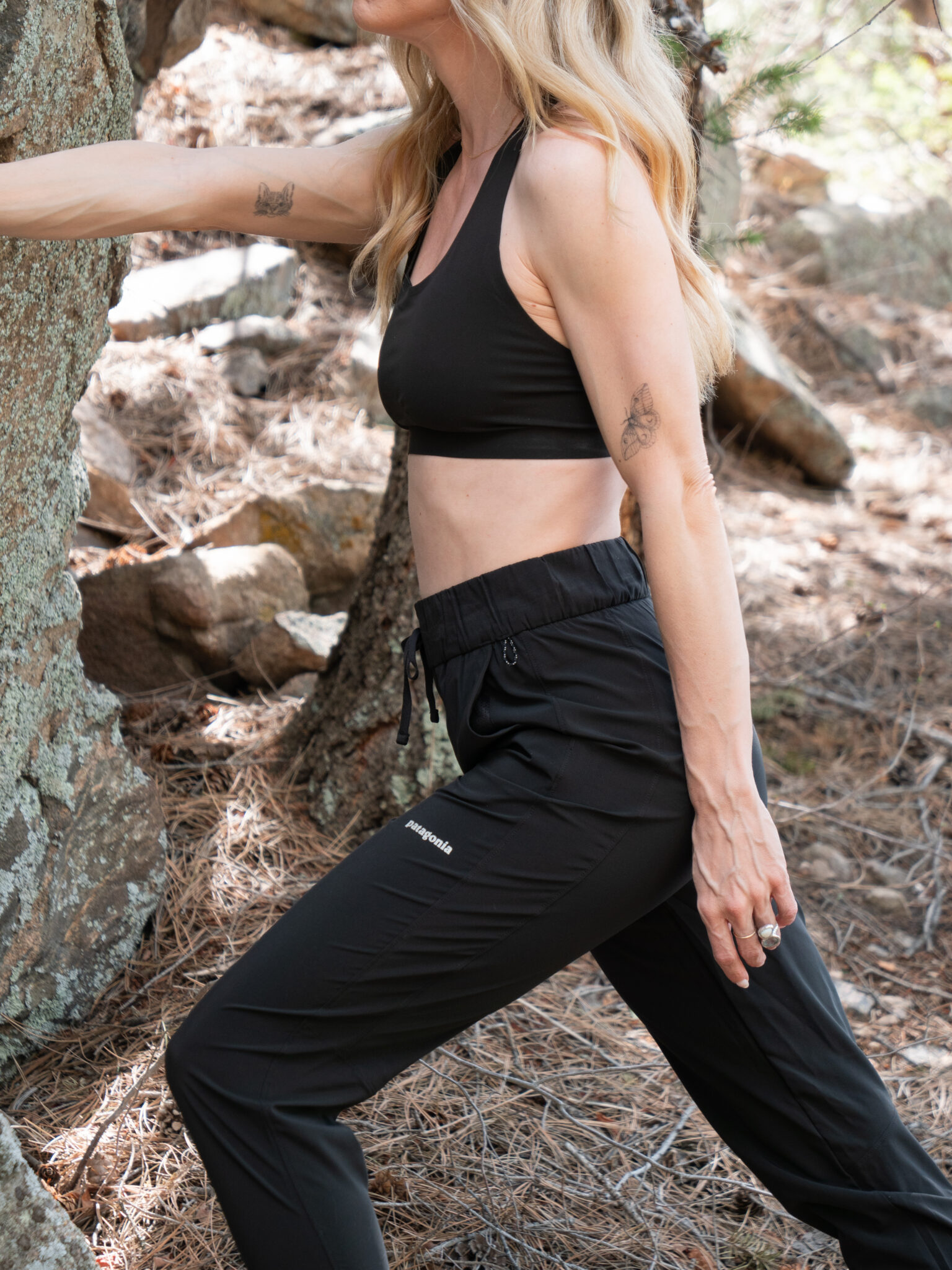
- Patagonia
- Famous for its recycled polyester and organic cotton.
- Offers a take-back program for recycling old gear.
- Transparent about factory conditions and supply chain.
- Girlfriend Collective
- Makes leggings and bras from recycled water bottles.
- Inclusive sizing from XXS to 6XL.
- Uses recycled packaging and non-toxic dyes.
- Tentree
- For every item sold, plants ten trees.
- Uses Tencel, organic cotton, and recycled materials.
- Good for both fitness and everyday wear.
- Wolven
- Focuses on bold, artistic prints.
- Clothes are made from recycled plastic.
- Carbon-neutral shipping.
- Pact
- Specializes in organic cotton basics.
- Fair Trade certified factories.
- Offers carbon offset shipping.
- Allbirds
- Uses eucalyptus, merino wool, and sugarcane in their shoes and apparel.
- Known for eco friendly sneakers and basic activewear.
- TALA
- Activewear made from upcycled materials.
- Affordable pricing and transparent about costs.
- Stylish and high-performance.
- Boody
- Uses organic bamboo viscose.
- Minimalist designs, great for yoga and lounging.
- Eco friendly packaging.
- PrAna
- Early leader in sustainable fashion.
- Uses Fair Trade certified factories, organic cotton, recycled nylon.
- Threads 4 Thought
- Activewear and casual basics.
- Uses recycled polyester, organic cotton, and modal.
- Focus on water conservation.
Brand Comparison
To help you choose, here’s a quick comparison of some key factors:
| Brand | Main Material | Size Range | Best For | Unique Feature |
|---|---|---|---|---|
| Girlfriend Collective | Recycled polyester | XXS–6XL | Leggings, bras | Body inclusive sizing |
| Pact | Organic cotton | XS–XXL | Everyday basics | Fair Trade factories |
| Wolven | Recycled PET | XS–XL | Yoga, dance | Artistic prints |
| TALA | Upcycled blends | XS–XL | High-impact workouts | Transparent pricing |
| prAna | Organic cotton, recycled nylon | XS–XL | Yoga, hiking | Long history of sustainability |
Best Eco Friendly Activewear Products
Not all eco friendly activewear is the same. Some are better for yoga, some for running, and some for just relaxing. Here are top picks in different categories.
Best Leggings
- Girlfriend Collective Compressive Leggings
- Made from 25 recycled bottles per pair.
- Squat-proof, high-waisted, and available in many colors.
- Inclusive sizing.
- Wolven Crossover Pocket Legging
- Made from recycled PET.
- Four-way stretch, moisture-wicking, and has pockets.
Best Sports Bras
- Pact Pureactive Sports Bra
- Organic cotton, soft, and breathable.
- Good for low to medium impact.
- Girlfriend Collective Paloma Bra
- Made from recycled polyester.
- Racerback style for support.
Best Shorts
- PrAna Electa Short
- Recycled nylon and Lycra blend.
- Side pockets and moisture-wicking.
- TALA Zinnia 6” Shorts
- Upcycled polyamide.
- Compression fit, great for running.
Best T-shirts And Tops
- Tentree TreeBlend Classic T-Shirt
- Tencel, organic cotton, and recycled polyester.
- Soft, lightweight, and plants trees with every purchase.
- Allbirds Natural Run Tee
- Made from eucalyptus fiber and merino wool.
- Odor-resistant and breathable.
Best Hoodies And Jackets
- Patagonia R1 Fleece Pullover
- Recycled polyester.
- Warm, lightweight, and great for layering.
- Threads 4 Thought Delilah Hoodie
- Recycled polyester and organic cotton.
- Cozy and soft.
Best Socks And Underwear
- Boody Active Sports Socks
- Organic bamboo viscose.
- Breathable, soft, and antibacterial.
- WAMA Hemp Hipster Underwear
- Made from hemp and organic cotton.
- Naturally anti-odor.
Non-obvious insight: High-performance eco friendly activewear often matches or beats traditional gear for durability and comfort. Many people assume recycled means “less quality,” but that’s not true with top brands.
How To Choose The Right Eco Friendly Activewear
Buying sustainable activewear is not just about the label. Here’s what to look for to get the best value and the greenest choice.
Check The Materials
Always read the fabric label. Look for recycled polyester, organic cotton, Tencel, hemp, or bamboo (preferably lyocell, not viscose).
Look For Certifications
Trusted certifications show a brand is serious:
- GOTS (Global Organic Textile Standard): For organic cotton.
- Fair Trade Certified: Safe, fair working conditions.
- Bluesign: Safe chemicals and less environmental impact.
- OEKO-TEX: Tests for harmful substances.
Watch Out For Greenwashing
Some brands use eco friendly buzzwords but don’t back them up. If the company doesn’t say how their clothes are made or doesn’t show certifications, be careful.
Fit And Function
Eco friendly activewear should still fit well and perform. Try to find reviews or check if the brand offers free returns.
Price Vs. Value
Sustainable clothes can cost more at first, but they often last longer. You may save money over time by buying fewer, better items.
Brand Transparency
Good brands will share details about their factories, materials, and even their mistakes. Transparency is a good sign they are truly eco conscious.
Practical tip: If you’re new to eco friendly activewear, start by replacing one item at a time. Focus on what you wear most—like leggings or t-shirts.
Caring For Eco Friendly Activewear
How you wash and care for your clothes makes a big difference in their life and their impact.
Wash Less Often
Activewear does not always need to be washed after every use—especially items made from natural fibers that resist odor.
Use Cold Water
Washing in cold water saves energy and is gentler on most fabrics.
Avoid Fabric Softeners
Softeners can coat technical fibers and reduce their moisture-wicking abilities.
Air Dry When Possible
Dryers use a lot of energy and can wear out elastic fibers faster. Hang dry for longer life.
Use A Guppyfriend Bag
If you wash synthetic fabrics (even recycled ones), tiny fibers can break off and go into the water. A Guppyfriend bag catches these microfibers and reduces pollution.
Eco Friendly Activewear For Different Activities
The best sustainable option depends on what you do most. Here’s a quick guide for different workouts:
Yoga And Pilates
Look for soft, stretchy, and breathable fabrics. Tencel, bamboo, and organic cotton are top picks. Brands like Wolven and Boody are great here.
Running
You need moisture-wicking, quick-drying materials like recycled polyester or blends with Tencel. Allbirds and Girlfriend Collective offer good options.
Gym Workouts
Durability and stretch matter most. Recycled polyamide blends or upcycled materials from TALA and Patagonia work well.
Hiking And Outdoor Sports
Choose layers made from organic cotton, recycled fleece, or hemp for comfort and warmth. Brands like prAna and Tentree are solid choices.
Everyday Wear
For athleisure, look for soft organic cotton from Pact or comfortable bamboo basics from Boody.
Credit: chichateashop.com
Common Myths About Eco Friendly Activewear
Let’s clear up some misunderstandings:
- “Eco friendly means expensive.” While some items cost more, prices are coming down. Plus, longer-lasting clothes can save money over time.
- “Recycled materials are not durable.” Modern recycled fabrics are just as strong and flexible as new ones.
- “Limited style and sizing.” Many brands now offer a wide range of colors, prints, and sizes.
- “Only for yoga or light activity.” Today’s sustainable activewear works for high-intensity workouts, running, and even outdoor adventures.
Insight: The biggest myth is that one person’s choice doesn’t matter. When you buy eco friendly, you support a whole system that values the planet and people.
How To Spot Greenwashing In Activewear
Some companies use eco friendly buzzwords to sell more but do little to back them up. Here’s how to tell if a brand is truly sustainable:
- Vague claims: “Eco friendly” or “green” with no details is a red flag.
- No certification: If they claim organic or recycled but show no proof, be cautious.
- No details on sourcing or manufacturing: Real eco brands share info about where and how their clothes are made.
- Too many products: True sustainable brands usually release fewer new items per year.
Practical tip: Check for third-party certifications and customer reviews that mention both quality and ethics.
Credit: athletechnews.com
The Future Of Eco Friendly Activewear
Sustainable fitness clothing is becoming more advanced every year. Brands are now experimenting with:
- Biodegradable fabrics that break down in months, not centuries.
- Natural dyes made from plants and minerals.
- Closed-loop recycling, where old clothes are turned into new ones with no waste.
- Smart supply chains that cut out long shipping routes to reduce emissions.
One exciting example: some companies are now making activewear from captured carbon emissions or even seaweed fibers.
Non-obvious insight: As technology improves, prices for sustainable activewear will likely drop further, making it accessible to more people.
For more about the science behind eco friendly materials, check out this Sustainable Fashion page.
Where To Buy Eco Friendly Activewear
You can find sustainable activewear in more places than ever:
- Brand websites: Best for the latest products and full size ranges.
- Major retailers: Stores like REI, Nordstrom, or even Amazon now carry eco friendly lines.
- Local shops: Many small boutiques now focus on sustainable or local brands.
- Secondhand: Try sites like ThredUp or Poshmark for gently used gear.
Practical tip: Sign up for brand emails or follow them on social media for sales. Sustainable brands often offer discounts on Earth Day or during slow shopping seasons.
How To Make Your Activewear Wardrobe More Sustainable
Being eco friendly isn’t just about buying new clothes. Here’s how to get more from what you already own:
- Repair before replacing. Fix small holes or stretched-out elastic if possible.
- Donate or recycle. Don’t throw away old clothes—give them to charities or use brand take-back programs.
- Buy less, choose well. Focus on quality and versatility. You don’t need a huge wardrobe for every workout.
- Care for clothes properly. Washing less and air drying extends life.
Practical insight: A single versatile pair of eco friendly leggings can replace several fast-fashion pairs that wear out quickly.
Frequently Asked Questions
What Are The Most Sustainable Materials For Activewear?
The top choices are recycled polyester, organic cotton, Tencel, hemp, and bamboo lyocell. Each has its strengths: recycled polyester is durable and good for high-sweat workouts, while organic cotton and Tencel are soft and breathable. Always check for trusted certifications.
Is Eco Friendly Activewear As Good As Regular Activewear For Performance?
Yes. Leading brands use advanced technology to make eco friendly fabrics that match or beat traditional ones for stretch, comfort, and durability. Many professional athletes now wear sustainable gear.
How Can I Make Sure A Brand Is Truly Eco Friendly?
Look for specific details on materials, certifications (like GOTS or Fair Trade), and transparent information about factories. Real sustainable brands are open about their process and impact.
Does Washing Eco Friendly Activewear Release Microplastics?
If your gear is made from synthetic fibers (even recycled ones), small fibers can break off in the wash. Use a Guppyfriend bag or similar filter to catch microplastics and keep them out of the water system.
Can I Recycle My Old Activewear?
Some brands offer take-back or recycling programs for their products. If not, check local textile recycling options or donate gently used items to charity.
Choosing eco friendly activewear is about more than just what you wear—it’s about supporting a healthier planet and a fairer fashion industry. With so many great options now available, it’s easier than ever to find gear that fits your values, style, and workouts. The next time you need new leggings or a t-shirt, remember: every choice makes a difference.
