

Best Business Casual for Women: Chic Outfits for Every Office
Best Business Casual For Women
Finding the right business casual style can feel confusing. Every office is different, and fashion trends change quickly. You want to look professional but still feel comfortable and show your personality. If you’ve ever wondered what “business casual” really means for women, you’re not alone.
In this guide, you’ll learn what works, what to avoid, and how to create a smart business casual wardrobe that fits your body, your job, and your style.
The good news is business casual for women is more flexible than ever. You do not have to wear boring clothes or hide who you are. With the right tips, you can build a wardrobe that helps you feel confident every day.
Let’s explore how to master business casual and stand out for all the right reasons.
What Does Business Casual Mean For Women?
Business casual is a dress code that sits between formal business wear and everyday casual clothing. It is less strict than a suit-and-tie style, but more polished than jeans and a T-shirt. The goal is to look neat, approachable, and ready for work, without being too formal or too relaxed.
But business casual is not the same everywhere. Some companies are more formal, while others are creative and open-minded. In general, business casual for women means:
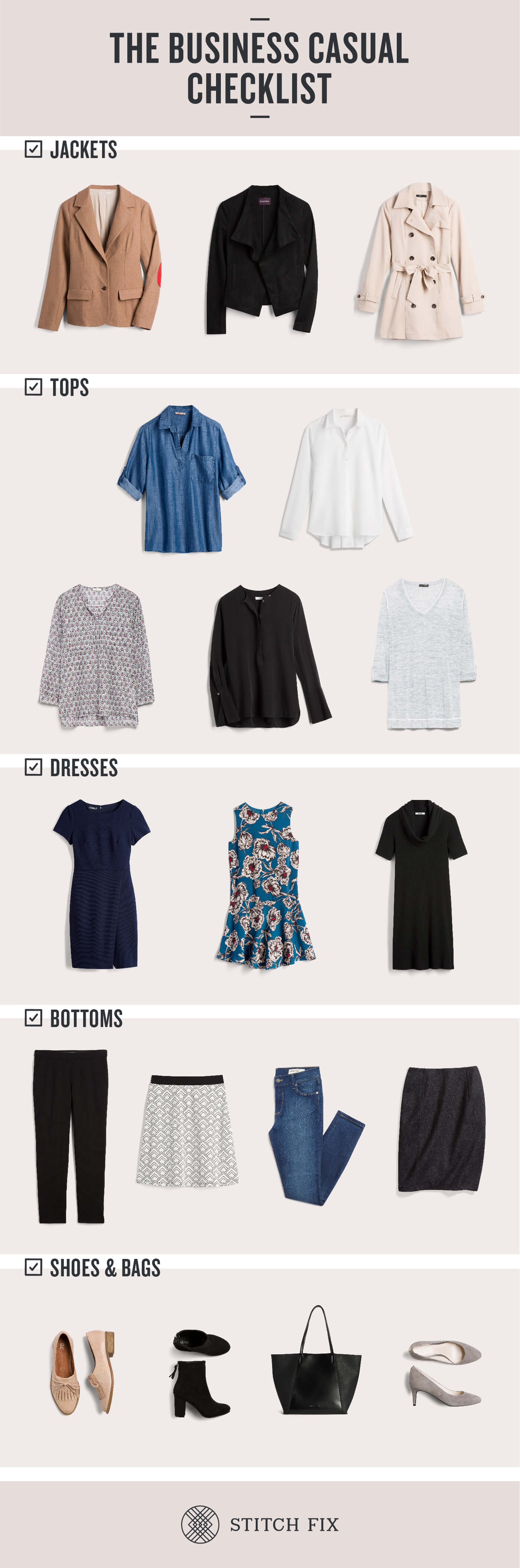
- Tops: Blouses, shirts, sweaters, and sometimes neat polos
- Bottoms: Dress pants, skirts, and sometimes dark, clean jeans (if allowed)
- Dresses: Simple, knee-length or longer
- Shoes: Flats, loafers, low-to-mid heels, ankle boots
- Jackets: Blazers, cardigans, or simple jackets
It’s smart to check your company’s dress code or observe what your coworkers wear. When in doubt, choose the more professional side of business casual.
Essential Pieces For A Woman’s Business Casual Wardrobe
Building a business casual wardrobe does not mean starting from scratch or spending a lot. Focus on versatile pieces that mix and match. Here are the essentials:
Tops
- Blouses: Choose solid colors or simple patterns. Materials like cotton or silk blends look professional.
- Button-down shirts: White, blue, or soft colors work well. Avoid loud prints.
- Knit sweaters: Light to medium weight, in neutral or soft colors.
- Cardigans: Great for layering and adding warmth or color.
- Shell tops: Sleeveless or short sleeve tops, perfect under blazers.
Bottoms
- Dress pants: Slim, straight, or wide-leg styles in black, navy, or gray.
- Skirts: Pencil, A-line, or midi length. Avoid skirts that are too short or too tight.
- Dark jeans: Only if your office allows. They should be free of rips or fading.
Dresses
- Sheath dresses: Simple and classic, usually knee-length.
- Wrap dresses: Flattering for many shapes and easy to adjust.
- Shirt dresses: Structured but comfortable.
Jackets And Blazers
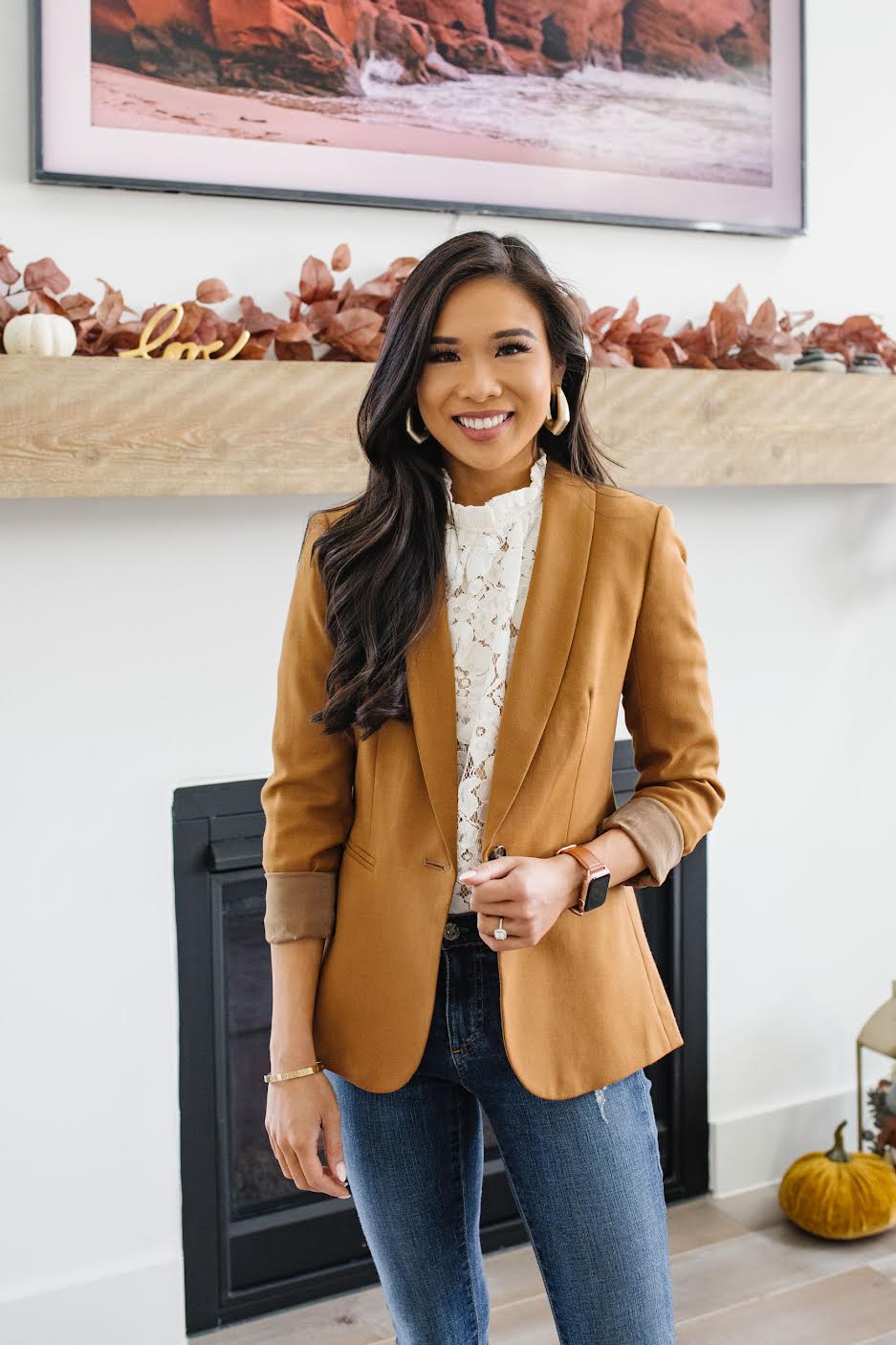
A well-fitting blazer upgrades almost any outfit. Choose classic colors like black, navy, or gray. A structured cardigan can also work in more relaxed settings.
Shoes
- Flats: Loafers, ballet flats, or pointed-toe styles.
- Low to mid heels: Pumps or block heels (2-3 inches).
- Ankle boots: Especially in fall and winter.
- Dressy sandals: For warmer weather, but avoid flip-flops or casual slides.
Accessories
- Belts: Simple leather or fabric belts in neutral shades.
- Jewelry: Keep it simple. Small earrings, a classic watch, or a delicate necklace.
- Bags: Structured handbags or totes look professional.
Here is a quick overview of wardrobe essentials and their best uses:
| Wardrobe Item | Best Colors | Where to Wear |
|---|---|---|
| Blazer | Black, Navy, Gray | Meetings, Presentations |
| Dress Pants | Charcoal, Navy | Daily Office |
| Sheath Dress | Solid, Dark Colors | Client Visits |
| Cardigan | Cream, Blue | Casual Fridays |
| Flats | Black, Nude | All Day Wear |
Credit: colorandchic.com
How To Build Your Business Casual Wardrobe On A Budget
You don’t need to spend a fortune to look sharp at work. Many women overspend, thinking they need every trendy item or expensive brand. The truth: a small, smart wardrobe works better and saves money. Here’s how to do it:
- Start with basics: Focus on 3-4 tops, 2-3 bottoms, 1-2 dresses, and 1-2 jackets or cardigans. Choose neutral colors for easy matching.
- Add color and pattern slowly: Once you have basics, add a few pieces in your favorite colors or subtle patterns.
- Buy for your body shape: Clothes that fit well look more expensive than trendy, ill-fitting pieces.
- Shop sales and outlets: Quality brands often have sales. Outlet stores and online sales can offer big savings.
- Mix high and low: Invest in a great blazer or shoes. Save on simple tops or accessories.
A common mistake is buying many “statement” pieces that are hard to match. Basics are your best friend.
Sample Budget Wardrobe
Here’s an example of a complete business casual wardrobe for less than $500, based on average prices:
| Item | Quantity | Average Cost | Total |
|---|---|---|---|
| Blouses/Shirts | 4 | $30 | $120 |
| Pants/Skirts | 3 | $35 | $105 |
| Dresses | 2 | $40 | $80 |
| Blazer/Cardigan | 2 | $50 | $100 |
| Shoes | 2 | $40 | $80 |
| Total | $485 |
Dressing For Different Work Environments
Business casual is not one-size-fits-all. Tech companies, banks, law firms, and creative studios all have their own expectations. Here’s how to adjust your wardrobe for different settings.
Corporate Offices
Financial, legal, and consulting offices often prefer a more formal business casual look. Choose:
- Blazers or structured jackets
- Dress pants or pencil skirts
- Simple blouses in muted colors
- Closed-toe shoes
Avoid jeans, sneakers, or bold prints unless you see others wearing them.
Creative Workplaces
Advertising, design, or media companies are usually more relaxed. You can try:
- Bright colors or unique patterns
- Stylish flats or ankle boots
- Dressy dark jeans (if allowed)
- Statement accessories
Still, keep your look tidy and avoid anything too casual, like ripped jeans or flip-flops.
Tech Companies
Tech offices are famous for their relaxed vibe, but you should still look neat. Try:
- Polished jeans with a blouse and blazer
- Stylish sneakers (if common at your office)
- Layered sweaters and cardigans
Avoid gym wear or clothes with logos.
Startups And Small Businesses
Dress codes can be very flexible. Look around and match the office culture. When unsure, aim for the more polished side of business casual until you know what is accepted.
Fieldwork Or Client Visits
If your job includes site visits or meeting clients outside the office, plan ahead:
- Wear comfortable but professional shoes.
- Bring layers for unpredictable weather.
- Choose clothes that travel well and do not wrinkle easily.
Color, Pattern, And Fit: What Really Matters
Some women believe business casual means only black and gray. This is not true. Color, pattern, and fit all play a part in looking professional.
Best Colors For Business Casual
Neutral colors are always safe: black, navy, gray, beige, white. But you can add color for personality:
- Pastels (soft blue, blush, mint)
- Deep colors (burgundy, forest green)
- Accent colors (a red belt, a teal scarf)
Just avoid neon or overly bright shades, which can distract.
Patterns And Prints
Stripes, checks, and small prints are usually fine. Large, bold prints are best for creative offices. Make sure prints do not clash if you mix them.
Fit And Comfort
Fit is more important than price or brand. Clothes that are too tight or too loose look unprofessional. Look for:
- Shoulders of blazers/sweaters line up with your own shoulders
- Pants that do not bunch at the ankles or drag on the floor
- Skirts that sit at your waist and do not ride up
Tailoring can make a big difference. Even affordable clothes look better when they fit well.
Business Casual Mistakes To Avoid
Even with the best wardrobe, a few mistakes can ruin your look. Here are errors many women make—and how to avoid them.
- Wearing athletic shoes or flip-flops: These are too casual for almost any office.
- Too much skin: Avoid crop tops, low-cut blouses, or mini skirts.
- Wrinkled or stained clothes: Always check your outfit in good light before leaving home.
- Over-accessorizing: Too many bracelets, loud earrings, or busy scarves can distract.
- Ignoring company culture: Some offices allow jeans, some don’t. Always check.
A useful tip: If you would wear it to a party, club, or the gym, it’s probably not right for business casual.

Credit: everydaysavvy.com
Dressing For Your Body Shape
Every woman’s body is different. The best business casual style is one that fits and flatters your shape. Here’s some advice for common body types:
Pear Shape
Your hips are wider than your shoulders.
- Choose structured blazers and tops to balance your shape.
- A-line skirts and wide-leg pants are flattering.
- Avoid pants that are too tight at the hips.
Apple Shape
Your middle is fuller, with slimmer legs.
- Try wrap dresses or blouses that define your waist.
- Straight-leg pants and open cardigans work well.
- Avoid tight belts or boxy tops.
Hourglass Shape
Your bust and hips are about the same, with a smaller waist.
- Fitted dresses and belted tops highlight your waist.
- Pencil skirts and tailored pants suit you.
- Avoid shapeless, loose clothing.
Rectangle Shape
Your shoulders, waist, and hips are similar in width.
- Add curves with peplum tops or belted dresses.
- Layer with cardigans or blazers for shape.
- Avoid straight, boxy styles.
Petite Women
If you are shorter, try:
- Cropped pants or skirts above the knee
- Fitted jackets (not oversized)
- Heels or pointed flats to elongate legs
Plus Size
Look for:
- Clothes that skim your body, not cling
- Darker colors for a slimming effect
- Vertical stripes or seams to lengthen your look
Well-fitting clothes always look better than hiding your shape in loose outfits.
The Role Of Fabrics And Quality
The fabric you choose affects comfort, appearance, and how long your clothes last. Many women focus only on style, but fabric makes a big difference.
- Cotton: Breathable and soft, but wrinkles easily.
- Polyester blends: Hold shape, resist wrinkles, often easy-care.
- Wool or wool blends: Warm, classic for pants and blazers.
- Rayon and viscose: Soft, drape well, but may shrink if washed wrong.
- Linen: Cool for summer, but wrinkles fast.
Look for quality stitching, lined skirts or pants, and fabrics that feel good on your skin. Sometimes, spending a little more saves money in the long run because the clothes last longer.
Business Casual Outfits For Every Season
Weather changes, and so should your wardrobe. Here’s how to adjust business casual style for each season.
Spring
- Light blouses, soft cardigans
- Cropped pants or midi skirts
- Layer with a light scarf or jacket
Summer
- Sleeveless blouses, knee-length skirts or dresses
- Light fabrics like cotton or linen
- Open-toe flats or dressy sandals
Just make sure shoulders and toes are covered if your office is strict.
Fall
- Long-sleeve shirts, sweaters, blazers
- Darker colors: Burgundy, navy, olive
- Ankle boots and thicker pants
Winter
- Layered turtlenecks, heavy cardigans
- Wool pants or skirts with tights
- Tall boots for warmth
Always check if your office has a stricter dress code in winter months.
Mixing And Matching: Creating More Outfits With Fewer Pieces
A smart business casual wardrobe does more with less. With 10-12 pieces, you can create many different looks. Here’s how to maximize your options:
- Pair each top with at least two bottoms.
- Layer blazers or cardigans over dresses and shirts.
- Use accessories to change the mood (scarf, necklace, belt).
- Choose shoes that work with several outfits.
A small wardrobe saves time and stress each morning. Plan your shopping around what you already own, not what you wish you had.
Business Casual For Remote And Hybrid Work
Many women now work partly or fully from home. Should you still dress business casual? Often, yes. Video calls and meetings are common, and a professional look builds respect.
- Focus on tops, since most video calls show only your upper half.
- Simple blouses, sweaters, or even a neat T-shirt with a cardigan work well.
- Keep a blazer handy for important meetings.
- Wear comfortable pants or skirts, but avoid pajamas or gym shorts.
A little effort goes a long way, and it’s easier to switch from home to office without stress.
Sustainable And Ethical Business Casual Choices
Fashion can hurt the environment. Many women now want clothes that are better for the planet and people. Here’s how to make smarter choices:
- Buy fewer, better pieces instead of lots of cheap items.
- Look for brands with fair labor and eco-friendly materials.
- Choose natural fibers when possible, like organic cotton or TENCEL.
- Care for your clothes—wash in cold water, air dry, and repair instead of throwing away.
You can look great at work and help the world at the same time. For more on this, see the Common Objective guide to sustainable fashion.
Business Casual Outfit Ideas For Women
Sometimes it helps to see real outfit ideas. Here are a few combinations to inspire you:
Classic Look
- Navy blazer
- White blouse
- Gray dress pants
- Black loafers
- Simple silver necklace
Modern Creative
- Patterned blouse
- Black skinny pants
- Burgundy flats
- Statement earrings
Relaxed Friday
- Striped knit top
- Dark straight-leg jeans
- Camel cardigan
- Nude ballet flats
Warm Weather
- Sleeveless sheath dress
- Light scarf
- Navy blazer (for meetings)
- Tan sandals
Winter Smart
- Turtleneck sweater
- Plaid midi skirt
- Black tights
- Ankle boots
Remember, small changes in accessories or shoes can make these looks feel new.
Comparing Business Casual Vs. Other Dress Codes
Understanding business casual is easier when you compare it to other common office dress codes.
| Dress Code | Allowed Items | Not Allowed |
|---|---|---|
| Business Formal | Suits, blouses, dress shoes | Jeans, sneakers, t-shirts |
| Business Casual | Blazers, dress pants, dresses, neat flats | Ripped jeans, shorts, hoodies |
| Casual | Jeans, polo shirts, sneakers | Suits, ties, high heels (often) |
Business casual is the middle ground—professional but not stiff.
Credit: www.stitchfix.com
Non-obvious Insights For Business Casual Success
Many articles miss these important details:
- Steam or iron your clothes the night before. This small habit saves time and prevents last-minute panic.
- Keep a “spare kit” at work: A neutral scarf, simple flats, and a stain remover stick can save you from surprises like spills or cold offices.
- Rotate shoes and jackets. Shoes wear out fast if worn daily. Rotate pairs and your items last longer.
- Photograph your outfits. Take a quick phone photo when you find a great combination. Later, you’ll have outfit ideas ready for busy mornings.
Frequently Asked Questions
What Is Not Considered Business Casual For Women?
Business casual does not include ripped jeans, shorts, athletic wear, graphic T-shirts, flip-flops, or very revealing clothing. Even if your office is relaxed, these items do not look professional.
Can Women Wear Jeans As Business Casual?
Sometimes. If your company allows, choose dark, neat jeans with no rips or fading. Pair with a blouse and blazer to keep the look polished. Always check your office guidelines first.
What Shoes Are Best For Business Casual?
The best choices are loafers, ballet flats, ankle boots, or low-to-mid heels. Avoid athletic shoes, flip-flops, or anything too casual. In creative offices, stylish sneakers may be accepted.
How Can I Add Personality To My Business Casual Outfits?
Use color in your blouses, scarves, or jewelry. Try subtle patterns or a statement necklace. Small touches, like a unique belt or colorful flats, show your style without breaking the dress code.
How Do I Adjust Business Casual For Hot Or Cold Weather?
In hot weather, wear lightweight fabrics and sleeveless tops (if allowed), and choose open-toe flats or sandals. In cold weather, layer with sweaters, scarves, tights, and boots. Always keep a blazer or cardigan for meetings.
---
Business casual for women is about balance: comfort, professionalism, and a touch of your own style. With the right pieces and a few smart strategies, you can build a wardrobe that works for any office or season. Pay attention to fit, fabric, and company culture, and you’ll always look your best—without spending too much time or money.
