

Best Business Casual Dress for Men
Business casual dress is more important than ever for men in the workplace. You want to look professional, but also feel comfortable and confident. Choosing the right business casual outfit can help you make a great impression, whether you’re meeting clients, working in the office, or networking at an event. But what exactly does business casual mean? Many men struggle to find the perfect balance. In this article, you’ll learn how to build a business casual wardrobe, discover the best options for shirts, pants, shoes, and accessories, and find practical tips that make dressing easier. By the end, you’ll know how to look sharp, avoid common mistakes, and express your style while staying professional.
Understanding Business Casual For Men
Business casual is a dress code that mixes professional looks with relaxed elements. It’s less formal than a suit and tie, but more polished than jeans and a t-shirt. The challenge is finding the right balance: you want to look neat without being too stiff.
What Does Business Casual Mean?
Business casual usually includes collared shirts, dress pants or chinos, and closed-toe shoes. Jackets and sweaters are optional. It excludes items like ripped jeans, graphic tees, sportswear, and sneakers. However, each company may have its own rules. For example, some offices allow polo shirts, while others prefer button-downs. If you’re unsure, observe what your coworkers wear or ask HR.
Why Business Casual Matters
Your appearance affects how others see you. Studies show that dressing well boosts confidence and can improve job performance. It also helps build trust with clients and coworkers. In one survey, 61% of managers said that dressing appropriately influences promotion decisions.
Business casual lets you show professionalism without feeling restricted.
Essential Business Casual Pieces
To dress business casual, you need a few key items. These pieces form the foundation of your wardrobe. You can mix and match them to create different looks.
Shirts
Shirts are the most visible part of your outfit. Choose classic styles for a polished look.
- Button-down shirts: Solid colors and subtle patterns work best. Avoid shirts with bold prints or logos.
- Polo shirts: Acceptable in many offices, especially during warmer months. Pick high-quality cotton polos in neutral colors.
- Dress shirts: These are more formal, but you can wear them without a tie for a relaxed feel.
Pants
Pants should be neat and well-fitted. Avoid baggy or overly tight styles.
- Chinos: A popular choice for business casual. They come in many colors—navy, gray, beige are safest.
- Dress pants: Also called slacks or trousers. Choose classic colors like black, charcoal, or navy.
- Dark jeans: Some offices allow them. If so, pick jeans without rips or fading.
Shoes
Footwear completes your look. Choose shoes that are stylish but comfortable.
- Leather loafers: Easy to wear and versatile.
- Derby shoes: Classic lace-up shoes that work with most outfits.
- Dress boots: Great for colder months or casual Fridays.
Jackets And Sweaters
You don’t always need a jacket, but it adds polish.
- Blazers: A well-fitted blazer elevates any outfit.
- Cardigans and v-neck sweaters: Good for layering, especially in cooler offices.
Accessories
Small details can make a big difference.
- Belts: Match your belt to your shoes for a coordinated look.
- Watches: Simple, classic watches are best.
- Socks: Choose solid colors or subtle patterns. Avoid athletic socks.
Building A Business Casual Wardrobe
Creating a complete business casual wardrobe doesn’t have to be expensive or complicated. Start with the essentials and expand as needed.
How To Start
Begin with a few basic items:
- 3–5 button-down shirts
- 2–3 pairs of chinos or dress pants
- 2 pairs of business casual shoes
- 1–2 blazers or sweaters
This covers most situations. You can add more items over time.
Choosing Colors And Patterns
Stick to neutral colors for flexibility: navy, gray, white, beige, and black. Light blue shirts and soft patterns (like thin stripes) add variety without being loud. Avoid flashy prints or colors, as they can look unprofessional.
Fit And Comfort
Fit is crucial. Clothes that are too tight or too loose look sloppy. Try items on before buying. Look for shirts with enough room to move, pants that sit comfortably at the waist, and shoes that don’t pinch.
Best Business Casual Dress Options For Men
Let’s explore the top choices for each category. These examples show you what works well and why.
Button-down Shirts
Button-down shirts are the backbone of business casual.
- Oxford shirt: Durable, slightly textured fabric. Works in both formal and casual settings.
- Poplin shirt: Smooth, lightweight, perfect for warmer days.
- Patterned shirts: Thin stripes or small checks add interest. Avoid large prints.
For example, a light blue oxford shirt pairs well with navy chinos and brown loafers. This look is classic and fits most offices.
Polo Shirts
Polo shirts are less formal but still acceptable in many workplaces.
- Choose polos made from high-quality cotton. Avoid shiny or synthetic materials.
- Stick to solid colors like navy, white, or gray.
- Wear polos with chinos or dress pants, not jeans.
A navy polo, beige chinos, and loafers create a comfortable and smart outfit for summer.
Chinos
Chinos are versatile and comfortable.
- Look for chinos with a slim or straight fit.
- Avoid cargo styles or overly tight pants.
- Colors like khaki, navy, and gray are safe.
Pair gray chinos with a white button-down shirt and black shoes for a simple, elegant look.
Dress Pants
Dress pants are best for more formal offices.
- Classic colors: Black, charcoal, navy.
- Fabric: Wool blend or cotton.
- Fit: Straight or slightly tapered legs.
Dress pants with a tucked-in shirt and a blazer are ideal for meetings or presentations.
Business Casual Shoes
Shoes should be neat and clean.
- Loafers: Brown or black, leather or suede.
- Derby shoes: Slightly more formal, good for client meetings.
- Dress boots: Black or brown, ankle-high.
Avoid sneakers, sandals, or shoes with bright colors.
Blazers And Sweaters
Blazers create structure and authority.
- Navy or gray blazers match most outfits.
- Unstructured blazers are more relaxed.
- Sweaters: V-neck or crew neck, fine knit, neutral colors.
Wear a navy blazer with khaki chinos and a light blue shirt for a sharp business casual look.
Accessories
Accessories should be simple.
- Leather belt: Same color as shoes.
- Classic watch: Metal or leather band.
- Pocket square: Optional, keep it subtle.
Avoid flashy jewelry or large logos.
Comparing Business Casual Dress Options
Below is a comparison of popular shirt styles for business casual.
| Shirt Type | Formality | Best Settings | Recommended Colors |
|---|---|---|---|
| Oxford Button-Down | Medium | Office, Meetings | Light Blue, White, Gray |
| Poplin Shirt | Medium-High | Presentations, Interviews | White, Pale Blue, Pink |
| Polo Shirt | Low-Medium | Casual Fridays, Summer | Navy, White, Gray |
The table shows that oxford button-downs are most versatile, poplin shirts are slightly more formal, and polos are best for relaxed days.
Mistakes To Avoid With Business Casual
Even experienced professionals make mistakes. Here are some common errors and how to fix them.
- Wearing athletic shoes: Stick to dress shoes or loafers.
- Untucked shirts: Always tuck in button-down shirts.
- Overly casual pants: Avoid jeans unless your office allows them.
- Bold prints: Choose subtle patterns.
- Worn-out clothes: Replace items that look faded or damaged.
- Ignoring fit: Baggy or tight clothes look unprofessional.
- Clashing colors: Match your belt and shoes; keep colors coordinated.
A non-obvious mistake is forgetting to check your socks. Loud or athletic socks can ruin your look, so pick solid or subtle patterns.
How Business Casual Differs From Other Dress Codes
Understanding the differences helps you avoid confusion.
Business Formal
This is the most professional dress code. You need a suit, tie, dress shirt, and formal shoes. Business casual is much more relaxed.
Smart Casual
Smart casual mixes casual clothing with smarter pieces. For men, it can mean a nice t-shirt with a blazer and dark jeans. Business casual is more structured, with collared shirts and dress pants.
Casual
Casual dress includes jeans, t-shirts, sneakers, and anything comfortable. Business casual is more polished and office-appropriate.
Here’s a comparison table:
| Dress Code | Typical Items | Formality Level |
|---|---|---|
| Business Formal | Suit, Tie, Dress Shoes | High |
| Business Casual | Collared Shirt, Chinos, Loafers | Medium |
| Smart Casual | Blazer, Polo, Dark Jeans | Low-Medium |
| Casual | T-shirt, Jeans, Sneakers | Low |
How To Shop For Business Casual Clothes
Shopping can be stressful if you don’t know what to look for. Here’s a practical approach.
Where To Buy
- Department stores (Macy’s, Nordstrom)
- Specialty menswear shops
- Online retailers (Amazon, Bonobos, Everlane)
Look for stores with clear return policies so you can try items at home.
What Matters Most
- Fit: Try clothes on, or check size guides.
- Fabric: Cotton, wool, and blends are comfortable.
- Durability: Pick items that last—look for reinforced seams and quality materials.
- Price: Set a budget. You don’t need to buy everything at once.
Mistakes When Shopping
- Buying everything in one color. Mix colors for flexibility.
- Ignoring reviews. Check what other buyers say.
- Forgetting about maintenance. Some fabrics need dry cleaning; others are machine washable.
Real-world Examples Of Business Casual Dress
Let’s see how business casual works in different jobs.
Tech Industry
Tech offices are often more relaxed. Men can wear polo shirts and chinos, with sneakers if allowed. But for meetings, switch to button-down shirts and loafers.
Finance And Law
These industries are stricter. Stick to dress shirts, dress pants, and blazers. Shoes should be formal. Avoid jeans and polos.
Creative Fields
Creative companies allow more expression. You can wear patterned shirts, sweaters, and even dark jeans. Accessories like watches and belts can be more stylish.
Small Businesses
Rules vary. Some allow casual dress, while others expect business casual. When in doubt, dress up rather than down.
Caring For Business Casual Clothes
Your clothes last longer if you care for them properly.
Laundry Tips
- Wash shirts and pants in cold water to prevent fading.
- Hang shirts to dry to avoid shrinking.
- Iron shirts for a crisp look.
Shoe Care
- Polish leather shoes regularly.
- Use shoe trees to keep shape.
- Rotate shoes; don’t wear the same pair every day.
Storage
- Use hangers for shirts and pants.
- Fold sweaters to avoid stretching.
- Keep accessories in a drawer or box.
An overlooked tip is to check labels before washing. Some clothes need special care, like dry cleaning or gentle cycles.
How To Match Business Casual Outfits
Matching outfits helps you look polished. Here’s how to do it easily.
Color Coordination
Pick a main color and add complementary tones. For example, navy pants with a white shirt and brown shoes. Avoid too many colors in one outfit.
Patterns
Mix patterns carefully. If your shirt has stripes, keep pants and accessories solid. Small patterns are easier to match than bold prints.
Accessories
Match your belt and shoes. If you wear a watch, choose a band that fits the outfit.
Here’s a simple matching table:
| Main Item | Best Matches |
|---|---|
| Navy Chinos | White Shirt, Brown Loafers |
| Light Gray Pants | Blue Shirt, Black Shoes |
| Beige Chinos | Light Blue Shirt, Tan Loafers |
Non-obvious Insights For Business Casual
There are two things many beginners miss.
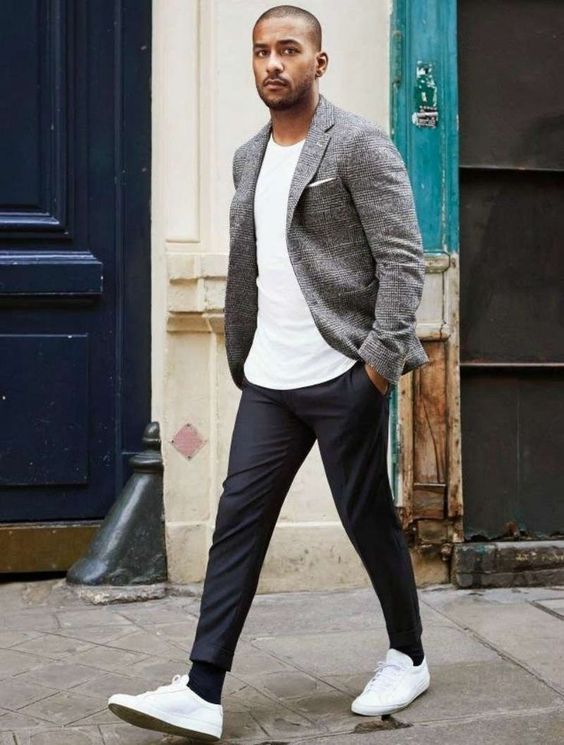
- Layering for flexibility: Always keep a blazer or sweater in your office. You can add it if you need to look more formal, or remove it for comfort.
- Seasonal fabrics: In summer, pick lightweight cotton or linen shirts. In winter, wool-blend pants and sweaters add warmth.
Another tip is to invest in tailoring. Many stores offer simple adjustments like hemming pants or slimming shirts. These changes make a big difference in how your clothes fit.
Credit: nilds.gov.ng
Expressing Your Style In Business Casual
Business casual doesn’t mean boring. You can show personality with small touches.
- Pick shirts with subtle patterns or unique textures.
- Choose accessories like a classic watch or a tasteful pocket square.
- Try different shoe styles—suede loafers or dress boots add interest.
Just keep the overall look neat and coordinated.
Business Casual For Different Body Types
Men come in all shapes and sizes. The right clothing can help you look your best.
Tall Men
- Wear shirts with longer sleeves.
- Avoid pants that are too short.
- Try jackets with proper arm length.
Short Men
- Avoid baggy clothes.
- Pick pants with little or no break (no bunching at the ankle).
- Choose vertical stripes for shirts.
Athletic Build
- Slim fit shirts and pants work well.
- Avoid tight clothes that restrict movement.
Larger Build
- Look for straight fit pants.
- Choose shirts with enough room in the chest and shoulders.
- Avoid bold patterns that draw attention to the midsection.
Business Casual Dress For Special Occasions
Sometimes you need to adjust your business casual look.
Job Interviews
- Wear a button-down shirt, dress pants, and a blazer.
- Keep colors neutral.
- Choose formal shoes.
Client Meetings
- Dress one step up from normal office wear.
- Add a blazer or tie if unsure.
Company Events
- Check the dress code.
- If casual is allowed, wear a polo and chinos.
- For formal events, switch to business formal.
Business Casual Dress On A Budget
You don’t need to spend a fortune. Here are ways to save money.
- Buy basics in neutral colors—they match more outfits.
- Shop sales and outlet stores.
- Invest in quality shoes; they last longer.
- Take care of clothes to avoid frequent replacements.
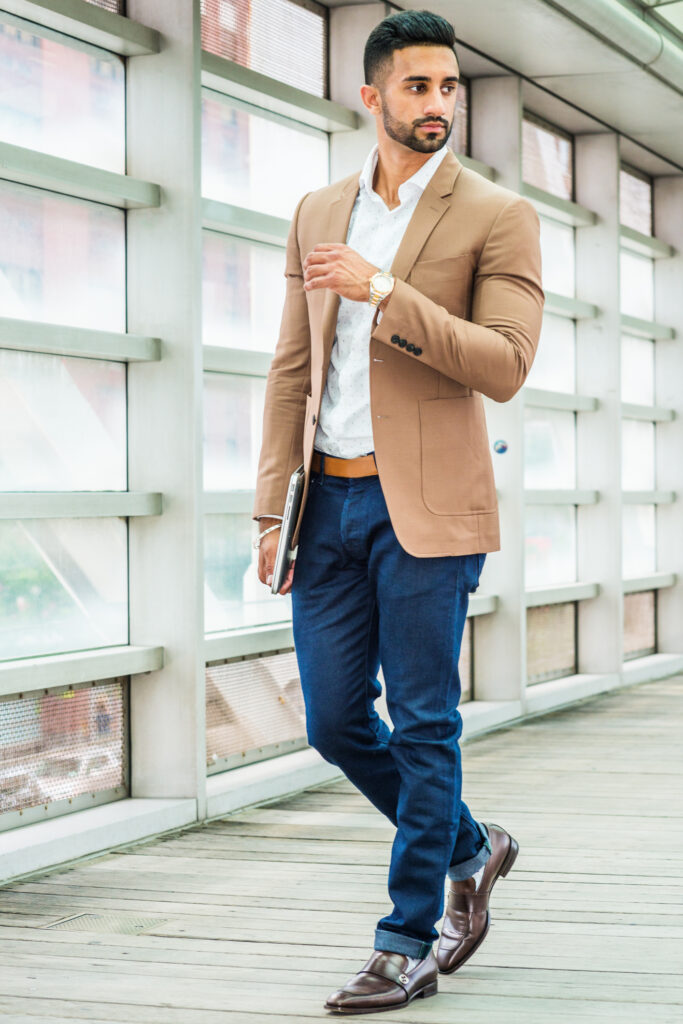
A smart way to save is to mix high and low-priced items. For example, pair a premium shirt with affordable chinos.
Credit: petersclothiers.com
Business Casual Dress Codes Around The World
Business casual can look different in other countries. In Europe, men often wear slim-fit trousers and stylish blazers. In Asia, button-down shirts and tailored pants are common. Always check local customs if you travel for work.
For more insights on dress codes globally, visit Business News Daily.
Frequently Asked Questions
What Is The Difference Between Business Casual And Business Formal?
Business formal requires a suit, tie, and dress shoes. Business casual is less strict: collared shirts, chinos or dress pants, and loafers. You don’t need a tie or suit jacket.
Can I Wear Jeans In Business Casual?
It depends on your office. If allowed, wear dark, well-fitted jeans without rips or fading. Pair them with a button-down shirt and dress shoes.
Are Polo Shirts Acceptable For Business Casual?
Yes, in many workplaces. Choose polos in solid colors and high-quality fabrics. Avoid logos or bold prints.
How Do I Choose The Right Shoes For Business Casual?
Pick loafers, derby shoes, or dress boots. Avoid sneakers, sandals, or shoes with bright colors. Match your shoes to your belt for a polished look.
How Can I Look Stylish In Business Casual?
Add personality with subtle patterns, classic accessories, and well-fitted clothes. Layer with blazers or sweaters. Keep colors coordinated and avoid clutter.
Business casual dress for men is about finding the right mix of comfort, style, and professionalism. With the tips and examples above, you can build a wardrobe that works for any office or event, express your personality, and always make a good impression.

Credit: ashanderie.com
