

Are You Supposed to Wear Tank Tops Undershirts? Expert Guide
Are You Supposed To Wear Tank Tops Undershirts
Choosing what to wear under your shirt can feel simple, but small details like tank tops and undershirts often lead to debate. Some people never leave home without a layer under their dress shirt, while others feel most comfortable with just one shirt. Is there really a right answer? Should you wear a tank top undershirt or skip it? The answer depends on many factors—your personal comfort, style, climate, and even social expectations.
In this guide, you’ll learn the full story behind tank tops as undershirts. You’ll understand when they work, when they don’t, and what most people overlook about using tank tops as a base layer. We’ll compare them to other undershirt styles, look at different situations, and clear up common myths.
By the end, you’ll know exactly what to do for your own daily routine.
Understanding Tank Tops And Undershirts
Before deciding whether you should wear a tank top as an undershirt, it’s important to know what both terms mean. Many people use “tank top” and “undershirt” as if they are the same, but there are key differences.
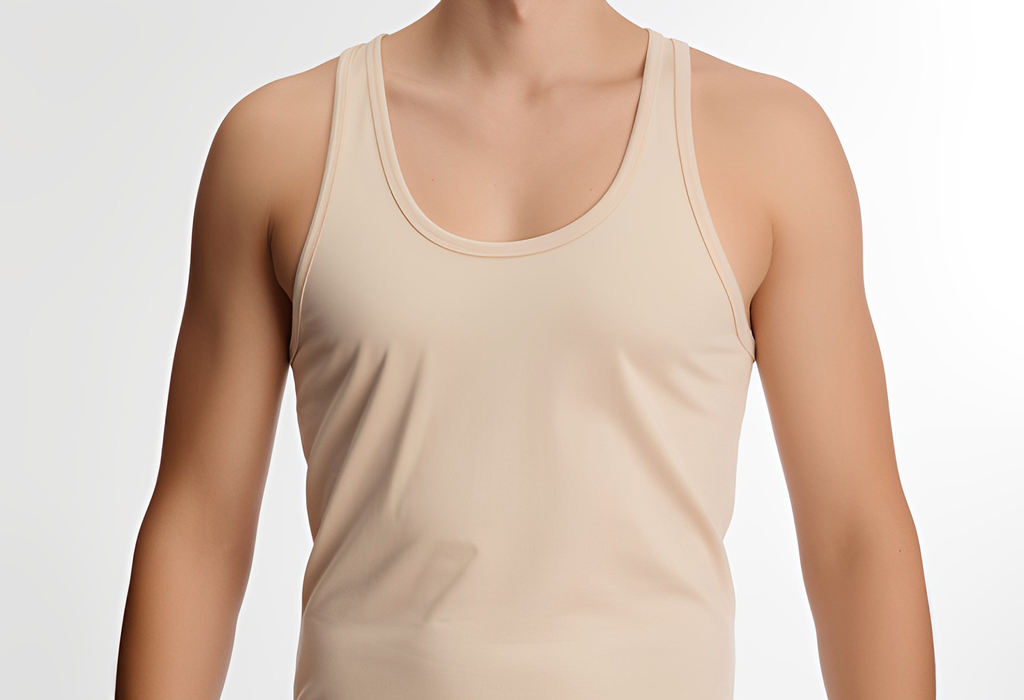
A tank top is a sleeveless shirt with wide shoulder straps and no collar. Tank tops are popular for warm weather, sports, or as a casual top. They can be worn alone or as a base layer. Tank tops come in many fabrics, from cotton to polyester blends.
An undershirt is any shirt worn under another shirt to protect outer clothing and absorb sweat. The classic undershirt is a short-sleeved crew neck, but there are many types—tank tops, v-necks, and long-sleeve undershirts. The main goal is to keep you comfortable and your outer shirt cleaner for longer.
Differences Between Tank Tops And Other Undershirts
- Coverage: A tank top leaves the shoulders and upper arms bare, while a traditional undershirt covers more skin.
- Purpose: Tank tops are often visible and worn as outerwear, but undershirts are usually hidden.
- Material: Both can be made from similar materials, but undershirts often use thinner, more breathable fabrics.
Understanding these differences will help you decide which is right for your needs.
Reasons People Wear Tank Top Undershirts
Why do so many people reach for a tank top before putting on their shirt? There are several reasons, and each one can help you decide if this is the right choice for you.
- Absorbing Sweat: A tank top absorbs sweat from your chest and back, helping to keep your outer shirt dry. This is useful in hot climates or during stressful days.
- Preventing Deodorant Stains: Deodorant can leave marks on shirts. A tank top acts as a barrier, saving your dress shirt from yellow stains.
- Adding Warmth: In cooler weather, a tank top provides a light extra layer. It’s not as warm as a full undershirt, but it helps.
- Comfort: Some people find that wearing a tank top under their shirt prevents chafing, especially with rough fabrics.
- Confidence: Knowing you have an extra layer can help you feel more secure, especially if your outer shirt is thin or slightly see-through.
- Style and Tradition: In some cultures or families, wearing a tank top under your shirt is simply the norm.
However, not everyone chooses to wear a tank top. Let’s explore the arguments against this habit.
Arguments Against Wearing Tank Tops As Undershirts
While tank top undershirts have their fans, many people—especially style experts—argue against them. Here’s why:
- Limited Protection: Tank tops leave the armpits exposed. Most sweat and deodorant stains come from this area, so a tank top often fails to protect your shirt where it matters most.
- Visible Lines: The outline of a tank top can show through light dress shirts, especially with sleeveless styles. This can look unprofessional or messy.
- No Smoothing Effect: Full undershirts help smooth out your torso, hiding chest hair or uneven skin. Tank tops do not, so your shirt may look less crisp.
- Fashion Faux Pas: In formal settings, a tank top can sometimes be seen as less polished or even outdated.
- Potential Discomfort: Thin straps can dig into your shoulders, especially under a tighter shirt or suit.
- Not for All Seasons: Tank tops provide almost no warmth, so they are not ideal in cold weather.
Choosing a tank top as an undershirt is not always the best solution. For some, it works; for others, it creates more problems than it solves.
Tank Top Undershirts Vs. Other Undershirt Styles
To make the best decision, it helps to compare tank tops with other popular undershirt styles. Each has its own benefits and drawbacks. Here’s a clear comparison to help you see the differences.
| Type | Coverage | Best For | Common Problems |
|---|---|---|---|
| Tank Top | Sleeveless, covers chest and back | Hot weather, casual wear | No armpit coverage, visible lines |
| Crew Neck Undershirt | Short sleeves, full chest and back | Formal shirts, sweat protection | Neckline may show under open collar |
| V-Neck Undershirt | Short sleeves, v-shaped neck | Wearing with open collar shirts | May still show under deep v shirts |
| Long Sleeve Undershirt | Full arms, chest, back | Cold weather, extra warmth | Too warm in hot weather, bulkier |
This table shows that tank tops are best in certain situations, but they lack the sweat protection and smoothing effect of full undershirts. For most professional or dressy settings, a crew neck or v-neck undershirt is usually better.
When To Wear A Tank Top Undershirt
If you still like the idea of tank tops, there are times when they make perfect sense. Here’s when you might want to choose a tank top as your undershirt:
Hot, Humid Weather
When the temperature is high, a tank top can help you stay cooler. It absorbs some sweat but doesn’t add too much bulk. This is especially useful if you sweat mainly from your chest and back, not your underarms.
Light, Casual Shirts
Tank tops work well under casual button-downs, polos, or even t-shirts—especially if your shirt is made from thin material and you want a little coverage.
Lounging Or Sports
Many people wear tank tops under shirts when relaxing at home, exercising, or playing sports. The freedom of movement and breathability make them ideal for active moments.
Under Tight Clothing
If you wear a slim-fit shirt and don’t want extra fabric at your arms, a tank top can help you avoid bunching.
Layering For Style
Tank tops can be used as a style statement. For example, wearing a colored tank under an open button-down for a casual look.
However, always consider where you are going and who you will see. In formal or business settings, tank tops may not be the best choice.
When To Avoid Tank Top Undershirts
There are also times when tank tops do more harm than good. Here are situations where you should avoid them:
Business Or Formal Settings
In professional settings, a tank top often looks less polished. If your shirt is white or thin, the outline of the tank top straps may show, which can be distracting.
Heavy Sweating
If you sweat a lot from your underarms, a tank top will not protect your shirt. You will end up with sweat marks or deodorant stains on your outer shirt.
Cold Weather
Tank tops provide almost no warmth for your arms. In colder months, a full undershirt is much more comfortable.
When Wearing Light-colored Shirts
Light shirts make tank tops more visible, especially around the shoulders and neckline. This can look unprofessional or draw unwanted attention.
Sensitive Skin
If you are prone to chafing or irritation, tank tops may not offer enough protection, especially around the underarms.
For these reasons, many people keep tank tops for casual, home, or summer use only.
Credit: www.realmenrealstyle.com
Myths And Misconceptions About Tank Top Undershirts
Many people believe things about tank tops that simply aren’t true. Let’s clear up some common myths:
Myth 1: Tank Tops Always Keep You Cooler
While tank tops are lighter than full undershirts, they may actually make you feel warmer if worn with thick, non-breathable shirts. The best way to stay cool is to wear light, loose, and breathable fabrics all over.
Myth 2: Tank Tops Hide Sweat
Tank tops only protect your chest and back. They do not absorb sweat from your armpits, which is where most visible sweat comes from. Only a short-sleeved undershirt can help with this.
Myth 3: Tank Tops Always Look Invisible
Even under thick shirts, the outline of a tank top can show—especially if the straps are thick or colored. Seamless or skin-tone undershirts are less visible.
Myth 4: All Tank Tops Are The Same
Tank tops come in many cuts and fabrics. Some are designed for exercise, not as undershirts. Picking the wrong style can make you less comfortable or stylish.
Myth 5: Tank Tops Are Best For All Body Types
Tank tops highlight the shoulders and arms. Some people feel self-conscious in sleeveless tops, especially if they prefer to minimize attention to this area.
Understanding the reality behind these myths can save you from discomfort or fashion mistakes.
Choosing The Right Tank Top As An Undershirt
If you decide a tank top is best for you, choosing the right one matters. Not all tank tops work well as undershirts. Here’s what to look for:
Fabric
Pick a soft, breathable material like cotton or a cotton blend. Avoid thick or rough fabrics, as they can create lines and add bulk.
Color
Choose a color that matches your skin tone or is close to the color of your shirt. White is classic, but can show through thin shirts. Gray, beige, or even light brown often work better under lighter shirts.
Fit
A good tank top undershirt should fit snugly against your body but not feel tight. Loose tank tops bunch up and may look messy under your shirt.
Seams
Look for flat seams or seamless designs. Raised seams create visible lines and can be uncomfortable.
Strap Width
Narrow straps are less visible but may dig into the shoulders. Wide straps are more comfortable, but more likely to show under certain shirts. Test a few styles to see what works best for you.
Length
The tank top should be long enough to stay tucked in. Short tops ride up and create lumps under your shirt.
Making these careful choices will help you enjoy the benefits of a tank top without the drawbacks.
Cultural And Social Views On Tank Top Undershirts
Attitudes toward tank top undershirts are shaped by culture, region, and even generation. In some places, wearing a tank top under your shirt is standard. In others, it may be rare or even seen as old-fashioned.
Global Differences
- United States: Tank tops as undershirts are common in some regions, especially in warmer climates or among older generations. Younger people often prefer full undershirts or skip them.
- Europe: Tank tops are less common as undershirts. Many Europeans prefer v-neck or crew neck undershirts, especially under business shirts.
- Asia: In many Asian countries, tank tops are popular, especially in hot climates. In India and Bangladesh, for example, sleeveless vests are a daily essential for many men.
Social Signals
Wearing a tank top as an undershirt can send different messages:
- Practicality: In hot climates, it shows you’re practical and want to stay cool.
- Tradition: In some cultures, it’s seen as a sign of good grooming and respectability.
- Casualness: In some circles, it may be seen as too casual for formal events.
These views shift over time and depend on your social group. If you are new to a country or job, observe what others wear and ask for advice if unsure.
Health And Hygiene: Does A Tank Top Help?
One big reason to wear an undershirt is hygiene. But does a tank top actually help?
Sweat Absorption
Tank tops absorb sweat from your chest and back. This keeps your outer shirt cleaner and can reduce odors.
Bacteria And Odor
Most body odor comes from bacteria in sweaty areas, especially the armpits. Because tank tops leave the underarms uncovered, they do not stop sweat and bacteria from reaching your shirt. This can cause odor to build up faster.
Skin Health
If you have sensitive skin, an undershirt can prevent irritation from rough shirt fabrics. Tank tops help on the chest and back, but not under the arms.
Laundry And Shirt Lifespan
Wearing any undershirt, including a tank top, can protect your dress shirts and make them last longer. However, full undershirts are better at stopping stains and odors.
In summary, tank tops offer some hygiene benefits, but not as much as shirts with sleeves.
Practical Tips For Wearing Tank Top Undershirts
If you want to wear a tank top as an undershirt, a few simple tricks can help you avoid common problems.
- Pick the Right Size: Too tight and it’s uncomfortable, too loose and it bunches up. Try on several brands if possible.
- Choose the Right Color: Skin-tone or gray tank tops are less visible under white shirts than classic white.
- Look for Seamless Edges: These don’t show through thin shirts.
- Tuck It In: Always keep your tank top tucked into your pants to avoid bunching and lines.
- Replace Often: Tank tops wear out quickly. Replace them when they lose shape or become stained.
- Wash Gently: Use a gentle cycle and avoid hot water. This helps your tank tops last longer.
- Check for Visibility: Before leaving home, check in a mirror. If the tank top is showing, try a different shirt or undershirt.
By following these tips, you can enjoy the comfort of a tank top without sacrificing style.
Alternatives To Tank Top Undershirts
If you find that tank tops don’t meet your needs, there are other options worth considering.
Sleeved Undershirts
A classic crew neck or v-neck undershirt gives better sweat protection and a smoother look. These are best for formal or business settings.
Compression Undershirts
Compression undershirts are tight-fitting and help smooth your torso. They offer sweat protection and can improve posture, but may feel restrictive.
Mesh Or Moisture-wicking Shirts
Modern undershirts use fabrics that pull sweat away from your skin and dry quickly. These are great for active days or hot climates.
No Undershirt
Some people choose to skip the undershirt altogether, especially in cool, dry weather. This works if your outer shirt is comfortable and you don’t sweat much.
Undershirt Pads
For those who sweat a lot, underarm pads or shields can be added to any shirt. These absorb sweat and protect your clothing.
Experiment with these options to find what works best for you.
Credit: c9airwear.com
Comparing Tank Top Undershirts: Real-world Data
To give you a better idea of how tank tops perform compared to other undershirts, here’s a simple data comparison based on common criteria:
| Criteria | Tank Top | Crew Neck | V-Neck |
|---|---|---|---|
| Sweat Protection | Low | High | High |
| Comfort | High (in heat) | Medium | Medium |
| Visibility | Medium | Low | Low |
| Warmth | Low | Medium | Medium |
| Formal Appearance | Low | High | High |
This comparison highlights that while tank tops excel in comfort during hot weather, they fall behind in sweat protection and formal appearance.
Common Mistakes When Wearing Tank Top Undershirts
Even experienced dressers make mistakes with tank top undershirts. Here are some to avoid:
- Wearing White Under White: White tank tops are often more visible under white shirts than gray or skin-tone ones.
- Ignoring Fit: Too loose or too tight tank tops create lumps and discomfort.
- Choosing the Wrong Fabric: Heavy cotton or synthetic blends can trap heat and cause sweat.
- Showing Straps: If your shirt is thin or has wide neck holes, tank top straps can be visible.
- Not Replacing Old Ones: Worn-out tank tops look bad and offer less protection.
Avoiding these mistakes will keep you comfortable and stylish.

Credit: www.esquire.com
Non-obvious Insights Most Beginners Miss
Most people focus only on comfort or sweat protection, but there are two key details that beginners often miss:
- Color Matching Matters More Than You Think: Many assume white tank tops are always best. In fact, a gray or nude color is much less visible under white shirts because it blends with your skin tone. This is a subtle detail that can make your outfit look much more professional.
- Undershirt Layer Can Affect How Your Outer Shirt Fits: A thick tank top can change the way your dress shirt drapes on your body. Sometimes, it makes wrinkles more obvious, or causes the shirt to fit too tightly. Always test your undershirt and shirt combination together before an important event.
The Final Verdict: Should You Wear A Tank Top Undershirt?
So, are you supposed to wear tank tops as undershirts? There is no single right answer for everyone. Here’s what to keep in mind:
- For casual, hot weather, or relaxed situations: Tank tops work well as undershirts. They add comfort without too much heat.
- For business, formal, or sweat protection: Choose a full undershirt, like a crew neck or v-neck. They protect your shirt and keep you looking sharp.
- Think about color, fit, and material: These small details make a big difference in comfort and appearance.
- Be aware of social and cultural norms: If in doubt, observe what others do or ask for advice.
The best choice is the one that fits your lifestyle, comfort needs, and style goals. Experiment with different options, and don’t be afraid to change your routine as you learn what works best for you.
For more detail on fabric types and how they affect sweat, check out this guide from the Healthline.
Frequently Asked Questions
Can I Wear A Tank Top Under A Dress Shirt?
Yes, you can, but be aware that tank tops offer less sweat protection and may show through thin shirts. For formal settings, a full undershirt is usually a better choice.
Is It Better To Wear A Tank Top Or A Full Undershirt?
It depends on your needs. Tank tops are comfortable in hot weather but don’t protect against armpit sweat. Full undershirts offer better protection and a smoother look.
What Color Tank Top Is Best Under A White Shirt?
A gray or skin-tone tank top is less visible than a white one under a white shirt. White tank tops can create strong outlines.
Are Tank Top Undershirts Good For Sensitive Skin?
Tank tops help reduce friction on the chest and back, but leave the underarms exposed. If you have sensitive underarm skin, a full undershirt is better.
How Do I Keep My Tank Top From Showing Through My Shirt?
Choose a tank top that matches your skin tone, fits snugly, and has flat seams. Avoid thick fabrics, and always check your look in a mirror before leaving home.
By understanding these details, you’ll make smarter choices for your daily wardrobe, stay more comfortable, and look your best in any situation.
