

Are You Supposed to Wear Something under a Rash Guard? Expert Tips!
Are you wondering if you should wear something under your rash guard? It’s a common question that many people ask before hitting the water or the gym.
What you wear underneath can affect your comfort, protection, and even how your rash guard fits. You’ll discover the simple truth about what’s best to wear under a rash guard—and why it matters for your skin and performance. Keep reading to find out how a small choice can make a big difference in your next adventure.

Credit: bjjfightgear.com
Purpose Of Rash Guards
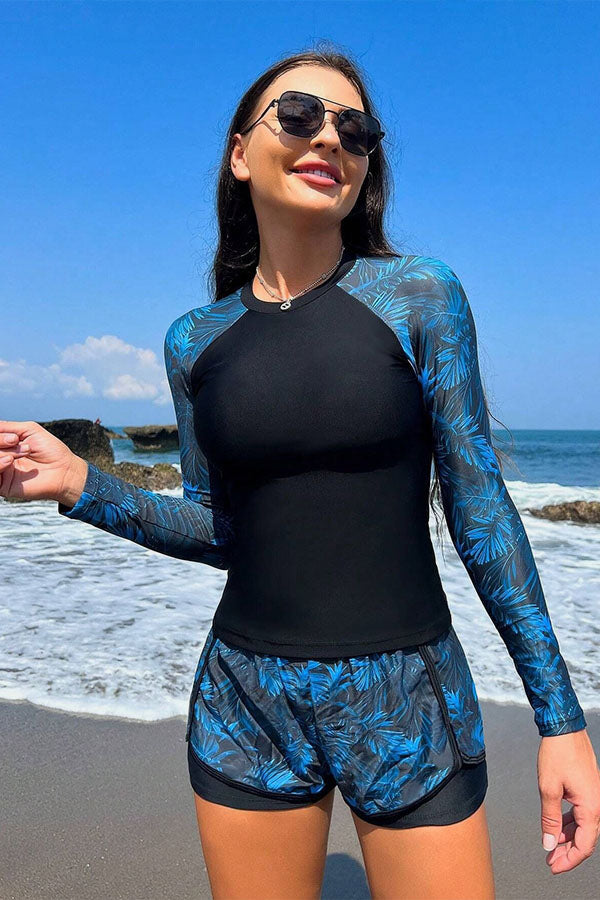
Rash guards are special shirts made to protect your skin during water activities. They fit snugly and stretch to move with your body. These shirts serve many purposes beyond just looking good. They help keep your skin safe and comfortable.
Protection From Rashes And Irritation
Rash guards stop your skin from rubbing against rough surfaces. They protect against irritation caused by sand, surfboards, and wetsuits. Wearing one helps prevent painful rashes. It also reduces chafing during long hours in the water.
Sun Protection Benefits
Rash guards block harmful UV rays from the sun. Many have a built-in UPF rating for extra defense. They shield your skin better than regular swimwear. This lowers your risk of sunburn and skin damage.
Thermal Regulation
Rash guards help keep your body temperature steady. They provide a thin layer of warmth in cooler water. At the same time, they wick away sweat and dry quickly. This keeps you comfortable during activities in changing weather.

Credit: swimzip.com
Common Practices For Wearing Rash Guards
Rash guards are popular for water sports and outdoor activities. Many wonder if they should wear something under these tight-fitting shirts. Different people have different habits. Knowing common practices helps you choose what feels best for you.
These habits depend on comfort, protection, and the activity you do. Some wear rash guards alone, while others add layers. Some use special clothing under for extra support and warmth.
Wearing Rash Guards Alone
Many people wear rash guards without anything underneath. The material is soft and fits close to the skin. This method keeps you cool and prevents chafing. It also lets the rash guard do its job fully, like protecting from sun and rashes.
Layering With Swimwear
Others wear swimwear under their rash guards. This is common at pools and beaches. Swimwear adds a layer of modesty and comfort. It also helps with quick drying after swimming. This way, rash guards stay clean longer.
Using Compression Garments
Compression shirts or shorts sometimes go under rash guards. They support muscles and improve blood flow. Athletes use them for better performance and less fatigue. These layers also add warmth in cold water or air. This choice suits intense or long activities.
Factors Influencing What To Wear Under
Choosing what to wear under a rash guard depends on several factors. These factors help decide if wearing something underneath is necessary or not. Comfort, activity, and weather all play a role. Understanding these can improve your experience and protect your skin.
Activity Type And Intensity
The kind of activity affects your choice. High-intensity sports like surfing or paddleboarding may need extra protection. A thin layer under the rash guard can reduce chafing. For light activities, wearing nothing underneath might be fine. Consider how much movement and friction your skin will face.
Comfort And Skin Sensitivity
Some people have sensitive skin that easily irritates. Wearing a soft, breathable layer under the rash guard can help. It prevents itching and rashes caused by the fabric rubbing directly on skin. Others may feel comfortable without anything underneath. Choose what feels best for your skin type.
Climate And Water Temperature
Weather conditions influence your choice too. In cold water, an extra layer adds warmth. It helps keep your body temperature steady. Warm climates may not need anything under the rash guard. The fabric alone can protect from sun and minor scrapes. Consider water and air temperature before deciding.
Material Considerations
Choosing the right material under a rash guard matters a lot. It affects comfort, dryness, and skin health. The fabric you pick can keep you cool and prevent irritation. Knowing what materials work best helps you enjoy water sports or workouts more.
Breathable Fabrics
Breathable fabrics let air pass through easily. They help sweat evaporate fast. Cotton and light synthetic blends are good choices. These fabrics keep your skin fresh and reduce sweat build-up. Breathability is key to stay cool in hot weather or intense activity.
Quick-drying Options
Quick-drying materials stop moisture from staying on your skin. Polyester and nylon dry fast and feel light. They help avoid that wet, sticky feeling under your rash guard. Quick drying also lowers the risk of chafing and rashes caused by damp fabric.
Avoiding Chafing And Irritation
Soft, smooth fabrics reduce rubbing and skin irritation. Avoid rough or thick fabrics under the rash guard. Seamless or flat-seam designs help prevent skin damage. Choose materials that feel gentle on your skin for long wear. This prevents discomfort during swimming or surfing sessions.
Expert Tips For Optimal Comfort
Wearing a rash guard feels great when it fits right and feels soft on your skin. Comfort matters most if you wear it for sports or beach fun. Experts share tips to help you stay comfy and avoid skin irritation.
Simple choices in fit, care, and layering can make a big difference. These tips help you enjoy your rash guard every time.
Choosing The Right Fit
Pick a rash guard that hugs your body but is not too tight. A good fit stops chafing and lets you move easily. Look for stretchy fabrics that fit your shape well. Avoid rash guards that are too loose; they can cause rubbing and discomfort.
Proper Washing And Care
Wash your rash guard with cold water to keep it soft. Use mild detergent to protect the fabric and skin. Let it air dry instead of using a dryer. Clean rash guards reduce skin irritation and keep the material strong.
When To Go Without Anything Under
Wearing nothing under your rash guard works well for many people. It feels cooler and less bulky. Choose this option when the rash guard is smooth inside and fits snugly. This way, you avoid extra layers that might trap sweat or cause itching.
Common Mistakes To Avoid
Wearing a rash guard seems simple, but many make mistakes. These errors can cause discomfort and skin problems. Avoiding common mistakes helps you get the best use from your rash guard.
Wearing Cotton Under Rash Guards
Wearing cotton under a rash guard is a common error. Cotton holds water and stays wet longer. This causes chafing and slows drying. Rash guards work best on bare skin or with special synthetic layers. Avoid cotton to stay dry and comfortable.
Ignoring Skin Reactions
Some people ignore skin reactions from rash guards. Itching, redness, or rashes can mean irritation or allergies. Rash guards should fit well and be made of soft materials. Stop wearing it if skin problems appear. Treat skin gently and choose rash guards carefully.
Overlooking Proper Layering
Proper layering under rash guards is important. Too many layers cause heat and restrict movement. Too few layers may lead to chafing. Use thin, moisture-wicking fabrics if layering is needed. Proper layering keeps skin dry and comfortable during activities.
Credit: attracosports.com
Frequently Asked Questions
Should I Wear Underwear Beneath A Rash Guard?
Wearing underwear under a rash guard is optional. Some prefer it for extra comfort or hygiene. Others wear the rash guard alone, especially in water sports. Choose what feels best for your activity and personal comfort.
Can Rash Guards Be Worn Without A Shirt Underneath?
Yes, rash guards are designed to be worn directly on the skin. They provide protection against rashes, sunburn, and abrasions without needing an additional shirt. Wearing them alone improves comfort and mobility during sports or water activities.
Is It Better To Wear A Swimsuit Under A Rash Guard?
Wearing a swimsuit under a rash guard is common, especially for water sports. It offers extra coverage and quick drying. Rash guards complement swimsuits by preventing chafing and providing UV protection, making them a practical combination.
Does Wearing Something Under A Rash Guard Prevent Chafing?
Yes, wearing a thin layer like a swimsuit or compression shorts under a rash guard can reduce chafing. It creates a smooth barrier between skin and fabric, enhancing comfort during extended activity or in rough conditions.
Conclusion
Wearing something under a rash guard depends on your comfort and activity. Some prefer a bare skin feel for better fit and cooling. Others wear a thin shirt for extra protection or warmth. Choose what suits your skin and the sport you play.
Rash guards protect against rashes and sun, but layers add comfort. Try both ways to see what works best for you. Staying comfortable helps you enjoy your time in the water or gym.
