

Are Rash Guards Supposed to Be Tight? Expert Fit Guide
Are you wondering if rash guards are supposed to fit tight or if you should go for something looser? Choosing the right fit can make a huge difference in your comfort and performance, whether you’re surfing, swimming, or just spending time in the water.
Wearing a rash guard that’s too loose might cause chafing, while one that’s too tight could feel uncomfortable and restrict your movement. Keep reading to discover exactly how a rash guard should fit and why getting it right matters for your skin and your sport.
Your perfect fit is closer than you think!
Purpose Of Rash Guards
Rash guards serve a clear purpose beyond just looking sporty. They protect your skin and improve how you perform in water and contact sports. Understanding their role helps you choose the right fit and style.
Protection And Performance
Rash guards protect your skin from irritation caused by surfboards, sand, and saltwater. They reduce rashes and cuts during activities like surfing, snorkeling, or wrestling. The tight fit keeps the fabric close to your skin. This stops it from rubbing and causing chafing. Rash guards also offer some protection from the sun’s harmful rays. Wearing one means you spend more time enjoying your sport safely and comfortably.
Material And Stretch
Rash guards are made from stretchy materials like spandex and polyester. These fabrics move with your body and do not restrict your motion. The stretch helps the shirt fit snugly without feeling tight or uncomfortable. A proper fit means better muscle support and less drag in the water. Materials dry quickly, which keeps you warm and reduces irritation. Stretchy fabric also means the rash guard holds its shape after many uses.
Credit: alchemizefightwear.com
Ideal Fit Characteristics
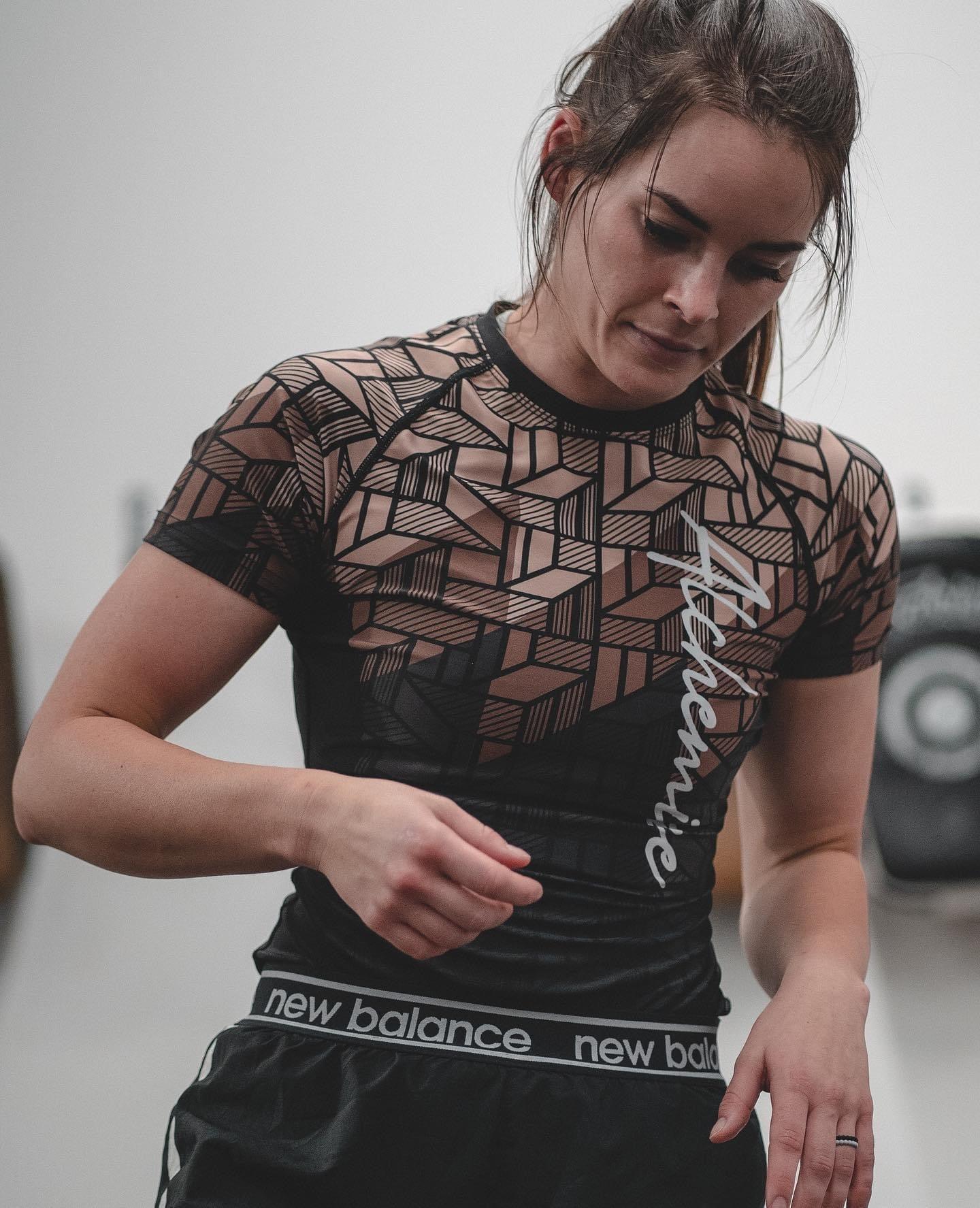
Choosing the right fit for a rash guard matters a lot. It should protect your skin without causing discomfort. The ideal rash guard hugs your body but does not squeeze too tight. It moves with you during any water sport or workout.
Snug But Comfortable
The rash guard should feel like a second skin. It fits close to your body without pinching or pulling. Tight enough to stop water from entering but loose enough to breathe. You should not feel restricted or have marks on your skin after wearing it. Comfort is key for long hours of use.
Freedom Of Movement
Your rash guard must allow easy arm and shoulder movement. Stretchy materials help you move freely in the water or gym. No tight spots that limit your reach or flexibility. A good fit supports your motions without bunching up or sliding down. It should stay in place while you paddle, swim, or surf.
Risks Of Wearing Rash Guards Too Tight
Wearing rash guards too tight causes several problems. Tight rash guards can harm your body instead of protecting it. Understanding these risks helps you choose the right fit for comfort and safety.
Restricted Circulation
Tight rash guards squeeze your skin and muscles. This pressure limits blood flow in affected areas. Poor circulation leads to numbness and tingling. Muscles may feel weak or tired faster. Long use can cause serious health issues. Your body needs good blood flow to heal and stay strong.
Discomfort And Skin Irritation
Too tight rash guards rub against your skin. Constant friction causes redness and rashes. Sweat trapped under tight fabric worsens irritation. Skin may become itchy or sore quickly. This discomfort distracts from sports or activities. Wearing a proper fit helps skin breathe and stay healthy.
Consequences Of Loose Rash Guards
Wearing a rash guard that is too loose can cause problems during water activities. It may not protect your skin well or affect how you move in the water. Loose rash guards can make your experience less safe and less comfortable.
Reduced Protection
A loose rash guard does not stay close to your skin. This gap lets sand, jellyfish stings, and sun rays reach your body. The rash guard cannot stop scratches or irritation well. Skin protection depends on the rash guard fitting tightly.
Increased Drag In Water
Loose rash guards flap and move with the water. This creates extra resistance when you swim. You will feel slower and more tired. Tight rash guards cut through the water easier, helping you swim smoothly and fast.
How To Choose The Right Size
Choosing the right size for a rash guard is key to comfort and performance. A rash guard should fit snugly but not feel too tight. The right fit protects your skin and lets you move freely. Follow simple steps to find your perfect size.
Measuring Your Body
Use a soft tape to measure your chest, waist, and hips. Measure around the fullest part of your chest. Wrap the tape snugly but not tight. For the waist, measure at the narrowest point. Take hip measurements at the widest area. Write down these numbers for reference.
Checking Brand Size Charts
Each brand has its own size chart. Compare your measurements with the chart carefully. Some brands list sizes in inches, others in centimeters. Choose the size that matches your largest measurement. If you are between sizes, pick the larger one. This helps avoid a rash guard that is too tight.
Tips For Trying Rash Guards
Trying on rash guards needs care. The fit is important for comfort and protection. Follow simple tips to find the right one. These tips help you pick a rash guard that feels good and works well.
Movement Tests
Move your arms up and down. Stretch your body side to side. Bend forward and backward. The rash guard should stretch with you. It should not pull or feel tight. Make sure it does not restrict any motion.
Comfort Checks
Check if the fabric feels soft on your skin. Look for any itchy or rough spots. Wear the rash guard for a few minutes. Notice if it stays comfortable during movement. It should fit snug but not squeeze too hard.
Adjusting Fit With Layers
Adjusting the fit of rash guards with layers helps you stay comfortable and protected. Wearing layers can change how tight or loose a rash guard feels. This lets you adapt to different activities and weather conditions. The right layering keeps you warm, stops chafing, and lets you move easily.
Wearing Rash Guards Over Swimwear
Many people wear rash guards over swimwear. This adds an extra layer of protection from the sun and rough surfaces. It also keeps your swimwear in place during water sports. A slightly snug rash guard over swimwear prevents it from shifting. This fit feels tight but not uncomfortable.
Using Compression Sleeves
Compression sleeves work well under rash guards. They give extra muscle support and improve blood flow. Wearing sleeves can make the rash guard feel tighter. This helps reduce muscle fatigue during exercise. Compression layers also help keep the skin smooth under the rash guard. Choose sleeves that fit well without restricting movement.

Credit: karlinstrategic.com
Credit: www.reddit.com
Frequently Asked Questions
Are Rash Guards Meant To Fit Tight Or Loose?
Rash guards are designed to fit snugly for better protection and comfort. A tight fit prevents chafing and reduces water drag. Loose rash guards may cause irritation and hinder performance during water sports.
Why Should Rash Guards Be Tight During Water Activities?
A tight rash guard stays close to the skin, preventing rashes and sunburn. It also reduces friction from surfboards or wetsuits. This ensures maximum comfort and protection while you swim, surf, or dive.
Can A Rash Guard Be Too Tight?
Yes, a rash guard can be too tight if it restricts movement or breathing. It should feel snug but comfortable. Avoid sizes that cause discomfort or limit your range of motion during activities.
How Do I Choose The Right Rash Guard Size?
Measure your chest, waist, and shoulders before buying. Check the brand’s size chart carefully. Opt for a size that fits snugly without feeling overly tight or loose for optimal performance.
Conclusion
Rash guards should fit snugly but not feel too tight. A close fit helps protect your skin and moves with you. Avoid sizes that squeeze your body or limit breathing. Comfort matters most during activities like surfing or martial arts.
Choose a rash guard that feels like a second skin, not a struggle. This balance keeps you safe and comfortable all day. Remember, a good fit makes a big difference in performance.
