

Are Gym Clothes Synthetic? What You Need to Know
Are Gym Clothes Synthetic
Many people notice that gym clothes often feel different from everyday cotton shirts or jeans. They are lighter, stretch more, and dry faster. But what exactly are these workout clothes made of? Are gym clothes synthetic, or do they use natural fibers?
The answer is important, especially if you care about comfort, skin health, or the environment. Let’s dive into what goes into gym clothing, why these materials matter, and how to choose the best options for your workouts.
What Does "synthetic" Mean In Clothing?
Before looking at gym clothes, it’s useful to understand what "synthetic" means. In clothing, synthetic fibers are man-made. They start as chemicals, often from petroleum, and are transformed into fibers in factories. Common examples are polyester, nylon, spandex, and acrylic.
In contrast, natural fibers come from plants or animals. Cotton, wool, bamboo, and linen are natural fibers. They usually require less processing but behave differently in clothing.
Why are synthetic fibers so common in gym wear? Synthetic materials can be engineered for specific features, like stretch, strength, moisture-wicking, or lightness. This flexibility has made them a favorite for athletic wear brands.
Main Materials Used In Gym Clothes
Most gym clothes are made from synthetic materials. However, some brands still use natural fibers or blends. Here’s a closer look at what you’ll find in common gym wear.
Polyester
Polyester is the most widely used synthetic fiber in gym clothes. It is strong, lightweight, and does not absorb much water. This helps sweat evaporate quickly, keeping you dry. Polyester is also durable and resists shrinking or wrinkling. Most performance T-shirts, shorts, and leggings use polyester, either alone or blended with other fibers.
Nylon
Nylon is another favorite for activewear. It is smooth, stretchy, and very strong. Nylon dries even faster than polyester and feels soft against the skin. Many high-end leggings and compression gear use nylon for its comfort and fit.
Spandex (lycra Or Elastane)
Spandex (also called Lycra or Elastane) is known for its amazing stretch. Even a small amount (5-20%) makes gym clothes much more flexible. Think of yoga pants or fitted tops that move with your body—spandex is the reason.
Polypropylene
Polypropylene is used in some athletic base layers. It is very lightweight and does not hold water at all. This makes it good for sweat-wicking underlayers or gear for water sports.
Blends With Natural Fibers
Not all gym clothes are 100% synthetic. Some brands mix cotton, bamboo, or wool with synthetic fibers. This can improve softness, reduce odors, or create a natural feel. For example, a T-shirt might be 60% cotton and 40% polyester.
Rare Natural-fiber Gym Clothes
You will find some gym clothes made mainly from merino wool or bamboo viscose. These materials are naturally moisture-wicking and can reduce odors. However, they cost more and are less common than synthetics.
Why Are Synthetic Materials Used In Gym Clothes?
Synthetic fibers dominate gym wear for several reasons. Here’s why brands choose them:
1. Moisture-wicking Ability
Synthetic fibers move sweat away from the skin. This keeps you dry during intense workouts.
2. Stretch And Flexibility
Synthetics like spandex allow clothes to stretch and return to shape. This is key for movements like squats, yoga, or running.
3. Durability
Synthetic gym clothes can handle repeated washing, stretching, and use. They resist shrinking, fading, or tearing.
4. Lightweight Feel
Synthetic fibers are often lighter than natural ones. Gym clothes feel less bulky and more comfortable.
5. Fast Drying
Since synthetics don’t hold much water, they dry quickly. This prevents the cold, clammy feeling after sweating.
6. Shape Retention
Synthetics keep their fit even after many uses. Cotton, by contrast, can sag or lose shape.
Many brands now engineer fabrics with extra features like anti-odor treatments, UV protection, or special ventilation—mostly possible because of synthetic technology.
Common Types Of Gym Clothing And Their Materials
Let’s break down the most popular gym clothes and see what materials they use.
T-shirts And Tank Tops
Most gym T-shirts are made from polyester, often blended with spandex for stretch. Some brands add cotton for softness. Tank tops may use more spandex for a snug fit.
Leggings And Yoga Pants
Nylon-spandex blends are the top choice for leggings. This mix offers a smooth feel, great stretch, and shape retention. Polyester-spandex is also popular, especially for budget options.
Shorts
Polyester dominates gym shorts, sometimes with a bit of spandex for flexibility. Running shorts often use lightweight polyester with mesh panels for ventilation.
Sports Bras
Nylon-spandex or polyester-spandex blends are standard. These fabrics offer stretch, support, and moisture management.
Hoodies And Sweatshirts
Performance hoodies may use polyester or blends of cotton and polyester. Pure cotton is less common for gym sweatshirts due to its poor sweat-wicking ability.
Socks
Athletic socks often blend synthetic fibers like polyester or nylon with cotton. This mix helps wick moisture while keeping feet comfortable.
Underwear And Base Layers
Moisture-wicking underwear uses polyester, nylon, or polypropylene. Some premium products use merino wool for odor control and comfort.
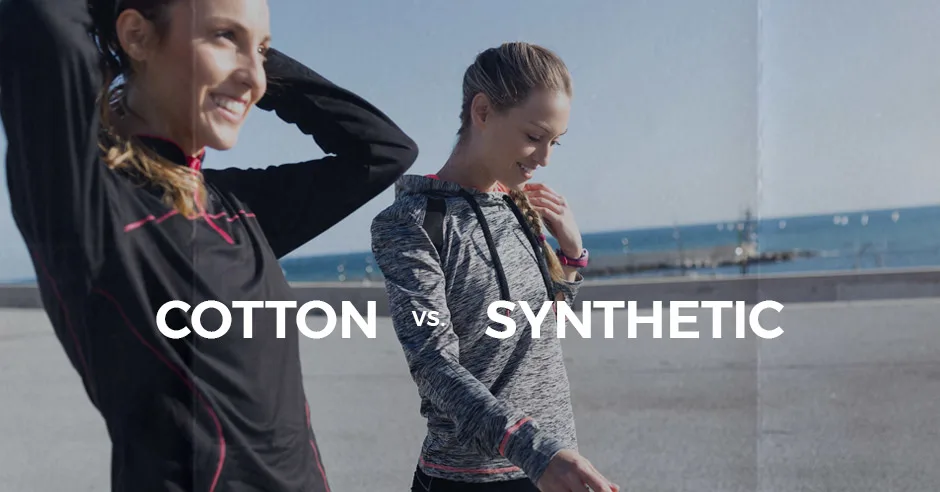
Credit: www.issaonline.com
Comparing Synthetic And Natural Fibers For Gym Wear
It helps to compare the main features of synthetic and natural materials side by side.
| Feature | Synthetic Fibers | Natural Fibers |
|---|---|---|
| Moisture-Wicking | Excellent (polyester, nylon) | Good (wool, bamboo), Poor (cotton) |
| Stretch | High (spandex blends) | Low to Medium |
| Durability | Very high | Medium |
| Odor Resistance | Low (unless treated) | High (wool, bamboo) |
| Drying Speed | Very fast | Medium to slow |
| Cost | Usually lower | Often higher |
Key Insights
- Cotton gym wear feels soft but traps moisture and dries slowly. This makes it uncomfortable for heavy exercise.
- Merino wool is a special case—natural, but wicks moisture well and resists odors. It’s used in premium workout clothes.
- Synthetics can sometimes hold onto odors unless treated or blended with odor-resistant fibers.
How Synthetic Gym Clothes Are Made
Understanding how synthetic gym clothes are produced offers clues about their benefits and drawbacks.
1. Raw Materials
Synthetic fibers begin as chemicals, usually from oil. These are turned into liquid and forced through tiny holes to form threads.
2. Spinning And Stretching
These threads are stretched and spun to get the right strength and thickness.
3. Weaving Or Knitting
The fibers are woven or knitted into fabrics. Many gym clothes use special weaves for breathability.
4. Finishing Treatments
Fabrics may be treated with anti-odor, anti-microbial, or water-repellent chemicals.
5. Cutting And Sewing
Finally, the fabric is cut and sewn into finished clothes.
This process makes it possible to engineer gym clothes with specific properties, such as high stretch or quick-drying ability.

Credit: www.sportcasuals.com
Environmental Impact Of Synthetic Gym Clothes
While synthetic fibers bring performance benefits, they also raise environmental questions.
Microplastic Pollution
When synthetic gym clothes are washed, tiny microplastic fibers break off and enter water systems. These microplastics are hard to filter out and can harm wildlife.
Nonrenewable Resources
Most synthetics come from petroleum, a nonrenewable resource. This process uses energy and creates pollution.
Recycling And Biodegradability
Synthetic gym clothes do not biodegrade easily. However, some brands now use recycled polyester from plastic bottles. This reduces waste, but the problem of microplastics remains.
Comparing Environmental Impact
| Aspect | Synthetic Gym Clothes | Natural-Fiber Gym Clothes |
|---|---|---|
| Raw Materials | Petroleum-based | Plant or animal-based |
| Biodegradability | Very low | High (cotton, wool) |
| Water Use | Lower during production | Higher (cotton especially) |
| Microplastic Pollution | Yes | No |
| Recycling Options | Some (recycled polyester) | Composting (wool, cotton) |
Non-obvious Insight
Even recycled synthetics can shed microplastics. Washing gym clothes in laundry bags or filters can reduce—but not eliminate—fiber shedding.
Skin Health And Comfort: Synthetic Vs. Natural
How Do Synthetic Gym Clothes Affect Your Skin And Comfort?
Breathability
Synthetic clothes are often engineered to be breathable, with mesh panels or special weaves. However, some people find synthetics feel less "airy" than natural fibers.
Allergies And Irritation
Some people with sensitive skin may react to certain synthetic fibers or the chemicals used in finishing. Blending with natural fibers or choosing untreated fabrics can help.
Odor
Synthetics can trap sweat odors over time. Natural fibers like merino wool fight odor naturally. Some synthetic clothes are treated with anti-microbial finishes to reduce smell.
Comfort In Different Climates
- Hot weather: Synthetics can feel clammy if not breathable. Look for mesh panels or moisture-wicking claims.
- Cold weather: Synthetics insulate poorly compared to wool. For winter, merino wool base layers are a favorite among athletes.
Performance Features Of Synthetic Gym Clothes
Brands use synthetic fibers to add advanced features not possible with most natural materials.
Moisture Management
Moisture-wicking is the most important feature. These fabrics pull sweat from your skin to the fabric’s surface, where it evaporates quickly.
Stretch Technology
Thanks to spandex, synthetic gym clothes can stretch in all directions and snap back to shape.
Anti-odor And Anti-microbial
Some synthetic fabrics are treated to prevent bacteria growth, which causes odor.
Uv Protection
Certain synthetic clothes are engineered with UV-blocking properties, offering sun protection during outdoor workouts.
Compression
Synthetic blends can provide compression support, which may improve blood flow and reduce muscle fatigue during exercise.
How To Choose The Best Gym Clothes For Your Needs
Selecting the right gym wear depends on your activity, body, and preferences. Here’s what to consider:
1. Activity Type
- High-intensity workouts: Look for moisture-wicking polyester blends with added spandex for movement.
- Yoga or Pilates: Nylon or polyester with a high spandex content for stretch and support.
- Running: Lightweight, quick-drying polyester or nylon shorts and tops.
- Weight training: Stretchy, durable fabrics with good coverage.
2. Fit And Comfort
Try on clothes before buying if possible. Check for:
- Stretch for freedom of movement
- Flat seams to prevent chafing
- Breathable panels in sweaty zones
3. Odor Control
If you sweat a lot or wear clothes for long sessions, choose merino wool blends or synthetics with anti-odor treatments.
4. Skin Sensitivity
If you have allergies, avoid heavy chemical treatments or choose blends with natural fibers.
5. Climate
- For hot weather, look for mesh panels and lightweight synthetics.
- For cold weather, consider merino wool or layered synthetic base layers.
6. Sustainability
If the environment matters to you, look for:
- Recycled polyester options
- Natural fibers like merino wool or bamboo
- Brands with clear sustainability policies
7. Care And Maintenance
Synthetics can last a long time, but avoid fabric softeners (they block moisture-wicking ability) and wash in cool water.
Non-obvious Tips
- Turn clothes inside out before washing. This reduces friction and fiber shedding.
- Hang dry synthetic gym clothes. High heat from dryers can break down fibers and stretch.

Credit: interprofitness.com
The Future Of Gym Wear: Natural, Synthetic, Or Both?
The gym clothing industry is changing. More brands are blending the best of both worlds.
- Hybrid blends combine synthetic durability with natural comfort (like polyester-merino blends).
- Bio-based synthetics are being developed from plant starches, reducing reliance on oil.
- Recycled materials are becoming mainstream, though they still have microplastic issues.
Consumers are also demanding more transparency about environmental impact and labor practices. Expect gym clothes to keep evolving, with performance and sustainability both in focus.
Are There All-natural Gym Clothes?
Purely natural gym clothes are rare, but they exist. The biggest challenge is that natural fibers like cotton absorb sweat and dry slowly. This can cause discomfort and chafing during workouts.
Merino wool is a standout exception. It wicks moisture, dries relatively quickly, and resists odor. Bamboo-based fabrics are also growing in popularity, though they are usually "regenerated" (processed with chemicals).
Cotton, while natural and soft, is usually blended with synthetics for gym use. Pure cotton is best for low-sweat activities or casual wear, not intense exercise.
How To Read Gym Clothing Labels
When shopping for gym clothes, check the fabric content label inside the garment. Look for:
- Polyester and nylon for moisture-wicking
- Spandex, elastane, or Lycra for stretch
- Merino wool or bamboo for odor resistance
- "Recycled" for eco-friendly options
Also, note care instructions. Some synthetics lose performance if washed with softener or in high heat.
Popular Brands And Their Materials
Most well-known athletic brands use a mix of synthetic and blended materials. Here’s a quick comparison.
| Brand | Main Materials | Notable Features |
|---|---|---|
| Nike | Polyester, spandex, recycled blends | Dri-FIT moisture-wicking |
| Adidas | Polyester, recycled polyester, elastane | Climalite, sustainability focus |
| Lululemon | Nylon, Lycra, natural blends | High-stretch, odor control |
| Under Armour | Polyester, elastane, mesh | HeatGear, anti-odor tech |
| Icebreaker | Merino wool blends | Natural odor resistance |
Smart Shopping: What Beginners Often Miss
Even experienced gym-goers sometimes make mistakes when buying workout gear. Here are insights many beginners overlook:
1. More Spandex Isn’t Always Better
Too much spandex can make clothes feel tight or less durable. A small amount (5-20%) is enough for stretch.
2. Mesh Panels Matter
Many high-performance shirts and shorts have mesh panels in sweat zones. These really help with breathability—don’t ignore them.
3. Anti-odor Treatments Wear Off
Some anti-odor finishes lose power after many washes. Natural-fiber blends may be a better long-term solution for odor.
4. Fit Changes Over Time
Synthetic clothes can slowly lose stretch or become less soft after hundreds of washes. Replace gear when it no longer performs.
5. Not All “moisture-wicking” Is Equal
Some cheap polyester clothes claim to wick sweat but actually trap heat. Check reviews or trusted brands for true performance.
Frequently Asked Questions
What Are The Main Synthetic Fibers Used In Gym Clothes?
The main synthetic fibers are polyester, nylon, spandex (also called elastane or Lycra), and sometimes polypropylene. These materials are chosen for their moisture-wicking, stretch, durability, and quick-drying properties. Most gym T-shirts, leggings, shorts, and sports bras use these fibers, often in blends.
Are Synthetic Gym Clothes Bad For The Environment?
Synthetic gym clothes can impact the environment due to their petroleum origin and the release of microplastics during washing. Some brands now use recycled polyester to reduce waste. Washing in special bags or using filters can help trap microfibers, but the problem isn’t fully solved. For more details on microplastics, see this Wikipedia page.
Do Synthetic Gym Clothes Cause More Odor Than Natural Ones?
Synthetics can trap sweat and bacteria, leading to odor, especially if not washed soon after use. Natural fibers like merino wool resist odor better. Some synthetic clothes have anti-microbial treatments to reduce smell, but these may wear off with repeated washing.
Is It Safe To Wear Synthetic Gym Clothes Every Day?
For most people, synthetic gym clothes are safe to wear daily. However, people with sensitive skin or allergies may react to certain fibers or chemical treatments. If you notice irritation, try blends with natural fibers or choose untreated fabrics.
Can I Find Gym Clothes Made Only From Natural Fibers?
It’s possible but rare. Pure cotton gym clothes are less common for intense workouts because they trap moisture and dry slowly. Merino wool gym wear is a natural option that wicks sweat and resists odor, but it is more expensive. Most gym wear uses synthetic or blended fabrics for performance.
The next time you slip into your favorite workout gear, check the label—now you’ll know exactly what you’re wearing and why it’s designed that way. Choosing the right gym clothes isn’t just about style; it’s about performance, comfort, and even the planet’s health.
