

Are Gym Clothes Supposed to Be Tight? Find Out What Experts Say
Are Gym Clothes Supposed To Be Tight
When you walk into a gym, you see a mix of people: some in loose t-shirts and shorts, others in tight leggings and fitted tops. This often leads to one common question—are gym clothes supposed to be tight? The answer is not as simple as “yes” or “no.” It depends on your goals, comfort, the type of exercise, body shape, and even your personal style. Many people feel confused about whether tighter clothing can help with performance, or if it’s just a trend seen on social media.
Understanding the real reasons behind gym clothing fit can help you make better choices for your workouts. Clothes that are too tight can restrict movement and cause discomfort, while those too loose may get in the way or fail to support your body.
In this guide, you’ll learn about the science, comfort, safety, and style behind gym wear. Whether you’re a beginner or have been working out for a while, you’ll discover practical tips and insights that go beyond the usual advice.
The Purpose Of Gym Clothes
Gym clothes are not just about looking good. They have a clear function. The right fit helps you move freely, stay safe, and feel comfortable. Here’s what gym clothing is designed to do:
- Support muscles and joints during exercise
- Wick away sweat to keep you dry
- Allow full range of motion without restriction
- Protect your skin from friction and injury
- Boost your confidence so you focus on your workout
If your clothes do not meet these needs, your exercise sessions can feel harder and less enjoyable.
Tight Vs. Loose Gym Clothes: What’s The Difference?
Choosing between tight and loose gym clothes is about more than appearance. Both types have benefits and drawbacks. Let’s compare them side by side.
| Feature | Tight Gym Clothes | Loose Gym Clothes |
|---|---|---|
| Movement | Usually allows flexible movement if fabric is stretchy | Can sometimes restrict or catch on equipment |
| Support | Offers muscle support and reduces muscle vibration | Less support, may not hold muscles as firmly |
| Comfort | Can feel secure, but too tight may cause discomfort | Feels relaxed, but may shift during exercise |
| Moisture Control | Usually better at wicking sweat | Absorbs sweat but may stay damp |
| Style | Shows body shape, trendy look | Classic, casual, often preferred for modesty |
When Tight Gym Clothes Work Best
- Running or cycling: Less fabric to flap or chafe.
- Yoga, Pilates: Tight clothes help instructors check your form.
- Strength training: Supports muscles and shows body alignment.
When Loose Gym Clothes Are Better
- Boxing, martial arts: Need free movement for kicks and punches.
- Recovery days or stretching: Comfort is more important.
- Hot climates: Loose fabric can allow more air flow.
What Science Says About Tight Gym Clothes
You may hear claims that tight gym wear improves performance. But what does research really show? Let’s look at the facts.
Compression Wear: Real Benefits Or Just Hype?
Many tight gym clothes are sold as compression wear. They claim to help muscles recover, reduce soreness, and even boost strength. Studies have found some small benefits:
- Muscle support: Tight fabrics reduce muscle vibration, which may lower fatigue.
- Blood flow: Some compression can help blood move back to the heart, especially during recovery.
- Reduced soreness: Some people feel less sore after workouts in compression clothes.
However, these effects are not dramatic. Most people will not see a big boost in strength or speed just from tight clothes. The most important factor is comfort and confidence.
Risk Of Clothes That Are Too Tight
Tight gym clothes must fit correctly. If they are too tight, they can cause problems:
- Restricted breathing: Tight tops can make it harder to take deep breaths.
- Circulation issues: Very tight leggings or sleeves can slow blood flow.
- Skin irritation: Clothes that rub or squeeze too much can cause rashes or blisters.
A good rule: Gym clothes should feel like a “second skin,” not a rubber band. They should move with your body but not pinch or cut in.
Comfort: The Hidden Key To Better Workouts
One overlooked factor is comfort. Studies show that people who feel comfortable in their gym clothes are more likely to stick with their exercise routines. If you are distracted by pulling, adjusting, or itching, you will not perform your best.
How To Test Comfort
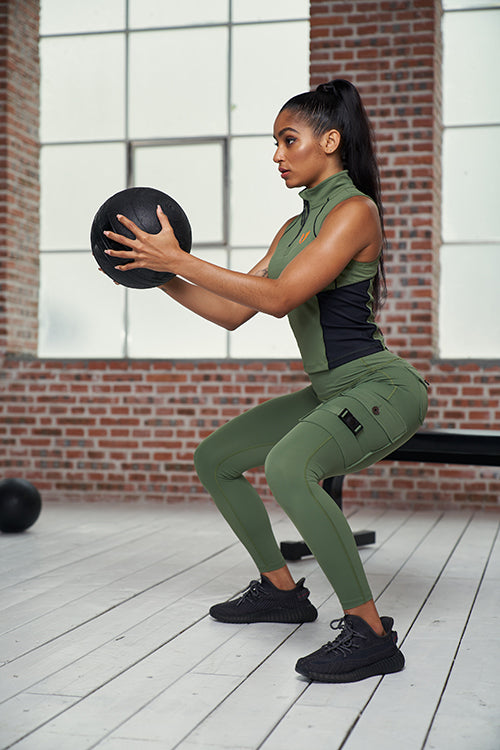
- Move around: Try stretching, squatting, and jumping. If anything feels too tight or loose, try another size.
- Check seams and tags: These should not scratch or dig into your skin.
- Pay attention to waistbands and cuffs: They should stay in place but not leave marks.
- Consider your workout: Running may need tighter shorts; weightlifting might need a looser top.
Remember, comfort is personal. What feels great to one person may not work for another.
Credit: www.firmabs.com
Body Shape And Personal Confidence
Many people worry about how they look in tight gym clothes. This is a common concern, especially for beginners. It is important to remember that every body is different, and there is no “perfect” shape for the gym.
Wearing tight clothes is not required to be a “real” gym-goer. Some people feel more confident in fitted clothes because they can see their muscles working. Others prefer loose clothing for modesty or comfort. Both choices are valid. The best gym clothes are the ones you feel good in.
The Role Of Body Positivity
The fitness industry often shows a narrow range of body shapes. This can make people feel pressured to wear styles that do not suit them. Choose clothes that make you feel empowered, not stressed. If you feel self-conscious, try mixing fitted and loose pieces—for example, a loose t-shirt with fitted leggings.
Fabric Matters: How Material Affects Fit And Performance
The type of fabric you choose affects both fit and comfort. Not all gym clothes are created equal. Look for these qualities:
- Stretch: Fabrics with elastane, spandex, or Lycra move with your body.
- Breathability: Materials like polyester and nylon wick sweat away.
- Durability: Double-stitched seams and reinforced panels last longer.
- Softness: Avoid scratchy or stiff materials that can irritate skin.
Some fabrics are designed to be tight and stretchy, while others are meant to hang loose. Always check the label and try clothes on before buying.
Different Workouts, Different Needs
Gym clothes are not “one size fits all. ” The best fit depends on your workout style.
| Activity | Recommended Fit | Why |
|---|---|---|
| Running | Tight or fitted | Reduces chafing, better sweat control |
| Yoga/Pilates | Tight, stretchy | Allows instructor to see form, moves with body |
| Weightlifting | Mix of tight and loose | Fitted bottoms for movement, loose tops for comfort |
| Boxing/Martial Arts | Loose | Freedom for kicks, punches |
| CrossFit/HIIT | Tight or fitted | Prevents snagging, allows quick movement |
| Dance/Zumba | Tight or loose | Personal style matters, need to move easily |
Common Mistakes When Choosing Gym Clothes
Many beginners make simple mistakes when picking gym clothes. Avoid these traps:
- Choosing style over function: Trendy clothes may look good, but if they ride up, slip, or don’t move with you, your workout will suffer.
- Ignoring fabric quality: Cheap, non-breathable fabrics can trap sweat and cause discomfort.
- Wearing clothes too tight: Hoping for better performance, some people wear extremely tight clothes. This can be dangerous and uncomfortable.
- Going too loose: Very baggy clothes can get caught in equipment or hide poor form, leading to injury.
- Not trying clothes on: Sizes are different across brands. Always try before you buy.
Two Insights Most People Miss
- Fit changes with sweat: Some fabrics shrink or become tighter as you sweat. Test your gym wear in a real workout before buying more.
- Purposeful layering: You can mix tight and loose pieces for the best of both worlds. For example, wear a fitted moisture-wicking base layer under a loose top.
Gender And Gym Clothes: Is There A Difference?
Men’s and women’s gym clothes are often designed differently. Women’s clothing may be more fitted, especially leggings and sports bras. Men’s clothes often have a looser cut, especially in t-shirts and shorts.
However, the rules are changing. Many brands now make unisex or gender-neutral gym wear. Choose what fits you best, not what is “supposed” to fit your gender.
Sports Bras And Support
For women, the sports bra is a key piece of gym wear. It should be snug but not suffocating. A good sports bra reduces movement, prevents pain, and protects delicate tissue. Always try on sports bras and test by jumping or running in place.
Safety: How Fit Affects Injury And Health
The fit of your gym clothes can affect your safety. Here’s how:
- Too tight: Can restrict movement, cause overheating, or block blood flow.
- Too loose: May get caught on equipment, increasing the risk of accidents.
- Wrong support: For example, a loose sports bra can cause breast pain, and loose shoes can lead to sprained ankles.
Always choose clothes that stay in place but allow full movement. If you have any health conditions, ask your doctor or trainer for advice.

Credit: www.nytimes.com
Style And Self-expression At The Gym
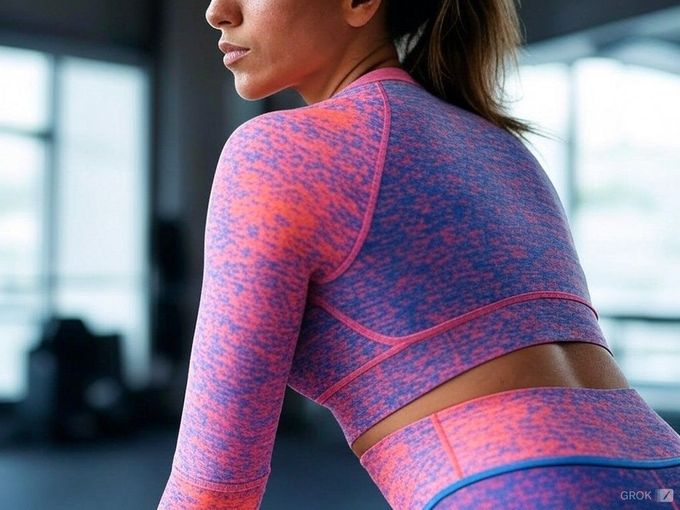
Gym wear is also a way to show your personal style. Today, there are endless options—bright colors, bold patterns, and sleek neutrals. Some people feel motivated by fun gym wear; others prefer simple, classic looks.
Remember, you don’t need to follow trends. The best gym outfit is one that makes you want to work out. If you feel good, you’ll likely perform better.
How To Find The Right Fit For You
Finding the best gym clothes takes a bit of trial and error. Here’s a simple approach:
- Identify your main workouts: Running, lifting, yoga, etc.
- Try different fits: Buy one fitted and one loose piece; see what feels best.
- Pay attention to how you move: Do you need more support or more freedom?
- Check for signs of poor fit: Red marks, itching, constant adjusting.
- Listen to your body: If you’re distracted by your clothes, they’re not right for you.
Do not be afraid to ask staff for help or to check reviews online. Fitness communities often share honest opinions about brands and fits.
Does Price Equal Quality In Gym Clothes?
Some people believe expensive gym clothes are always better. That’s not always true. While higher-priced brands may use better fabrics and construction, you can find quality options at many price points.
What matters most is fit, comfort, and durability. Try different brands and see what works for your body. Sometimes, a simple, well-made t-shirt beats a pricey, trendy top.
Caring For Your Gym Clothes
Gym clothes need special care to stay in good condition. Sweat, friction, and frequent washing can break down fabrics over time.
- Wash after each use: Sweat can damage fibers and cause odors.
- Avoid fabric softener: It can block sweat-wicking properties.
- Air dry: High heat can shrink or damage stretchy fabrics.
- Separate colors: Bright gym wear can bleed dye.
Caring for your gym clothes helps them last longer, saving you money and keeping you comfortable.
Gym Clothing And The Role Of Technology
Modern gym wear often uses technology to improve performance and comfort. You may see terms like moisture-wicking, anti-microbial, or temperature-regulating. Here’s what they mean:
- Moisture-wicking: Pulls sweat away from skin to keep you dry.
- Anti-microbial: Reduces bacteria growth and odor.
- Temperature control: Helps keep you cool or warm as needed.
These features are more common in fitted gym clothes, but some loose styles offer them as well. Always read labels to make sure you’re getting the benefits you want.
How Gym Clothes Impact Motivation And Routine
Believe it or not, what you wear can affect how often and how hard you work out. Research suggests that people who like their gym outfits are more likely to stick with exercise routines. This is sometimes called “enclothed cognition”—the idea that clothing affects mindset.
If tight clothes make you feel strong and ready, wear them. If loose clothes help you relax and focus, that’s your best choice. The real goal is to find clothes that help you show up, not just look good.
Credit: thegymdays.com
Real-world Examples And Athlete Choices
Professional athletes often choose tight gym wear for performance and support. For example, runners wear compression shorts to reduce muscle fatigue, and cyclists wear fitted jerseys for aerodynamics. But you’ll also see basketball players in loose shorts, and weightlifters in baggy sweats.
This shows there’s no single answer. The top performers choose what works for their sport and their body. You can do the same.
The Environmental Side Of Gym Clothes
One insight many people miss is the impact of gym wear on the environment. Fast fashion and synthetic fabrics can create waste and pollution. Some brands now offer recycled or eco-friendly gym clothes.
When possible, choose high-quality pieces that last longer, and look for brands using recycled materials. This not only helps the planet but also saves you money in the long run.
How To Shop For Gym Clothes: Step-by-step
Shopping for gym wear can feel overwhelming. Here’s a practical guide:
- List your main activities: Running, yoga, weightlifting, etc.
- Decide on fit for each: Tight for support, loose for comfort.
- Choose fabric: Look for stretch, breathability, and durability.
- Try before you buy: Move around in the dressing room.
- Check care instructions: Make sure you can wash and dry easily.
- Read reviews: See what others say about size and fit.
- Start small: Buy one or two pieces first. Test them in real workouts.
- Mix and match: Combine tight and loose items for your perfect outfit.
Looking For More Guidance?
If you want more details on gym clothing technology, professional advice, or fitness trends, check out resources like the Wikipedia page on activewear. You’ll find deep dives on materials, history, and the science behind sportswear.
Key Takeaways
- Gym clothes are not “supposed” to be tight for everyone.
- The best fit depends on your workout, body type, and comfort.
- Tight clothes can support muscles, but too tight can cause problems.
- Loose clothes offer comfort, but can sometimes get in the way.
- Try different styles and fabrics to find what works for you.
- Confidence and comfort matter as much as performance.
Your gym clothing is a tool. Use it to help you move better, feel good, and enjoy your workouts. There is no “one right way”—the best choice is the one that fits your needs and makes you excited to exercise.
Frequently Asked Questions
What’s The Best Way To Tell If Gym Clothes Are Too Tight?
If your gym clothes leave deep marks on your skin, limit your movement, or make it hard to breathe, they are probably too tight. You should be able to squat, stretch, and move your arms without discomfort or restriction. Good gym clothes fit like a “second skin”—snug but not squeezing.
Do Tight Gym Clothes Really Improve Workout Performance?
Tight gym wear, especially compression clothing, can offer small benefits like reduced muscle vibration and improved blood flow. However, the performance boost is usually minor. Most people benefit more from wearing clothes that feel comfortable and allow full movement, rather than aiming for maximum tightness.
Are There Health Risks To Wearing Tight Gym Clothes?
Yes, if gym clothes are too tight, they can cause problems like restricted breathing, poor circulation, skin irritation, or even yeast infections. Always choose gym wear that supports you without pinching or causing pain. If you notice numbness, tingling, or rashes, switch to a looser fit.
Should I Choose Tight Or Loose Gym Clothes For Weight Loss Workouts?
The choice depends on your personal comfort. Some people prefer tight clothes for support and to see their progress, while others like loose clothes for freedom and modesty. The most important thing is that your clothes allow you to move easily and feel confident during your workout.
How Should Gym Clothes Fit For Different Activities?
For running, yoga, and cycling, tighter clothes usually work best because they reduce chafing and move with your body. For activities like martial arts or dance, looser clothing may offer more freedom. It’s common to mix styles—fitted leggings with a loose top, for example.
Always match your clothing fit to your activity for the best experience.
