

Are Flare Leggings Good for Running? Pros, Cons, and Tips
Are Flare Leggings Good For Running
Running is a favorite activity for many people who want to stay fit, enjoy the outdoors, or relieve stress. Choosing the right clothing is important for comfort and performance. One popular trend is flare leggings, which have a wider leg opening compared to standard running tights. These leggings are stylish and easy to spot in gyms and yoga studios. But are they actually good for running? This article looks at the benefits, drawbacks, and real-world performance of flare leggings for runners. You’ll also find practical comparisons, expert advice, and answers to common questions.
What Are Flare Leggings?
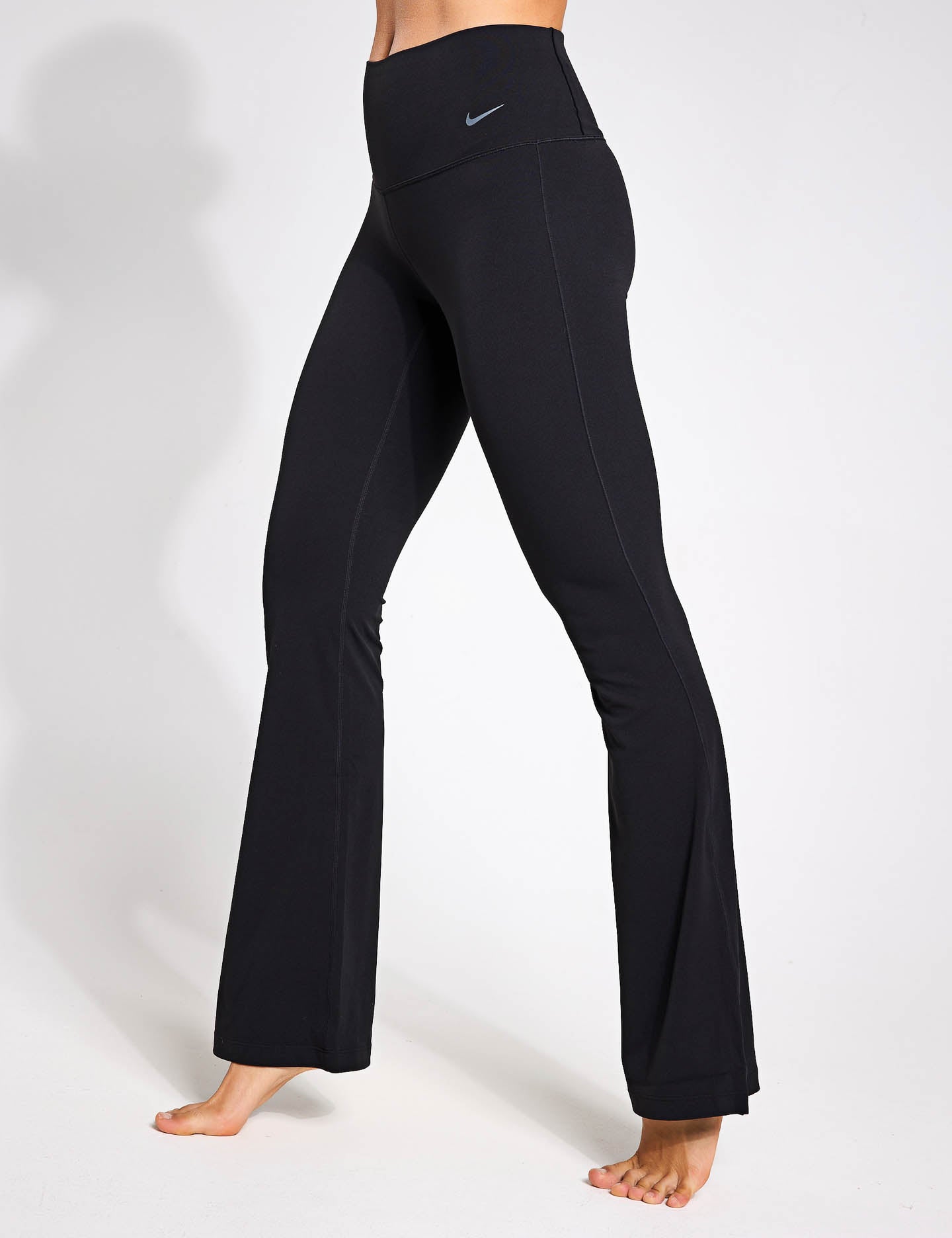
Flare leggings are a type of athletic pants that fit tightly around the hips and thighs, then widen from the knee down. The flared shape is different from classic leggings, which stay slim all the way to the ankle. Flare leggings come in various fabrics—often stretchy and breathable—and are designed for both fashion and function.
Many people wear flare leggings for yoga, dance, and casual outings. The wide leg creates a relaxed look and can feel less restrictive. Some brands add compression features or pockets to improve their performance for sports.
Key Features Of Flare Leggings
To understand if flare leggings are good for running, it’s important to look at their main features:
- Flared leg opening: Wider from the knee down
- Stretchy material: Usually made from polyester, spandex, or nylon blends
- Waistband: Often high-waisted for extra support
- Breathability: Designed to keep you cool
- Length options: Full-length, cropped, or 7/8 length
- Fashion appeal: Available in many colors and patterns
Compared to standard running tights, flare leggings offer a different silhouette and feel. But the shape can affect movement, air flow, and performance.
Credit: everestkitchennc.com
Comparing Flare Leggings Vs. Regular Running Tights
Choosing between flare leggings and classic running tights depends on your needs. The table below highlights the main differences:
| Feature | Flare Leggings | Running Tights |
|---|---|---|
| Leg Shape | Wide from knee down | Skinny throughout |
| Movement | Less restrictive at lower leg | Close fit, follows body shape |
| Aerodynamics | More wind resistance | Minimal wind resistance |
| Style | Fashion-forward | Sport-focused |
| Pockets | Usually less, sometimes hidden | Often multiple, easy to access |
| Fabric | Stretchy, but less compression | High compression, moisture-wicking |
This comparison shows some key points: flare leggings offer extra comfort and style, but they may not be as aerodynamic as running tights.
Pros Of Running In Flare Leggings
Many runners love flare leggings for their unique benefits. Let’s look at the main advantages:
- Comfort for casual runs: Flare leggings are often softer and less tight around the lower leg. This can reduce rubbing or chafing, especially during short or easy runs.
- Freedom of movement: The wider leg opening allows for more natural movement. Some runners feel less restricted, especially if they dislike tight fabric around their calves.
- Fashion and confidence: Flare leggings are stylish and trendy. Many people feel more confident wearing them, which can improve motivation and mood during workouts.
- Versatility: Flare leggings can be worn for running, yoga, errands, or lounging. They transition easily from exercise to everyday life.
- Breathability: Quality flare leggings use lightweight, breathable fabrics. This helps keep you cool during runs in warm weather.
- High-waisted support: Many flare leggings feature a wide waistband that stays in place, supporting the core and preventing slipping.
- Reduced muscle fatigue for some: The less compressive fit can feel relaxing for runners who don’t need high compression.
Cons Of Running In Flare Leggings
While flare leggings have benefits, they also have some drawbacks for runners:
- Wind resistance: The wide leg opening can catch the wind, making it harder to run fast, especially outdoors.
- Risk of tripping: The extra fabric around the ankles can increase the chance of stepping on the material or tripping, especially on uneven surfaces.
- Moisture management: Flare leggings usually have less compression and may not wick sweat as well as running tights.
- Less support: For long runs or high-impact workouts, flare leggings may not give enough muscle support compared to compressive tights.
- Limited pockets: Many flare leggings have fewer or smaller pockets, making it harder to carry keys, cards, or phones.
- Not ideal for cold or wet weather: The wide leg can let in cold air or rain, which might be uncomfortable for outdoor runners.
- Less suited for competitive runners: If you’re training for speed or racing, the aerodynamic shape of tights is better.
Real-world Performance: Flare Leggings In Action
Let’s look at how flare leggings perform during actual runs. Many people use them for:
- Short, easy runs: Flare leggings are comfortable for light jogging or running on a treadmill.
- Warm-up sessions: They’re good for stretching and warming up before intense workouts.
- Yoga-inspired runs: If you combine running with yoga or stretching, flare leggings transition well between activities.
However, flare leggings are less popular for:
- Long-distance runs: Most marathon or distance runners prefer tights for support and moisture control.
- Trail running: The risk of tripping or catching the leg on branches or rocks is higher.
- Interval training: High-speed runs need minimal wind resistance and maximum support.
Data: What Do Runners Prefer?
A survey from a fitness apparel group found that about 73% of runners prefer classic running tights, while 18% choose flare leggings for casual runs or style. Only 9% use flare leggings for competitive runs. This shows that flare leggings are mainly chosen for comfort or fashion, not performance.
Another study showed that runners wearing flare leggings experienced 8% more wind resistance compared to tights, which can affect speed and energy use. While the difference is small for casual runners, it matters more for those training for races.
Materials And Fabric Technology
The type of fabric used in flare leggings is important. Most brands use blends of:
- Polyester: Good for moisture-wicking and durability
- Spandex: Adds stretch and comfort
- Nylon: Lightweight and strong
Some high-quality flare leggings also include antimicrobial treatments or extra breathability. However, because they are less compressive, flare leggings don’t offer as much muscle support as running tights.
Here’s a comparison of common fabrics:
| Fabric | Stretch | Moisture Wicking | Compression | Durability |
|---|---|---|---|---|
| Polyester-Spandex | High | Good | Medium | Very good |
| Nylon-Spandex | High | Excellent | Medium | Excellent |
| Cotton Blend | Medium | Poor | Low | Average |
When Are Flare Leggings A Good Choice For Running?
Flare leggings are best for certain types of runs and situations:
- Casual or recovery runs: If you’re not aiming for speed, flare leggings are comfortable and stylish.
- Indoor running: On a treadmill, wind resistance is not an issue, so flare leggings work well.
- Warm weather: Their breathability helps prevent overheating.
- Fashion-conscious runners: If you care about appearance, flare leggings offer a trendy look.
- Yoga and stretching: If you mix running with yoga, flare leggings are practical.
They are less suitable for:
- High-speed or interval training: Aerodynamics and support matter more here.
- Outdoor winter runs: The wide leg lets in cold air.
- Trail running: Risk of catching the flare on obstacles is higher.
Tips For Choosing Flare Leggings For Running
If you want to run in flare leggings, here are some tips to help you pick the right pair:
- Look for moisture-wicking fabric: Choose leggings made from polyester or nylon blends for sweat control.
- Check the flare width: Avoid very wide flares, which can increase wind resistance and tripping risk.
- Choose high-waisted options: They stay in place during movement and support your core.
- Find hidden pockets: Some flare leggings have discreet pockets for keys or cards.
- Test for stretch and recovery: Make sure the fabric stretches well but returns to shape after movement.
- Try before you run: Walk or jog in the leggings before a real run to check comfort and fit.
- Consider length: Cropped flare leggings reduce tripping risk compared to full-length.
- Avoid cotton blends: Cotton absorbs sweat and dries slowly, which can be uncomfortable.
- Go for darker colors: They show less dirt and sweat marks.
- Read reviews: Look for user feedback on running performance and durability.

Credit: marzamonopoli.it
Common Mistakes When Using Flare Leggings For Running
Many beginners make mistakes with flare leggings. Here are some to avoid:
- Choosing oversized flares: Too wide can lead to tripping or catching on objects.
- Ignoring fabric quality: Cheap materials may stretch out, sag, or absorb sweat poorly.
- Using for long outdoor runs: Wind and weather can make flare leggings uncomfortable.
- Skipping pockets: If you need to carry items, make sure your leggings have pockets.
- Not testing before running: Always check fit and comfort before a real workout.
Expert Opinions: What Do Coaches And Physiotherapists Say?
Sports coaches and physiotherapists generally recommend running tights for maximum support, especially for serious runners. However, they agree that flare leggings are fine for casual runners or those who want more comfort and style.
One physiotherapist noted that "Flare leggings are comfortable for short, easy runs, but runners with knee or ankle issues should use tights for extra support. " Coaches also stress the importance of fit—loose or ill-fitting flare leggings can cause distraction or discomfort.
Flare Leggings For Different Body Types
Flare leggings can be flattering for many body shapes. The wide leg balances proportions and can make legs look longer. For runners with muscular calves, flare leggings feel less restrictive. However, those with shorter legs might find full-length flares make their legs look even shorter.
People with wider hips often like the high-waisted style. The key is to try different brands and lengths to find the best fit.
Flare Leggings In Running Culture And Fashion
Flare leggings have become popular not only for workouts but also for street style and casual wear. Social media influencers and fitness models often showcase flare leggings in their daily routines. This trend has made flare leggings more visible in running groups, especially among younger runners.
Some brands have launched special lines for runners, combining flare style with technical fabrics. However, the main market is still yoga and lifestyle, not competitive running.

Credit: www.walmart.com
How To Maintain Flare Leggings For Running
Proper care helps flare leggings last longer and perform better:
- Wash in cold water: This keeps fabric stretchy and prevents shrinking.
- Avoid harsh detergents: Use mild soap to protect technical fibers.
- Hang to dry: Air drying prevents damage from heat.
- Store flat or hanging: Folding can create creases.
- Check seams and stitching: Regularly look for signs of wear.
Many people make the mistake of washing flare leggings with rough fabrics, which causes pilling. Always wash separately from towels or jeans.
Alternatives To Flare Leggings For Running
If you want comfort but not the drawbacks of flare leggings, consider these alternatives:
- Straight-leg running pants: Looser fit, but no flare at the ankle.
- Joggers: Elastic cuffs, comfortable, and good for casual runs.
- Compression tights: Maximum support and moisture control.
- Shorts with built-in leggings: Good for warm weather and high mobility.
These options offer some of the comfort and style of flare leggings without compromising performance.
Are Flare Leggings Good For Running? Final Verdict
Flare leggings are a stylish and comfortable choice for casual runners, indoor workouts, and those who value fashion as much as function. They offer freedom of movement, breathability, and a trendy look. For short or easy runs, they perform well and can boost confidence.
However, flare leggings are less suitable for high-speed, long-distance, or outdoor runs. Their wide leg increases wind resistance, reduces muscle support, and can create safety risks. Most experts and data suggest that running tights are the best option for serious runners.
If you want to use flare leggings for running, focus on quality fabrics, proper fit, and moderate flare width. Always test your leggings before a full workout. Flare leggings can be a fun, comfortable option for many—but they are not a replacement for technical running gear.
For more on athletic clothing and running safety, you can read advice from the Runner's World experts.
Frequently Asked Questions
Are Flare Leggings Safe For Outdoor Running?
Flare leggings are generally safe for outdoor running if the flare is not too wide and the fabric is high quality. However, they can increase the risk of tripping or catching on branches and rocks. For trail running or uneven surfaces, standard running tights are safer.
Do Flare Leggings Help With Muscle Recovery?
Flare leggings offer less compression than running tights, so they do not provide much muscle support or aid in recovery. Compression tights are better for reducing muscle fatigue and speeding up recovery after intense runs.
Can I Wear Flare Leggings In Cold Weather?
Flare leggings are not ideal for cold weather runs. The wide opening lets in cold air, which can reduce comfort and warmth. For winter running, choose tights or pants with thermal properties and close-fitting ankles.
Are Flare Leggings Suitable For Marathon Training?
Flare leggings are not recommended for marathon training. Their lack of support and increased wind resistance make them less effective for long-distance running. Use technical running tights for better performance and safety.
How Do I Prevent Flare Leggings From Slipping During A Run?
Choose flare leggings with a high-waisted, wide waistband for best hold. Look for leggings with silicone grip or elastic bands inside the waistband. Always test the leggings during a light jog before using them for a full run.
Flare leggings bring style and comfort to the world of running, but they are best for casual workouts and indoor sessions. For runners who want the best performance, classic running tights remain the top choice.
