

Are Flare Leggings Good for Running? Pros, Cons, and Tips
Are Flare Leggings Good For Running
The world of athletic wear is always changing, with new styles and trends capturing attention. Among these, flare leggings have made a strong comeback. They're seen everywhere—from fashion influencers’ social media to yoga studios. But as more people add them to their wardrobe, an important question arises: are flare leggings actually good for running?
Some say they offer comfort and unique style. Others worry about practicality when it comes to high-impact activities like running. Choosing the right leggings can make a big difference in your performance, safety, and how you feel during exercise. This article looks at flare leggings from all angles—function, comfort, safety, and style—to help you decide if they’re the right choice for your next run.
What Are Flare Leggings?
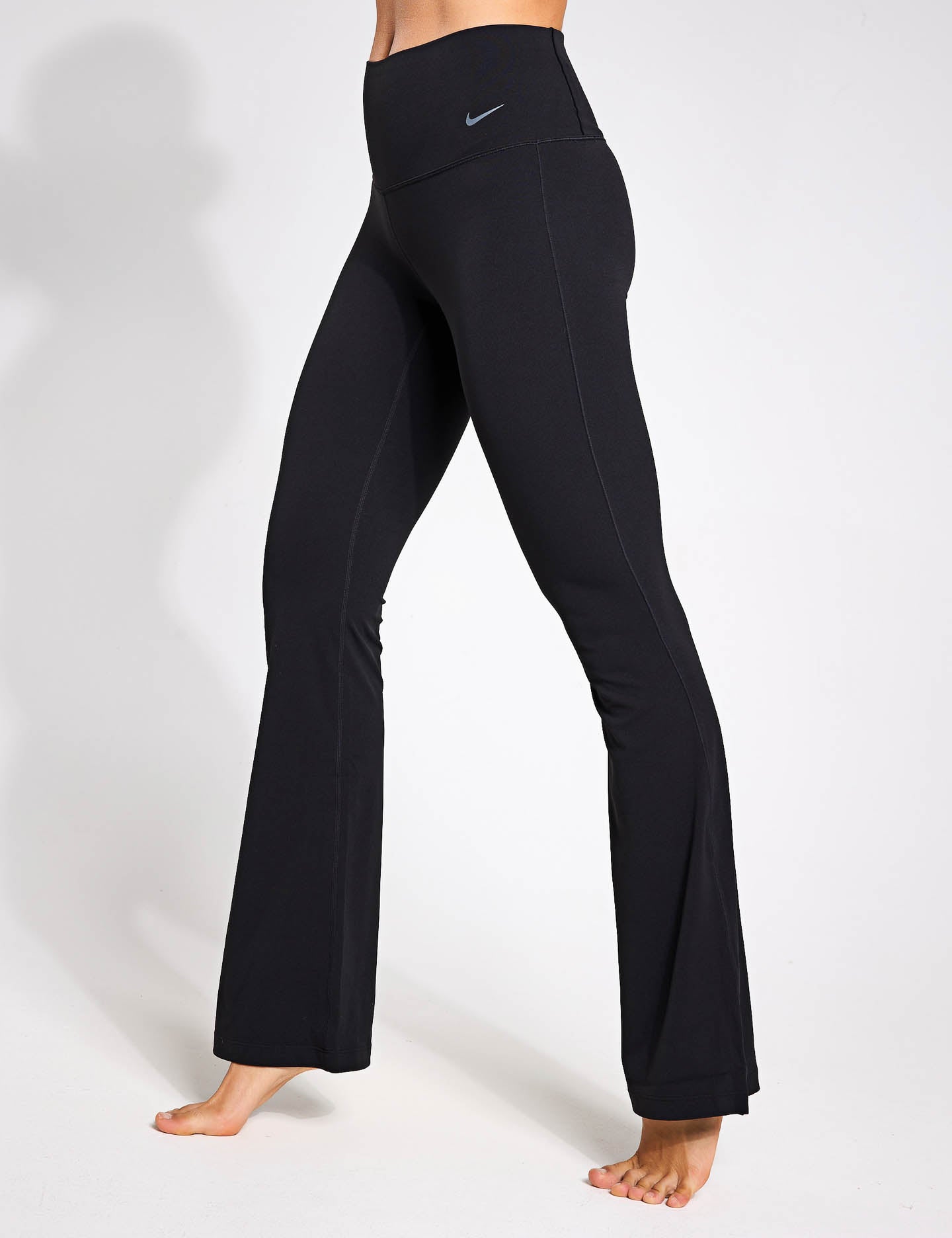
Flare leggings, sometimes called yoga flare pants or bell-bottom leggings, are athletic pants fitted through the thighs with a wider opening from the knee down. Unlike traditional running tights or straight-leg leggings, flare leggings give a "flared" look at the bottom. This style first became popular in the fashion world, but sportswear brands have adapted them for active use.
Most flare leggings are made from stretchy materials such as polyester, nylon, or spandex blends. This makes them flexible and comfortable. Their unique shape is often chosen for style or for activities like yoga, Pilates, and casual wear. But as the athleisure trend grows, more people are wearing flare leggings for various workouts—including running.
The Needs Of Runners: What Matters Most
Before judging if flare leggings are good for running, it’s important to understand what runners need from their gear. Here’s what matters most:
1. Fit And Support
Running requires leggings that fit closely to the body, support muscles, and reduce friction. Loose fabric can cause chafing or slow you down.
2. Breathability And Moisture Management
Sweat-wicking fabrics keep you dry and comfortable. Breathable materials help prevent overheating, especially on long runs.
3. Freedom Of Movement
Good leggings allow for a full range of motion—stretching, striding, sprinting—without restriction.
4. Safety And Visibility
For outdoor runners, reflective details or bright colors are important for safety, especially in low-light conditions.
5. Durability
Running puts a lot of stress on clothing. Durable seams and quality fabrics prevent early wear and tear.
6. Practical Features
Pockets, drawstrings, and waistbands that stay up during movement are useful for carrying essentials and ensuring comfort.
With these needs in mind, we can better analyze how flare leggings measure up.
Credit: everestkitchennc.com
Flare Leggings: Pros And Cons For Runners
Every style of athletic wear has strengths and weaknesses. Here’s a detailed look at the potential advantages and drawbacks of wearing flare leggings for running.
Advantages
1. Style And Confidence
Flare leggings stand out from the crowd. Many runners love feeling stylish as they exercise. The flared design can boost confidence, helping you enjoy your run more.
2. Comfort For Some Body Types
For people with larger calves or ankles, flare leggings can feel less restrictive than tight-fitting running tights. The extra room at the bottom can be more comfortable during light jogs or walks.
3. Versatility
Flare leggings transition easily from running to casual wear. You can go from the gym to errands without changing clothes. This makes them a favorite for those who want athleisure style.
4. Air Flow
The wider lower leg can provide extra airflow, which may keep your legs cooler on warm days—though this is debated.
Disadvantages
1. Risk Of Tripping
The flared hem can catch on shoes, brush against the opposite leg, or get tangled with objects. This raises the risk of tripping, especially at faster speeds or on uneven ground.
2. Extra Drag
The loose lower part can flap or catch wind, creating slight resistance. While usually minor, it can be distracting or slow you down—especially in windy weather.
3. Potential For Chafing
Movement of the flared fabric can cause friction, especially if it rubs against your ankles or calves. Over long distances, this may lead to discomfort.
4. Less Specialized Design
Most flare leggings are designed for low-impact workouts or casual wear. They may lack features like compression, reinforced seams, or sweat-wicking tech found in specialized running tights.
5. Visibility And Safety
Wide hems can cover reflective details on shoes or socks, making you less visible in low light. Few flare leggings include built-in reflective strips.
6. Fit Issues
The flared leg means the bottom may drag on the ground if the leggings are too long, leading to dirty or damaged hems.
Comparing Flare Leggings And Running Tights
To understand if flare leggings are suitable for running, it helps to compare them to traditional running tights. Here is a clear side-by-side look:
| Feature | Flare Leggings | Running Tights |
|---|---|---|
| Fit | Fitted at thigh, loose below knee | Snug from waist to ankle |
| Freedom of Movement | Good, but loose hems may flap | Excellent, no loose fabric |
| Chafing Risk | Higher at hem/ankle | Low, due to close fit |
| Moisture Management | Varies by brand | Usually high-tech, sweat-wicking |
| Safety | May hide reflective details | Often includes reflectivity |
| Style | Trendy, unique | Classic athletic look |
| Practical Features | Few pockets, features vary | Often has pockets, drawstring |
| Durability | Hems may wear out faster | Designed for high impact use |
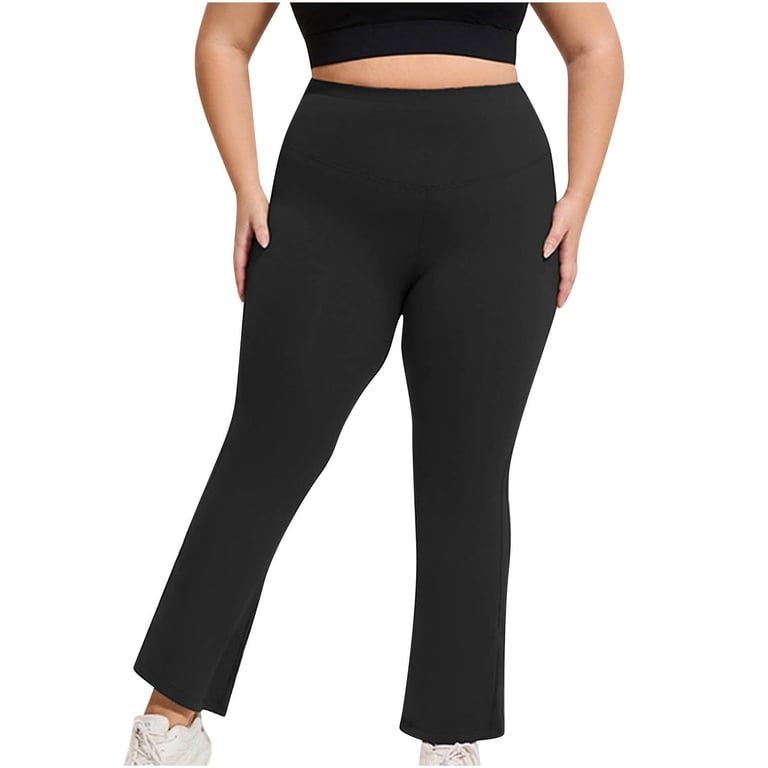
This comparison shows flare leggings are not designed with running as the main activity. They may be fine for short, casual runs, but for serious running, traditional tights have clear advantages.
Credit: www.walmart.com
When Flare Leggings Might Work For Running
Flare leggings are not always the best choice for running, but they can work in certain situations:
1. Short, Slow Runs
For a relaxed jog in the park, flare leggings can be comfortable and stylish. There’s less risk of tripping at low speeds, and the soft fit can feel nice.
2. Treadmill Workouts
When running indoors, there are no obstacles or wind. Flare leggings are less likely to cause problems on a treadmill.
3. Cool Weather Walks Or Jogging
On cool days, the extra fabric can help keep your lower legs warm during a walk or light jog.
4. Yoga, Stretching, Or Warm-ups
If you mix running with yoga or stretching, flare leggings let you move freely. You can use them for warm-ups and cool-downs before or after your main run.
5. Athleisure And Errands
If you want to combine exercise with errands or social time, flare leggings let you do it in style.
When Flare Leggings Are Not Recommended
There are situations where flare leggings are a poor choice for running:
1. Trail Running
The loose hem can catch on roots, rocks, or brush, making falls more likely. For safety, avoid flare leggings on trails.
2. Speed Work Or Races
For sprints, interval training, or races, you need clothing that stays close to your body. Flare leggings create drag and risk distraction.
3. Wet Or Muddy Conditions
The bottom of flare leggings can soak up water, mud, or snow. This adds weight and discomfort.
4. Long Distance Runs
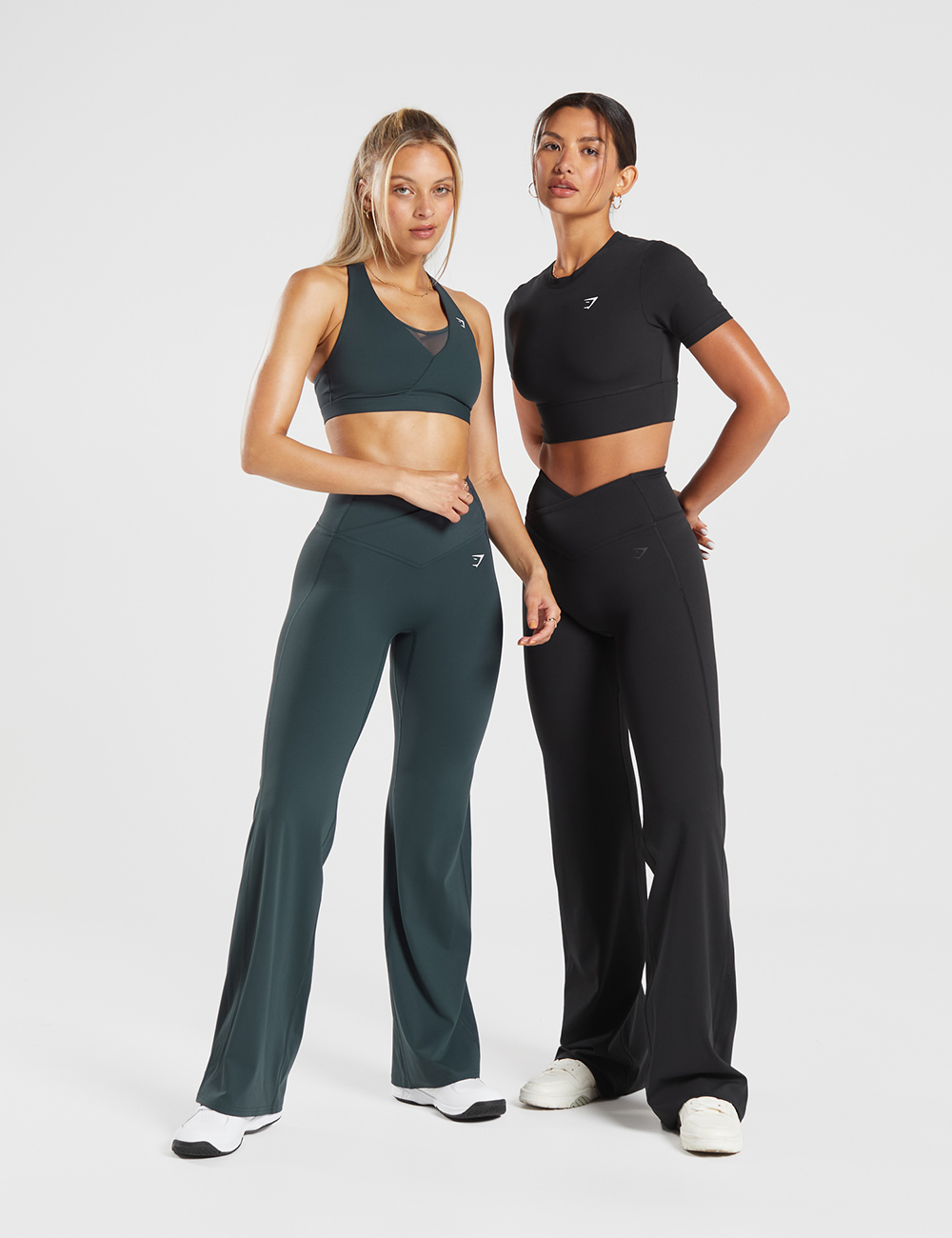
Over time, any irritation or extra movement becomes more noticeable. For long runs, stick to specialized running tights or shorts.
Credit: row.gymshark.com
Fabric And Material: What Matters Most
Not all flare leggings are made the same. The choice of fabric is crucial for comfort and performance. When considering flare leggings for running, look for these features:
1. Moisture-wicking
Choose materials that pull sweat away from your skin. Polyester or nylon blends are better than cotton, which holds moisture.
2. Stretch
Look for at least 10-20% spandex or elastane. This lets the leggings move with you and return to shape after stretching.
3. Durability
High-quality leggings have strong seams and dense fabric. Thin or cheap fabric may wear out quickly, especially at the hem.
4. Breathability
Mesh panels or lightweight materials help keep you cool during exercise.
5. Odor Resistance
Some leggings add antimicrobial treatments to prevent odors. This is helpful for runners.
6. Opaque Fabric
Make sure your flare leggings are not see-through, especially when stretched during movement.
Fit And Sizing: Avoiding Common Pitfalls
Fit is critical in both style and safety. Flare leggings often run long, and the flare can drag or catch if they are too big. Here’s how to get the best fit:
- Check the inseam. Make sure the leggings don’t touch the ground when you stand.
- Test movement. Try squats, lunges, and a few running strides to see if the hem catches or twists.
- Consider rise and waistband. High-waisted designs stay up better during movement.
- Look for adjustable waists. Drawstrings or strong elastic keep leggings in place.
An important insight: many beginners choose flare leggings based on fashion, not function. Always prioritize fit and comfort over looks if you plan to run.
Safety Considerations For Runners
Safety is sometimes overlooked when choosing leggings. Flare leggings pose unique risks:
1. Visibility
If you run at dawn, dusk, or night, choose leggings with reflective details. Flared hems can hide shoe reflectors.
2. Obstacles
On outdoor routes, be aware of curbs, roots, or uneven pavement. The flare can catch and increase your chance of falling.
3. Weather
Flare leggings can collect water, mud, or snow at the hem in bad weather. Wet fabric can cause blisters or add weight.
4. Heat
On hot days, extra fabric can trap warmth. Look for lightweight, breathable options.
5. Distractions
Some runners find the movement of the flare distracting. If you are easily bothered by loose fabric, stick to traditional tights.
A non-obvious tip: if you must run in flare leggings, tuck the hem into your socks for more security on tricky terrain.
Style Vs. Performance: Making The Choice
There’s no doubt that flare leggings have become a fashion favorite. Brands market them for both the gym and street. But when it comes to running, performance often matters more than style.
If you value performance, look for:
- Snug fit from waist to ankle
- Moisture-wicking, breathable fabric
- Features like pockets and reflective details
If style is your main concern and you only do light activity, flare leggings can be a fun choice. For serious runners, traditional running tights or shorts almost always win.
Real Runner Experiences And Feedback
To understand how flare leggings perform in real life, it’s helpful to read what runners say. Here are some common themes from running communities:
- Some love the comfort, especially for short, easy runs or walks. They enjoy looking stylish and appreciate the relaxed fit.
- Many dislike the distraction of loose hems while running. The movement of extra fabric annoys some runners, especially over longer distances.
- Several report tripping incidents, mostly when running outdoors or on trails. Even experienced runners have caught their shoes on the flare.
- Few use them for races or speed work. Most switch to traditional tights for harder efforts or competitions.
- Positive reviews focus on versatility. Flare leggings are a hit for mixed workouts, yoga, or days when running is not the main goal.
This feedback shows that flare leggings are best for casual, low-risk runs—not for performance-focused runners.
Flare Leggings For Running: Expert Opinions
Sportswear and fitness experts generally agree: while flare leggings are stylish, they are not designed for serious running. Here’s a summary of their advice:
- Choose running-specific gear for best results. Specialized tights or shorts reduce chafing, improve aerodynamics, and last longer.
- Use flare leggings for light activity or as part of your athleisure wardrobe.
- Prioritize fit and function if you do run in flare leggings. Avoid anything too long or loose.
For more about running gear, the Runner's World team has detailed guides on choosing leggings for different activities.
Tips For Runners Who Want To Try Flare Leggings
If you still want to run in flare leggings, keep these tips in mind to stay comfortable and safe:
1. Choose High-quality Brands
Not all flare leggings are made for exercise. Look for brands that use sweat-wicking, stretchy materials and reinforce seams.
2. Get The Right Length
The hem should not touch the ground, even in running shoes. Some brands offer "petite" or "tall" sizes for a better fit.
3. Try Before You Buy
Move around in the store or at home. Do a few running strides to check for snags or discomfort.
4. Avoid Trails And Wet Weather
Stick to smooth, dry surfaces. Avoid muddy paths, where fabric can get dirty or wet.
5. Pair With Visible Shoes Or Socks
Use bright, reflective running shoes or socks to boost safety if running in low light.
6. Wash Carefully
The flared hem can fray in the wash. Turn leggings inside out and avoid high heat drying.
7. Listen To Your Body
If you feel chafing, overheating, or distraction, switch to more fitted leggings for your next run.
A surprising insight: some runners have better results with "bootcut" leggings—these are less flared than full bell-bottom styles and can be a safer compromise.
Alternatives To Flare Leggings For Runners
If you want a stylish look but need practical running gear, consider these alternatives:
1. Bootcut Running Tights
These have a slight flare but are less wide than classic flare leggings. They offer more movement without the risk of tripping.
2. Slim-straight Leggings
A straight leg from knee to ankle gives a looser look without extra fabric flapping around.
3. Capri Or 7/8 Leggings
These end above the ankle, so there’s no flare to catch on shoes or obstacles.
4. Track Pants With Tapered Ankles
These offer a looser fit but have elastic or zips at the ankle for safety and comfort.
5. Joggers
Modern joggers have a relaxed fit and a cuffed ankle, mixing style with function.
Here’s a comparison of three common styles:
| Style | Main Benefit | Main Drawback |
|---|---|---|
| Flare Leggings | Trendy, unique look | Risk of tripping, less performance-focused |
| Bootcut Tights | Balanced style and safety | Less trendy than full flare |
| Tapered Joggers | Comfort, no risk of loose hem | May be too casual for races |
Choosing a safer alternative can help you enjoy both style and performance.
Cost And Value: Are Flare Leggings Worth It For Runners?
Flare leggings range widely in price. High-end brands may cost as much as top running tights, while fast fashion options are cheaper. When evaluating value, consider:
- Durability
Will the fabric and hem last after multiple runs and washes?
- Performance
Do they meet your running needs, or are they just for style?
- Versatility
Can You Use Them For Other Workouts Or Daily Wear?
- Comfort
Do They Fit Well And Stay In Place During Movement?
A non-obvious point: cheaper flare leggings often lose their shape or stretch out at the knee, increasing the risk of tripping over time.
Environmental Impact: Sustainability In Athletic Wear
More runners are thinking about the environmental impact of their clothing. Many flare leggings are made from synthetic fibers, which can contribute to microplastic pollution. If sustainability matters to you:
- Look for brands using recycled polyester or eco-friendly dyes.
- Wash leggings in cold water and use a laundry bag to catch fibers.
- Choose quality over quantity. One pair of well-made leggings is better than several cheap ones.
Some brands now offer take-back programs to recycle old leggings. This helps reduce waste in athletic wear.
Summary: Should You Run In Flare Leggings?
Flare leggings are stylish, comfortable for some, and great for low-impact activities. But for most runners, they are not the best choice for serious running. The risk of tripping, extra drag, and lack of technical features make them less practical than traditional running tights.
For short, casual runs or indoor workouts, flare leggings may be fine. But for distance, speed, or safety, stick with gear made for running. If you love the look, wear them for walks, yoga, or rest days.
Choosing the right leggings depends on your goals. Prioritize safety and comfort over trends for the best running experience.
Frequently Asked Questions
Are Flare Leggings Safe For Running Outdoors?
Flare leggings can be risky for outdoor running because the loose hem may catch on obstacles, leading to trips or falls. They are safer on smooth, indoor surfaces.
Do Flare Leggings Offer Enough Support For Runners?
Most flare leggings do not have the compression or muscle support found in running tights. They may feel comfortable, but do not reduce muscle fatigue or improve performance.
Can I Wear Flare Leggings For A Race Or Marathon?
It is not recommended. The risk of distraction, drag, and tripping is higher. Traditional running tights or shorts are a better choice for races or long runs.
How Do I Choose The Right Size Flare Leggings For Running?
Check the inseam to avoid fabric touching the ground, choose a secure waistband, and make sure the leggings stay in place during movement. Try moving in them before buying.
What Is The Best Alternative To Flare Leggings For Stylish Runners?
Bootcut running tights or tapered joggers offer a stylish look with less risk. They balance comfort, safety, and performance for runners who want both function and fashion.
