

Are Flare Leggings Good for Ice Skating? Pros, Cons & Tips
Are Flare Leggings Good For Ice Skating
If you love ice skating, you know that choosing the right clothing is essential. Skaters need to feel comfortable, stay warm, and move freely on the ice. One trend that has gained attention in recent years is flare leggings. These pants, with a snug fit at the hips and a wider bottom, are popular in casual and athletic fashion. But are flare leggings actually good for ice skating? Skaters of all levels—beginners, hobbyists, and even some competitors—are asking this question. The answer isn’t as simple as “yes” or “no.” It depends on factors like fabric, fit, safety, and personal style. Let’s explore everything you need to know before wearing flare leggings to the rink.
Understanding Flare Leggings
Before deciding if they’re suitable for ice skating, it’s important to know what flare leggings are. Unlike traditional leggings that are tight all the way down, flare leggings are fitted through the thigh and then widen from the knee to the ankle. The result is a silhouette that flares out at the bottom, sometimes called “bootcut.”
Flare leggings are made from various materials, including cotton blends, spandex, nylon, and polyester. Some are designed for workouts, while others are more for fashion. The waistband is usually stretchy and sits at the mid or high waist, giving support and comfort. Many brands add features like hidden pockets, moisture-wicking fabric, and reinforced seams.
Why Flare Leggings Became Popular
The popularity of flare leggings comes from their blend of style and comfort. They are often seen as a throwback to past decades, but with modern fabric technology. Their relaxed shape at the bottom allows more airflow and doesn’t cling to the ankle, which some people find more flattering and comfortable than skinny leggings.
What Ice Skaters Need From Their Clothes
Ice skating is unique. The rink is cold, but the body warms up quickly during movement. Skaters need to balance warmth, flexibility, and safety. The right clothing can help a skater perform spins, jumps, and glides without distraction.
Key Clothing Requirements For Skating
- Stretch and Freedom of Movement: Skaters must bend, twist, and stretch. Clothes should allow full range of motion.
- Warmth: Rinks are chilly, and layers help prevent muscle injuries from the cold.
- Safety: Clothing should not create tripping hazards or get caught in skate blades.
- Durability: Skating can be tough on clothes, especially during falls.
- Style and Confidence: Looking good boosts confidence, especially for young skaters.
Some skaters wear classic skating tights or leggings. Others experiment with track pants, athletic wear, or even dance apparel. But every choice needs to check these boxes.
Benefits Of Flare Leggings For Ice Skating
Flare leggings have some clear advantages when used for ice skating. Here’s how they can help skaters:
1. Comfortable Fit And Stretch
Most flare leggings are made from stretchy, blended fabrics. This allows skaters to move without restriction. Whether you’re practicing spins, lunges, or simple forward glides, the stretchiness means no tugging or pulling at the knees and hips.
2. Warmth And Layering
The thicker fabric of many flare leggings provides decent insulation. On very cold days, you can wear a thin thermal layer underneath. The wider bottom lets you pull the leggings over thin skate socks, keeping your lower legs warmer.
3. Stylish Appearance
Flare leggings offer a modern, flattering look. The silhouette elongates the legs, and the style stands out from the usual skating attire. For skaters who want to express personality or stand out in group classes, this is a big plus.
4. Versatility On And Off The Rink
Many skaters enjoy clothing that transitions easily from the rink to daily life. Flare leggings can be worn to the rink, during practice, and then out for errands. This makes them convenient for busy schedules.
5. Coverage For Different Body Types
Because flare leggings are less tight around the calves and ankles, they can feel more comfortable for people who don’t like the “second-skin” feeling of classic leggings. The extra fabric at the bottom can also cover the skate boot, creating a sleek line.
Concerns And Drawbacks Of Flare Leggings For Skating
Despite the benefits, flare leggings have potential disadvantages for ice skaters. It’s important to understand these before deciding to wear them on the ice.
1. Safety And Tripping Risk
The biggest concern is excess fabric around the ankle. If the flare is too wide or long, it can catch on the skate blade or drag on the ice. This increases the risk of tripping, especially for beginners who are still learning balance and edge control.
2. Moisture Absorption
Some flare leggings are made from fabrics that absorb moisture instead of wicking it away. After a fall, the material can soak up melted ice, making the skater feel cold and wet. Wet fabric also loses stretch and can cause chafing.
3. Durability Issues
Ice skating can be rough on clothes. Repeated falls, contact with the ice, or scraping against the boards can cause thin or low-quality leggings to wear out quickly. Not all flare leggings are made to withstand this.
4. Less Aerodynamic
For advanced skaters, tight-fitting clothes can reduce air resistance during jumps and spins. The loose flare at the bottom may flap or move unexpectedly, which can be distracting or make certain movements harder.
5. Not Always Rink-approved
Some skating rinks or coaches have dress codes. They may not allow pants that are too loose at the bottom, for safety reasons. Always check the rules before wearing flare leggings to a new rink or class.

Credit: www.icefireskatewear.com
Comparing Flare Leggings To Other Skating Pants
To understand if flare leggings are a good choice, it helps to compare them with other popular skating pants. Here’s a look at how they stack up.
| Type of Pants | Warmth | Mobility | Safety | Style |
|---|---|---|---|---|
| Flare Leggings | Medium | High | Medium-Low | Trendy |
| Classic Leggings | Medium | High | High | Sporty |
| Skating Tights | Low-Medium | Very High | High | Traditional |
| Track Pants | High | Medium | Medium | Casual |
As the comparison shows, flare leggings offer good mobility and style, but may not always be the safest option, especially for new skaters.
Choosing The Best Flare Leggings For Ice Skating
If you decide to try flare leggings on the ice, the type you choose matters. Not every pair is suitable. Here are key features to look for:
Fabric And Material
- Moisture-wicking: Look for leggings labeled as moisture-wicking or quick-dry. They will keep you comfortable and dry.
- Four-way stretch: This ensures the fabric moves with your body in every direction.
- Durable blends: Nylon-spandex or polyester-spandex blends last longer and hold their shape better than cotton blends.
Fit And Length
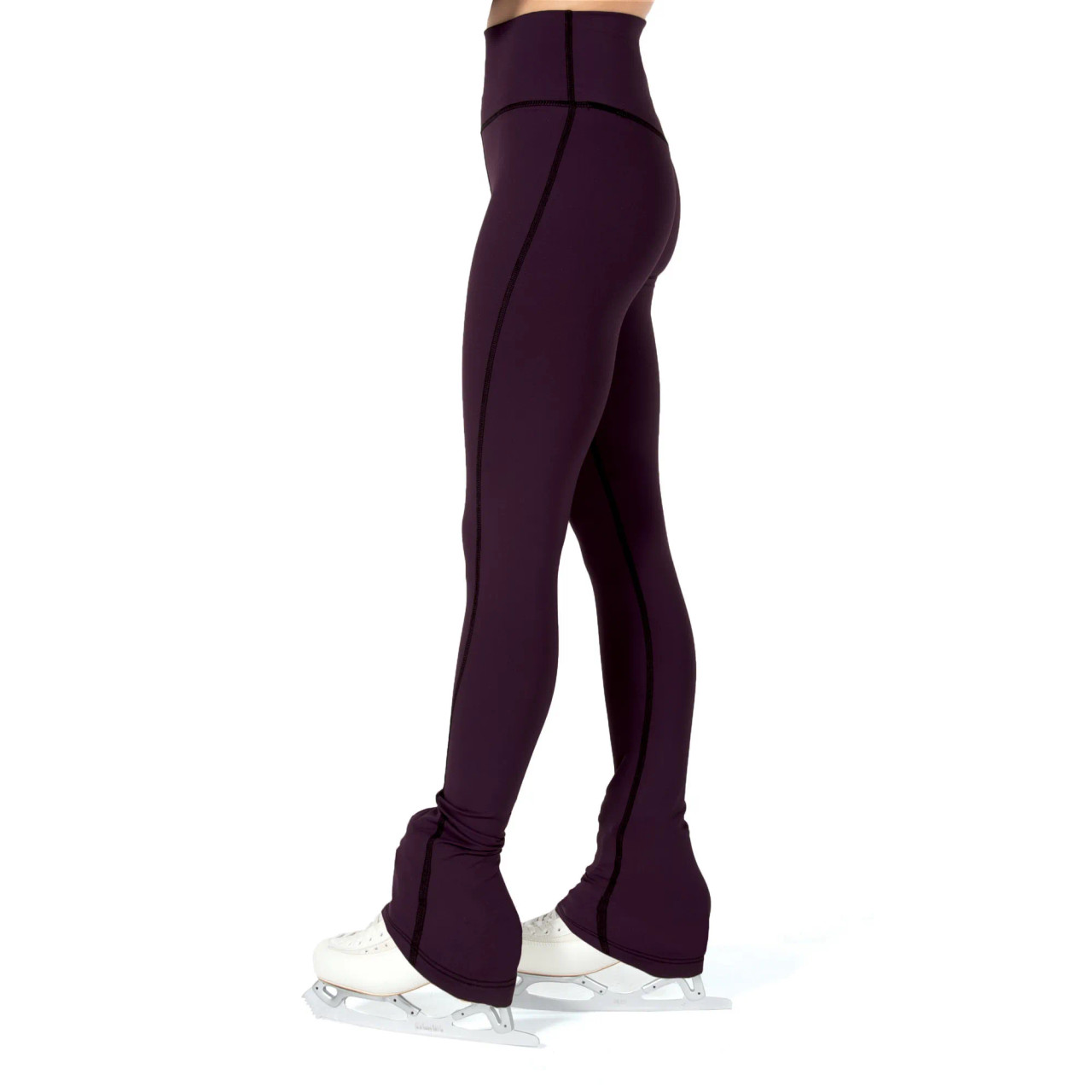
- Not too long: The flare should stop just above the skate boot or lightly cover it, but never drag on the ice.
- Snug at the waist and hips: Prevents sliding down during movement.
- Comfortable waistband: A high, wide waistband will stay in place and provide core support.
Seams And Construction
- Flatlock seams: These prevent irritation and chafing.
- Reinforced knees or seat: Adds durability, especially for beginners who may fall more often.
Practical Features
- Hidden pockets: Useful for locker keys or small essentials.
- Reflective details: Helpful for outdoor skating in low light.
Here’s a quick breakdown of what to look for:
| Feature | Why It Matters |
|---|---|
| Moisture-wicking fabric | Keeps you dry after falls |
| Good stretch | Allows full movement |
| Proper length | Prevents tripping |
| Reinforced seams | Lasts longer on the ice |
Tips For Wearing Flare Leggings On The Ice
You can avoid most problems by following a few simple tips:
- Test at Home First: Wear the leggings and practice skating movements at home. Check if the flare catches on your shoes or causes tripping.
- Double-Check Length: Make sure the bottom of the leg does not reach the ice or cover your skate’s toe pick.
- Layer Wisely: If you need more warmth, add thin thermal tights underneath. Make sure the overall fit is still comfortable.
- Bring a Backup: Always have a pair of classic leggings or tights in your skate bag, just in case.
- Ask Your Coach: Coaches may have specific preferences for what their students wear, especially in group classes.
Real Skater Experiences
To get a complete picture, let’s look at how skaters feel about flare leggings on the ice. Many skaters share their stories online:
- Beginner skaters often mention feeling stylish and comfortable, but some experienced tripping when the flare was too wide.
- Intermediate skaters sometimes use flare leggings for practice sessions, but switch to classic leggings for jumps and spins.
- Competitive skaters rarely use flare leggings, preferring tight clothes for safety and aerodynamics.
- Some skaters report that fleece-lined flare leggings are warmer than classic options, especially in cold rinks.
One non-obvious insight: some skaters use skate guards that fit better under flare leggings compared to tight pants. This can make it easier to walk around off the ice. Another detail beginners miss is that flared pants show less ice marks after falls, helping them look fresher longer.
Credit: figureskatingstore.com
When Flare Leggings Are A Good Choice
Flare leggings can work well for:
- Recreational skating: If you’re skating for fun with friends or family, comfort and style matter most.
- Warm-up sessions: Looser pants are great for stretching and off-ice warm-ups before putting on tighter gear.
- Outdoor rinks: The extra room at the bottom makes layering easier, which is helpful in very cold weather.
- Low-impact practice: For sessions focused on basic skills or light practice, flare leggings are usually fine.
When Flare Leggings Are Not Ideal
However, there are times when flare leggings are not the best option:
- Advanced training: Skaters working on jumps, spins, or complex footwork need tight-fitting clothes for safety.
- Competitions and tests: Most events require a specific dress code, usually tights or classic leggings.
- Group lessons with strict dress codes: Always follow the rink or coach’s guidelines.
- Very slippery or snowy outdoor ice: Loose fabric can get wet or frozen quickly.
How To Make Flare Leggings Safer For Skating
If you love the look and feel of flare leggings, but want to stay safe, try these adjustments:
- Tuck into socks or boots: Fold the flare inside your skate boot or tall sock to keep it from dragging.
- Use fabric tape: Some skaters use athletic tape to secure the flare above the ankle.
- Choose minimal flare: Look for pants with a slight bootcut instead of a wide flare.
- Sew or pin: If you’re crafty, add a small stitch or safety pin to hold the flare in place just above the skate.
These small changes can help you enjoy flare leggings without the added risk.
Caring For Flare Leggings After Skating
Ice skating can be tough on clothing, especially if you fall or the ice is wet. To keep your flare leggings in good shape:
- Wash immediately after skating, especially if they’re damp or have ice marks.
- Air dry instead of using a dryer to prevent shrinking and keep the fabric stretchy.
- Check seams and hems for wear and repair them quickly to prevent bigger damage.
Using a mesh laundry bag can also protect your leggings during machine washing.
Alternatives To Flare Leggings
If you’re still unsure about flare leggings, consider these other options:
- Skating tights: These are made for ice skating, fit snugly, and come in different thicknesses.
- Classic athletic leggings: High-stretch, moisture-wicking styles are widely available and safe for all skill levels.
- Layered looks: Wear a short skating skirt or shorts over leggings for extra style without risking safety.
- Sweatpants with cinched ankles: These are warm and stay out of the way.
Each option offers a balance of comfort, safety, and style.
What Coaches And Rinks Say
Most coaches recommend tighter clothing for safety, especially for children and beginners. Many rinks also have official dress codes. For example, some require pants that fit snugly at the ankle, especially in group lessons or when using rental skates.
However, some recreational programs are more relaxed and allow a variety of pants, as long as they don’t drag on the ice. If you’re unsure, ask your coach or check the rink’s website for rules.
Flare Leggings And Figure Skating: Myths Vs. Facts
There are some common misunderstandings about flare leggings and ice skating. Let’s clear them up:
- Myth: Flare leggings always cause tripping.
- Fact: Only if they are too long or wide. Proper fit reduces the risk.
- Myth: You must wear special skating pants.
- Fact: Recreational skaters can choose from many types of athletic wear, as long as it’s safe.
- Myth: Flare leggings are not warm enough.
- Fact: Many are made from thick, insulated fabrics perfect for cold rinks.
Understanding these facts can help you make the right choice for your skating needs.
The Verdict: Are Flare Leggings Good For Ice Skating?
Flare leggings can be a good option for some ice skaters, especially those who skate for fun or enjoy a modern look. They offer comfort, style, and warmth, but only if you pick the right type and ensure a safe fit. For beginners, kids, and anyone learning new skills, classic leggings or skating tights are usually safer. Advanced skaters and competitors should stick with tight-fitting pants for performance and safety.
The most important thing is to prioritize safety and comfort. Try different clothing options, ask for advice, and always check the fit before heading onto the ice. With the right pair, flare leggings can add personality to your skating outfit—just take a few extra precautions.
If you want more guidance on athletic clothing for skating, check out the figure skating overview on Wikipedia.

Credit: www.amazon.com
Frequently Asked Questions
Are Flare Leggings Safe For Beginners On The Ice?
Flare leggings can be safe for beginners if the flare is not too wide or long. However, tight-fitting pants are usually better for new skaters because they reduce the risk of tripping. Always test the leggings at home and make sure they do not cover the skate blade.
Can I Wear Flare Leggings For Figure Skating Competitions?
Most figure skating competitions require specific attire, such as skating tights or fitted leggings. Flare leggings are rarely allowed in official events due to safety and uniformity rules. Always check competition dress codes before choosing your outfit.
How Can I Prevent Flare Leggings From Catching On My Skates?
Choose leggings with a minimal flare and proper length. Tuck the bottom of the leggings into your socks or use fabric tape to secure them above the ankle. These simple steps can help keep the fabric away from the skate blade.
Are There Specific Brands That Make Flare Leggings For Skating?
Some athletic brands make flare leggings with skating in mind, using durable, moisture-wicking fabrics and reinforced seams. However, most flare leggings are designed for general fitness. Look for pairs with the features described in this article, and read reviews from other skaters when possible.
What Should I Do If My Rink Has A Dress Code?
If your rink has a dress code, always follow it. Dress codes are usually in place for safety reasons. If you’re unsure, ask a coach or staff member before wearing flare leggings to the rink. It’s better to be safe and comfortable than risk being turned away or having to change.
Ice skating is about having fun, feeling free, and staying safe. Whether you choose flare leggings or another type of pants, make sure your clothing supports your performance and confidence on the ice. With the right choice, every skate can be a great experience.
