

Activewear You Can Wear to Work: Stylish Office-Ready Looks
Activewear You Can Wear To Work
Fashion and comfort have often seemed like two different worlds—especially in the workplace. But times have changed. Today, many offices are more relaxed and people want clothes that help them feel good all day. This is where activewear comes in. Modern activewear is not just for the gym. With the right pieces, you can look professional, feel confident, and enjoy all-day comfort at work.
This article explores how you can confidently wear activewear to work without looking too casual. You’ll discover which pieces make the best choices, styling tips, and how to strike the perfect balance between business and comfort. We’ll also cover common mistakes, practical examples, and answer the most frequent questions.
Whether you work in a creative agency, a tech startup, or even a corporate office with a flexible dress code, you’ll find advice that works for you.
Why Activewear Is Gaining Popularity At Work
The shift to activewear at work isn’t just a passing trend. Several factors have driven this change. First, the rise of remote and hybrid work has blurred the lines between home and office wear. Second, employees want to feel comfortable and move easily throughout their day. Studies show that comfortable clothes can actually improve focus and productivity. A survey by the Society for Human Resource Management found that about 50% of companies now allow business-casual dress codes, a big shift from the formal attire of the past.
Besides, many activewear brands now design pieces that look just as polished as traditional office wear. Fabrics are more refined, and styles are clean and simple. This means you can wear leggings, sneakers, or moisture-wicking tops without looking out of place at your desk.
What Makes Activewear “work-appropriate”?
Not all gym clothes are suitable for the office. To choose work-appropriate activewear, pay attention to the following:
- Material: Look for high-quality, matte fabrics that don’t shine or look see-through.
- Fit: Avoid overly tight or baggy items. A tailored fit looks more polished.
- Color: Neutral colors like black, navy, gray, and white blend easily with work outfits.
- Design: Simple lines, minimal logos, and no flashy prints make activewear look professional.
- Details: Features like hidden pockets, zip cuffs, or subtle trims add a refined touch.
The key is to find activewear that looks intentional—not like you forgot to change after the gym.
Best Types Of Activewear For The Office
Let’s break down the most popular activewear pieces you can wear to work. Each one brings something unique, but all can fit into your office wardrobe if chosen wisely.
1. Tailored Joggers
Joggers have come a long way from their baggy, gym-only days. Today’s joggers often have a slim, tapered leg and sit at the ankle, making them look almost like dress pants. Pair them with a crisp shirt or a fine-knit sweater for a smart-casual look. Choose joggers with hidden zippers or subtle piping for added style.
2. Sleek Leggings
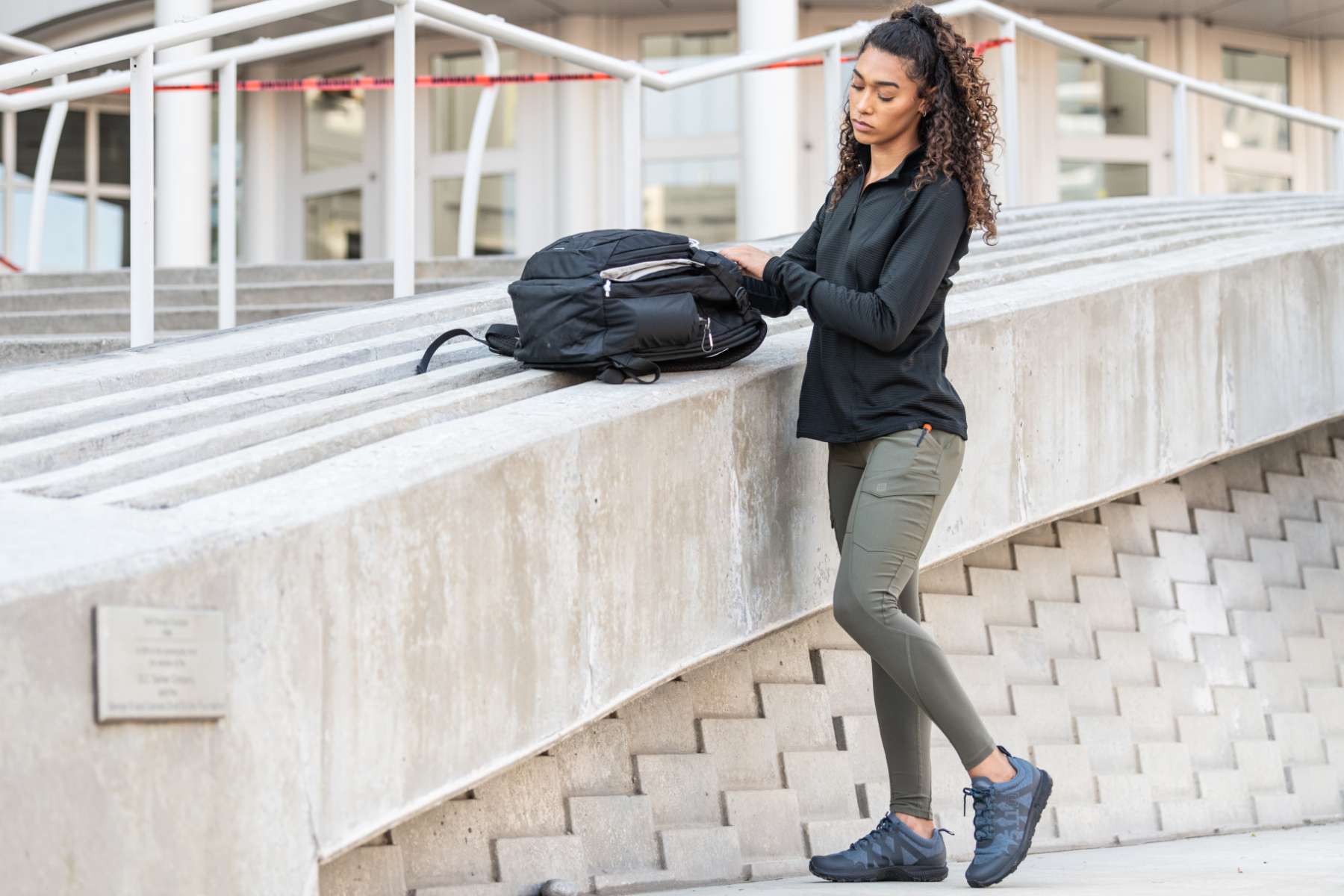
When styled right, leggings can be a workwear staple. Opt for high-waisted, thick-fabric leggings in dark colors. Pair them with a long blazer or tunic top. Avoid sheer or shiny materials. Some brands make “work leggings” with built-in shaping panels and pockets, which look more polished than standard gym tights.
3. Structured Blazers
Yes, there are blazers made from activewear material! These look like classic blazers but are crafted from stretchy, breathable fabric. They maintain structure but allow for easy movement. A structured activewear blazer can instantly elevate a simple T-shirt or blouse.
4. Polished Polo Shirts
A polo shirt made from moisture-wicking or antimicrobial fabric looks neat and keeps you fresh during long days. Choose solid colors or fine stripes. Pair with chinos or joggers for a business-casual vibe.
5. Performance Dress Shirts
Dress shirts in performance fabrics look like standard button-downs but offer stretch, wrinkle resistance, and breathability. These shirts often feature hidden mesh panels and quick-dry technology, keeping you comfortable even in high-pressure meetings.
6. Minimalist Sneakers
Sneakers are now acceptable in many offices—if they are clean, simple, and in neutral colors. Leather or suede sneakers with minimal branding can replace traditional loafers. Make sure they are always spotless for a professional appearance.
7. Smart Knit Tops
Knit tops in performance blends offer softness and flexibility. Look for fitted crewnecks, V-necks, or turtlenecks in subtle shades. These pair well with skirts, dress pants, or joggers.
8. Modern Skirts And Dresses
Some skirts and dresses are made from technical fabrics that resist wrinkles and stains. Pencil skirts, A-line styles, and even wrap dresses with stretch lining can look elegant and feel incredibly comfortable.
9. All-day Cardigans
Cardigans made from moisture-wicking or temperature-regulating yarns are perfect for layering. Choose styles with a tailored cut rather than chunky knits for a more office-ready look.
10. Hybrid Work Pants
These are pants designed with the look of trousers but the feel of joggers or leggings. Features include elastic waistbands, stretch fabric, and sometimes even hidden drawstrings. They pair seamlessly with shirts, sweaters, and blazers.
11. Compression Socks And Hosiery
Compression socks or tights in neutral colors can provide support and comfort for those who stand or walk a lot at work. They look just like normal hosiery but have added health benefits.
12. Breathable Undershirts
A good undershirt in sweat-wicking fabric can make your entire outfit feel more comfortable, especially under blazers or button-downs.
How To Style Activewear For The Office
Wearing activewear to work isn’t just about picking the right pieces—it’s about styling them so they look intentional and polished. Here’s how you can blend comfort and professionalism.
Mix And Match
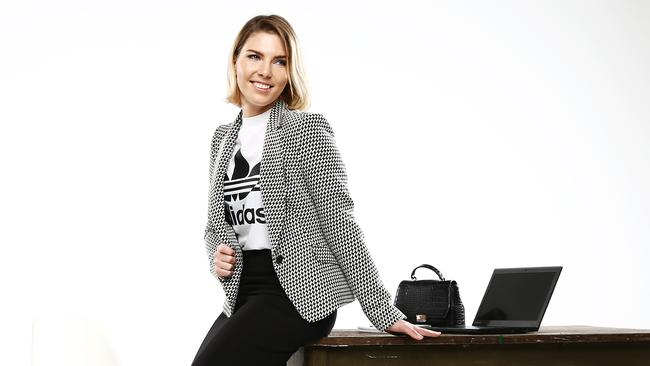
Combine activewear with traditional workwear. For example, wear joggers with a button-down shirt and loafers. Or pair a structured activewear blazer with dress pants. Mixing helps you avoid looking like you just left the gym.
Stick To Neutrals
Neutral shades (black, navy, gray, white) make activewear less noticeable. They are easier to match with other office pieces and look more formal.
Add Sharp Accessories
Accessories can instantly elevate your look. Add a leather belt, a classic watch, or subtle jewelry. A structured tote or briefcase also helps balance a casual outfit.
Focus On Footwear
Shoes make a big difference. Wear minimalist sneakers or loafers, not running shoes. If you wear leggings, go for ankle boots or dressy flats to make the outfit look smarter.
Layer For Structure
Layering adds shape to your outfit. Try a cardigan over a knit top, or a blazer over a polo shirt. This creates a more polished silhouette.
Keep It Clean
Activewear attracts lint and can look sloppy if not cared for. Make sure your clothes are spotless and wrinkle-free.
Avoid Overdoing It
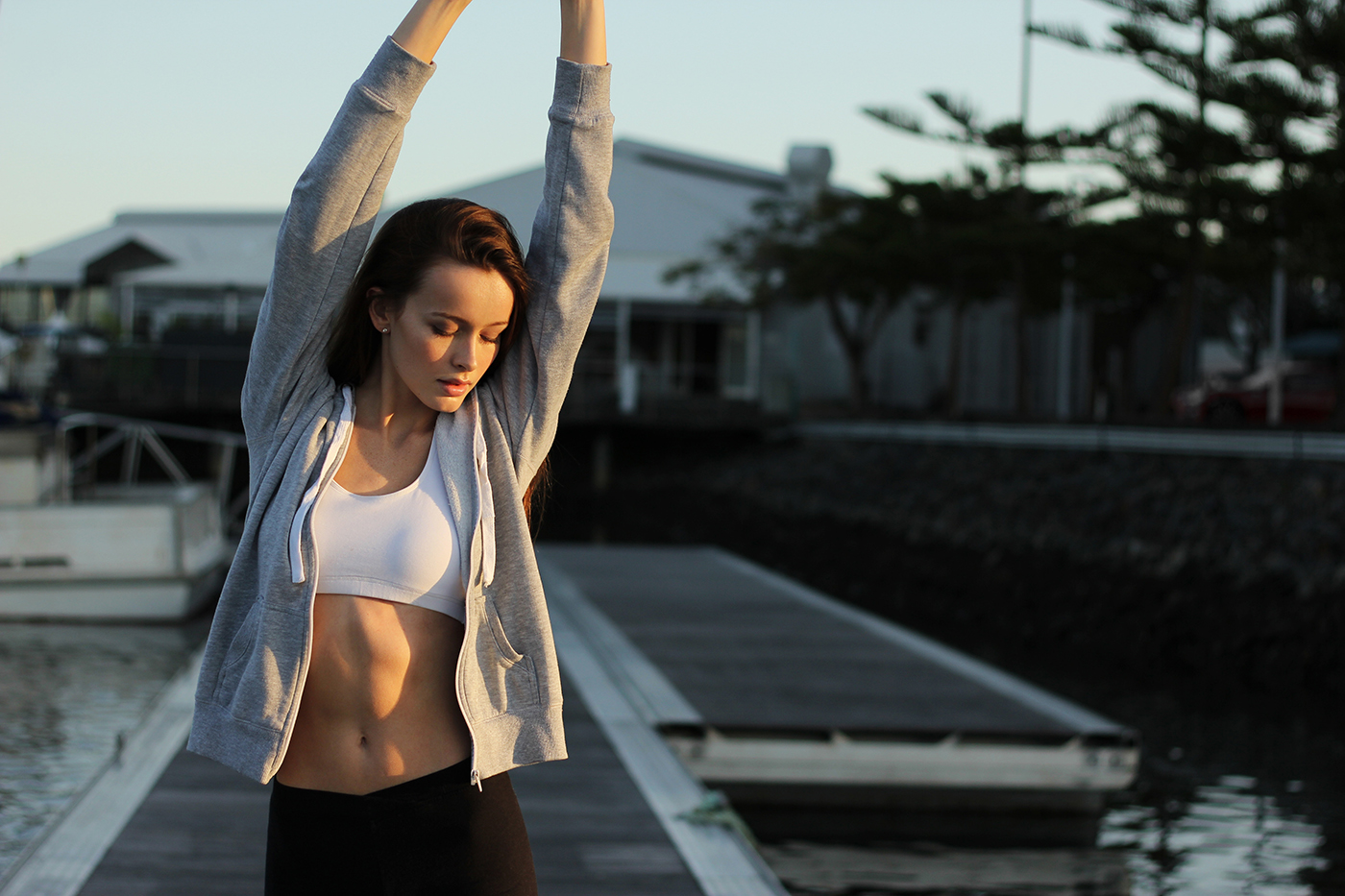
Don’t wear head-to-toe activewear. Limit yourself to one or two pieces per outfit, such as leggings with a crisp shirt and a tailored blazer.
Credit: asweatlife.com
Activewear Vs. Traditional Office Wear: A Comparison
To help you decide when to choose activewear or stick with traditional options, here’s a side-by-side look:
| Feature | Activewear | Traditional Office Wear |
|---|---|---|
| Comfort | High (stretch, breathability) | Medium (limited stretch) |
| Maintenance | Easy (machine-washable, wrinkle-resistant) | Often requires dry cleaning |
| Appearance | Modern, casual | Classic, formal |
| Durability | Good, but can pill over time | Long-lasting if cared for |
| Versatility | Can be worn for activities after work | Usually only for work/events |
Signs Your Activewear Is Not Office-ready
It’s easy to make mistakes when adding activewear to your work wardrobe. Watch out for these warning signs:
- Too much shine: Shiny fabrics look like gym clothes.
- Visible underwear: Thin leggings or pants can be see-through under office lighting.
- Large logos or graphics: Big branding looks casual and out of place.
- Loose threads or pilling: These details make clothes look worn out.
- Too tight or revealing: Avoid anything that draws unnecessary attention.
If you notice any of these, choose another piece or adjust your outfit.
Top Brands For Work-appropriate Activewear
Some brands have mastered the art of making activewear that fits seamlessly into the workplace. Here are a few favorites, each with their own standout features:
- Lululemon – Known for high-quality leggings, joggers, and blazers in polished fabrics.
- Athleta – Offers a wide range of dresses, tops, and pants designed for movement and style.
- Ministry of Supply – Specializes in performance dress shirts, blazers, and pants with technical features.
- Betabrand – Famous for dress pants that feel like yoga pants.
- Nike – Their lifestyle line includes sleek polos and minimalist sneakers.
- Uniqlo – Affordable, simple, and functional pieces, including wrinkle-resistant shirts and pants.
- Vuori – Focuses on joggers, tops, and jackets that look sharp and feel soft.
- ADAY – Minimalist, technical clothing that can move from gym to boardroom.
- Rhone – Offers performance polos and dress shirts for men.
- Sweaty Betty – Stylish leggings, skirts, and dresses with a tailored fit.
Before you buy, always check the fit and fabric in person if possible. Not all items from these brands are work-appropriate, so look for their “workwear” or “commuter” lines.
Common Mistakes When Wearing Activewear To Work
Even with the best intentions, it’s easy to miss the mark. Here are a few common errors and how to avoid them:
- Going too casual: Wearing track jackets, oversized hoodies, or gym shorts is not the right move.
- Ignoring office culture: What works in a creative agency may not be suitable in a law firm.
- Wearing dirty or wrinkled clothes: Activewear can wrinkle or attract lint, so stay tidy.
- Skipping structure: Outfits need some shape—don’t wear only loose or stretchy items.
- Forgetting footwear: Running shoes or old trainers make even the best outfit look sloppy.
Paying attention to these details will help you blend comfort with professionalism.
Credit: www.news.com.au
Examples Of Work-ready Activewear Outfits
Here are a few outfit ideas for different types of offices. Adjust as needed for your own style and dress code.
Creative Office
- Black joggers, a white performance dress shirt, minimalist sneakers, and a navy blazer.
- High-waisted leggings, long tunic sweater, ankle boots, and a tailored cardigan.
Tech Startup
- Hybrid pants, slim-fit polo shirt, clean leather sneakers, and a casual watch.
- Technical knit top, A-line skirt, and a cropped activewear blazer.
Corporate (business Casual Days)
- Structured blazer in performance fabric, wrinkle-resistant shirt, and tailored black joggers.
- Pencil skirt with stretch, silk-feel blouse, and classic flats.
Healthcare Or On-the-go Professions
- Compression leggings, moisture-wicking top, comfortable slip-on sneakers, and a light cardigan.
- Performance trousers, antimicrobial polo, and supportive compression socks.
These combinations show that you don’t have to sacrifice style for comfort.
Practical Tips For Transitioning To Activewear At Work
If you’re new to wearing activewear in the office, transition slowly. Here’s how you can make the change smooth and successful:
- Start with basics: Replace one piece at a time, such as swapping your dress pants for hybrid joggers.
- Test on casual days: Try new outfits on days with fewer meetings or when the dress code is relaxed.
- Get feedback: Ask a trusted colleague if your outfit looks professional.
- Invest in quality: Cheap activewear often loses its shape and color fast.
- Check the care label: Some performance fabrics need special washing to stay looking new.
The Science Behind Comfortable Workwear
Comfortable clothing doesn’t just feel good—it can actually help you perform better at work. Research shows that when people are less distracted by tight or uncomfortable clothes, they are more focused and creative. A study published in the journal “Human Factors” found that workers who wore comfortable, flexible clothing made fewer mistakes and reported higher job satisfaction.
Breathable and stretchy fabrics help control body temperature, reduce sweating, and limit skin irritation. This is especially helpful for people who move a lot during the day or work in different environments. Activewear also tends to dry quickly, so you can stay fresh even after a busy commute.
A Closer Look: Comparing Popular Work-ready Activewear Pieces
To help you pick the right items for your wardrobe, here’s a quick comparison of popular activewear options:
| Item | Best For | Office Style Level | Comfort Rating |
|---|---|---|---|
| Hybrid Joggers | Creative, Tech, Casual Fridays | Medium | High |
| Performance Leggings | Healthcare, Active Roles | Low to Medium | Very High |
| Activewear Blazer | Corporate, Business Casual | High | Medium |
| Moisture-Wicking Polo | Tech, Sales, Field Work | Medium | High |
| Minimalist Sneakers | All (if allowed) | Medium | High |
Credit: www.511tactical.com
How To Care For Work-appropriate Activewear
Proper care is important for keeping your activewear looking professional:
- Wash in cold water: Hot water can damage technical fabrics.
- Avoid fabric softeners: They can break down moisture-wicking fibers.
- Air dry when possible: Dryers can shrink or fade activewear.
- Store carefully: Fold or hang neatly to avoid wrinkles and stretching.
With good care, high-quality pieces can last for years.
Non-obvious Insights Most Beginners Miss
- Performance fabrics can pill if not washed properly. Turn clothes inside out and avoid rough zippers or Velcro in the wash.
- Not all “stretchy” pieces are created equal. Some lose their shape quickly and start to look sloppy. Always check for strong elastic recovery.
- You can tailor activewear. A quick visit to a tailor can make joggers or blazers fit perfectly, making them look more expensive and professional.
- Hidden pockets are a game changer. Many activewear pieces have secret pockets for keys, phones, or cards, reducing the need for bulky bags.
These small details can make your activewear look and feel better at work.
The Role Of Company Culture
Every office is different. Some companies encourage self-expression, while others expect a more traditional dress code. Before embracing activewear, look around and see what managers and colleagues wear. If in doubt, ask HR or check the company handbook. Some firms even have “athleisure Fridays” or wellness days where activewear is encouraged.
In some industries, like tech or creative fields, activewear is almost standard. In more formal settings, stick to subtle pieces and combine them with classic items for a balanced look.
The Future Of Workwear: More Flexibility Ahead
As workplaces become more flexible, the line between workwear and activewear will likely keep fading. Employers are realizing that comfort can boost morale and output. Some companies even partner with activewear brands to offer branded pieces for their teams.
Expect to see more hybrid styles—like dress pants with stretch waistbands or blazers that feel like sweatshirts. The focus will remain on function, style, and well-being.
For more on the science of workplace attire and comfort, check out this resource from the Encyclopedia Britannica.
Frequently Asked Questions
What Is The Best Way To Tell If Activewear Is Suitable For Work?
Look for neutral colors, simple designs, and a tailored fit. Avoid large logos, shiny fabrics, or anything see-through. If you feel comfortable wearing it to a meeting or with your boss, it’s probably safe.
Can I Wear Leggings To A Business Meeting?
Yes, if they are thick, high-waisted, and paired with a long top or blazer. Avoid athletic-looking styles. Choose leggings designed for work, not the gym.
How Many Activewear Pieces Can I Wear In One Outfit?
Limit yourself to one or two pieces per outfit. For example, wear joggers with a classic shirt, or a performance blazer with regular trousers.
Is It Okay To Wear Sneakers With Office Activewear?
Yes, if your office allows it and you choose minimalist, clean sneakers in a neutral color. Avoid running or brightly colored sneakers.
How Can I Keep My Activewear Looking New For Work?
Wash in cold water, air dry, and avoid fabric softeners. Store folded or hung neatly. Don’t mix with rough fabrics or items that may cause pilling.
Activewear can make your workday more comfortable without sacrificing style or professionalism. By choosing the right pieces, caring for them well, and styling them thoughtfully, you can enjoy the best of both worlds—comfort and confidence at work.
