

90S Vintage T-Shirts: Ultimate Guide to Iconic Retro Styles
Vintage T-shirts: The Timeless Appeal Of A Fashion Icon
There’s something special about a vintage t-shirt. It’s not just a piece of clothing—it’s a story, a memory, and a statement all in one. Over the years, vintage t-shirts have become more than casual wear. They’re symbols of culture, nostalgia, and personal style.
People hunt for them in thrift shops, pay high prices online, and even keep them as collectibles. But what makes these old shirts so popular? Why do people care so much about faded prints and worn-out cotton? Let’s dive into the world of vintage t-shirts, and discover why they’re more than just old clothes.
What Makes A T-shirt Vintage?
The word vintage is often used, but what does it really mean for t-shirts? A vintage t-shirt is not just any old shirt. It usually refers to a piece made in the past, with a design, fabric, or print style that reflects a specific era. These shirts often feature unique graphics, logos, band names, cartoons, or brands that were popular at a certain time.
The magic of a vintage t-shirt comes from its authenticity. The colors might be a little faded, the fabric soft from years of washing, and the print might show cracks. These “imperfections” are what collectors and fans love—they make the shirt unique.
Key features of vintage t-shirts:
- Single-stitch seams: Many old shirts have a single row of stitching at the hem and sleeves.
- Soft, thin fabric: Vintage shirts often feel lighter and softer because of their cotton blend and wear over time.
- Tag designs: The tag can reveal the shirt’s age. Old brands or tag styles often point to a shirt’s true vintage.
- Unique graphics: From classic band logos to cartoons, the designs tell a story.
Many people confuse retro with vintage. A retro t-shirt is a modern shirt made to look old, while a vintage t-shirt is truly from the past. This difference is important if you’re collecting or investing.
Why Vintage T-shirts Became So Popular
The rise of vintage t-shirts is not just about fashion. It’s about nostalgia and self-expression. When you wear a shirt from the past, you connect with a time, a place, or a memory. For many, these shirts remind them of childhood, a favorite band, or a big moment in pop culture.
Reasons for the popularity:
- Nostalgic value: Wearing a shirt from the past can remind you of good times or favorite moments.
- Sustainability: Buying and wearing vintage is eco-friendly. You’re recycling clothing and reducing waste.
- Unique style: Vintage shirts are often one-of-a-kind. It’s unlikely you’ll see someone else wearing the exact same design.
- Cultural influence: Celebrities, designers, and influencers often wear vintage, making it cool and desirable.
- Investment: Some rare vintage shirts can sell for hundreds or even thousands of dollars. Collectors treat them like art or rare sneakers.
One non-obvious insight is that many designers take ideas from vintage t-shirts. They study old graphics, fonts, and colors to inspire new collections. This means when you wear a true vintage shirt, you’re often ahead of the current trend.

Credit: threadheads.com
Iconic Types Of Vintage T-shirts
Not all vintage t-shirts are the same. Some categories are especially famous and sought-after. Let’s look at the most popular types.
Band T-shirts
Band t-shirts are perhaps the most loved of all vintage shirts. They often show logos or tour dates from famous music acts. Wearing one can show your music taste, or just your appreciation for classic rock, pop, or hip-hop.
Some band t-shirts are so rare, they’re treated like treasures. For example, shirts from early tours or with special artwork can be worth a lot. Even if you’re not a fan of the band, the design and history make these shirts valuable.
Cartoon And Movie T-shirts
Cartoon and movie shirts tap into nostalgia for childhood favorites. Popular cartoon characters, superhero logos, and film posters are common. Shirts featuring classic animations or blockbuster films can bring back memories and are easy conversation starters.
Sports And College T-shirts
Old sports team shirts, especially from winning seasons or special events, are highly collectible. The same goes for college and university shirts, especially those with unique mascots or rare event prints. These shirts represent pride, history, and sometimes even local identity.
Brand And Logo T-shirts
Famous brands like Nike, Adidas, or Coca-Cola often made t-shirts with unique logos or slogans. Some of these shirts become iconic because of their design, and because they’re tied to big moments in advertising or marketing history.
Event T-shirts
These shirts come from special events like festivals, marathons, or charity drives. They often have dates, places, and unique graphics. While they might not be as famous as band shirts, they’re often rarer because fewer were made.
How To Spot A Real Vintage T-shirt
With so many reproductions and fakes, how can you tell if a shirt is truly vintage? It takes a careful eye and some knowledge.
Tips to spot real vintage t-shirts:
- Check the stitching: Old shirts usually have single-stitch hems, while modern shirts use double stitching.
- Look at the tag: Vintage tags often have different fonts, colors, or materials. Some are even printed directly on the fabric.
- Feel the fabric: Genuine vintage shirts are usually softer and thinner due to wear and the cotton blend used at the time.
- Inspect the print: The graphic may have cracks or fading. Modern reproductions often look too perfect or use new printing methods.
- Research the brand: Many old brands no longer exist, or their logos have changed. A little online searching can help confirm a shirt’s age.
One less-known tip: Smell the shirt. Vintage shirts often have a musty or distinct smell that’s hard to fake. If a shirt smells too new or strongly of chemicals, it might be a reproduction.
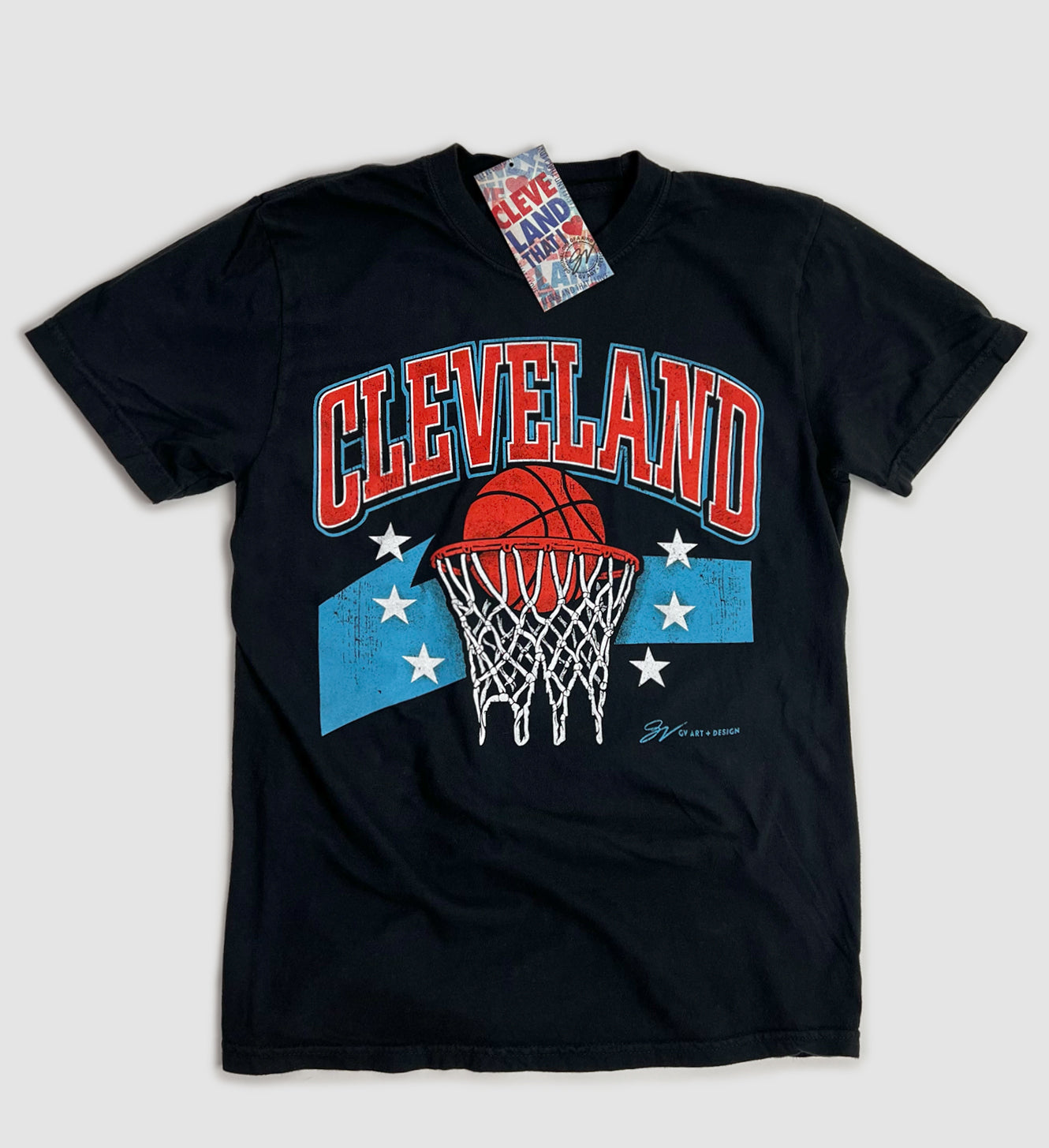
Credit: gvartwork.com
Where To Find Vintage T-shirts
Hunting for a true vintage t-shirt can be exciting. While luck plays a part, knowing where to look increases your chances.
Best places to find vintage t-shirts:
- Thrift stores: Many gems are hidden among the racks. You may need patience, but the prices are often low.
- Online marketplaces: Sites like eBay, Etsy, and Depop have large selections. Always check seller ratings and photos.
- Vintage shops: These stores specialize in old clothing. The staff often have knowledge and can help you find what you want.
- Flea markets and garage sales: Sometimes you’ll find rare shirts sold by people who don’t know their value.
- Specialty events: Vintage fairs or pop-up events attract collectors and sellers with high-quality stock.
A practical tip: visit shops in smaller towns. Sometimes, these places have not been picked over, and you can find great shirts at lower prices.
How To Care For Vintage T-shirts
Vintage t-shirts are delicate. To keep them in good shape, you need to treat them carefully.
Caring for your vintage shirts:
- Wash gently: Use cold water and mild detergent. Turn the shirt inside out to protect the print.
- Avoid the dryer: Air-dry your shirt to prevent shrinking and fading.
- Store properly: Fold and keep shirts in a cool, dry place. Avoid direct sunlight, which can fade colors.
- Don’t iron prints: If you need to iron, do so inside out and on low heat.
- Fix small damage: A small tear or loose thread can get worse. Repair small issues before they become big problems.
Many people make the mistake of washing vintage shirts with heavy items like jeans or towels. This can cause extra wear. Always wash delicate shirts with other soft items.
The Value Of Vintage T-shirts
Not all vintage t-shirts are valuable, but some can sell for high prices. Value depends on several factors:
- Rarity: If only a few were made or survived, the price goes up.
- Condition: The better the condition, the higher the value. However, some wear is expected and can add character.
- Demand: Popular bands, movies, or brands are more in demand.
- Design: Unique or famous graphics increase value.
- Authenticity: Real vintage is worth more than reproductions.
Let’s compare typical prices for different types of vintage t-shirts:
| Type | Average Price (USD) | High-End (Rare) Price (USD) |
|---|---|---|
| Band T-Shirt | $50 - $300 | $1,000+ |
| Cartoon/Movie T-Shirt | $30 - $150 | $500+ |
| Sports/College T-Shirt | $20 - $100 | $300+ |
| Brand/Logo T-Shirt | $25 - $120 | $400+ |
| Event T-Shirt | $15 - $80 | $250+ |
It’s important to know that prices can change quickly. A shirt from a small, unknown band might become valuable if the band becomes famous later. Some collectors buy shirts as an investment, hoping prices will rise.
Styling Vintage T-shirts: Fashion Tips
Wearing a vintage t-shirt is a simple way to add character to your outfit. Here are some ways to style them:
- With jeans: A classic look. Try tucking the shirt in for a retro feel.
- Under a blazer: Mix casual and formal for a smart, modern style.
- With shorts: Perfect for warm weather and a relaxed look.
- Layered: Wear under an open shirt or jacket for extra style.
- As a statement piece: Let the shirt be the main focus. Pair with simple pants and shoes.
One style tip: don’t be afraid of small imperfections. A little fading or a small hole can add to the vintage look. Many people even prefer shirts that look “lived in.”
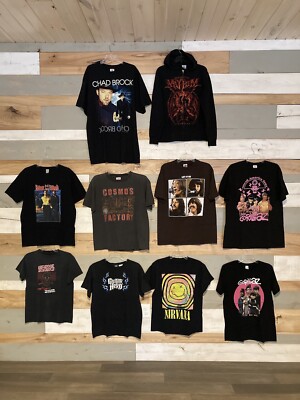
Credit: www.ebay.com
The Resale And Collector Market
The market for vintage t-shirts has grown a lot in recent years. Some people buy shirts to wear, others to collect or resell.
How The Market Works
Collectors often focus on certain categories, like band shirts or rare brands. They track auctions, join online groups, and attend events to find the best items. Some even keep their shirts in special cases, like sports memorabilia.
Resellers buy shirts at low prices (thrift stores, garage sales) and sell them for a profit online. This has created a global market, with buyers from all over the world looking for rare finds.
What Drives Prices Up?
- Celebrity influence: When a star is seen wearing a vintage shirt, prices for that style often jump.
- Pop culture moments: A movie reboot or anniversary can raise interest in related shirts.
- Scarcity: As time passes, fewer shirts survive in good shape.
Here’s a quick comparison of resale platforms:
| Platform | Pros | Cons |
|---|---|---|
| eBay | Large audience, auction option | High fees, competition |
| Etsy | Vintage-focused, easy to use | Limited to handmade/vintage |
| Depop | Trendy, popular with youth | Lower average prices |
| Direct sales, build a brand | Harder to reach new buyers |
Authenticity: Avoiding Fakes And Reproductions
As vintage t-shirts became valuable, fakes and reproductions started to flood the market. Some are easy to spot, while others are made to fool even experts.
Ways to avoid fakes:
- Buy from trusted sellers: Check reviews, ratings, and return policies.
- Ask for detailed photos: Look for close-ups of tags, stitching, and prints.
- Research the shirt: Find out if that design was made in the era claimed.
- Check for signs of age: Real vintage shirts should show some wear, unless they were never worn.
- Use authentication services: Some companies and experts can confirm if a shirt is real (for a fee).
A common mistake is to trust a seller just because they have a lot of “vintage” shirts. Many sellers mix real and fake items. Always double-check before spending a lot.
The Role Of Vintage T-shirts In Pop Culture
Vintage t-shirts are more than just clothing. They’re part of pop culture history. Over the years, they’ve been worn by musicians, actors, and artists. They appear in movies, music videos, and even on runways.
Examples of vintage t-shirts in pop culture:
- Musicians: Many rock stars wore band shirts on stage, making them famous.
- Movies: Characters often wear old shirts to show personality or background.
- Fashion shows: Top designers sometimes use vintage shirts in their collections.
One insight that beginners often miss: vintage t-shirts have influenced not just fashion, but also graphic design, advertising, and even art. Many classic shirt designs have become part of wider visual culture, copied and reimagined in new ways.
Investing In Vintage T-shirts
Some people buy vintage t-shirts as an investment, hoping their value will grow. While it’s not as predictable as stocks or real estate, some shirts have increased in price a lot.
Tips for investing:
- Research trends: Know which bands, brands, or styles are becoming popular.
- Check condition: Shirts in better shape usually increase in value more.
- Store safely: Protect shirts from sunlight, moisture, and pests.
- Network: Join online groups and forums to learn from other collectors.
However, investing in vintage t-shirts comes with risks. Trends can change. What’s valuable now might not be in the future. Only invest money you can afford to lose, and focus on shirts you like personally.
Customizing And Upcycling Vintage T-shirts
Not all vintage shirts are valuable or collectible. Some have damage or stains, but that doesn’t mean they should be thrown away. Many people choose to customize or upcycle old shirts.
Ideas for customization:
- Crop or cut: Make a crop top or sleeveless shirt.
- Add patches: Cover small holes with fun patches.
- Tie-dye: Give an old shirt new life with color.
- Sew into other items: Turn shirts into pillows, bags, or quilts.
Customizing is a great way to save a shirt that’s too damaged to wear. Plus, you create something unique.
The Environmental Impact Of Vintage T-shirts
Buying and wearing vintage t-shirts is not just stylish—it’s better for the planet. The fashion industry is one of the biggest polluters in the world. By choosing vintage, you help reduce waste and lower your carbon footprint.
Benefits for the environment:
- Less landfill waste: Old shirts get a new life instead of ending up in the trash.
- No new resources needed: Vintage shirts don’t require new cotton, water, or energy to produce.
- Slow fashion: Wearing vintage supports a slower, more thoughtful approach to clothing.
Many people don’t realize that the cotton used in older shirts was often higher quality, grown and processed differently than today’s fast-fashion items. This means vintage shirts can last longer and feel better, even after many years.
How To Start Your Own Vintage T-shirt Collection
Starting a collection can be fun and rewarding. Here’s how to begin:
- Pick a focus: Choose a theme, like bands, sports, or cartoons.
- Set a budget: Prices vary a lot. Start with what you can afford.
- Learn to authenticate: Study tags, brands, and designs from your chosen era.
- Keep records: Track what you buy, including price and condition.
- Connect with others: Join online groups or forums to learn and trade.
A non-obvious tip: look for shirts in larger sizes. These are often more comfortable to wear, and sometimes were less common in the past, making them more valuable today.
Caring For A Collection: Storage And Display
If you have more than a few shirts, it’s important to store them well.
Storage tips:
- Avoid hangers: Hanging can stretch the fabric. Fold shirts instead.
- Use acid-free boxes: Prevents yellowing and damage.
- Keep away from sunlight: Light fades prints and colors.
- Check for pests: Moths and insects can ruin cotton.
Some collectors like to display their best shirts. You can use shadow boxes, frames, or even special hangers for a few favorites. Just be sure to rotate displays to avoid fading.
Famous Vintage T-shirts And Their Stories
Some vintage t-shirts are famous because of their history, design, or who wore them. Here are a few examples:
- Band tour shirts: Some tour shirts are known because only a few were made, or they were sold at a single show.
- Movie promo shirts: Studios sometimes made special shirts for cast and crew, not sold to the public.
- Error prints: Mistakes in printing or design can make a shirt unique and valuable.
- Celebrity-owned shirts: If a star wore or owned a shirt, its value can skyrocket.
Stories behind vintage shirts can add to their value. Sometimes, the story is more important than the shirt itself.
The Future Of Vintage T-shirts
As trends change, vintage t-shirts stay popular. New generations discover old styles, and the love for unique, meaningful clothing continues. Technology, like online marketplaces and authentication tools, makes it easier to find and buy vintage shirts from around the world.
Designers and brands often revisit old designs, but nothing beats the real thing. The future looks bright for vintage t-shirts, both as fashion and as collectibles.
If you want to learn more about the history and culture of t-shirts, you can visit the Wikipedia T-shirt article for a deeper look.
Frequently Asked Questions
What Makes A T-shirt "vintage"?
A t-shirt is called vintage if it was made in the past and reflects the style, design, and materials of a specific era. It’s not just old—it’s a piece that shows the culture and trends of its time.
How Can I Tell If A Vintage T-shirt Is Real Or A Reproduction?
Look at the stitching, tag, and fabric. Real vintage shirts often have single-stitch seams, older tag designs, and softer, thinner fabric. Always ask for detailed photos and buy from trusted sellers.
Are Vintage T-shirts A Good Investment?
Some vintage t-shirts can increase in value, especially rare or popular designs. However, prices can change, and not every shirt is valuable. Collect what you love, and view any profit as a bonus.
How Should I Wash And Care For Vintage T-shirts?
Wash in cold water with mild detergent, turn inside out, and air-dry. Avoid the dryer and don’t iron directly on prints. Store in a cool, dry place away from sunlight.
Where Is The Best Place To Buy Vintage T-shirts?
You can find vintage t-shirts in thrift stores, vintage shops, online marketplaces like eBay or Etsy, and at flea markets or garage sales. Always check the seller’s reputation and product details before buying.
Vintage t-shirts are more than just clothes—they’re history, art, and self-expression. Whether you collect, wear, or sell them, each shirt has a story to tell.
