

Will Affirmations Work? Discover the Truth Behind Positive Self-Talk
Will Affirmations Work
What if repeating positive words could change your life? Many people are curious about the power of affirmations. These short, positive statements are everywhere—from books to social media. Some say they help you feel better, achieve goals, and even transform your mindset.
Others are more skeptical, wondering if affirmations are just wishful thinking.
If you have ever asked yourself, “Will affirmations work for me? ”, you are not alone. This article explores the truth behind affirmations. You will learn what science says, how affirmations affect your brain, who benefits most, and what mistakes to avoid.
We will also look at real-life examples, practical steps, and answer the most common questions. By the end, you will know exactly how affirmations work—and whether they can work for you.
What Are Affirmations?
Affirmations are positive statements that you repeat to yourself. The idea is simple: focus on what you want to be true, not what you fear. For example, you might say, “I am confident,” or “I can handle challenges.” Many people use affirmations to boost self-esteem, reduce stress, or change negative thinking.
The practice is rooted in psychology and self-help. Unlike general positive thinking, affirmations are specific and direct. They are usually about the present or future (“I am strong,” “I am becoming healthier each day”).
Affirmations are used in different ways:
- Spoken out loud
- Written in a journal
- Read silently in your mind
- Placed on sticky notes around your home
Some people create their own affirmations, while others use popular ones from books or online sources. The key is to make them personal and meaningful.
The Science Behind Affirmations
The question, “Will affirmations work? ” often leads to scientific research. Can repeating a phrase really change your brain or behavior? Let’s look at what studies show.
How Affirmations Affect The Brain
Research in neuroscience has discovered something called neuroplasticity—the brain’s ability to change. When you repeat thoughts or behaviors, your brain forms new connections. Affirmations use this idea. By focusing on positive statements, you may strengthen related brain pathways.
Studies using MRI scans have shown that self-affirmation activates parts of the brain involved in self-processing and reward. This means that positive statements can create a sense of value and motivation.
Evidence From Psychology
Affirmations are part of a psychological method called self-affirmation theory. This theory says that when you focus on your values or positive traits, you protect your self-worth during stress or failure.
A well-known study published in the journal *Psychological Science* found that students who practiced self-affirmation performed better on stressful academic tasks than those who did not. The improvement was especially clear for students who felt threatened or doubted themselves.
Do Affirmations Always Work?
Not always. Research finds that affirmations work best for people with neutral or positive self-esteem. For those with very low self-worth, repeating “I am lovable” may feel untrue and even cause discomfort. In these cases, affirmations can backfire.
However, small changes—like choosing more believable statements—can help. Instead of “I am the best,” try “I am learning to be better. ” This feels more realistic and creates less mental resistance.
Real-world Impact
Some studies show affirmations can help:
- Lower stress levels
- Improve academic performance
- Encourage healthier choices (like eating more fruits and vegetables)
- Support mental health recovery
Still, affirmations are not magic. They work as part of a bigger toolkit—alongside actions, habits, and sometimes therapy or coaching.
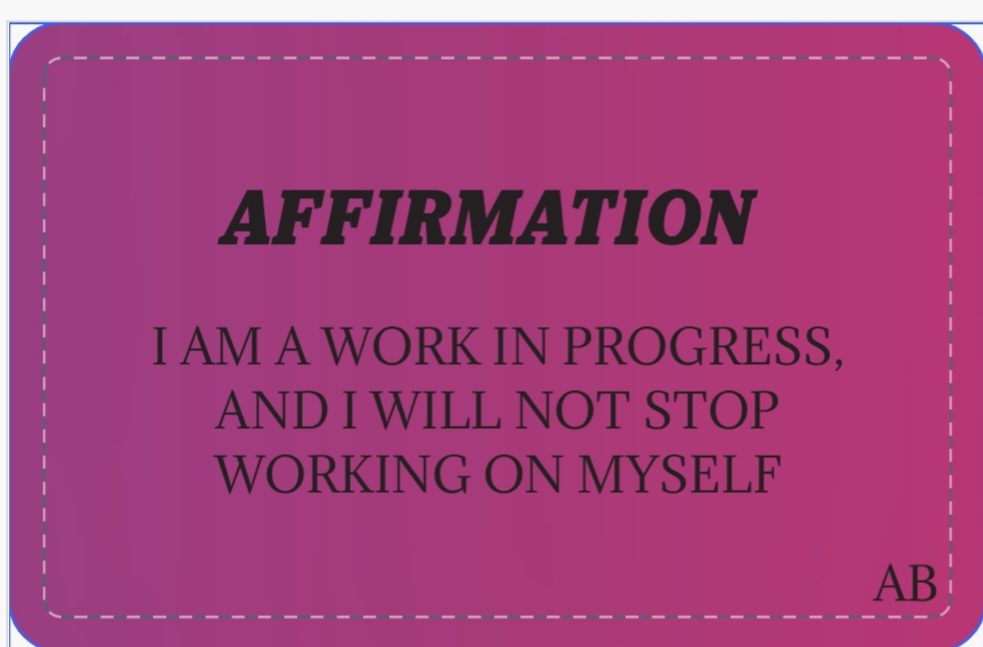
Credit: survivorempowerlifecoachfinancial.com
Who Can Benefit From Affirmations?
Affirmations are not for everyone, but many groups can benefit. Understanding who gains the most can help you decide if affirmations are right for you.
People Facing Stress Or Change
If you are going through a tough time—like a job change, exam, or health challenge—affirmations can remind you of your strengths. They help refocus your mind from fear to possibility.
Individuals With Negative Self-talk
Many people have a “critical inner voice. ” Affirmations give you a way to talk back, replacing old patterns with new, supportive messages.
Students And Professionals
For those aiming for success—students, athletes, or professionals—affirmations can increase motivation and reduce the fear of failure. They help you prepare mentally for challenges.
People Seeking Habit Change
If you want to build a new habit (like exercising or eating well), affirmations support your identity. Saying “I am someone who takes care of my body” can make it easier to choose healthy actions.
Those Practicing Mindfulness Or Meditation
Affirmations fit well with meditation and mindfulness. Repeating a phrase can calm the mind and improve focus.
How To Use Affirmations Effectively
Not all affirmations are equal. Some work better than others. Here is how to use affirmations for the best results.
1. Be Specific And Personal
Generic statements like “I am happy” may not mean much. Choose words that match your real goals or struggles. For example, “I handle stressful situations calmly at work” is more powerful if job stress is your issue.
2. Use Present Tense
State affirmations as if they are happening now. Instead of “I will be confident,” say “I am confident. ” This tells your brain the change is already true.
3. Keep Them Positive
Focus on what you want, not what you fear. For example, “I am healthy and strong” works better than “I am not sick. ”
4. Repeat Often
Consistency matters. Repeat your affirmation daily—morning, night, or during stressful moments.
5. Say Them With Emotion
Don’t just repeat words. Feel the meaning. Imagine the affirmation is already true. Emotion helps the brain remember.
6. Write Them Down
Writing affirms your commitment. Place affirmations where you see them—on your mirror, phone, or notebook.
7. Combine With Action
Affirmations alone are not enough. Pair them with real steps. For example, if you say, “I am a good learner,” also set aside time to study.
8. Adjust If Needed
If an affirmation feels fake or uncomfortable, change it. Start with “I am learning to…” or “I am becoming…” to make it believable.
Practical Example
Imagine you want to be less anxious about public speaking. Instead of “I am a great speaker,” try:
- “I am learning to speak with calm and clarity.”
- “Each time I present, I grow more confident.”
These versions are realistic and easier to accept.
Common Mistakes With Affirmations
Many people give up on affirmations because of simple mistakes. Avoid these traps for better results.
1. Choosing Unrealistic Statements
If you do not believe your affirmation, your mind will resist. For example, saying “I am rich” when you are struggling financially may feel false. Instead, try “I am open to new opportunities for wealth. ”
2. Lack Of Consistency
Repeating an affirmation once or twice will not help. It takes time to rewire your thinking. Be patient and repeat often.
3. Ignoring Emotions
Saying words without feeling does little. Connect emotionally with your affirmation. Imagine how it feels to achieve your goal.
4. Not Linking To Action
Affirmations are not a substitute for effort. They support, not replace, real actions. If you want to get fit, combine “I am active” with actual exercise.
5. Using Negative Words
Avoid affirmations like “I am not afraid.” The brain tends to focus on the word “afraid.” Use positive versions: “I am brave.”
6. Overloading With Too Many Affirmations
Focus on a few key statements. Too many at once can be confusing and less effective.
7. Expecting Instant Results
Change takes time. Affirmations plant seeds for new thoughts, but growth is gradual.
Examples Of Effective Affirmations
Choosing the right words can make a big difference. Here are some examples for different areas of life.
For Confidence
- “I trust my abilities.”
- “I face challenges with courage.”
- “I am enough just as I am.”
For Stress Or Anxiety
- “I am calm and centered.”
- “I let go of what I cannot control.”
- “I breathe deeply and relax.”
For Health And Fitness
- “I honor my body with healthy choices.”
- “I am getting stronger every day.”
- “I enjoy taking care of myself.”
For Success And Motivation
- “I am focused and productive.”
- “I turn obstacles into opportunities.”
- “I am moving toward my goals.”
For Relationships
- “I communicate with love and respect.”
- “I am open to healthy connections.”
- “I deserve kindness and understanding.”
Feel free to adjust these to fit your situation. The best affirmations are those that feel right to you.
How Affirmations Compare To Other Techniques
Affirmations are one tool among many for self-growth. How do they compare to other methods? Let’s look at a few.
| Technique | Main Purpose | How It Works |
|---|---|---|
| Affirmations | Change self-talk | Repeat positive statements about self or goals |
| Visualization | Imagine success | Create mental images of desired outcomes |
| Gratitude Journaling | Increase positivity | Write about things you are grateful for |
| Meditation | Calm mind, focus | Practice awareness and presence |
Affirmations work best when combined with these methods. For example, you might start with a gratitude journal, then repeat an affirmation during meditation. This creates a stronger, more positive mindset.
The Limits Of Affirmations
While affirmations can help, they are not a solution for every problem. Understanding their limits can save you frustration.
Do Not Replace Professional Help
If you are dealing with depression, trauma, or severe anxiety, affirmations cannot replace therapy or medical care. They are a support, not a cure.
Not A Substitute For Action
Simply saying “I am successful” will not bring results unless you take steps toward your goals. Affirmations work best when they inspire real change.
May Not Work For Deep Beliefs
If you have deeply rooted negative beliefs, affirmations alone may not shift them. In these cases, deeper work—like counseling or cognitive-behavioral techniques—may be needed.
Can Cause Frustration
If you do not see quick results, you may feel disappointed or blame yourself. Remember, affirmations are a practice, not a magic fix.
When To Stop
If an affirmation makes you feel worse, stop or adjust it. The goal is to support yourself, not force change.
Why Affirmations Work For Some—but Not All
It’s normal to wonder why affirmations seem powerful for some people, but useless for others. The answer lies in beliefs, mindset, and readiness for change.
Mindset Matters
If you already believe change is possible, affirmations can reinforce your efforts. If you are deeply skeptical, your mind may reject positive statements.
Openness To New Ideas
Some people are more open to new ways of thinking. If you are willing to experiment and adapt, affirmations may have a bigger impact.
Matching Affirmations To Your Reality
Affirmations that fit your current life or are just a small stretch are more likely to work. Outlandish statements often fail because they do not match your experience.
Consistency And Emotion
Repeating affirmations with feeling, day after day, builds new habits. Occasional, flat statements do little.
Support From Environment
Having supportive friends or mentors can boost the power of affirmations. Alone, change is harder.
Data And Statistics On Affirmations
There is growing interest in the real-world impact of affirmations. Here are some data points and findings:
- A study in Social Cognitive and Affective Neuroscience found that self-affirmation activates the brain’s reward centers.
- Another study in Psychological Science showed students practicing affirmations improved their grades by about 10% during stressful periods.
- Research on health behaviors found that people using affirmations were more likely to stick to exercise and healthy eating plans.
- Surveys suggest that about 60% of people who regularly use affirmations report improved mood and confidence.
These numbers show that affirmations have real effects for many people—but not all. Personal factors, belief, and practice style play a big role.

Credit: www.cultureally.com
Real-life Stories: Do Affirmations Work?
Hearing how others use affirmations can be inspiring. Here are a few brief examples:
Maria’s Story: Overcoming Self-doubt
Maria, a young professional, struggled with self-doubt at work. She started using the affirmation, “I contribute valuable ideas. ” At first, she felt awkward, but over time, she noticed she spoke up more in meetings. Her manager also began to notice her ideas.
Jamal’s Journey: Reducing Stress
Jamal used to feel anxious before big presentations. He began saying, “I am calm and prepared. ” He paired this with deep breathing. After a few weeks, his stress dropped, and he felt more in control.
Priya’s Progress: Building Healthy Habits
Priya wanted to exercise regularly but lacked motivation. She started with the affirmation, “I am someone who enjoys being active. ” She put this on her phone and bathroom mirror. Slowly, she found it easier to choose exercise, and now it’s part of her routine.
What Do These Stories Show?
Affirmations alone did not change everything. Each person also took small actions. The real power came from combining positive statements with real-world effort.
Creating Your Own Affirmations
Writing your own affirmations can be more powerful than using someone else’s words. Here’s how to craft effective ones:
- Identify your goal or challenge. What do you want to change or believe?
- Write a positive, present-tense statement. Focus on what you want, not what you fear.
- Make it believable. If it feels too big, start smaller (“I am learning to…”).
- Keep it short and clear. Simple words are easier to remember.
- Test and adjust. If your affirmation feels wrong, change the wording.
Example Template
- Goal: Improve confidence in meetings
- Affirmation: “I speak clearly and share my ideas with confidence.”
- Goal: Reduce stress
- Affirmation: “I am calm and centered, even in busy times.”
- Goal: Build a healthy habit
- Affirmation: “I make choices that support my well-being.”
Step-by-step Plan For Using Affirmations
If you want to try affirmations, follow these steps for the best chance of success.
| Step | Action | Tip |
|---|---|---|
| 1 | Choose 1-3 affirmations | Pick ones that match your goals |
| 2 | Repeat daily | Morning and night are best times |
| 3 | Say out loud or write down | Add emotion and belief |
| 4 | Pair with action | Take a small step toward your goal |
| 5 | Review progress weekly | Adjust affirmations if needed |
This simple plan helps build a habit and make affirmations part of your life.
Non-obvious Insights About Affirmations
Many beginners miss these important points:
1. Affirmations are not about ignoring problems. Some people worry that affirmations mean you deny reality. In truth, they help you focus on solutions and strengths, not just weaknesses. You still deal with real issues, but from a more positive place.
2. The way you say affirmations matters more than the words. Repeating a phrase while distracted or doubtful has little effect. Saying it with focus and belief—even just for a few seconds—makes a bigger impact.
3. Affirmations can reveal hidden beliefs. If an affirmation feels uncomfortable, it may show an area where you need healing or growth. This can be a sign to explore deeper, not a reason to quit.
4. Tiny changes add up. Don’t expect a sudden transformation. A small shift in self-talk, repeated daily, can create big changes over weeks or months.
When To Seek Something More
Sometimes, affirmations are not enough. If you feel stuck, hopeless, or overwhelmed, do not hesitate to get help. Talking to a counselor or coach can uncover deeper patterns and offer new tools. Affirmations are one part of a complete self-help strategy.
For those who want to learn more about the science of self-affirmation, you can visit this Wikipedia page on self-affirmation theory.
Frequently Asked Questions
What Are The Best Times To Practice Affirmations?
The best times are usually early in the morning or before bed. Your mind is more open and relaxed at these moments. However, you can use affirmations anytime you need extra support—before a meeting, during stress, or while exercising.
Can Affirmations Help With Anxiety Or Depression?
Affirmations can support mental health but are not a cure for serious anxiety or depression. They may help with mild stress or low mood, especially when paired with other tools like therapy, exercise, or mindfulness. If you have severe symptoms, seek professional help.
How Long Does It Take For Affirmations To Work?
Change is gradual. Some people notice small shifts in a few days, while for others, it takes weeks or months. The key is consistency and belief. Regular practice builds new thought habits over time.
What If Affirmations Make Me Feel Worse?
If you feel worse, it may mean the affirmation is too far from your current belief. Adjust the wording to something more believable. For example, use “I am learning to…” or “I am open to the idea that…” This reduces resistance and feels more natural.
Should I Use My Own Affirmations Or Popular Ones?
Personal affirmations are usually more powerful because they match your real needs. However, starting with popular examples is fine if you are unsure. Over time, change them to fit your situation for the best results.
Will affirmations work? The answer is not simple, but with the right approach, many people find them a helpful tool for positive change. Try them, stay consistent, and pair with real action—then see what shifts for you.

Credit: www.youtube.com
