

Why Use Affirmations to Transform Your Mindset and Life
Why Use Affirmations
Have you ever caught yourself thinking, “I can’t do this,” or “I’m not good enough”? These thoughts can shape your feelings and actions. But what if you could change them? Affirmations are simple, positive statements you repeat to yourself. They help you build confidence, focus, and even change your habits. Many people use affirmations to improve their mood, performance, and health. You may wonder if they really work or if it’s just wishful thinking. In this article, you’ll discover how affirmations work, why people use them, and how to make them part of your daily life. We’ll explore real data, practical examples, and common mistakes to avoid. By the end, you’ll know how affirmations can help you and how to use them effectively.
What Are Affirmations?
Affirmations are short statements you say or think to yourself, such as “I am strong,” or “I will succeed. ” They focus on positive qualities or goals. The purpose is to change your mindset and help you believe in yourself.
Some people use written affirmations, while others say them out loud or silently. The key is to repeat them regularly.
How Affirmations Work
Your brain is powerful. It listens to what you say and think. When you repeat positive statements, your brain starts to believe them. This process is called self-suggestion. Over time, your thoughts change. You feel more confident and motivated.
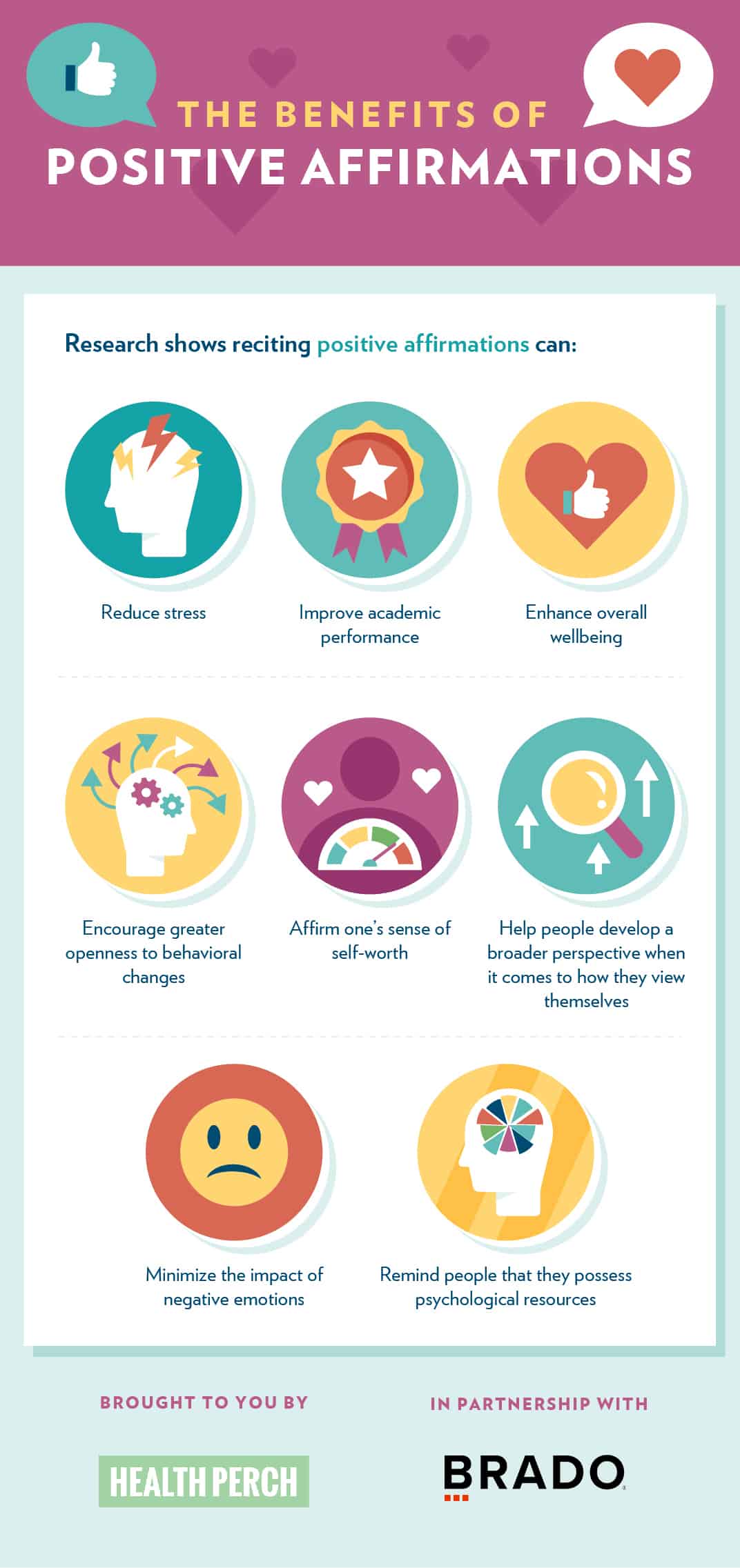
Research in psychology shows that repeating affirmations can improve self-esteem and reduce stress. One study found that people who used positive self-talk felt less anxious before exams and performed better. Another study showed that affirmations helped people make healthier choices, like eating better or exercising more.
Examples Of Common Affirmations
Here are some popular affirmations:
- “I am capable.”
- “I deserve happiness.”
- “I am confident in my abilities.”
- “I handle challenges with grace.”
- “I am improving every day.”
People customize affirmations for their needs. For example, athletes may use “I am strong and focused. ” Students might say, “I am prepared for my exams. ” The important part is that the affirmation feels true and meaningful to you.
Why People Use Affirmations
Affirmations are not just for positive thinking. They serve many purposes, from improving mental health to helping you reach goals. Let’s look at the main reasons people use affirmations.
Boosting Confidence
Many people struggle with self-doubt. Affirmations help you focus on your strengths. For example, repeating “I am skilled at my job” can reduce anxiety before an interview. Over time, your brain accepts these positive statements as truth.
Reducing Stress And Anxiety
Stress affects your body and mind. Affirmations can calm your thoughts. Saying “I am calm and relaxed” before a stressful event can help you feel more in control. Studies show that affirmations lower cortisol, a stress hormone, helping you feel less overwhelmed.
Improving Motivation
If you lack motivation, affirmations can help. For example, “I am making progress every day” encourages you to keep going, even when things are hard. This positive reinforcement helps you build new habits.
Supporting Mental Health
People with depression or anxiety often have negative thoughts. Affirmations help replace these with positive ones. Mental health experts suggest using daily affirmations to build a more positive mindset.
Enhancing Performance
Athletes, performers, and students use affirmations to improve their performance. Research shows that positive self-talk can increase focus and energy. For example, a runner might say, “I am fast and strong,” before a race. This boosts their confidence and helps them perform better.
Creating Healthy Habits
Affirmations are useful for changing habits. If you want to eat healthier, you might repeat, “I choose nutritious foods. ” Over time, your actions follow your words. This technique is popular in weight loss and addiction recovery programs.
Encouraging Positive Relationships
Affirmations can improve your relationships. Saying “I am a caring friend” or “I communicate clearly” helps you act with kindness and patience. This makes your interactions more positive.
Credit: www.simplysoulful.co.uk
The Science Behind Affirmations
You might wonder if affirmations are just wishful thinking. But science shows they have real effects on the brain and behavior.
How The Brain Responds
When you repeat affirmations, your brain forms new connections. This is called neuroplasticity. It means your brain can change and adapt. Positive statements create patterns that help you feel and act differently.
MRI studies show that self-affirmation activates the reward centers in your brain. These areas release dopamine, a chemical linked to happiness and motivation. That’s why affirmations can make you feel good and encourage action.
Evidence From Research
Several studies support the power of affirmations:
- In a study on students, those who used affirmations before tests had better grades and felt less stressed.
- Another study found that people who used affirmations daily had lower blood pressure and felt more relaxed.
- Affirmations also help people stick to healthy habits, like exercising or quitting smoking.
Researchers believe affirmations work by reducing threats to self-worth. When you feel insecure, affirmations remind you of your strengths, making challenges feel less scary.
Limitations And Criticisms
Affirmations are not magic. They work best when you believe in them and use them consistently. Some critics say affirmations can be harmful if they feel fake or unrealistic. For example, saying “I am rich” when you have financial problems may cause frustration.
It’s important to choose statements you believe and that feel possible.
How To Use Affirmations Effectively
Using affirmations is simple, but there are ways to make them more powerful. Let’s explore the best practices.
Choose Meaningful Affirmations
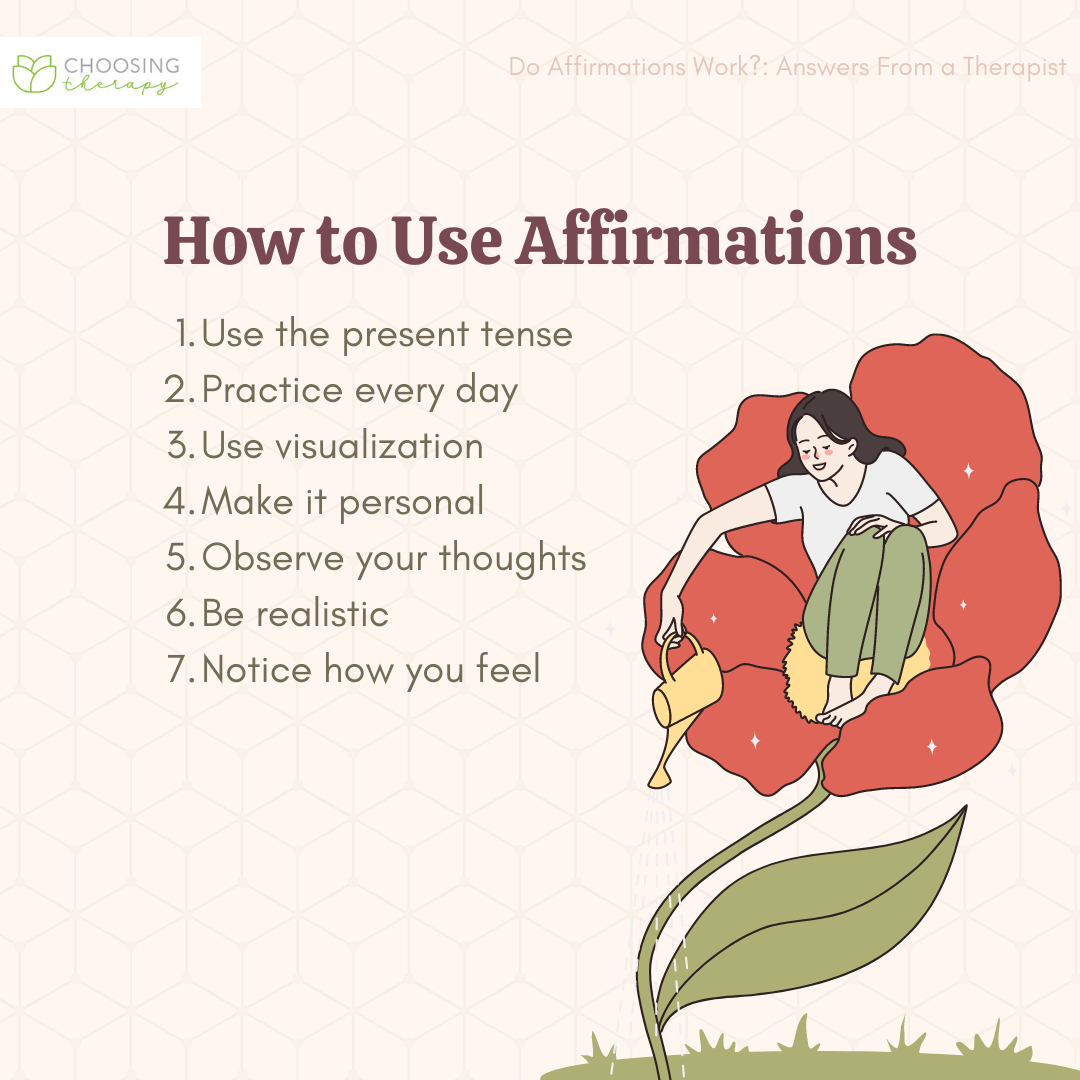
Pick statements that fit your goals and values. If you want to be more confident, say “I trust myself. ” If you want to improve your health, say “I take care of my body. ” The affirmation should feel real and achievable.
Repeat Regularly
Consistency is key. Repeat your affirmations every day. Many people say them in the morning or before bed. You can write them down, say them out loud, or think them silently.
Visualize Success
Imagine yourself achieving your goal as you repeat your affirmation. For example, if you say “I am successful,” picture yourself doing well at work or school. This helps your brain accept the positive statement.
Combine With Action
Affirmations work best with action. If you say “I am healthy,” also choose healthy foods and exercise. Words alone are not enough. Combine affirmations with real steps toward your goal.
Track Your Progress
Keep a journal of your affirmations and how you feel. Write down changes in your mood, confidence, or habits. This helps you see the impact and stay motivated.
Adjust As Needed
If an affirmation feels wrong or useless, change it. Make it more specific or realistic. For example, “I am improving my skills” may feel better than “I am perfect. ” Personalize your affirmations to fit your journey.
Credit: www.clinicalhypnotherapy-cardiff.co.uk
Real-life Examples And Success Stories
Many people use affirmations to change their lives. Here are a few examples.
Athletes
Famous athletes often use affirmations to stay focused and motivated. For example, a swimmer might repeat, “I am strong and fast,” before a race. Coaches encourage players to use positive self-talk to overcome nerves and improve performance.
Students
Students facing exams use affirmations like “I am prepared,” or “I can handle this challenge. ” This helps reduce stress and boost confidence, leading to better results.
People In Recovery
Individuals overcoming addiction use affirmations such as “I am in control,” or “I choose health. ” Recovery programs often include daily affirmations to support progress and prevent relapse.
Professionals
Employees and leaders use affirmations to build confidence and improve communication. For example, “I am a skilled leader,” or “I listen and understand others. ” This helps create a positive work environment.
Common Mistakes When Using Affirmations
Affirmations are simple, but some mistakes can limit their effectiveness. Avoid these common errors:
- Using unrealistic statements: If your affirmation feels impossible, it won’t help. Choose statements you believe.
- Inconsistent practice: Saying an affirmation once won’t make a difference. Repeat it daily.
- Ignoring actions: Affirmations must be paired with real steps. Words alone are not enough.
- Negative language: Avoid words like “not” or “can’t.” Focus on positive phrases.
- Lack of personalization: Copying someone else’s affirmation may not work for you. Create your own.
Credit: www.choosingtherapy.com
Comparison: Affirmations Vs. Other Positive Thinking Tools
There are many ways to build a positive mindset. How do affirmations compare with other tools?
| Tool | Main Feature | Best For | Weakness |
|---|---|---|---|
| Affirmations | Repeat positive statements | Changing mindset, building confidence | May feel fake if not personalized |
| Visualization | Imagine success | Goal setting, performance | Requires focus and imagination |
| Gratitude Journals | Write what you're thankful for | Boosting happiness, reducing stress | May not address deep beliefs |
| Meditation | Calm mind, focus on present | Stress reduction, mental clarity | Needs practice, time investment |
Affirmations are unique because they focus on self-talk. They are easy to use and require little time. However, combining affirmations with other tools can lead to better results.
Data: How Popular Are Affirmations?
Affirmations are widely used around the world. Surveys show that about 60% of adults have tried affirmations at least once. In the workplace, many companies encourage employees to use affirmations for better performance and stress management.
Usage Statistics
| Group | Percentage Using Affirmations | Purpose |
|---|---|---|
| Students | 55% | Exam stress, confidence |
| Athletes | 70% | Performance, motivation |
| Professionals | 65% | Workplace confidence |
| Recovery Patients | 80% | Health, addiction recovery |
These numbers show that affirmations are a common tool for self-improvement. Most users report feeling more confident and focused after regular practice.
Practical Tips For Starting Affirmations
If you’re new to affirmations, here are some simple steps to get started:
1. Identify Your Goals
Think about what you want to change or improve. Are you looking for more confidence, less stress, or better health? Your goal will guide your affirmation.
2. Write Your Affirmation
Create a short, positive statement. For example, “I am confident,” or “I make healthy choices. ” Make sure it’s easy to remember.
3. Repeat Daily
Say your affirmation in the morning, before bed, or during stressful moments. Repetition helps your brain accept the statement.
4. Believe In The Words
If you struggle to believe your affirmation, adjust it. Start with “I am learning to be confident,” instead of “I am always confident. ” This makes it feel true.
5. Combine With Action
Take steps toward your goal. If your affirmation is about health, choose healthy foods and exercise. Actions reinforce your words.
6. Track Progress
Keep a journal of your affirmations and any changes you notice. This keeps you motivated and helps you see your growth.
Comparing Affirmation Methods
There are different ways to use affirmations. Here’s a quick comparison:
| Method | How It Works | Benefits | Drawbacks |
|---|---|---|---|
| Written Affirmations | Write statements in a notebook | Helps with reflection and focus | Requires time for writing |
| Spoken Affirmations | Say statements out loud | Boosts energy and belief | May feel uncomfortable in public |
| Silent Affirmations | Think statements silently | Easy to use anywhere | Less impact without vocalization |
| Digital Affirmations | Use apps or recordings | Reminders, easy access | Less personal, may lack emotion |
Choose the method that fits your lifestyle. Mixing methods can help reinforce your affirmations.
Non-obvious Insights: What Beginners Often Miss
- Affirmations work best when they target specific beliefs. If you struggle with public speaking, use affirmations like “I speak clearly and confidently,” rather than general statements.
- Timing matters. Saying affirmations during stressful events or before important tasks can boost their effect. For example, repeat your affirmation before a meeting or exam.
- Emotion adds power. The more you feel the words, the stronger the impact. Smile or use positive body language while repeating affirmations.
- Negative self-talk can cancel out affirmations. Be aware of your thoughts. If you find yourself thinking negative things, pause and replace them with your affirmation.
- Sharing affirmations with others can help. Some people use group affirmations, where everyone repeats positive statements together. This builds support and encouragement.
Frequently Asked Questions
What’s The Best Time To Use Affirmations?
The best time is when you feel relaxed and focused. Many people use affirmations in the morning to start their day positively, or at night before bed. You can also use them before stressful events, like meetings or exams.
How Long Does It Take For Affirmations To Work?
Results vary. Some people notice changes in a few days, while others need weeks or months. The key is consistent practice. Keeping a journal can help track your progress.
Can Affirmations Help With Mental Health Problems?
Affirmations can support mental health, but they are not a replacement for professional help. They help reduce negative thoughts and build confidence. For serious issues, talk to a mental health expert.
What If I Don’t Believe My Affirmation?
If your affirmation feels false, adjust it. Start with “I am learning to be confident,” or “I am becoming healthy. ” As you practice and see progress, your belief will grow.
Are Affirmations Based On Science?
Yes, research supports the benefits of affirmations. Studies show they can improve confidence, reduce stress, and help build healthy habits. For more details, see Wikipedia’s page on affirmations.
Affirmations are a powerful tool for changing your mindset and reaching your goals. They are simple, flexible, and backed by science. Whether you want to boost confidence, reduce stress, or improve your health, affirmations can help. Remember to personalize your statements, repeat them regularly, and combine them with real action.
With practice, you’ll notice positive changes in your thoughts, feelings, and life.
