

Why is Positive Affirmations Important for Daily Success?
Why Is Positive Affirmations Important
Every day, millions of people repeat words to themselves. Sometimes those words are negative, filled with doubt or worry. Other times, they are positive and encouraging. Positive affirmations—short, uplifting statements you say to yourself—may seem simple, but they have a powerful effect on the mind. If you’ve ever wondered why these words matter, you’re not alone. Many psychologists, coaches, and teachers recommend positive affirmations for good reason: they help people feel better, change habits, and build confidence. This article explores why positive affirmations are important, how they work, and how you can use them to improve your life. Whether you’re new to affirmations or have tried them before, you’ll find practical guidance and real-world examples that show their true value.
What Are Positive Affirmations?
Positive affirmations are short, positive statements about yourself or your life. You repeat them regularly, either aloud or in your mind. For example, you might say, “I am confident,” or “I deserve happiness.” The key is to focus on positive words that help you believe in your abilities and possibilities.
Many people use affirmations to:
- Improve their self-esteem
- Change negative thoughts
- Motivate themselves to reach goals
- Reduce stress and anxiety
Unlike wishful thinking, affirmations are about training your mind to think differently. They encourage you to focus on strengths and opportunities instead of weaknesses and problems.
How Affirmations Work
Affirmations work through repetition. When you say something often, your brain begins to believe it. This is linked to a concept called neuroplasticity—the brain’s ability to change and adapt. By repeating positive statements, you create new patterns of thinking.
Researchers have shown that positive self-talk can:
- Lower stress levels
- Improve performance
- Increase self-confidence
The practice is simple, but the science behind it is complex. Affirmations can change the way you see yourself and the world around you.
The Science Behind Positive Affirmations
Many people ask, “Do affirmations really work? ” The answer is yes, but the effect depends on how you use them. Science explains why positive affirmations are important for mental health and personal growth.
Brain Chemistry And Affirmations
When you say positive affirmations, your brain releases chemicals like dopamine and serotonin. These are called “feel-good” hormones. They help you feel happier and more relaxed. A study showed that people who practiced daily affirmations had lower levels of stress and anxiety compared to those who did not.
Changing Neural Pathways
The brain is like a muscle. If you train it with positive thoughts, it grows stronger in those areas. This is known as neural pathway formation. Repeating affirmations helps create new connections in your brain that support positive thinking. Over time, these pathways become stronger, making positive thoughts come more naturally.
Self-affirmation Theory
Psychologists have developed a theory called self-affirmation theory. It says that affirming your values and strengths protects your self-worth. When you face challenges, affirmations help you stay resilient. For example, if you lose a job, saying “I am capable and resourceful” can help you cope better.
Data On Affirmation Benefits
Studies show that affirmations can improve outcomes in many areas:
- Students who use affirmations before exams score higher
- Athletes who practice affirmations perform better under pressure
- Employees who use affirmations report less job-related stress
Here’s a comparison of affirmation benefits in different groups:
| Group | Outcome | Improvement Rate |
|---|---|---|
| Students | Exam Scores | 15% higher |
| Athletes | Performance | 18% better |
| Employees | Job Stress | 25% lower |
This data shows that positive affirmations are not just a trend—they deliver real results.
Benefits Of Positive Affirmations
Positive affirmations offer many benefits for mental, emotional, and even physical health. Let’s explore the most important ways affirmations can help.
1. Boosting Self-esteem
Many people struggle with self-doubt. Affirmations help you build self-esteem by reminding you of your strengths. Saying “I am worthy of love and respect” can change how you feel about yourself. Over time, these words help you believe in your abilities.
2. Reducing Stress And Anxiety
Stress is common in modern life. Affirmations like “I am calm and in control” can help lower stress. When you focus on positive statements, your mind becomes less worried. This is especially helpful for people with anxiety.
3. Improving Motivation
Motivation is key to reaching goals. Positive affirmations such as “I can achieve my dreams” give you energy and drive. They help you stay focused, even when things get tough.
4. Changing Negative Habits
Bad habits are often linked to negative thinking. If you believe “I will never change,” you probably won’t. Using affirmations like “I am strong enough to change” helps you break old habits and build new ones.
5. Supporting Physical Health
Affirmations can even support physical health. People who use positive self-talk recover faster from illness and feel less pain. Words like “My body is strong and healthy” encourage healing.
6. Enhancing Relationships
Good relationships need trust and communication. Affirmations such as “I am a caring friend” or “I deserve healthy relationships” improve how you connect with others. You become more confident and open.
7. Building Resilience
Life is full of challenges. Affirmations help you build resilience—the ability to bounce back from difficulties. When you face setbacks, repeating positive statements helps you stay hopeful.
8. Increasing Productivity
People who use affirmations often get more done. Saying “I am focused and efficient” reminds you to stay on task. This can boost your productivity at work or school.
9. Enhancing Emotional Balance
Emotions can change quickly. Affirmations like “I accept my feelings” help you manage emotions and stay balanced. You become less reactive and more thoughtful.
10. Strengthening Mindset
A growth mindset means believing you can improve with effort. Affirmations support this mindset. By saying “I learn from my mistakes,” you become more open to growth and learning.
Why Positive Affirmations Are Important For Different Groups
Positive affirmations are useful for everyone, but their impact varies depending on age, background, and goals. Let’s look at how different groups benefit.
Children And Teens
Young people face many pressures—from school, friends, and family. Using affirmations helps them build confidence and cope with stress. Teachers often encourage students to say, “I am smart and capable,” before tests.
Adults
Adults use affirmations to manage work stress, improve relationships, and stay motivated. For example, a manager might say, “I am a strong leader,” to prepare for a meeting.
Seniors
Older adults sometimes feel lonely or uncertain about their abilities. Affirmations like “I am valued and wise” help them stay positive and engaged.
People With Mental Health Challenges
Those facing depression, anxiety, or trauma find affirmations helpful. They remind them of their worth and encourage hope. Affirmations are often used in therapy to support healing.
Athletes
Sports require focus and confidence. Affirmations like “I am ready to win” help athletes perform their best. Coaches often use positive self-talk as part of training.
Students
Students use affirmations to overcome fear and stress. Saying “I am prepared” before an exam can improve results.
Employees
Work can be stressful and competitive. Affirmations like “I am capable and successful” help employees stay motivated and confident.
Here’s a table showing affirmation use across groups:
| Group | Common Affirmation | Main Benefit |
|---|---|---|
| Children | I am smart and brave | Confidence |
| Adults | I am strong and capable | Resilience |
| Seniors | I am valued and wise | Self-worth |
| Athletes | I am ready to win | Performance |
| Employees | I am successful | Motivation |
The table shows how affirmations are tailored for each group’s needs.
How To Create Effective Positive Affirmations
Not all affirmations are equally helpful. The way you create and use them matters. Here’s how to make affirmations that work.
1. Keep Them Short And Simple
Use simple words and clear statements. Avoid long or complicated sentences. For example, “I am confident” is better than “I am becoming increasingly confident in all areas of my life.”
2. Make Them Personal
Affirmations should be about you. Use “I” or “my” to make them personal. For example, “I am capable” instead of “People are capable. ”
3. Focus On The Present
Use present tense. Say “I am healthy” instead of “I will be healthy. ” This helps your brain believe the statement now.
4. Use Positive Words
Avoid negatives. For example, “I am calm” is better than “I am not anxious. ”
5. Be Specific
Specific affirmations are more powerful. For example, “I handle stress with ease” is stronger than “I feel better. ”
6. Repeat Regularly
Consistency is key. Repeat affirmations daily, ideally in the morning or before bed.
7. Believe In Your Words
Say your affirmation with confidence. If you don’t believe it, adjust the statement until it feels true.
8. Write Them Down
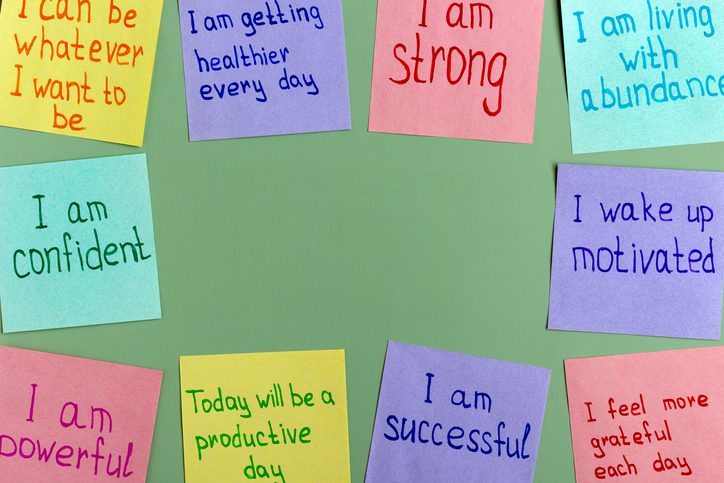
Writing affirmations helps reinforce them. Keep a journal or sticky notes in visible places.
9. Visualize Success
While saying your affirmation, imagine it happening. Visualization makes the statement more real.
10. Adjust Over Time
Change your affirmations as your goals or needs change. Keep them relevant.
Here’s a table comparing good and bad affirmation examples:
| Bad Example | Good Example | Reason |
|---|---|---|
| I will be happy | I am happy | Present tense is stronger |
| I am not weak | I am strong | Positive focus is better |
| People like me | I am likable | Personal statement is clearer |
| I hope to succeed | I am successful | Confidence matters |
The right wording makes affirmations more effective.
Common Mistakes With Positive Affirmations
Many beginners make mistakes that reduce the impact of affirmations. Knowing these mistakes helps you avoid them.
1. Using Negative Words
Some people say, “I am not afraid.” This focuses on fear, not courage. Always use positive language.
2. Being Too Vague
Statements like “I feel good” are not specific. Clear affirmations work better, such as “I am confident speaking in public. ”
3. Lacking Belief
If you don’t believe your affirmation, it won’t work. Start with statements you accept, then build up.
4. Forgetting To Repeat
Repeating once is not enough. Make affirmations part of your daily routine.
5. Ignoring Action
Affirmations help, but you must also take action. Saying “I am healthy” is good, but eating well and exercising are necessary.
6. Skipping Visualization
Visualization adds power to your affirmation. Imagine the outcome as you say the words.
7. Overloading With Too Many Affirmations
Using too many at once can dilute their effect. Focus on three to five affirmations at a time.
8. Not Personalizing
Generic statements are less effective. Make your affirmations personal and meaningful.
9. Expecting Instant Results
Affirmations take time. Be patient and persistent.
10. Not Adjusting
If your affirmation feels wrong, change it. Keep your statements relevant to your life.
Credit: canyonvista.com
Real-world Examples Of Positive Affirmations
Positive affirmations are used in many real-life situations. Here are some examples that show their value.
Example 1: Overcoming Public Speaking Fear
Maria was afraid to speak in front of groups. She started saying, “I am confident speaking in public” every morning. After a few weeks, she felt less nervous and gave a successful presentation.
Example 2: Improving Academic Performance
James struggled with math. He used the affirmation, “I am good at math and learn quickly. ” This helped him focus and believe in himself. His grades improved.
Example 3: Coping With Stress At Work
Lisa felt overwhelmed by her job. She repeated, “I handle stress calmly and efficiently. ” Over time, she managed tasks better and felt less anxious.
Example 4: Building Self-esteem After Rejection
After being rejected for a job, Alan said, “I am talented and valuable. ” This helped him stay positive and find a new opportunity.
Example 5: Supporting Recovery After Illness
Sarah was recovering from surgery. She used, “My body is healing every day. ” This affirmation encouraged her to stay hopeful and follow her doctor’s advice.
Practical Tips For Using Positive Affirmations
If you want to make affirmations part of your life, follow these practical tips.
- Choose affirmations that match your goals
- Say them every day, preferably at the same time
- Write them on paper or post them where you’ll see them
- Speak clearly and confidently
- Visualize the positive outcome
- Adjust affirmations as your needs change
- Pair affirmations with action steps
Some people record their affirmations and listen to them. Others use smartphone apps to remind them. Find a method that works for you.

Credit: ripplekindness.org
Non-obvious Insights: What Beginners Miss
Many beginners think affirmations are only for motivation. But they also help with emotional healing and breaking old patterns. Here are two insights most people overlook:
- Affirmations can reduce physical symptoms of stress. They not only help your mood but can lower blood pressure and improve sleep.
- Pairing affirmations with gratitude multiplies the effect. Saying, “I am grateful for my strengths” combines positive self-talk with gratitude, making it even more powerful.
How Positive Affirmations Fit In Personal Development
Positive affirmations are a key tool in personal development. Along with goal setting, meditation, and journaling, affirmations help you grow. Many experts include affirmations as part of self-improvement programs.
Personal development coaches often recommend:
- Setting clear goals
- Using affirmations to support those goals
- Practicing mindfulness
- Reflecting on progress
Affirmations help you stay focused and believe in your ability to improve.

Credit: www.amazon.com
Debunking Common Myths
Some people think affirmations are just “wishful thinking. ” Others say they don’t work. Let’s address these myths.
Myth 1: Affirmations Are Only For Optimists
Anyone can use affirmations, even people who feel negative. They are a tool for change, not just for those who are already positive.
Myth 2: Affirmations Don’t Work Without Action
This is true. Affirmations support action, but you must also work toward your goals.
Myth 3: Affirmations Are Unscientific
Research supports the effectiveness of affirmations. Studies show they improve performance and reduce stress.
Myth 4: You Need To Repeat Affirmations All Day
Quality matters more than quantity. Saying affirmations with belief and focus is better than repeating them without meaning.
Myth 5: Affirmations Are Only For Individuals
Groups, teams, and companies use affirmations. For example, sports teams may say, “We are strong and united” before a game.
For more details on the science behind affirmations, you can read research from the Psychology Today website.
Frequently Asked Questions
What Are Positive Affirmations?
Positive affirmations are short, uplifting statements you repeat to yourself. They help you focus on strengths, build confidence, and change negative thinking.
How Often Should I Say Affirmations?
Repeat affirmations daily. Once in the morning and once before bed works well. Consistency is important for success.
Can Affirmations Help With Anxiety Or Depression?
Yes, positive affirmations can help manage anxiety and depression. They support therapy and encourage hope, but should not replace professional help.
Do I Need To Believe My Affirmation For It To Work?
Belief helps, but you can start with statements you accept. Over time, as you repeat affirmations, belief grows naturally.
Can Children Use Positive Affirmations?
Absolutely. Children benefit from affirmations, especially for building confidence and coping with stress. Simple phrases like “I am brave” are effective.
Final Thoughts
Positive affirmations are more than just words—they are tools for change. Whether you want to build self-esteem, reduce stress, or achieve a goal, affirmations help you focus your mind and shape your reality. The science supports their use, and real-world examples show their impact.
By choosing clear, positive statements and repeating them daily, you train your brain to see possibilities instead of problems. The benefits reach across age, background, and life situation. With practice and patience, positive affirmations can transform your life, one word at a time.
