

Why Do We Write Affirmations: Unlocking the Power of Positive Self-Talk
Why Do We Write Affirmations
Most people have heard about affirmations, but not everyone understands why they matter. You may see friends posting positive phrases online, or notice people repeating kind words to themselves before a big event. Some view affirmations as simple self-help tools, while others think they are just wishful thinking.
But there is much more behind this practice. Writing affirmations is a habit that has helped people for generations. It is not only about feeling good—affirmations can change how we think, behave, and even how our brains respond to daily challenges.
Many believe that writing affirmations is a way to trick ourselves into thinking positively. However, this practice is based on both psychology and neuroscience. When we write affirmations, we are setting intentions, training our minds, and shaping our self-image. This article explores why we write affirmations, how they work, and what makes them effective.
If you are curious about the real purpose behind affirmations and how to use them wisely, keep reading.
The Psychology Behind Affirmations
Writing affirmations is not a new idea. The roots go deep into psychology. Affirmations are positive statements that help us challenge and overcome negative thoughts.
How Affirmations Influence Our Mind
When you write an affirmation like “I am confident,” you are doing more than just reading words. You are telling your mind to focus on confidence. This is important because our brains often repeat negative thoughts without us noticing. These negative patterns can affect our mood, actions, and even our health.
Research shows that repeating positive statements can help us reframe our thoughts. For example, when we say “I am capable,” we start to see ourselves as capable. This mental shift can be powerful. According to psychologists, affirmations are effective because they:
- Help us focus on our strengths
- Reduce stress and anxiety
- Build resilience against setbacks
- Increase motivation
Self-affirmation Theory
Self-affirmation theory explains why affirmations work. This theory suggests that when we remind ourselves of our values and strengths, we protect our self-worth. For example, if you fail a test but remind yourself “I am a hard worker,” you feel less defeated.
This helps you bounce back and try again.
The process is simple but effective. Writing affirmations acts as a shield against negative beliefs. It is like giving yourself a pep talk, but with science behind it.
The Neuroscience Of Affirmations
Many people do not realize that affirmations can change the brain. When you write an affirmation, your brain forms new connections. This is called neuroplasticity—the ability of the brain to adapt and reorganize.
How Affirmations Affect The Brain
When you repeat positive statements, your brain starts to believe them. This process works because of something called the reticular activating system (RAS). The RAS is a network in your brain that filters information. If you tell yourself “I am confident,” your RAS looks for proof of confidence in your daily life.
Studies using MRI scans have shown that affirmations can activate brain areas linked to self-processing and reward. This means that writing affirmations not only boosts mood but also changes how your brain responds to challenges.
Real-life Example
Imagine you are nervous about a job interview. You write and repeat: “I am prepared and ready to succeed.” Your brain starts to focus on preparation, rather than fear. This helps you perform better and feel more confident.
Benefits Of Writing Affirmations
Writing affirmations is more than just a feel-good exercise. The benefits are wide-ranging and backed by science.
1. Improves Self-esteem
People who write affirmations regularly often feel better about themselves. Positive statements help replace doubts with confidence. This is especially helpful for those who struggle with low self-worth.
2. Reduces Stress
Affirmations are a simple way to calm your mind. When you focus on positive words, your body relaxes. This can lower cortisol levels—the hormone linked to stress.
3. Supports Goal Achievement
Writing affirmations helps clarify your goals. If you write, “I am focused on reaching my goals,” your brain pays more attention to actions that lead to success. This keeps you motivated and makes it easier to stick to plans.
4. Promotes Positive Relationships
Affirmations can improve how you connect with others. For example, if you write, “I am a good listener,” you start to listen more actively. This leads to better communication and stronger relationships.
5. Boosts Resilience
Life is full of ups and downs. Affirmations help you bounce back from challenges. When you remind yourself of your strengths, setbacks feel less overwhelming.
6. Enhances Mental Health
Many therapists suggest using affirmations to manage anxiety and depression. Positive self-talk is a tool that can make a big difference in mental well-being.
Why Writing Affirmations Is More Powerful Than Saying Them
Some people prefer to say affirmations aloud, while others write them down. Both methods are helpful, but writing has unique advantages.
Writing Vs. Speaking: A Comparison
Here is a simple comparison between writing and speaking affirmations:
| Aspect | Writing Affirmations | Speaking Affirmations |
|---|---|---|
| Memory Impact | Stronger retention | Moderate retention |
| Focus | More focused | Can be distracted |
| Customization | Easier to personalize | Less flexible |
| Emotional Connection | Deeper engagement | Variable engagement |
Writing affirmations helps you slow down and think carefully. The act of writing makes the statement more real and personal. It is easier to remember and connect with your goals.
The Science Behind Writing
Research shows that writing things down helps us remember and believe them. When you write an affirmation, you use different parts of your brain. This deepens the impact and makes the affirmation stick longer.
Writing also helps you clarify your thoughts. You can change words until the statement feels right. This makes the affirmation more meaningful and effective.
How To Write Effective Affirmations
Not all affirmations are equal. Some work better than others. Writing effective affirmations is a skill. Here are steps to create strong affirmations:
Step-by-step Guide
- Be Positive: Use positive words. Instead of “I am not afraid,” write “I am brave.”
- Be Specific: Make the statement clear. “I am a good leader” is better than “I am good.”
- Use Present Tense: Write as if the goal is happening now. “I am successful” instead of “I will be successful.”
- Keep It Short: Simple sentences are easier to remember.
- Make It Personal: Use “I” or “my” to connect with yourself.
- Focus on Action: Include verbs. “I am learning” is more active than “I am smart.”
Examples Of Effective Affirmations
- “I am confident in my abilities.”
- “I handle challenges with calm and strength.”
- “I am healthy and energetic.”
- “I build positive relationships every day.”
Common Mistakes
Many beginners make mistakes when writing affirmations. Here are some to avoid:
- Using negative words (“I am not stressed”)
- Being too vague (“I am okay”)
- Writing in future tense (“I will be happy”)
- Making statements too long
Who Should Write Affirmations?
Affirmations are for everyone, not just people who struggle. Here are groups who benefit most:
- Students: To boost confidence and focus on studies.
- Professionals: To stay motivated and overcome work stress.
- Parents: To manage daily challenges and build patience.
- Athletes: To improve performance and mental toughness.
- Anyone facing change: To adapt and stay positive.
Affirmations help people at all stages of life. Whether you are starting a new job or dealing with tough times, writing affirmations can guide you.
Real-life Success Stories
Many people have changed their lives with affirmations. Here are examples that show the power of this practice:
Example 1: Overcoming Fear
A young woman struggled with public speaking. She wrote: “I am calm and confident on stage.” After months of repetition, she felt less nervous. She started enjoying presentations and even won awards.
Example 2: Achieving Goals
A man wanted to run a marathon. He wrote: “I am strong and prepared.” This statement kept him motivated during training. He finished the race and felt proud of his progress.
Example 3: Improving Relationships
A mother wanted to connect better with her children. She wrote: “I am patient and understanding.” This helped her respond calmly and build stronger bonds.
These stories show that affirmations can work in many areas of life.
Comparison With Other Mindset Tools
People use different tools to improve their mindset. Affirmations are just one option. Here is a comparison with other methods:
| Method | Purpose | Strengths | Weaknesses |
|---|---|---|---|
| Affirmations | Positive self-talk | Easy, flexible, personal | May feel unnatural at first |
| Visualization | Imagining success | Builds motivation | Needs quiet time |
| Meditation | Calming the mind | Reduces stress | Takes practice |
| Gratitude Journaling | Focusing on positives | Improves mood | Can be repetitive |
Affirmations are simple, require little time, and can be used anywhere. Other tools like meditation or visualization need more practice or a quiet space.

Credit: www.jaeghosts.com
The Role Of Affirmations In Habit Formation
Habits shape our lives. Affirmations can help change habits by shifting our mindset.
How Affirmations Support Change
When you write “I am disciplined,” you start to act more disciplined. This change happens slowly, but it is real. The affirmation reminds you of your goals every day. Over time, your actions match your words.
Example: Building A Healthy Routine
Imagine someone wants to exercise daily. They write: “I enjoy exercise and feel healthy.” This statement creates a positive attitude toward exercise. It is easier to stick to the habit because the mind is focused on the benefits.
Data On Habit Change
Studies show that people who use affirmations are more likely to stick to new habits. The key is consistency. Writing affirmations daily keeps the mind aligned with the desired change.
How Often Should You Write Affirmations?
There is no strict rule, but consistency is important. Most experts suggest writing affirmations daily. This keeps the statements fresh in your mind.
Frequency And Effectiveness
Here’s a simple comparison of frequency:
| Frequency | Impact | Notes |
|---|---|---|
| Daily | Strong | Best for habit change |
| Weekly | Moderate | Good for general mindset |
| Occasional | Low | May not be effective |
Daily practice makes affirmations part of your routine. This increases their power and makes positive change easier.

Credit: jackcanfield.com
Writing Affirmations For Different Goals
Affirmations can be tailored for different areas of life. Here are examples based on common goals:
Career
- “I am skilled and valued at work.”
- “I welcome new challenges and learn from them.”
Health
- “I take care of my body and mind.”
- “I make healthy choices every day.”
Relationships
- “I communicate clearly and kindly.”
- “I respect and support those around me.”
Personal Growth
- “I am always learning and growing.”
- “I trust myself to make wise decisions.”
Each affirmation should match your needs and aspirations. Personalized statements are more effective.
Two Insights Beginners Usually Miss
1. Affirmations Should Reflect Your True Values
Many people write affirmations about things they do not really care about. To be effective, affirmations should match your values. For example, if you value honesty, write: “I am honest in all situations.” This makes the statement feel genuine and powerful.
2. The Feeling Behind The Words Matters
Writing an affirmation is not enough. You need to feel the words. If you write “I am confident,” pause and imagine feeling confident. This emotional connection makes the affirmation stronger and increases its impact.
Practical Tips For Better Affirmations
Here are some practical ways to improve your affirmation practice:
- Write in a notebook dedicated to affirmations
- Use colorful pens to make writing enjoyable
- Repeat affirmations at the same time each day
- Combine affirmations with visualization
- Share your affirmations with someone you trust
These tips make the process more engaging and help affirmations stick.
What Science Says About Affirmations
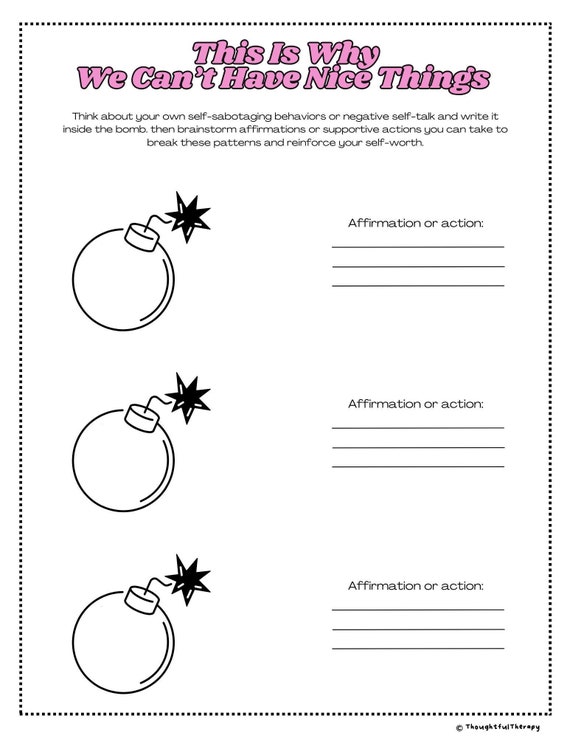
Affirmations are not just a trend. Scientific studies have shown their benefits. For example, researchers found that people who used affirmations before stressful tasks performed better and felt less anxious. Another study showed that affirmations can improve problem-solving skills under pressure.
The science is clear: affirmations help us manage stress, improve confidence, and support mental health. For more evidence and detailed studies, visit Wikipedia.
Credit: www.etsy.com
Frequently Asked Questions
What Is An Affirmation?
An affirmation is a positive statement that helps you challenge negative thoughts and build a better mindset. It is usually written in the present tense and focuses on strengths, goals, or values.
How Long Does It Take For Affirmations To Work?
The impact of affirmations depends on consistency and emotional engagement. Some people notice changes in a few weeks, while others need more time. Daily practice and belief in the words make affirmations more effective.
Can Affirmations Help With Anxiety?
Yes, affirmations can reduce anxiety. By focusing on positive statements, you calm your mind and reduce stress. Many therapists suggest using affirmations as part of anxiety management.
Should I Write Or Say Affirmations?
Both methods are useful, but writing affirmations often has a stronger impact. Writing helps you focus, remember, and personalize the statement. Saying affirmations can be added for extra support.
What If I Do Not Believe My Affirmation?
It is normal to feel unsure at first. The key is to keep writing and repeating the statement. Over time, your mind starts to accept and believe the affirmation. Make sure the statement matches your values and feels genuine.
Writing affirmations is a practice that can change how you think, act, and feel. It is simple but powerful. Whether you want to build confidence, manage stress, or reach new goals, affirmations are a tool you can use every day.
The habit of writing positive statements shapes your mindset and opens doors to new possibilities. If you have not tried affirmations yet, start today and see how they help you grow.
