

Why Do People Seek Affirmation: Uncovering Human Connection
Why Do People Seek Affirmation
Every person, at some point, has looked for a sign that they are doing well, making the right choice, or simply that they matter. Maybe it’s a compliment at work, a “like” on social media, or a reassuring word from a friend. The desire for affirmation runs deep in humans, shaping how we think, feel, and even act. But why do we crave it so much? Understanding this need can help us build better relationships, boost our own confidence, and avoid the common traps of seeking approval.
This article explores the psychology behind seeking affirmation, the different ways people look for it, and how it impacts both our private lives and society. We’ll dig into research, real-life examples, and some surprising facts that even many experts miss.
Whether you want to understand yourself or others, you’ll find practical insights here.
The Psychology Behind Seeking Affirmation
Our brains are wired to look for social feedback. Long ago, humans lived in small groups where being accepted was a matter of survival. If you were left out, you faced real danger. Modern life is much safer, but our minds still search for signs that we belong and are valued.
The Role Of Self-esteem
Self-esteem is how we see and value ourselves. When it’s high, we feel secure. When it’s low, we look outside for signs that we are good enough. Affirmation from others acts like a mirror, helping us see our strengths and weaknesses.
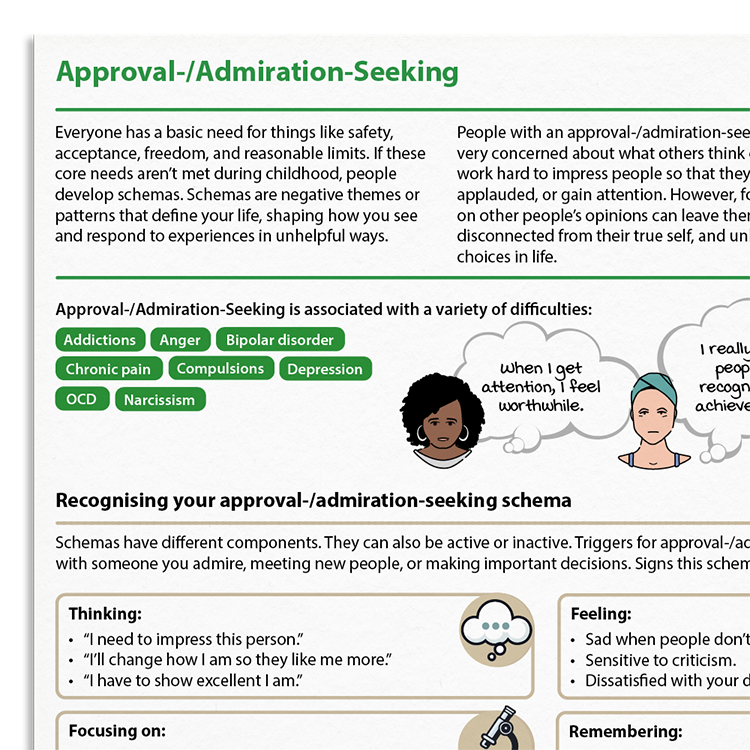
Research shows that people with lower self-esteem tend to seek more affirmation. They depend on praise or approval to feel good about themselves. On the other hand, those with high self-esteem still enjoy affirmation, but it’s not their main source of confidence.
Social Approval And Group Dynamics
Being part of a group brings comfort and identity. We want to fit in. When others accept us, it triggers positive feelings in the brain. In fact, brain scans show that social rejection activates the same area as physical pain.
This explains why affirmation can feel almost like a “reward,” and why a lack of it can hurt so much.
The Reward System In The Brain
When we get a compliment, our brains release dopamine—the same chemical involved in pleasure and motivation. This creates a cycle: affirmation feels good, so we keep seeking it. Over time, some people may even become addicted to approval, always needing more to feel satisfied.
Different Forms Of Affirmation
Affirmation comes in many shapes. Some are obvious, like direct praise. Others are subtle, like a smile or nod.
- Verbal affirmation: Words of encouragement, compliments, or support.
- Non-verbal affirmation: Gestures, eye contact, or physical touch.
- Written affirmation: Notes, emails, or even text messages.
- Digital affirmation: Likes, shares, or comments on social media.
Table: Common Forms Of Affirmation
| Type | Example | Typical Impact |
|---|---|---|
| Verbal | "Great job!" | Boosts motivation |
| Non-verbal | Smile or thumbs up | Creates instant connection |
| Written | Thank-you note | Builds lasting trust |
| Digital | Social media "like" | Short-term pleasure |
Why Do People Need Affirmation?
Let’s look at the core reasons people search for affirmation, beyond just wanting to feel good.
1. Building And Maintaining Self-worth
Affirmation tells us we matter. When others recognize our efforts or qualities, it confirms our value. This is especially important for children and teenagers, who are still forming their identity. But even adults need reminders that they are doing well.
2. Feeling Accepted And Included
Humans are social by nature. We want to belong. Affirmation acts as a sign that we are accepted, whether in a family, group of friends, or workplace. Without it, people can feel lonely—even when surrounded by others.
3. Reducing Self-doubt
Everyone doubts themselves sometimes. A kind word or gesture can silence those inner critics. Affirmation from others helps us trust our own choices, especially during tough times.
4. Motivation To Grow And Improve
Positive feedback can push us to do better. When someone notices our progress, we are more likely to keep trying. This is why good teachers, coaches, and leaders use affirmation to encourage growth.
5. Reinforcing Social Bonds
Affirmation strengthens relationships. When we support each other, trust grows. This is true in friendships, family, and even romantic partnerships. Simple gestures of support can make connections last.
6. Coping With Change Or Stress
Life is full of changes—new jobs, moves, losses. During these times, affirmation helps us adjust and cope. It tells us we are not alone, making challenges feel less scary.
7. Navigating Social Hierarchies
In groups, affirmation can signal status or position. When leaders or peers praise us, it can open doors to new opportunities. This is why people sometimes seek approval from those in power, not just friends.
The Dangers Of Over-reliance On Affirmation
While affirmation is healthy, too much dependence can cause problems. Here are a few risks to watch for:
1. Losing Sense Of Self
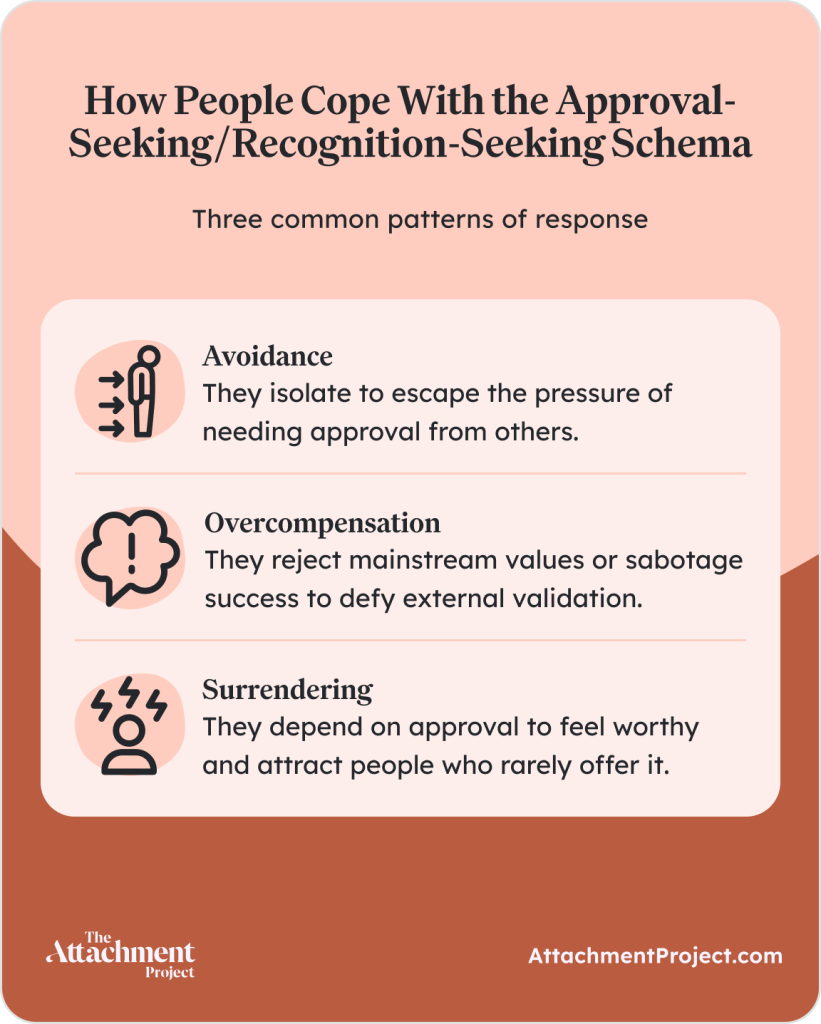
If you always need others’ approval, you may forget what you truly want. It becomes easy to shape your choices around what gets the most praise, instead of your real values.
2. Emotional Instability
When self-worth depends on affirmation, moods rise and fall with every comment or gesture. This can make people anxious or even depressed if they don’t get enough positive feedback.
3. Manipulation And Peer Pressure
People who crave affirmation may become easy targets for manipulation. They might agree to things they dislike just to get approval, or fall into unhealthy group behaviors.
4. Addiction To Social Media Validation
Digital affirmation—like likes and comments—gives fast rewards, but often fades quickly. This can lead to a cycle of constant posting and checking, which research links to lower well-being over time.
Comparison Table: Healthy Vs. Unhealthy Affirmation-seeking
| Healthy Seeking | Unhealthy Seeking |
|---|---|
| Motivated by growth | Motivated by fear of rejection |
| Occasional need for feedback | Constant need for approval |
| Balanced self-view | Self-worth depends on others |
| Open to criticism | Avoids any negative feedback |
How Affirmation Shapes Relationships
Affirmation is the “glue” in most strong relationships. But how we give and receive it makes a big difference.
In Family Life
Children who get regular affirmation from parents tend to have higher confidence and better social skills. But too much or “empty” praise can backfire, making kids feel pressure to be perfect. Balanced, specific feedback helps children grow.
Among Friends
Good friends cheer each other on, but also offer honest feedback. When affirmation is real and timely, it builds trust. When it’s fake or forced, people sense it and may pull away.
At Work
A simple “thank you” or recognition of effort can boost job satisfaction and performance. In fact, companies that use regular affirmation have lower staff turnover and higher productivity.
In Romantic Relationships
Couples who affirm each other feel closer and more secure. Small acts—like a compliment, a hug, or a simple “I appreciate you”—can keep relationships strong, even during hard times.
Cultural Differences In Seeking Affirmation
Not all cultures value affirmation in the same way. In some places, public praise is common. In others, it’s seen as awkward or even rude.
Individualistic Vs. Collectivist Cultures
- Individualistic cultures (like the US or Western Europe): People often seek and give open praise. Personal achievement is celebrated.
- Collectivist cultures (like Japan or China): Group harmony is more important. Affirmation is often private or subtle, to avoid making anyone feel left out.
Impact Of Gender Norms
In some societies, men may be taught not to show their need for affirmation, while women may be encouraged to seek and give it more freely. These norms shape how comfortable people feel asking for or giving support.
Generational Shifts
Younger generations, growing up with social media, may be more open about seeking affirmation. Older generations may value privacy or see open praise as less important.
The Role Of Affirmation In Mental Health
Affirmation is closely linked to mental health. People who regularly receive positive feedback are less likely to feel depressed or anxious.
Supporting Recovery
Therapists often use affirmations—positive statements about the self—as a tool for healing. For people struggling with negative self-talk, practicing self-affirmation can shift their mindset over time.
Preventing Burnout
In high-stress jobs like healthcare or teaching, affirmation from peers or leaders can protect against burnout. It reminds people that their hard work matters.
Table: Effects Of Affirmation On Mental Health
| Affirmation Type | Potential Mental Health Benefit |
|---|---|
| Verbal praise | Reduces anxiety, boosts mood |
| Written notes | Long-term self-confidence |
| Peer recognition | Increases resilience, prevents burnout |
| Self-affirmation | Improves self-image, reduces negative thoughts |
How To Give And Receive Affirmation Effectively
Knowing how to use affirmation can make a big difference in your life and the lives of others.
Tips For Giving Affirmation
- Be specific: Instead of “Good job,” try “I appreciate how you explained that idea clearly.”
- Be genuine: People know when praise is fake. Only affirm what you truly notice.
- Be timely: Give feedback soon after the event, so it feels relevant.
- Balance praise and feedback: Mix positive comments with helpful suggestions.
Tips For Receiving Affirmation
- Accept it graciously: A simple “thank you” is enough. Don’t downplay your efforts.
- Notice your feelings: Do you feel happy, embarrassed, or uncomfortable? Understanding your reaction can help you grow.
- Don’t depend on it: Use affirmation as a boost, not your main source of confidence.
- Practice self-affirmation: Remind yourself of your strengths, especially during tough times.
Two Insights Many Beginners Miss
- Quality over quantity: A few sincere words can mean more than constant, shallow praise.
- Affirmation is a skill: Both giving and receiving it well takes practice. Pay attention to what works and what feels forced.
Credit: www.psychologytools.com
Affirmation In The Digital Age
Today, affirmation often comes from screens. Social media makes it easy to get quick feedback, but it’s not always healthy.
The “like” Trap
Many people judge their worth by the number of likes or comments they receive. This is risky because online feedback is often random or based on trends, not true value.
Online Communities
Some online groups offer real support and affirmation, especially for people who feel isolated in real life. But online criticism can also be harsh and damaging.
Protecting Your Well-being Online
- Set limits on social media use.
- Focus on real connections, not just numbers.
- Remember that online affirmation is not the same as true self-worth.
Affirmation And Personal Growth
Affirmation can fuel personal development when used wisely. It helps people:
- Try new things without fear of failure.
- Build resilience after setbacks.
- Stay motivated through challenges.
But relying only on outside affirmation limits growth. The most successful people learn to balance external feedback with inner confidence.
When To Seek Affirmation—and When Not To
Ask for feedback when:
- You’re learning something new.
- You need guidance or support.
- You want to build trust in a relationship.
Try to rely less on it when:
- Making personal decisions about your values.
- Creating for your own satisfaction, not just applause.
- Facing criticism that isn’t helpful or fair.
The Science: Data And Studies
Research provides strong evidence that affirmation is a basic human need. Studies show:
- People who receive regular positive feedback are more productive at work.
- Children with supportive parents are less likely to develop anxiety.
- Social rejection activates the same brain areas as physical pain.
- Too much focus on social media affirmation can lead to lower self-esteem.
One well-known study found that affirmation can help reduce stress and improve problem-solving, even in high-pressure situations (National Institutes of Health). This effect is strongest when affirmation is specific and meaningful, not just “empty” praise.
How To Build Healthy Affirmation Habits
If you want to make affirmation a positive force in your life, here are some steps:
- Start with yourself: Notice your strengths and successes, even small ones.
- Affirm others: Look for chances to give sincere, specific praise.
- Limit comparison: Don’t measure your worth by others’ achievements.
- Reflect: After receiving feedback, ask yourself what you learned.
- Seek balance: Enjoy affirmation, but don’t depend on it for happiness.

Credit: proverbs31.org
Frequently Asked Questions
What Is The Difference Between Affirmation And Validation?
Affirmation is about recognizing and supporting someone’s strengths or actions. Validation means accepting someone’s feelings or experiences as real and understandable. Both are important, but affirmation is more about positive feedback, while validation is about emotional support.
Can Too Much Affirmation Be Harmful?
Yes, if someone relies only on outside praise, they may lose touch with their real values or feel anxious without approval. Too much affirmation can also make people afraid of criticism or trying new things.
Why Do Some People Seem To Need More Affirmation Than Others?
Differences in self-esteem, upbringing, and personality play a role. People who did not get enough support as children, or who are very sensitive, often seek more affirmation. Life events, like a new job or a breakup, can also make someone crave extra support.
How Can I Give Better Affirmation To Others?
Be specific about what you are praising, make sure it is genuine, and give it at the right time. Small, sincere comments are often more powerful than big, general ones.
What Are Some Examples Of Self-affirmation?
Self-affirmation can be as simple as saying, “I handled that situation well,” or, “I am a good friend. ” Writing down your achievements, repeating positive statements, or reflecting on your values are all forms of self-affirmation.
People seek affirmation for many reasons, from building self-worth to connecting with others. It’s a healthy and natural need, but must be balanced with self-understanding and genuine relationships. By learning to give and receive affirmation wisely, we can grow stronger, happier, and more connected—both with ourselves and with others.
Credit: www.attachmentproject.com
