

Why Do People Do Daily Affirmations? Uncover the Real Benefits
Why Do People Do Daily Affirmations
Feeling confident and positive every day isn’t always easy. Many people struggle with self-doubt, stress, or negative thinking. That’s why daily affirmations have become popular in personal growth communities, therapy, and even business. But why do so many people use affirmations? What makes repeating a few positive sentences each day so powerful?
This article explores the real reasons behind daily affirmations, how they work, and why they matter to so many. If you have ever wondered whether affirmations are just wishful thinking or if they actually change your mindset and life, you’re in the right place.
We’ll look at the science, practical uses, common mistakes, and tips for making affirmations work for you.
What Are Daily Affirmations?
Daily affirmations are short, positive statements that people repeat to themselves, often in the morning or before bed. The idea is simple: you tell yourself something good, like “I am confident” or “I handle challenges well,” and over time, your brain starts to believe it.
Affirmations can focus on any area:
- Self-esteem (e.g., “I am worthy of respect.”)
- Health (e.g., “I make healthy choices every day.”)
- Success (e.g., “I achieve my goals.”)
- Relationships (e.g., “I attract positive people.”)
The purpose is to replace negative thoughts with supportive, empowering ones. People use written notes, voice recordings, or simply repeat them mentally.
How Do Affirmations Work In The Brain?
Affirmations sound simple, but there is real science behind them. When you repeat a thought, your brain forms connections called neural pathways. The more you use a pathway, the stronger it becomes.
Self-affirmation Theory
Researchers have shown that affirmations activate the reward centers of the brain. This creates feelings of hope and motivation. According to self-affirmation theory, people want to see themselves as competent and good. When you use positive statements, you protect your self-image from stress or criticism.
The Power Of Repetition
Repeating affirmations every day helps new beliefs stick. The brain does not always know the difference between real and imagined experiences. If you say, “I am calm under pressure,” your brain starts to look for proof of this. Over time, you may feel less anxious during challenges.
Example: From Negative To Positive
Imagine someone who always thinks, “I’m not good enough at work. ” If they change this to, “I am learning and growing at my job,” and repeat it daily, their brain begins to see their efforts, not just mistakes. This small shift can reduce stress and improve confidence.
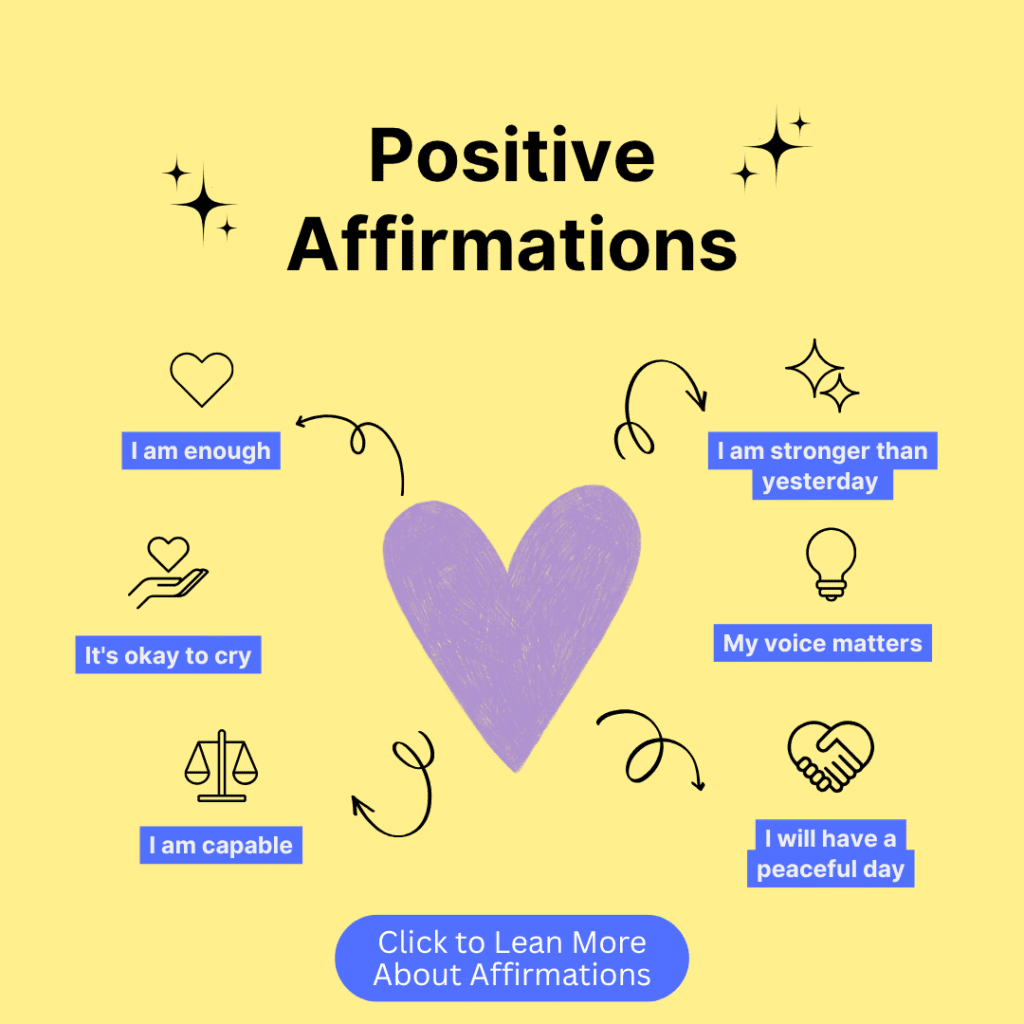
Credit: aapsychiatry.com
Main Reasons People Practice Daily Affirmations
People use daily affirmations for many reasons. Here are some of the most common:
1. Boosting Self-esteem
Affirmations help people build a stronger sense of self-worth. By focusing on their strengths and positive qualities, they become more confident in daily life.
2. Reducing Stress And Anxiety
Repeating calming statements can lower stress levels. For example, saying “I am in control of my emotions” helps people manage anxiety before a big event.
3. Improving Focus And Motivation
Affirmations keep goals clear. Saying “I stay focused on my tasks” can improve productivity and reduce distractions.
4. Encouraging Positive Habits
People use affirmations to support good habits, such as healthy eating, regular exercise, or quitting smoking. For example, “I choose foods that nourish my body. ”
5. Overcoming Negative Self-talk
Many struggle with a harsh inner critic. Affirmations replace negative self-talk with supportive messages, which can improve mental health over time.
6. Preparing For Challenges
Before interviews, presentations, or exams, affirmations like “I am prepared and capable” help people feel ready.
7. Supporting Healing And Recovery
Some use affirmations during recovery from illness or trauma. Statements like “My body heals more every day” can support mental and physical healing.
8. Strengthening Relationships
Affirmations about kindness, patience, or empathy help people build better relationships. For example, “I listen with care and respect. ”
9. Spiritual And Mindful Practice
Many include affirmations in meditation or prayer. This connects them with a sense of peace, purpose, or spirituality.
10. Building A Growth Mindset
Saying, “I can learn new things” encourages a belief that skills and intelligence can grow with effort. This mindset is key to lifelong learning.
The Science And Evidence Behind Daily Affirmations
Some people wonder if affirmations are just “feel-good” phrases. But there is real research supporting their effects.
Research Findings
- Brain Imaging Studies: Scans show that self-affirmation activates the ventromedial prefrontal cortex, a part of the brain tied to self-worth and reward.
- Stress Reduction: Studies found that people using affirmations before stressful tasks had lower cortisol (the stress hormone) levels.
- Behavior Change: Affirmations can help people stick to health goals. For example, one study found that people who affirmed their values were more likely to exercise and eat well.
Limitations And What Really Matters
Affirmations are not magic. If you repeat something that feels completely untrue (like “I am a millionaire” when you’re struggling financially), your brain may resist. The most effective affirmations are:
- Believable: Close enough to your reality that you can accept them.
- Positive: Focused on what you want, not what you fear.
- Present Tense: Use “I am” rather than “I will be.”
Example Of Effective Use
A person trying to manage stress might say, “I handle challenges calmly and with confidence. ” This is realistic and focuses on a positive quality.
Common Mistakes When Using Affirmations
Many people give up on affirmations because they don’t see quick results. Here are mistakes to avoid:
1. Choosing Unrealistic Statements
Affirmations should stretch you but still feel possible. If you say something too far from your truth, it can actually increase stress.
2. Lack Of Consistency
Saying an affirmation once or twice is not enough. It takes daily practice to form new mental habits.
3. Ignoring Negative Feelings
Affirmations are not about ignoring problems. It’s important to face challenges honestly, then use positive statements to move forward.
4. Repeating Without Feeling
Simply saying words is less powerful than believing them. Spend a moment feeling the truth in each statement.
5. Not Personalizing
Generic affirmations may not connect deeply. Adjust statements to match your goals and values.
How To Create Powerful Daily Affirmations
Anyone can write their own affirmations. Here’s how to make them work:
1. Start With “i Am”
This makes the statement about you and your identity.
2. Keep It Positive
Focus on what you want, not what you don’t want. For example, “I am calm” instead of “I am not anxious. ”
3. Use Present Tense
Speak as if it’s already true.
4. Keep It Short And Clear
Easier to remember and repeat.
5. Make It Believable
Stretch your comfort zone, but keep it honest.
6. Connect With Emotion
Choose statements that make you feel inspired or hopeful.
Examples Of Powerful Affirmations
- “I am strong and capable.”
- “I learn from every experience.”
- “I deserve happiness and success.”
- “I am grateful for today.”
Daily Affirmations Vs. Other Positive Practices
People often confuse affirmations with other self-help tools. Here’s a comparison:
| Practice | Main Focus | How It Works |
|---|---|---|
| Affirmations | Changing self-talk | Repeating positive statements daily |
| Visualization | Imagining success | Seeing yourself achieving your goals |
| Gratitude Journal | Appreciating what you have | Writing things you are thankful for |
| Meditation | Calming the mind | Focusing on breath or a mantra |
Affirmations can be used with these practices for even greater results.
Who Uses Affirmations?
Affirmations are not just for a certain type of person. People from all walks of life use them:
- Students: To boost confidence before exams.
- Athletes: To prepare mentally for competitions.
- Professionals: To handle stress at work or aim for promotions.
- Parents: To stay patient and positive with children.
- People in Recovery: To support healing from addiction or trauma.
Even public figures, such as famous athletes and entrepreneurs, have shared how affirmations helped them stay focused and motivated during tough times.
Benefits Of Doing Daily Affirmations
People use affirmations because they see real benefits, both large and small.
Improved Mental Health
Regular use of affirmations can lower anxiety and depression. It helps people feel more in control and optimistic about their lives.
Better Performance
Whether at school, work, or sports, those who use affirmations often perform better. They are less likely to give up when things get hard.
Healthier Relationships
Affirmations about respect, kindness, or understanding lead to better communication and more empathy.
Stronger Resilience
Affirmations help people bounce back from setbacks. When you believe in your ability to handle problems, you recover faster.
Increased Self-awareness
Affirmations require you to notice your thoughts and choose more positive ones. This builds awareness and emotional intelligence.
Practical Ways To Use Affirmations Every Day
Adding affirmations to your daily routine is simple. Here are some easy ways:
1. Morning Ritual
Say your affirmations out loud while looking in the mirror. This helps start your day with confidence.
2. Written Notes
Write affirmations on sticky notes and place them where you’ll see them, like your bathroom mirror or computer.
3. Phone Reminders
Set reminders on your phone to repeat affirmations during the day.
4. Journaling
Write your affirmations in a journal each morning or night. This strengthens the habit.
5. Audio Recordings
Record yourself and listen to your affirmations during your commute or while exercising.
6. Partner Practice
Share affirmations with a friend or family member. Support each other’s growth.
Sample Daily Routine
| Time of Day | Action | Example Affirmation |
|---|---|---|
| Morning | Mirror Practice | “I am ready for a successful day.” |
| Lunch | Phone Reminder | “I stay calm and focused.” |
| Evening | Journaling | “I am proud of my efforts today.” |
Common Myths And Truths About Affirmations
Myth 1: Affirmations Work Instantly
Truth: Affirmations take time and consistent effort. Like building muscle, you need to practice regularly.
Myth 2: Affirmations Are Just Positive Thinking
Truth: Affirmations are active practice. They focus on changing self-talk and beliefs, not ignoring problems.
Myth 3: They Only Work For Some People
Truth: Almost anyone can benefit, but results depend on the effort and making affirmations personal.
Myth 4: You Must Say Them Aloud
Truth: Speaking affirmations helps, but you can also write, think, or listen to them.
Myth 5: Affirmations Replace Action
Truth: Affirmations support action. They boost confidence, but you still need to work toward your goals.
Two Surprising Insights Most Beginners Miss
1. Affirmations Can Reveal Limiting Beliefs
When you start saying, “I am successful,” you may notice inner resistance or doubt. This is not a failure—it's a chance to discover and challenge old beliefs that are holding you back.
2. Affirmations Are More Powerful With Emotion
The more you connect emotionally to your affirmation, the deeper it goes. If you feel proud, joyful, or inspired as you repeat your statements, your brain responds faster. Simply repeating words without feeling is much less effective.

Credit: www.amazon.com
Mistakes People Make When Starting Affirmations
Many new users expect quick changes or choose affirmations that sound good but feel empty. Here are some pitfalls:
- Copying affirmations from the internet without thinking about what you truly want or need.
- Expecting affirmations to solve all problems. They are a tool, not a cure-all.
- Giving up too soon. Like any habit, affirmations need time to show results.
How To Track Your Progress
Using affirmations is a journey. To see results, keep track:
- Write down your starting beliefs. How do you feel about yourself now?
- Notice small changes. Are you more positive or less anxious after a few weeks?
- Adjust your affirmations as you grow. Make them fit your new goals and strengths.

Credit: www.rebelle-beauty.com
Real-world Examples: Stories Of Affirmations In Action
Overcoming Stage Fright
A teacher struggled with speaking in front of large groups. She started using “I speak with clarity and confidence” every morning. After a few weeks, she noticed less anxiety and more focus during presentations.
Building Healthier Habits
A man wanted to quit smoking. His daily affirmation, “I choose health every day,” helped him remember his goal during cravings. He combined affirmations with practical steps, like removing cigarettes from his home.
Growing A Small Business
An entrepreneur used “I create value and attract customers” as a daily affirmation. This boosted his confidence in sales calls and helped him stay motivated during tough times.
These stories show that affirmations work best when combined with effort and personal meaning.
Can Affirmations Change Your Life?
Affirmations alone won’t change everything overnight. But over time, they can help you:
- Shift your mindset from doubt to confidence.
- Build new habits of self-kindness and resilience.
- Create more opportunities by believing in your abilities.
The key is regular practice, choosing affirmations that matter to you, and using them alongside real action.
When Affirmations Might Not Be Enough
In some cases, affirmations are only part of a solution. If you struggle with deep emotional pain or mental health issues, affirmations alone may not help. It’s important to seek support from a counselor or mental health professional.
Also, people with perfectionist tendencies may use affirmations to avoid facing real problems. Always combine affirmations with honest self-reflection and practical steps.
Combining Affirmations With Other Tools
Affirmations work best with other positive practices:
- Visualization: Imagine yourself living your affirmation.
- Gratitude: Notice what is already good in your life.
- Goal Setting: Use affirmations to support clear, realistic goals.
- Mindfulness: Stay present and aware as you repeat your affirmations.
Many athletes, top performers, and therapists recommend using affirmations as one part of a bigger self-care routine.
Data On Affirmation Use And Outcomes
Research shows a link between affirmations and positive outcomes. Here is a summary:
| Outcome | With Affirmations | Without Affirmations |
|---|---|---|
| Reduced Stress | Yes | Less common |
| Goal Achievement | More likely | Less likely |
| Positive Self-Image | Higher | Lower |
| Resilience After Failure | Stronger | Weaker |
If you want to read more about the science behind affirmations, visit this Wikipedia page.
Frequently Asked Questions
What Is The Best Time To Do Daily Affirmations?
Many people choose the morning to set a positive tone for their day. Others prefer before bed to end the day peacefully. The best time is when you can be consistent and focused.
Can Affirmations Help With Anxiety Or Depression?
Affirmations can support better mental health by changing negative self-talk. However, they are not a substitute for professional help if you have severe anxiety or depression. Use them as part of a larger self-care plan.
How Long Does It Take To See Results From Affirmations?
Some people notice small changes in a few days, but bigger shifts may take weeks or months. Consistency is key—practice daily and adjust your affirmations as you grow.
Should Affirmations Always Be Positive?
Yes, affirmations should focus on positive qualities or outcomes. This helps your brain build better beliefs and habits. Avoid negative or critical statements.
Is It Better To Write, Say, Or Think Affirmations?
All methods work. Saying affirmations out loud adds emotion and power, but writing or thinking them also helps. Choose the method you enjoy and can do regularly.
Daily affirmations are a simple tool, but their real value comes from regular practice and personal meaning. If you use them wisely, they can help shape a more confident, positive, and resilient version of yourself.
