

Why Do Affirmations Work? Unlocking the Power of Positive Self-Talk
Why Do Affirmations Work? The Real Science, Benefits, and Practical Tips
Most people have heard about affirmations—those positive statements you say to yourself. Maybe you’ve seen them on social media, read them in self-help books, or heard friends talk about their daily “I am” phrases. But have you ever stopped to wonder: Why do affirmations work? Are they just wishful thinking or do they really help change your mind and life?
Many are curious, but few get clear answers. Some try affirmations and give up quickly. Others swear they have changed their lives. The truth is more interesting—and more practical—than you might expect. Understanding how affirmations work can help you use them wisely and see real results, not just hope for magic.
What Are Affirmations?
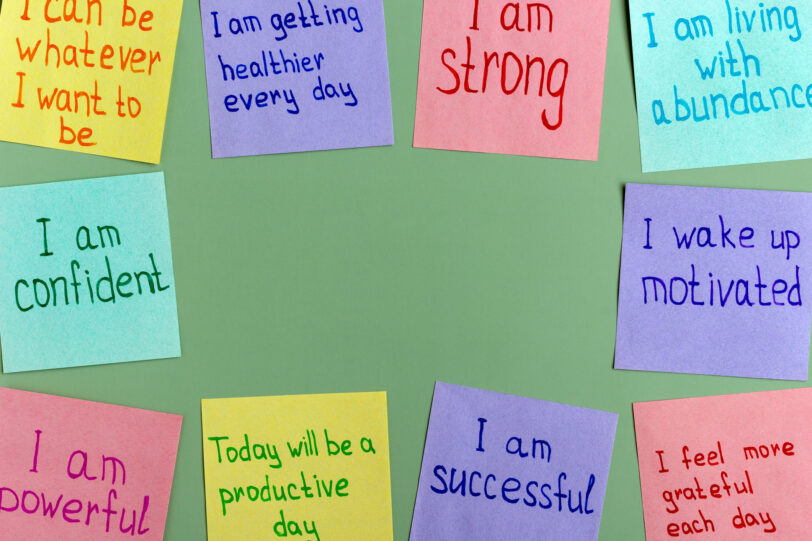
Affirmations are short positive statements you repeat to yourself. They usually start with “I am,” “I can,” or “I will.” Examples include:
- “I am confident and strong.”
- “I can handle any challenge.”
- “I will succeed in my career.”
These phrases aim to change your mindset. By repeating them, you try to replace negative thoughts with positive beliefs.
But affirmations are not just empty words. They are tools for training the mind. When you use them correctly, you can shift your thinking, your emotions, and even your actions. The key is understanding why and how they work.
The Science Behind Affirmations
Many people wonder if affirmations are based on real science or just “feel good” advice. Research shows that affirmations can be powerful, especially when used with intention and repetition.
Self-affirmation Theory
This theory, developed by psychologist Claude Steele, explains that people want to see themselves as good, capable, and worthy. When your self-image is threatened—maybe you fail a test or get rejected—your brain tries to protect your self-worth. Affirmations help remind you of your strengths and values, reducing stress and helping you bounce back faster.
Neural Pathways And Repetition
Your brain builds neural pathways when you repeat actions or thoughts. Negative thinking creates strong negative pathways. Affirmations work by building positive neural pathways instead. Over time, your mind starts to believe the new story you tell it.
Research And Real Evidence
Studies show that self-affirmation can lower stress, boost performance, and improve problem-solving. One experiment found that students who wrote about their values before a test performed better than those who did not. Another study showed that affirmations helped people handle social rejection more calmly.
In short, affirmations work because they:
- Rewire your brain for positivity
- Protect your self-worth in hard times
- Improve your ability to handle stress
Benefits Of Using Affirmations
Affirmations are more than just nice words. Used correctly, they bring real changes to your life. Here are some proven benefits.
1. Boosting Self-confidence
Repeating positive statements helps you see yourself in a better light. With time, you start believing in your own abilities. This confidence can lead to better decisions, more courage, and a willingness to try new things.
2. Reducing Negative Self-talk
Many people have a habit of criticizing themselves. Affirmations act as a shield against this negative self-talk. Each positive phrase replaces a negative thought, making you kinder to yourself.
3. Lowering Stress And Anxiety
Research shows that affirmations can reduce stress. When you face challenges, using affirmations helps you focus on your strengths, not your worries. This shift calms your mind and body.
4. Improving Focus And Motivation
Affirmations keep your goals in sight. By repeating them, you remind yourself what matters. This focus increases your motivation and helps you stay on track.
5. Supporting Physical Health
Some studies suggest that people who use affirmations feel less pain, recover faster, and even have better heart health. The mind-body link is real—positive thinking can help your body heal and stay strong.
6. Building Better Habits
Affirmations are useful when you want to break a bad habit or start a good one. They help you believe change is possible, making it easier to stick to new routines.
7. Enhancing Relationships
When you feel good about yourself, you treat others better. Affirmations can make you more patient, kind, and understanding, improving your relationships.
8. Achieving Goals
Affirmations are often used by athletes, entrepreneurs, and top performers. They help keep your mind fixed on success, making it easier to reach your goals.
How Do Affirmations Work In The Brain?
To really understand why affirmations work, it helps to see what happens inside your brain.
The Reticular Activating System
Your brain has a filter called the Reticular Activating System (RAS). It decides what information is important. When you repeat affirmations, your RAS starts to look for proof that your words are true. For example, if you say, “I am confident,” your brain starts to notice times when you act confidently.
Neuroplasticity
The brain is always changing. This is called neuroplasticity. When you repeat positive statements, you strengthen the connections linked to those thoughts. Over time, your brain makes it easier to think positively—just like learning a new skill.
Emotional Shifts
Affirmations can trigger positive emotions. When you say something good about yourself, you may feel happy, hopeful, or strong. These emotions help you act in line with your words.
Credit: www.cheservices.com
Common Myths And Misunderstandings About Affirmations
Some people doubt affirmations because they have heard myths or used them the wrong way. Let’s clear up the most common misunderstandings.
Myth 1: Affirmations Are Magic Spells
Affirmations are not magic. Simply saying “I am rich” will not put money in your pocket. Affirmations work best when they support real action. They change your mindset, which then changes your behavior.
Myth 2: You Have To Believe Them Right Away
At first, affirmations might feel strange or false. That’s normal. Over time, with repetition, they become more believable. The key is patience and consistency.
Myth 3: Affirmations Replace Hard Work
Affirmations help you believe in yourself, but you still need to take action. They are part of a bigger process, not a replacement for effort.
Myth 4: Only Positive People Benefit
Anyone can use affirmations, even if you have doubts or tend to think negatively. In fact, people with low self-esteem may benefit the most.
How To Create Effective Affirmations
Not all affirmations are equal. Some work better than others. Here’s how to create powerful affirmations that really help.
- Keep them positive: Focus on what you want, not what you don’t want. Say “I am calm” instead of “I am not stressed.”
- Use the present tense: Speak as if your statement is already true. “I am confident” works better than “I will be confident.”
- Make them personal: Use “I” or “my” to keep the statement about you.
- Keep them short and simple: Easy phrases are easier to remember and repeat.
- Be specific: Instead of “I am successful,” try “I am successful in my work.”
- Add emotion: If possible, include how you want to feel. “I am joyful and energetic.”
- Make them believable: If a statement feels impossible, adjust it. Try “I am becoming more confident every day.”
Examples Of Affirmations For Different Needs
Here are sample affirmations for different areas of life:
- Self-confidence: “I am worthy of respect.”
- Stress relief: “I am calm and at peace.”
- Health: “My body is strong and healthy.”
- Relationships: “I am open to love and connection.”
- Success: “I achieve my goals with courage and focus.”
You can also create your own, using the rules above.
The Best Times To Use Affirmations
Timing matters when using affirmations. Here are some of the most effective moments:
- First thing in the morning: Sets a positive tone for your day.
- Before a challenge: Helps you face stress, such as a test or big meeting.
- During stressful times: Calms your mind and reminds you of your strength.
- At night: Ends your day with positive thoughts.
- Anytime you notice negative self-talk: Use affirmations to interrupt and replace these thoughts.

Credit: www.amazon.com
Comparing Affirmations With Other Self-help Tools
Many people use affirmations along with other self-help methods. Here is a simple comparison of affirmations, meditation, and visualization:
| Tool | Main Benefit | Best For | Time Needed |
|---|---|---|---|
| Affirmations | Positive mindset, self-belief | Changing thoughts, boosting confidence | 1-5 minutes |
| Meditation | Calm, focus, stress relief | Relaxation, mental clarity | 5-20 minutes |
| Visualization | Goal achievement, motivation | Planning, success mindset | 5-10 minutes |
Combining these tools can give even better results. For example, you can meditate to calm your mind, then repeat affirmations, and finally visualize your goals.
Real-life Stories: How Affirmations Change Lives
Many people from all walks of life use affirmations. Here are a few inspiring examples:
- An athlete repeats, “I am strong and focused,” before every competition. This helps calm nerves and improve performance.
- A student uses, “I am smart and prepared,” before big exams. Over time, her confidence grows and her grades improve.
- A person recovering from illness says, “My body heals every day.” This mindset supports hope and helps them follow healthy habits.
While these stories are simple, they show that affirmations can be a powerful part of real change.
Mistakes To Avoid When Using Affirmations
Even though affirmations are simple, some common mistakes can limit their power:
- Being too vague: “I am happy” is less effective than “I feel joyful in my daily life.”
- Ignoring your feelings: If an affirmation feels fake, adjust it to something believable.
- Not repeating enough: Change takes time. Repeat affirmations daily for best results.
- Using only words: Combine affirmations with action. For example, say, “I am healthy,” then choose a healthy meal.
- Giving up too soon: It can take weeks or months to see real change. Patience is important.
Data On Affirmations: What Research Shows
You might wonder if there is real data behind affirmations. Here are some key findings from scientific studies:
- People who used affirmations before stressful events had lower levels of the stress hormone cortisol.
- Students who wrote about their values (a type of affirmation) before exams scored 10-15% higher than those who did not.
- People using affirmations daily reported 20-30% lower anxiety after one month.
Here is a summary in a simple table:
| Study Group | Affirmation Used? | Main Result |
|---|---|---|
| Students | Yes | Higher test scores |
| Job Seekers | Yes | More interviews, less stress |
| Patients with pain | Yes | Lower pain ratings |
These results show affirmations can help in both mental and physical ways.
Advanced Tips: Getting The Most From Affirmations
If you want the full benefit of affirmations, try these advanced strategies:
Say Affirmations Out Loud
Speaking your affirmation out loud makes it more powerful. You hear your own voice, which makes the message more real.
Use A Mirror
Look into your eyes in the mirror as you say your affirmation. This can feel strange at first, but it helps you connect deeply with the words.
Write Them Down
Write your affirmations in a journal every day. This action reinforces the message and makes you more likely to believe it.
Combine With Deep Breathing
Take a slow breath, then say your affirmation. This calms your body and mind, making it easier for your brain to accept the positive message.
Link Affirmations To Action
Each time you repeat an affirmation, take a small step that matches your words. For example, after saying “I am organized,” tidy your desk. This builds trust between your mind and your words.
Non-obvious Insights Beginners Often Miss
Most people using affirmations for the first time miss these important ideas:
- Affirmations work best when linked to your values. If your statement connects to what you care about—family, health, honesty—it feels more real and motivates you more.
- Negative affirmations are possible. If you keep repeating “I can’t do this,” you are also using affirmations—but in a harmful way. Be careful what you say to yourself, not just when you are trying to be positive.
Understanding these points can help you use affirmations more effectively and avoid hidden mistakes.
Are Affirmations Right For Everyone?
Affirmations are safe for most people. However, if you have deep emotional pain or mental health concerns, affirmations alone might not be enough. Sometimes, repeating positive statements can feel fake or even make you feel worse if your pain is deep.
In these cases, working with a counselor or therapist is wise.
For most people, though, affirmations are a gentle and helpful tool that can make a real difference over time.
Combining Affirmations With Other Habits
For faster results, use affirmations with other healthy habits:
- Journaling: Write about your thoughts, feelings, and progress.
- Exercise: Physical activity boosts your mood and helps positive thinking.
- Mindfulness: Being present makes it easier to notice negative thoughts and replace them.
- Goal-setting: Clear goals give affirmations a purpose.
This approach makes your affirmations much more powerful and helps you see results sooner.
A Quick Comparison: Affirmations Vs. Positive Thinking
Some people confuse affirmations with general positive thinking. While both are helpful, they are not the same. Here’s how they compare:
| Aspect | Affirmations | Positive Thinking |
|---|---|---|
| Definition | Specific positive statements | General optimistic outlook |
| How Used | Repeated daily | Overall mindset |
| Main Benefit | Rewires negative thoughts | Better mood, less worry |
Affirmations are a focused tool, while positive thinking is a broader approach. You can use both together for best results.
The Role Of Belief: Do You Have To Believe In Affirmations?
Belief helps, but it’s not required at first. Many people start with doubts. Over time, with repetition and small successes, belief grows. Think of affirmations like learning a new skill—it feels hard at first, but gets easier with practice.
If you struggle to believe your affirmation, try softer statements like:
- “I am learning to feel confident.”
- “I am open to new possibilities.”
These are easier for your mind to accept.
Credit: www.boldtuesday.com
Where To Learn More
If you want to explore the science behind affirmations, you can find more information from trusted sources like Wikipedia.
Frequently Asked Questions
What Is The Main Purpose Of Affirmations?
The main purpose is to help you change negative thinking patterns into positive ones. By repeating positive statements, you train your mind to focus on your strengths and goals, which can lead to better confidence, lower stress, and more success.
Do I Have To Say My Affirmations Out Loud?
Saying affirmations out loud is more powerful because you hear your own voice. However, you can also write them down or repeat them silently in your mind. The most important part is repetition and belief.
How Long Does It Take For Affirmations To Work?
Results vary from person to person. Some people notice changes in a few days, while others need several weeks or months. The key is to be patient and repeat your affirmations daily.
Can Affirmations Help With Anxiety And Stress?
Yes, many studies show that affirmations can reduce anxiety and stress. By focusing on positive thoughts, you can calm your mind and feel more in control during hard times.
What Should I Do If My Affirmations Feel Fake?
If an affirmation feels untrue, adjust it to something believable. For example, instead of saying “I am completely confident,” try “I am becoming more confident every day.” The goal is to make your affirmations feel real and encouraging.
Affirmations are simple, but their power grows with practice and patience. When used with intention, they can change not only your thoughts—but your life.
