

Why Do Affirmations Make Me Uncomfortable? Understanding the Truth
Why Do Affirmations Make Me Uncomfortable
Have you ever tried saying positive affirmations to yourself, only to feel awkward, tense, or even a bit silly? You’re not alone. Many people feel uncomfortable when they practice affirmations, even though the idea seems simple: repeat positive statements to change your mindset. But behind this discomfort are layers of psychology, beliefs, and personal history. In this article, we’ll explore why affirmations can feel so strange, what happens in your mind during this process, and how you can use this discomfort to grow. If you want to understand your reactions and make affirmations work better for you, keep reading.
What Are Affirmations?
Affirmations are short, positive statements you say to yourself. The goal is to encourage a positive mindset, boost self-esteem, or change negative thoughts. Common examples include “I am confident,” “I deserve happiness,” or “I can handle challenges.” People use affirmations for motivation, stress relief, and personal growth.
The basic idea is that repeating these statements can help your brain believe them, leading to changes in behavior and feelings. However, it’s not always as easy as it sounds. The discomfort many people experience is real and deserves attention.
The Psychology Behind Affirmations
Why Our Minds Resist Affirmations
When you say an affirmation, your mind often checks if it matches your current beliefs. If you say “I am successful,” but deep down you feel like a failure, your brain notices the gap. This cognitive dissonance—the conflict between your affirmation and your belief—can cause discomfort.
Your mind likes consistency. If your thoughts, feelings, and actions don’t match, your brain may create tension. This is a natural reaction meant to protect you from falsehoods or wishful thinking.
Self-concept And Identity
Your self-concept is made from years of experience, feedback, and self-reflection. If you’ve struggled with self-esteem or faced criticism, your self-concept may be negative or fragile. Affirmations challenge this self-concept. When you say something positive that feels untrue, your mind may react with doubt, sarcasm, or even anger.
This discomfort is a sign that your self-concept is being questioned. Instead of pushing the feeling away, it can help to notice it and ask yourself why you feel this way. Many people miss this step and simply stop using affirmations because it feels odd.
Emotional Triggers
Affirmations can activate emotional triggers. For example, if you grew up hearing negative comments about yourself, positive affirmations may bring up painful memories. The discomfort is not just about the words; it’s about your personal history and the emotions attached to it.

Credit: www.sagebrushcounseling.com
Common Reasons Affirmations Make You Uncomfortable
1. The Statement Feels False
One of the main reasons for discomfort is that the affirmation feels like a lie. If you say “I am confident,” but you’re not, your brain argues back. This clash can make you feel awkward or even anxious.
2. Fear Of Disappointment
Some people worry that believing in positive statements will lead to disappointment. If you say “I will succeed,” but fail, the pain feels stronger. This fear keeps you from fully embracing affirmations.
3. Negative Self-talk Habits
If you’re used to negative self-talk, positive affirmations feel unnatural. Your inner voice might criticize or mock the statements. This habit is deeply rooted and takes time to change.
4. Cultural And Social Conditioning
In many cultures, self-praise is frowned upon. People are taught to be modest or humble. Saying “I am amazing” can feel boastful or arrogant, even if you say it privately.
5. Past Trauma Or Criticism
If you’ve experienced trauma or severe criticism, affirmations can activate feelings of unworthiness. The positive words may remind you of times when others doubted or hurt you.
6. Impatience With Results
Some expect quick results from affirmations. When nothing changes after a few days, frustration grows. This impatience can make the practice feel pointless.
7. Shame Or Embarrassment
Saying affirmations, especially out loud, can make you feel silly or embarrassed. You may worry someone will hear you or judge you, even if you’re alone.
8. Lack Of Emotional Connection
If the affirmation feels empty or forced, it’s hard to connect emotionally. Without real feeling, the words don’t stick, and discomfort follows.
9. Fear Of Self-delusion
Some worry that affirmations lead to ignoring real problems. The idea of “just say it and it will happen” feels like self-delusion, making people uncomfortable with the practice.
10. Difficulty With Vulnerability
Affirmations require you to admit your desires and weaknesses. This vulnerability can be uncomfortable, especially if you’re used to hiding your feelings.
Comparing Affirmations With Other Self-help Methods
To understand why affirmations feel strange, it helps to compare them with other self-help tools. Here’s a look at how affirmations differ from journaling and meditation:
| Method | Main Focus | Emotional Impact | Common Discomfort |
|---|---|---|---|
| Affirmations | Positive statements | Can trigger resistance, awkwardness | Feeling false, vulnerable |
| Journaling | Reflection, insight | Often brings clarity, less resistance | Reliving painful memories |
| Meditation | Mindfulness, calm | Usually soothing, neutral | Restlessness, boredom |
This comparison shows that discomfort with affirmations is unique. It’s more about challenging your beliefs and identity than simply thinking or reflecting.
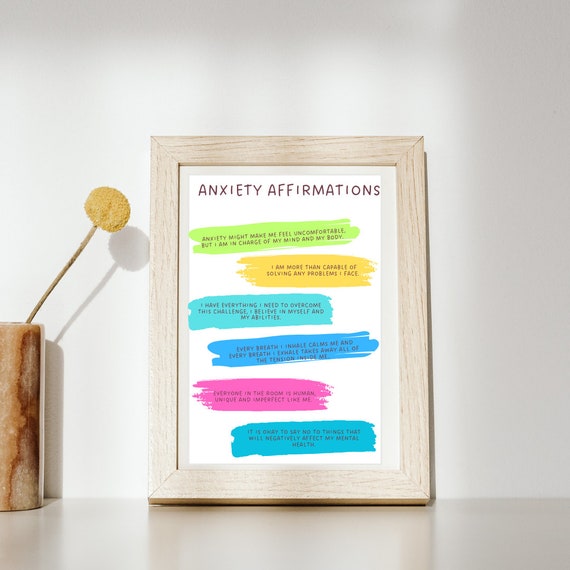
Credit: www.etsy.com
How The Brain Processes Affirmations
The Role Of The Prefrontal Cortex
The prefrontal cortex is the part of your brain that manages reasoning and self-reflection. When you say an affirmation, this area checks if it fits your beliefs. If it doesn’t, your brain can feel uneasy.
Neural Pathways And Habits
Your brain builds neural pathways based on repeated thoughts and behaviors. If you’ve spent years thinking negatively about yourself, these pathways are strong. Affirmations try to build new pathways, but the old ones resist change.
Emotional Regulation
When you feel discomfort, your brain tries to regulate your emotions. It may distract you, make you laugh, or criticize the affirmation. This is a defense mechanism to protect your current self-view.
Practical Examples Of Affirmation Discomfort
Example 1: “i Am Worthy”
Maria has always felt insecure. When she tries the affirmation “I am worthy,” she feels a tightness in her chest. Her mind instantly lists reasons why she isn’t worthy. This discomfort is her brain’s way of protecting her from disappointment.
Example 2: “i Am Successful”
James works hard but often doubts his achievements. Saying “I am successful” makes him feel like a fraud. He remembers past failures and feels anxious. The affirmation clashes with his self-concept.
Example 3: “i Deserve Love”
Priya survived a difficult childhood. When she says “I deserve love,” she feels sadness and anger. The affirmation brings up memories of rejection, making the practice painful.
These examples show that discomfort is not a sign of weakness. It’s a normal reaction to challenging beliefs.

Credit: jasondemant.com
Data On Affirmation Effectiveness And Discomfort
Research shows that affirmations can help, but only if the statements feel believable. In one study, people with low self-esteem felt worse after saying positive affirmations that didn’t match their beliefs. In contrast, those with high self-esteem felt better.
| Group | Affirmation Reaction | Emotional Outcome |
|---|---|---|
| Low Self-Esteem | Discomfort, resistance | Lower mood, increased anxiety |
| High Self-Esteem | Acceptance, positivity | Higher mood, confidence |
This data shows that the effectiveness of affirmations depends on your starting point. If you feel uncomfortable, it might mean your self-esteem needs attention first.
Non-obvious Insights About Affirmation Discomfort
Insight 1: Discomfort Is A Sign Of Growth
Many beginners think discomfort means affirmations are wrong for them. In reality, discomfort is a sign that your beliefs are being challenged. It’s a step in the process of growth. If you lean into the feeling and ask yourself why you’re uncomfortable, you can learn more about your self-concept and make affirmations more effective.
Insight 2: The “gap” Between Statement And Belief Matters
Most people miss the importance of the gap between affirmation and belief. If the gap is too wide, discomfort grows. If the gap is small, you may feel motivated. The trick is to find affirmations that are believable enough to stretch your mindset without causing too much tension.
Ways To Reduce Affirmation Discomfort
1. Start With Neutral Statements
Instead of bold affirmations like “I am amazing,” start with neutral ones: “I am learning to be confident,” or “I am open to new possibilities.” These feel less false and are easier to accept.
2. Use Evidence-based Affirmations
Back your affirmations with real examples. If you say “I am capable,” recall a moment when you solved a problem. This adds credibility and reduces resistance.
3. Practice Self-compassion
When discomfort arises, treat yourself kindly. Remind yourself that growth takes time and discomfort is part of the process.
4. Adjust Your Affirmations
If a statement feels too big, make it smaller. Instead of “I love myself completely,” try “I am learning to appreciate myself. ”
5. Combine With Other Tools
Use journaling, meditation, or therapy alongside affirmations. These tools can help you process emotions and make affirmations more effective.
Affirmations And Cultural Factors
Social Expectations
In some societies, expressing positive beliefs about yourself is discouraged. People may value modesty or humility, making affirmations feel unnatural. If you come from such a background, it’s normal to feel discomfort.
Family Influence
Your family’s attitude toward self-expression matters. If your family discouraged self-praise, affirmations may feel wrong. Understanding this influence can help you approach affirmations with more awareness.
The Role Of Perfectionism
Perfectionists often struggle with affirmations. If you expect yourself to believe the statement perfectly, any doubt feels like failure. This all-or-nothing thinking can make affirmations more uncomfortable.
Overcoming Perfectionism
Try to accept that affirmations are not magic. It’s normal to have doubts. Progress happens in small steps, not all at once.
Comparing Affirmation Discomfort With Other Growth Challenges
Growth is often uncomfortable. Learning a new skill, facing fears, or changing habits can all cause tension. Affirmation discomfort is similar. Here’s how it compares:
| Growth Challenge | Type of Discomfort | Possible Outcome |
|---|---|---|
| Learning a new language | Embarrassment, confusion | Improved communication |
| Public speaking | Anxiety, self-doubt | Confidence, new skills |
| Affirmations | Awkwardness, resistance | Stronger self-belief |
Recognizing that discomfort is part of growth can help you stick with affirmations.
Common Mistakes With Affirmations
1. Choosing Impossible Statements
Selecting affirmations that are too far from your current reality makes discomfort worse. Pick statements that you can believe, even a little.
2. Ignoring Emotional Reactions
If you push away discomfort, you miss the chance to learn. Pay attention to your feelings and adjust your approach.
3. Expecting Immediate Change
Affirmations take time. If you expect instant results, you’ll feel frustrated.
4. Comparing With Others
Everyone reacts differently to affirmations. Don’t judge your progress by someone else’s experience.
5. Skipping Consistency
Affirmations work best with regular practice. Skipping days makes it harder to build new beliefs.
Using Discomfort To Your Advantage
Discomfort is not a reason to quit. Here’s how you can use it:
- Notice when you feel uncomfortable. Ask yourself what belief is being challenged.
- Adjust your affirmations to match your current mindset.
- Use discomfort as a signal to dig deeper. Journaling about your feelings can reveal hidden beliefs.
- Celebrate small wins. If an affirmation feels less strange over time, you’re making progress.
Real-life Stories: People Who Felt Uncomfortable With Affirmations
Story 1: Overcoming Awkwardness
Anna started using affirmations after reading about their benefits. At first, she felt silly and even laughed at herself. But she stuck with it, starting with simple statements like “I am trying my best. ” Over time, the discomfort faded and she began to notice positive changes in her mindset.
Story 2: Facing Resistance
Tom struggled with low self-esteem. Affirmations made him feel like a fraud. He switched to evidence-based statements: “I managed a difficult situation last week.” This reduced his discomfort and helped him build confidence slowly.
Story 3: Dealing With Cultural Pressure
Leila grew up in a family where self-praise was discouraged. Affirmations felt wrong to her. She reframed her statements to focus on effort: “I am working hard,” instead of “I am great.” This made affirmations fit her values and reduced resistance.
How To Make Affirmations Work For You
- Start small. Use statements you can believe, even if only a little.
- Notice your emotional reactions. Discomfort is normal and can teach you about yourself.
- Adjust your affirmations as you grow. When a statement feels easier, try a new one.
- Combine affirmations with other self-help tools for better results.
- Be patient. Change takes time, and discomfort is part of the journey.
What Experts Say About Affirmation Discomfort
Psychologists agree that discomfort with affirmations is common. Some suggest starting with incremental affirmations—statements that slowly build confidence. Others recommend combining affirmations with therapy or coaching.
According to Psychology Today, affirmations are most effective when they are believable and supported by evidence. If you feel uncomfortable, it may mean you need to work on your self-esteem first.
Frequently Asked Questions
Why Do I Feel Silly When Saying Affirmations?
Feeling silly is common because affirmations challenge your usual self-talk and beliefs. Your brain may resist statements that don’t match your self-concept. This awkwardness is a normal part of trying something new.
Can Affirmations Make My Mood Worse?
Yes, especially if the affirmation feels false or too far from your reality. People with low self-esteem may feel worse after saying positive statements. Adjusting your affirmations to fit your mindset can help.
How Long Does It Take For Affirmations To Feel Comfortable?
It depends on your self-belief and consistency. For some, discomfort fades in a few weeks. For others, it takes longer. Starting with believable statements and practicing regularly makes the process smoother.
Should I Stop Using Affirmations If They Make Me Uncomfortable?
No, but you should adjust your approach. Use smaller, more believable statements and pay attention to your feelings. Discomfort is a signal to learn, not a reason to quit.
What If My Culture Discourages Self-praise?
If self-praise feels wrong due to cultural values, focus on affirmations about effort or learning. For example, “I am working hard” or “I am open to growth. ” This makes affirmations fit your values and reduces resistance.
Affirmations may feel strange or uncomfortable, but these feelings are a sign of inner growth. By understanding the reasons behind your discomfort and adjusting your approach, you can use affirmations to build self-esteem and change your mindset. The journey is unique for everyone, and discomfort is just a step along the way.
