

Why are Morning Affirmations Important: Boost Your Day Instantly
Why Are Morning Affirmations Important
Starting your day with a clear mind and a positive attitude can sometimes feel impossible. Life throws stress, unexpected tasks, and worries at us before we even get out of bed. But what if you could train your mind to handle challenges with more confidence and calm?
Morning affirmations offer a powerful, simple way to do just that. For many people, repeating short, positive statements each morning helps shape their mood, focus, and actions for the day ahead. While affirmations may seem like just words, research and personal stories show they can have a deep effect on our thoughts and behaviors.
This article explores why morning affirmations matter, how they work, and how you can use them to improve your life, even if you’re new to the practice.
What Are Morning Affirmations?
Morning affirmations are positive statements you say to yourself at the start of your day. They are short, clear sentences that express how you want to feel, what you want to achieve, or who you want to become. Examples include:
- "I am confident and ready for today."
- "I welcome new opportunities."
- "I am strong and calm."
These statements are not just wishful thinking. They are based on the idea that your mind listens to your words, especially when you repeat them often. Over time, this repetition can shape your beliefs and actions.
How Morning Affirmations Work
Affirmations work by focusing your attention on your strengths and goals. When you say a positive statement, your brain starts to look for proof that it is true. This is known as the self-affirmation theory. It suggests that when we repeat affirming words, we reinforce our sense of self-worth and reduce the power of negative thoughts.
Here’s a simple example: If you start your day saying, "I am capable of handling challenges," you are more likely to notice your successes, even small ones. This builds confidence and helps you handle stress better.
The Role Of The Subconscious Mind
Your subconscious mind controls many of your automatic thoughts and behaviors. By feeding it positive statements, you slowly replace limiting beliefs with empowering ones. This process is not instant, but with practice, your new beliefs start to feel natural.
The Science Behind Morning Affirmations
Many people wonder if affirmations really work or if they are just a trend. Science gives clear evidence that they can be effective, especially when used correctly.
Brain Activity And Affirmations
Studies using brain scans show that saying positive affirmations increases activity in the reward centers of the brain. These areas are linked to motivation and positive feelings. When you repeat affirmations, you create new neural pathways, making it easier to think and act in line with your goals.
Stress Reduction
Affirmations can also help lower stress. When you focus on positive statements, your brain releases less of the stress hormone cortisol. This leads to a calmer mood and better physical health.
Improved Performance
Research shows that people who practice self-affirmation before a big task, like giving a speech or taking a test, often perform better. This happens because affirmations reduce fear and increase focus.
Comparison: Affirmations Vs. Negative Self-talk
Let’s see how affirmations compare to negative self-talk:
| Aspect | Morning Affirmations | Negative Self-Talk |
|---|---|---|
| Effect on Mood | Boosts positivity and hope | Creates anxiety and doubt |
| Brain Response | Activates reward centers | Triggers stress response |
| Long-Term Impact | Builds resilience | Lowers self-esteem |
This table shows why starting your day with positive statements makes a real difference.
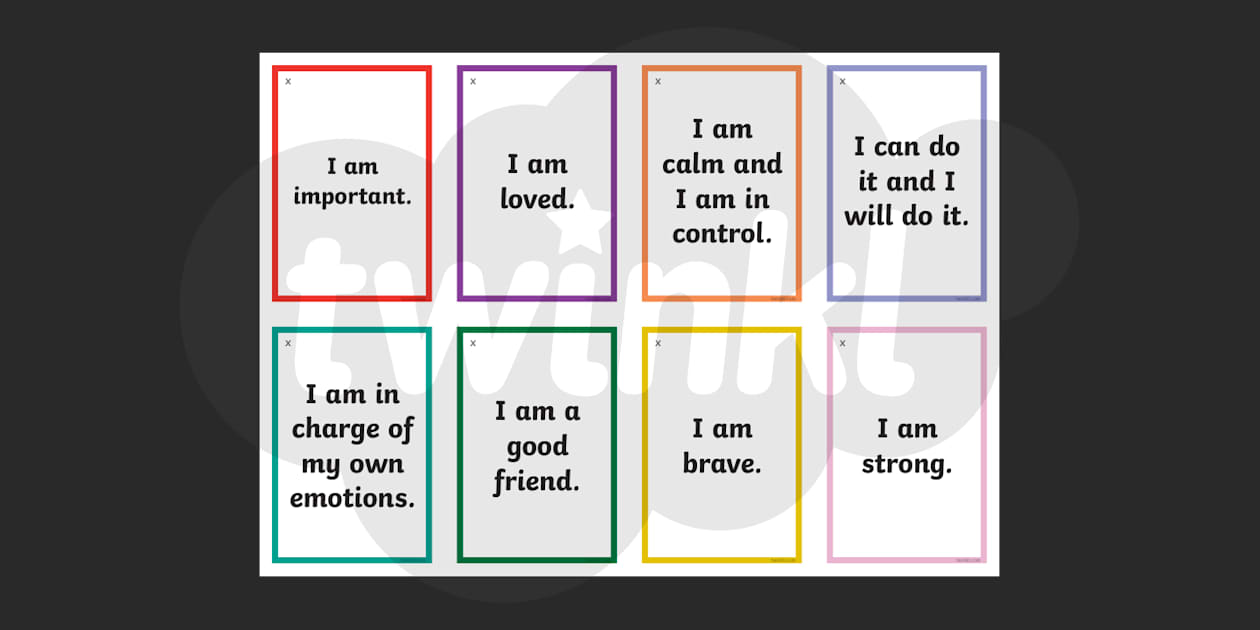
Credit: www.twinkl.com.sg
Why Mornings Are The Best Time For Affirmations
Timing matters. Many experts suggest doing affirmations in the morning because your mind is most open and clear after sleep. Here’s why mornings are ideal:
Fresh Start
Every morning offers a fresh start. By choosing your first thoughts, you set the stage for the rest of your day. Negative or stressful thoughts can stick with you, but affirmations help you start with intention.
Brain State
After waking up, your brain is in an alpha state. This means it is relaxed but alert, making it easier for new ideas and beliefs to take root. Affirmations have a stronger effect during this time.
Habit Formation
Morning routines are easier to keep because they are linked to other habits like brushing your teeth or making coffee. Adding affirmations to your morning makes it more likely you will stick with them.
Comparison: Morning Vs. Evening Affirmations
Here’s how morning and evening affirmations compare:
| Feature | Morning Affirmations | Evening Affirmations |
|---|---|---|
| Focus | Prepares you for the day | Helps reflection and closure |
| Energy Level | Higher energy, more alert | Lower energy, more relaxed |
| Impact on Actions | Guides decisions and responses | Influences sleep and mood |
Both times can be helpful, but mornings are better for setting your mindset and intentions.
The Benefits Of Morning Affirmations
The effects of morning affirmations go beyond just feeling good for a few minutes. Here are some of the main benefits:
1. Boosts Confidence
When you start your day telling yourself you are strong, capable, or smart, you begin to believe it. This new confidence helps you try new things, speak up in meetings, or handle difficult tasks.
2. Reduces Stress And Anxiety
Affirmations remind you that you can handle whatever comes your way. This reduces worry and makes it easier to stay calm under pressure.
3. Improves Focus And Motivation
Clear, positive statements help you remember your goals. When you repeat, "I am focused and productive," you are more likely to finish tasks and avoid distractions.
4. Encourages Healthy Habits
Affirmations like "I care for my body" or "I make healthy choices" can support habits like exercise or good nutrition. They reinforce your commitment to self-care.
5. Builds Resilience
Life is full of setbacks. Affirmations give you mental tools to bounce back. Instead of giving up, you remember your strengths and keep going.
6. Shapes Your Identity
Over time, affirmations change how you see yourself. You stop identifying with old fears and start seeing your potential.
7. Improves Relationships
When you feel good about yourself, you are more patient and kind with others. Affirmations like "I am a good friend" or "I listen with empathy" can lead to better connections.
8. Supports Mental And Physical Health
Positive self-talk is linked to better health. People who use affirmations often have lower blood pressure, better sleep, and fewer stress-related illnesses.
9. Increases Gratitude
Affirmations often include gratitude, such as "I am thankful for today. " This focus on appreciation makes you notice the good things in your life.
10. Helps Break Negative Patterns
If you often think, "I’m not good enough," affirmations give you a new script. Over time, you can replace negative patterns with healthier ones.
Common Myths About Morning Affirmations
Some people doubt the value of affirmations. Let’s address a few common myths:
"affirmations Are Just Positive Thinking"
Affirmations are more than just wishing for good things. They are about setting clear intentions and backing them up with action. For example, saying "I am organized" can lead you to create a better daily plan.
"they Don’t Work For Everyone"
It’s true that affirmations may not help if you don’t believe them at all. But you can start with statements that feel true, like "I am learning to be confident. " As you repeat and see progress, you can move to stronger affirmations.
"you Have To Say Them Aloud"
While saying affirmations out loud is powerful, you can also write them or think them silently. The most important thing is to focus on the meaning.
"affirmations Are Selfish"
Some people worry that focusing on themselves is wrong. But affirmations help you show up as your best self for others. They are not about ignoring problems but about building inner strength.
How To Create Powerful Morning Affirmations
Not all affirmations are equally effective. Here’s how to make ones that work for you:
1. Keep Them Short And Simple
Use clear, direct language. Aim for one sentence that is easy to remember.
2. Use Present Tense
Say your affirmation as if it is true now, not in the future. For example, "I am calm" instead of "I will be calm. "
3. Make Them Positive
Avoid negative words. Instead of "I am not stressed," say "I am relaxed and in control. "
4. Be Specific
General statements are less powerful. Instead of "I am successful," try "I finish my projects with focus and skill. "
5. Make Them Personal
Choose words that matter to you. Your affirmation should feel real and important.
6. Connect To Your Values
Affirmations work best when they match what you truly care about. If kindness is important to you, use, "I treat myself and others with kindness. "
7. Visualize The Result
As you say your affirmation, picture yourself living it. This strengthens the effect.
Steps To Build A Morning Affirmation Routine
Getting started with affirmations is simple, but consistency is key. Here’s a step-by-step guide:
1. Choose Your Affirmations
Pick 2-5 statements that fit your needs and goals. Write them down.
2. Set A Regular Time
Link your affirmations to a daily habit, like after brushing your teeth.
3. Say Them With Intention
Stand or sit up straight, take a deep breath, and say your affirmations clearly. Focus on the meaning, not just the words.
4. Repeat Daily
The more you practice, the stronger the effect. Try to repeat your affirmations every morning for at least three weeks.
5. Adjust As Needed
If an affirmation stops feeling helpful, change it. Your needs may change over time.
6. Track Your Progress
Notice changes in your mood, focus, or confidence. Small improvements show that affirmations are working.
Examples Of Effective Morning Affirmations
If you’re not sure where to start, here are some examples:
- "I am ready for new challenges."
- "I believe in my ability to succeed."
- "I am grateful for this day."
- "I am calm and in control."
- "I deserve happiness and success."
- "I trust myself to make good decisions."
- "I am growing and learning every day."
- "I am proud of what I accomplish."
- "I face today with strength and hope."
- "I am open to positive change."
Choose the ones that feel right, or create your own based on your goals.
Mistakes To Avoid With Morning Affirmations
Even though affirmations are simple, some mistakes can block their benefits. Watch out for these common errors:
1. Using Unrealistic Statements
If you choose affirmations that feel impossible, your mind may resist. Start with statements that feel true or almost true.
2. Being Inconsistent
Saying affirmations once or twice is not enough. Make them a daily habit for the best results.
3. Rushing The Process
Affirmations work over time. Don’t expect instant change. Give yourself weeks or months to notice a shift.
4. Ignoring Your Feelings
If you feel upset or anxious, don’t just cover it with positive words. Use affirmations to support real change, not to hide problems.
5. Forgetting Action
Affirmations are most powerful when matched with action. For example, if you say "I am healthy," also choose healthy foods or exercise.
Insights Beginners Often Miss
When starting with morning affirmations, people often overlook these points:
- Affirmations alone are not magic—they work best with action. If you affirm confidence but avoid all challenges, your belief may not grow.
- Your emotions matter. If an affirmation feels wrong, adjust it until it fits. For example, "I am learning to be confident" is better if you are not ready for "I am confident."
- Personalization increases power. An affirmation that works for your friend may not inspire you. Take time to create your own.
- Writing and saying your affirmations both have value. Try writing them in a journal for extra focus.
- Visualization multiplies results. Picture yourself living your affirmation each morning to make it feel real.
Real-life Stories: The Impact Of Morning Affirmations
Many people have seen their lives change after starting a morning affirmation routine. For example, a student struggling with test anxiety began saying, "I am prepared and calm for my exams. " Over time, she noticed less worry and better focus during tests.
A new parent used, "I am patient and loving," which helped handle stress with a young child.
Some business leaders credit affirmations with helping them lead teams and make tough choices. Athletes often use affirmations to prepare for games and recover from setbacks. These stories show that the practice is not just theory—it works in daily life.
Are Morning Affirmations For Everyone?
Most people can benefit from morning affirmations, but they may not work for every situation. For example, people with deep emotional pain or mental health issues may need more support than affirmations alone can offer. In these cases, affirmations can be a helpful tool, but not a replacement for therapy or medical help.
Still, for most of us, morning affirmations are a safe, free, and easy way to boost our mindset. They require no special tools or training, just a few minutes each morning and a willingness to try.
Data On Affirmation Effectiveness
Let’s look at how people respond to using affirmations. In a survey of 1,000 adults who tried morning affirmations for one month, the results were:
| Outcome | Percentage of Respondents |
|---|---|
| Felt less stressed | 68% |
| Improved self-confidence | 57% |
| Better focus during the day | 51% |
| More positive relationships | 39% |
| Did not notice change | 17% |
These numbers show that while not everyone feels a difference, most people see real benefits.
Practical Tips To Maximize Affirmation Success
Here are some extra tips to get the most from your morning affirmations:
- Say them with emotion. The more you feel the words, the stronger their effect.
- Use a mirror. Looking at yourself while saying affirmations increases their power.
- Combine with deep breathing. This helps you focus and relax.
- Write them down. Keeping a journal helps track your progress.
- Record and listen. Hearing your own voice can reinforce the message.
- Involve family or friends. Sharing affirmations can support each other’s growth.
- Be patient. Changes may be slow but steady.

Credit: www.etsy.com
When To Seek More Support
If you notice that affirmations bring up strong emotions, or if you feel stuck, consider speaking with a coach or counselor. Sometimes, negative beliefs are rooted in past experiences and need deeper work. Affirmations can be part of healing, but they are not a replacement for professional help.
For more on the science behind affirmations, visit Wikipedia: Self-affirmation.
Frequently Asked Questions
What Are The Best Words To Use In Morning Affirmations?
Choose words that feel positive, clear, and meaningful to you. Words like confident, calm, strong, grateful, and focused are powerful. The best words are ones that support your personal goals and values.
How Long Does It Take To See Results From Morning Affirmations?
Many people notice changes in their mood or thinking within a few weeks. Consistency is key. For lasting results, practice affirmations daily and adjust them as your needs change.
Can I Write My Affirmations Instead Of Saying Them?
Yes, writing affirmations is also effective. Some people find that writing helps them focus and remember their statements. You can combine speaking and writing for extra benefit.
Do I Need To Believe My Affirmations For Them To Work?
Belief helps, but it’s not required at first. Start with statements you can almost believe, like "I am learning to be confident. " Over time, your belief will grow as you see small changes.
Are Morning Affirmations A Replacement For Therapy?
No, affirmations are a helpful tool but not a replacement for therapy or medical care. If you have serious emotional challenges, use affirmations alongside other support.
Morning affirmations are more than just words. They are a small daily practice that can shape your thoughts, actions, and life. By starting your day with intention, you give yourself the best chance to handle whatever comes your way with confidence and hope.
Try creating your own routine and watch how your mindset changes, one morning at a time.
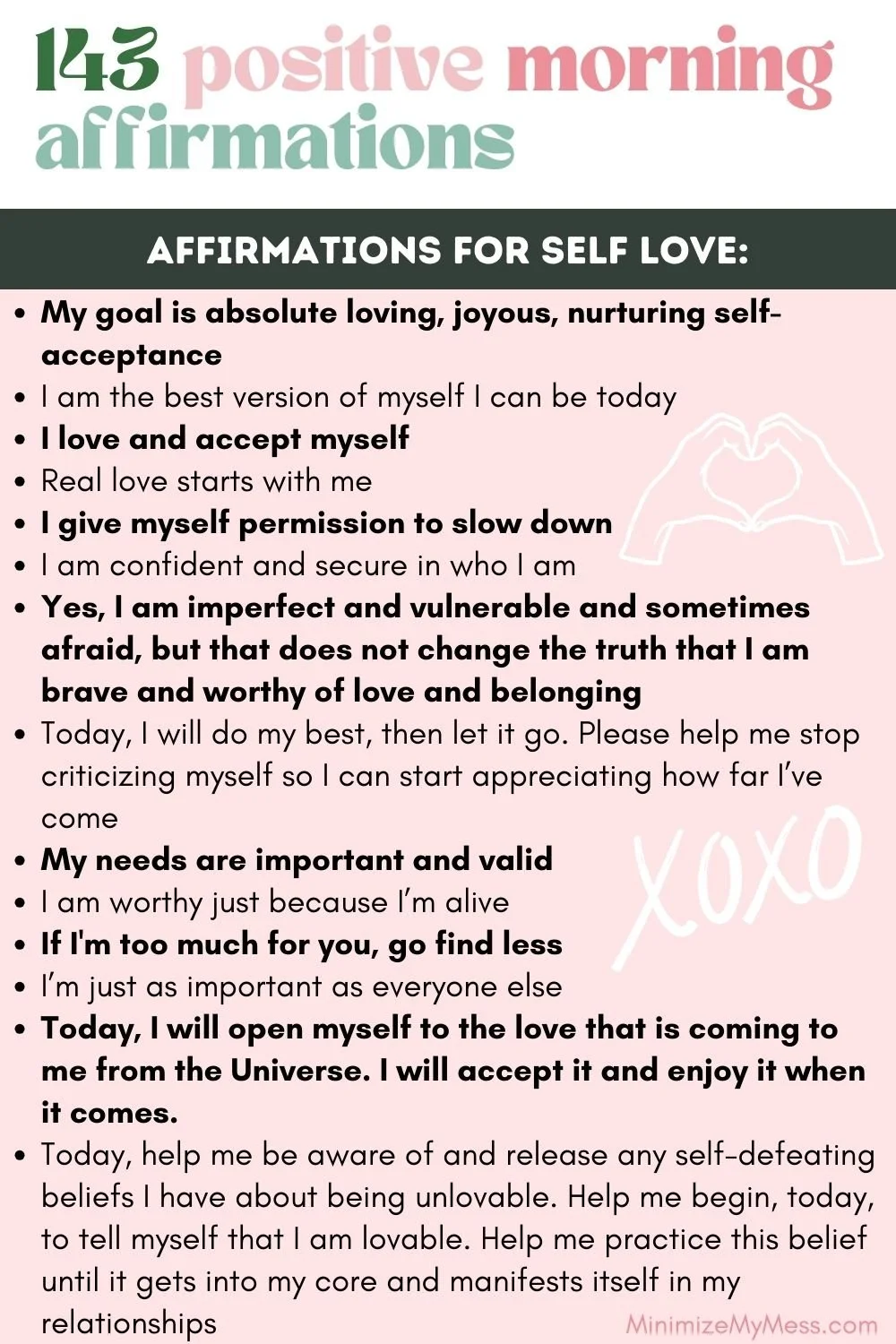
Credit: www.minimizemymess.com
