

When to Do Affirmations for Maximum Positive Impact
When To Do Affirmations: The Complete Guide To Perfect Timing
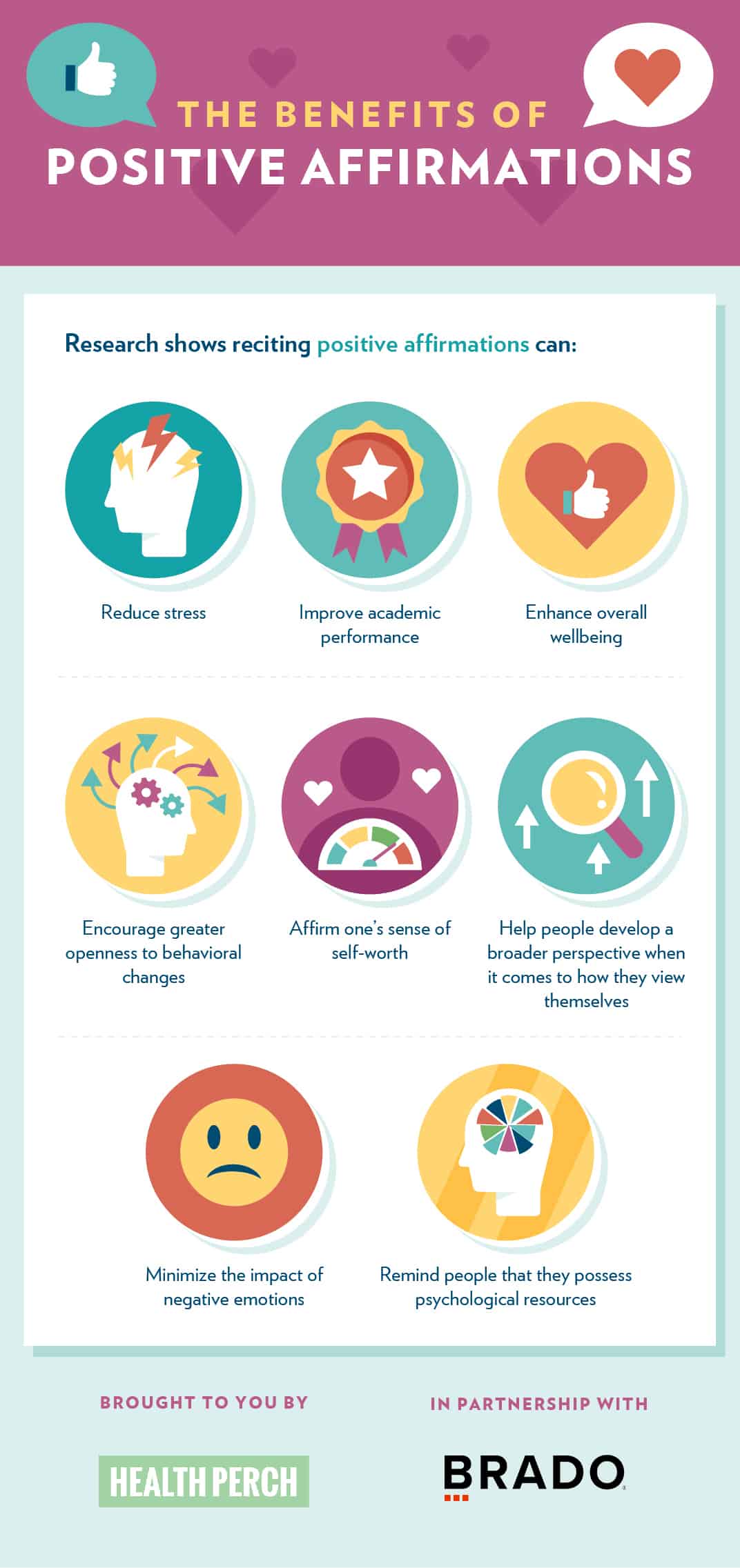
Daily affirmations have become a popular tool for building confidence, reducing stress, and changing thinking patterns. But while many people know what affirmations are, far fewer understand when to do affirmations for the best results. Timing can be the difference between seeing real change and feeling like affirmations are just empty words. If you’ve ever wondered when to practice affirmations, or how timing affects their power, you’re in the right place.
In this guide, you’ll discover how the timing of your affirmations can shape your day, mood, and even your habits. You’ll learn specific times that work best for different goals, the science behind these practices, and practical tips to make affirmations stick.
Whether you’re new to affirmations or want to refine your routine, this article will help you unlock their true potential.
Why Timing Matters For Affirmations
The words you say to yourself matter, but when you say them can multiply their impact. Your mind is not equally open all the time. There are moments when your brain is more relaxed, your habits are more flexible, and your emotions are more sensitive. These are the moments when affirmations can truly “land” and start to reshape your inner world.
For example, right after waking up, your brain is in a unique state between sleep and full alertness. In this state, known as the theta brainwave state, your subconscious mind is more open to suggestion. Likewise, repeating affirmations just before sleep can influence how you process emotions and memories overnight.
Ignoring timing can lead to affirmations feeling forced or ineffective. Many beginners miss this key insight: Affirmations are not magic spells, but gentle reminders that work best when your mind is ready to listen.
The Science Behind Affirmation Timing
Understanding the science can help you use affirmations with confidence. Studies in psychology and neuroscience show that repetition and state of mind are critical for creating new thought patterns. Your brain forms new connections (neuroplasticity) more easily when you’re relaxed, focused, or in a routine.
A well-known study published in the journal *Social Cognitive and Affective Neuroscience* found that self-affirmation activates the brain’s reward centers. However, the effect was strongest when participants were in a calm, receptive state rather than stressed or distracted.
Another key point: Regular timing helps create a habit. Habits are formed by repeating actions at similar times or in similar situations, which makes affirmations easier to remember and do.
Best Times To Do Affirmations
Everyone’s schedule and needs are different, but some times are proven to be more effective for affirmations. Here are the most powerful windows for practicing affirmations, with examples and advice for each.
1. Right After Waking Up
The first few minutes after you wake up are precious. Your mind is not yet filled with stress or plans. This is a natural time for morning affirmations because your subconscious is still active.
Try sitting up in bed, closing your eyes, and gently repeating your chosen affirmations. Focus on how you want to feel or what you want to achieve during the day. For example:
- “I am calm and ready for a great day.”
- “I believe in my ability to solve problems.”
Many successful people credit morning affirmations with setting a positive tone for their day. You may find that starting your day this way gives you more energy and focus.
Pro Tip:
Keep your affirmations by your bed or set a reminder on your phone so you don’t forget. Even 2-3 minutes can make a difference.
2. During Morning Routines
If you have a regular routine in the morning—like brushing your teeth, showering, or making breakfast—these are ideal moments to weave in affirmations. Attaching affirmations to a habit you already have is a classic technique for building new habits.
For example, you can say your affirmations silently while brushing your teeth, or write them on a sticky note you see every morning.
Why This Works:
Your brain loves patterns. By linking affirmations to a regular activity, you teach your mind to expect them, making the practice automatic over time.
3. Before Important Events
You might feel nervous before a big meeting, presentation, exam, or sports match. This is when event-based affirmations can help. They calm nerves, boost confidence, and focus your mind.
For example, before a job interview, try affirmations like:
- “I am prepared and confident.”
- “I can handle any question calmly.”
Repeating these words as you travel to the event or wait your turn can change your mindset from fear to readiness.
Non-obvious Insight:
Most people only use affirmations for general goals, but using them for specific events can create quick, visible results.
4. During Breaks At Work Or School
Many people forget about affirmations once the day gets busy. But short breaks, such as lunchtime or coffee breaks, are a great chance to pause and reset your mind.
Find a quiet spot, close your eyes for a minute, and repeat your affirmations. This can help you manage stress, refocus, and improve your mood for the rest of the day.
Practical Example:
If work is stressful, try affirmations like:
- “I am calm and in control.”
- “I learn from challenges and grow stronger.”
5. When Negative Thoughts Arise
One of the most powerful times for affirmations is when you notice negative self-talk. These moments are often uncomfortable, but they’re also when your mind is most open to change.
Instead of fighting negative thoughts, gently introduce your affirmations as an alternative. For example, if you catch yourself thinking, “I’ll never succeed,” you can say, “I am learning and improving every day. ”
Key Tip:
Don’t try to erase negative thoughts. Just add your positive affirmation and let both exist. Over time, the positive voice will grow stronger.
6. Before Sleep
Just as with the morning, the moments before sleep are special. Your mind is winding down, and your subconscious is preparing for rest and memory processing.
Saying affirmations before sleep can help reduce anxiety, encourage positive dreams, and even improve how you feel in the morning. Try lying in bed, taking a few deep breaths, and repeating your chosen affirmations softly.
Many people find that affirmations before sleep feel more powerful because the mind is quieter and less distracted.
Bonus Tip:
Writing your affirmations in a journal before sleep combines the power of writing with the calm of nighttime, making them even more memorable.
7. During Meditation Or Mindfulness Practice
Meditation is about focusing your attention, and adding affirmations can deepen this focus. If you already meditate or practice mindfulness, try adding affirmations at the beginning or end.
For example, after a few minutes of slow breathing, say your affirmation out loud or silently. This blends the calm of meditation with the power of positive self-talk.
Example:
- “With every breath, I am becoming more confident.”
8. While Exercising
Physical activity puts your body and mind in sync. Some people find that repeating affirmations during exercise—especially running, walking, or yoga—boosts both their mood and motivation.
For example, while jogging, you might say:
- “I am strong and full of energy.”
- “Every step brings me closer to my goals.”
This habit can help you push through tough workouts and remind you of your inner strength.
Not-so-obvious Advantage:
Exercise increases endorphins (feel-good hormones). Pairing this with affirmations can create a strong positive association in your brain.
9. When Facing Challenges Or Setbacks
Everyone faces moments of doubt or failure. These are exactly the times when affirmations can keep you from giving up. When something goes wrong, repeating affirmations helps you shift from self-criticism to self-support.
For example, after a mistake, try:
- “I am resilient and can learn from this.”
- “Setbacks help me grow stronger.”
Over time, this habit builds emotional resilience.
10. Whenever You Need A Boost
You don’t need a schedule to use affirmations. Sometimes, you just feel down, tired, or unfocused. In these moments, a quick round of affirmations can lift your spirits.
Keep a list of your favorite affirmations in your phone or wallet, so you can use them whenever you need a mental boost.
Pro Insight:
Affirmations are not about being perfect—they’re about helping you reset and try again, any time of day.
How Many Times A Day Should You Do Affirmations?
There’s no single “right” number, but most experts agree that consistency matters more than frequency. Some people find that 2-3 times a day is ideal, while others use affirmations whenever needed.
If you’re just starting, try morning and evening sessions. As you get comfortable, add affirmations during breaks or challenging moments.
Comparison: Affirmation Frequency And Benefits
Here’s a simple comparison of how often people use affirmations and the typical benefits they report:
| Frequency | Common Benefits |
|---|---|
| Once daily | General mood boost, basic confidence improvement |
| 2-3 times daily | Stronger habit, deeper mindset shifts, better stress control |
| As needed (event-based) | Quick confidence boost, support during challenges |
| Many times a day | Faster results, but risk of feeling forced or unnatural if overdone |
The key is to choose a routine that feels natural and sustainable for you. Too many affirmations can feel fake. Too few, and you might forget or lose motivation.

Credit: www.amazon.com
Should You Do Affirmations Out Loud Or Silently?
You can do affirmations in several ways: out loud, silently in your mind, or even written down. Each approach has its own strengths.
Out Loud
Saying affirmations out loud engages more senses. You hear your own voice, which can make the words feel more real. This is especially useful if you want to boost confidence or make a strong emotional impact.
However, it may not always be practical, especially in public places. Some people also feel shy at first.
Silently
Silent affirmations are discreet and easy to do anywhere. You can repeat them in your mind while walking, waiting in line, or during stressful moments.
The downside is that silent affirmations may feel less powerful because you don’t get the added effect of hearing your own voice.
Written Affirmations
Writing affirmations by hand engages your brain in a different way. The act of writing helps you focus, remember, and process the meaning of each word.
Many people combine writing with speaking or thinking their affirmations for a deeper effect.
Comparison: Methods Of Doing Affirmations
Here’s a look at the pros and cons of each method:
| Method | Pros | Cons |
|---|---|---|
| Out loud | Stronger emotional impact, engages more senses | Not always practical, may feel awkward |
| Silently | Can be done anywhere, discreet | May feel less powerful |
| Written | Helps focus and memory, good for reflection | Takes more time, not always convenient |
How To Create A Routine For Affirmations
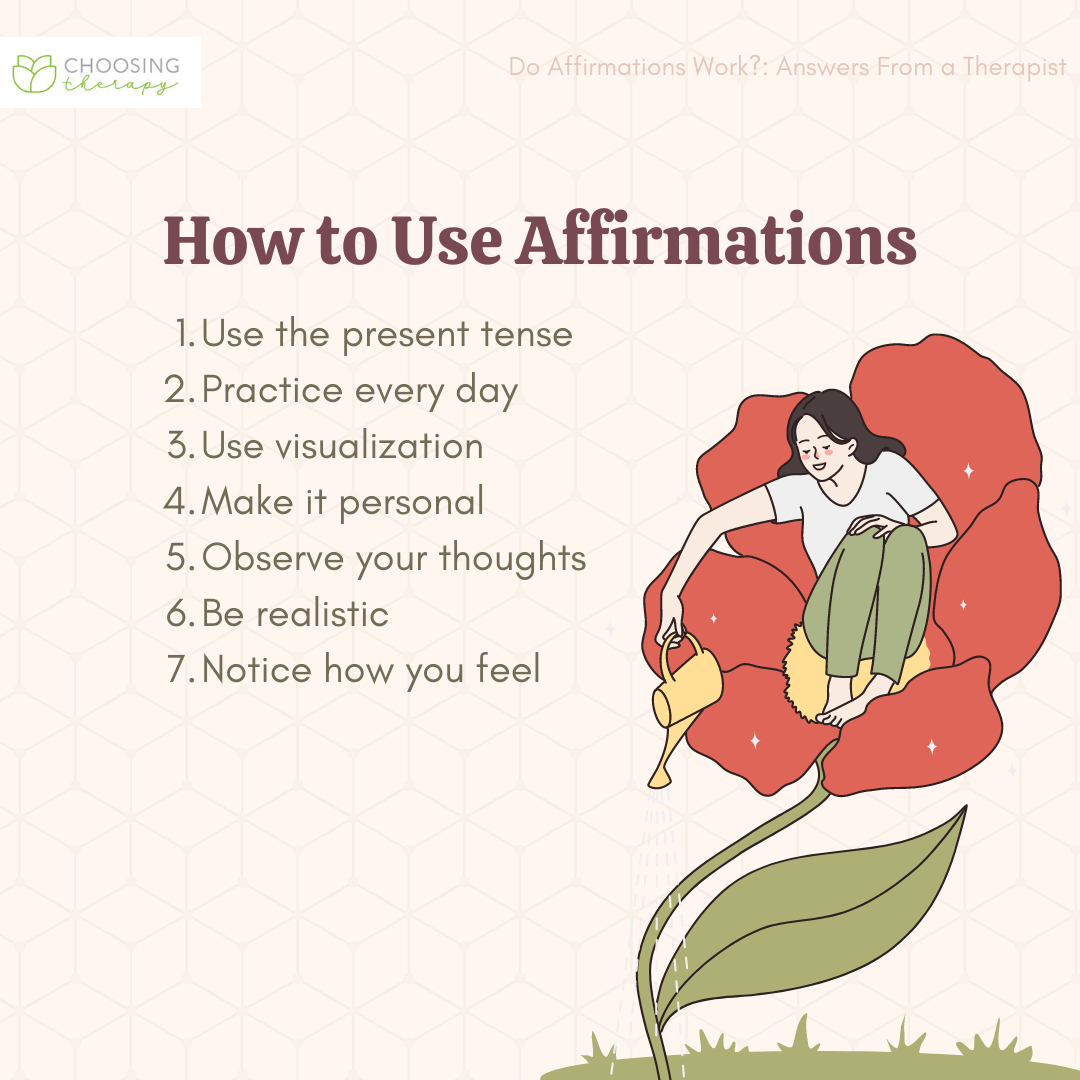
If you want affirmations to work, build them into your life. Here’s how to create a routine that lasts:
- Pick specific times: Choose moments you can stick to, like right after waking up or before sleep.
- Attach to habits: Link affirmations with daily actions (like brushing teeth or making coffee).
- Prepare your affirmations: Write 3-5 simple, positive statements that match your goals.
- Set reminders: Use alarms or sticky notes to help you remember.
- Track your progress: Use a journal or app to record how you feel over time.
Example Daily Affirmation Routine
- Morning: Say 3 affirmations while getting ready.
- Lunch break: Repeat 2 affirmations while taking a walk.
- Evening: Write 1 affirmation in your journal before bed.
Non-obvious Tip:
You can record your affirmations and play them back to yourself, combining the power of your voice with the ease of listening.
Credit: www.northwestpharmacy.com
Mistakes To Avoid With Affirmation Timing
Many people start strong with affirmations but stop when they don’t see quick results. Here are common mistakes to avoid:
- Saying affirmations only when you’re already happy: They’re most powerful when you feel doubt, stress, or fear.
- Rushing through affirmations: Take a moment to really feel the words.
- Skipping days: Consistency is more important than perfection.
- Using affirmations at random: While random affirmations can help, a routine builds stronger habits.
Remember: Affirmations are not instant fixes. They are gentle reminders that change your thinking over weeks or months.
How To Know If Your Affirmation Timing Is Working
How can you tell if your timing is right? Look for these signs:
- You remember to do your affirmations without reminders.
- You notice a shift in mood or self-talk, especially during stressful times.
- Old negative thoughts feel less powerful.
- You look forward to affirmation time—it feels like self-care, not a chore.
If you’re not seeing changes after a few weeks, try adjusting your timing. For example, if mornings feel rushed, try affirmations in the evening or during breaks.
Affirmations For Different Goals: Timing Examples
The best time for affirmations can depend on your goal. Here are a few examples:
For Confidence
- Best times: Morning, before meetings, after setbacks
- Example: “I trust myself to handle anything today.”
For Reducing Stress
- Best times: During stressful events, breaks at work, before sleep
- Example: “I am calm, centered, and in control.”
For Changing Habits
- Best times: When you’re about to start the habit (e.g., before exercise, before study sessions)
- Example: “I enjoy making healthy choices.”
For Relationships
- Best times: Before social events, after arguments, when feeling lonely
- Example: “I am worthy of love and connection.”
For Achieving Goals
- Best times: First thing in the morning, before working on the goal, after small wins
- Example: “Every day, I move closer to my dreams.”
Using Technology To Support Affirmation Timing
Modern tools can make affirmations easier to remember and practice. You can:
- Set phone reminders for affirmation times.
- Use affirmation apps that send positive statements at set intervals.
- Record your own voice and play it as an alarm.
- Create digital sticky notes on your computer or phone.
This makes it simpler to build affirmations into your daily routine, even on busy days.
Comparing Morning Vs. Evening Affirmations
People often ask whether morning or evening is better for affirmations. Both have unique strengths.
| Time | Benefits | Best For |
|---|---|---|
| Morning | Sets a positive tone, prepares you for challenges, builds energy | Confidence, motivation, productivity |
| Evening | Reduces stress, processes emotions, improves sleep quality | Letting go of worries, emotional balance |
Many people use both, but if you must choose, pick the time that matches your biggest need.
Affirmation Timing For Children And Teens
Affirmations are not just for adults. Children and teens can benefit too, especially when facing school stress, social challenges, or self-esteem issues.
- Best times: Before school, after homework, before bed
- How to help: Use simple, age-appropriate statements, and make it fun (use songs, games, or drawings)
For example, a child might say, “I am smart and kind,” before leaving for school.
Do Affirmations Work Right Away?
Many people expect instant results, but affirmations are like planting seeds. You may notice small shifts in mood quickly, but deeper changes take time.
Research shows that it takes about 21 to 66 days to form a new habit or thought pattern. Be patient and give yourself time to see real change.
Real-life Example: Affirmation Timing In Action
Maria, a busy nurse, struggled with work stress and low confidence. She started saying affirmations only when she remembered, but nothing changed. After learning about timing, she added affirmations to her morning routine and during lunch breaks.
After a month, Maria noticed she felt calmer and more focused before her shifts. She even started sleeping better after adding a short affirmation session before bed. For her, the key was not just the words, but choosing the right times to practice.
Credit: www.choosingtherapy.com
The Bottom Line: Making Affirmation Timing Work For You
No two people are the same. The best time to do affirmations depends on your schedule, goals, and mood. But if you want to see real results, focus on:
- Practicing at moments when your mind is open (morning, evening, after setbacks)
- Being consistent, even if it’s just once a day
- Tying affirmations to regular habits or routines
- Using affirmations both as a daily practice and as a tool during tough moments
Remember: The right timing can turn simple words into powerful change. Make affirmation time your own, and you’ll soon see the difference it can make in your life.
For more on the science of affirmations, visit PositivePsychology.com.
Frequently Asked Questions
How Long Does It Take For Affirmations To Work?
Most people see small changes in mood within a few days, but deeper changes in thinking or behavior can take several weeks. Consistency is key—aim for at least a month of regular practice.
Can I Do Affirmations At Any Time Of Day?
Yes, you can do affirmations whenever you need a boost or want to change your mindset. However, certain times (like morning or before sleep) may be more effective for some people.
Should I Say The Same Affirmations Every Day?
Repeating the same affirmations helps reinforce positive beliefs, but it’s also helpful to update them as your goals change. Listen to your feelings—if an affirmation no longer fits, adjust it.
What If I Don’t Believe My Affirmations At First?
It’s normal to feel doubtful. Start with statements that feel possible, and gradually make them more positive as your confidence grows. Over time, your mind will become more open to new beliefs.
Is It Better To Do Affirmations Alone Or With Others?
Both can work. Doing affirmations alone allows for deep focus, while sharing them with friends or family can build support and accountability. Choose what feels most comfortable for you.
