

What'S Affirmation Cards: Unlock Daily Motivation and Positivity
What’s Affirmation Cards
Every day, millions of people search for ways to lift their mood, build confidence, and feel more positive about life. One simple tool that’s become very popular is the use of affirmation cards. But what exactly are these cards, and why do so many people find them helpful? Whether you’ve seen them in shops, online, or on social media, you might be curious about how they work and if they’re truly effective. This article will take you deep into the world of affirmation cards, explaining what they are, how they’re used, and why they might make a big difference in your daily routine.
What Are Affirmation Cards?
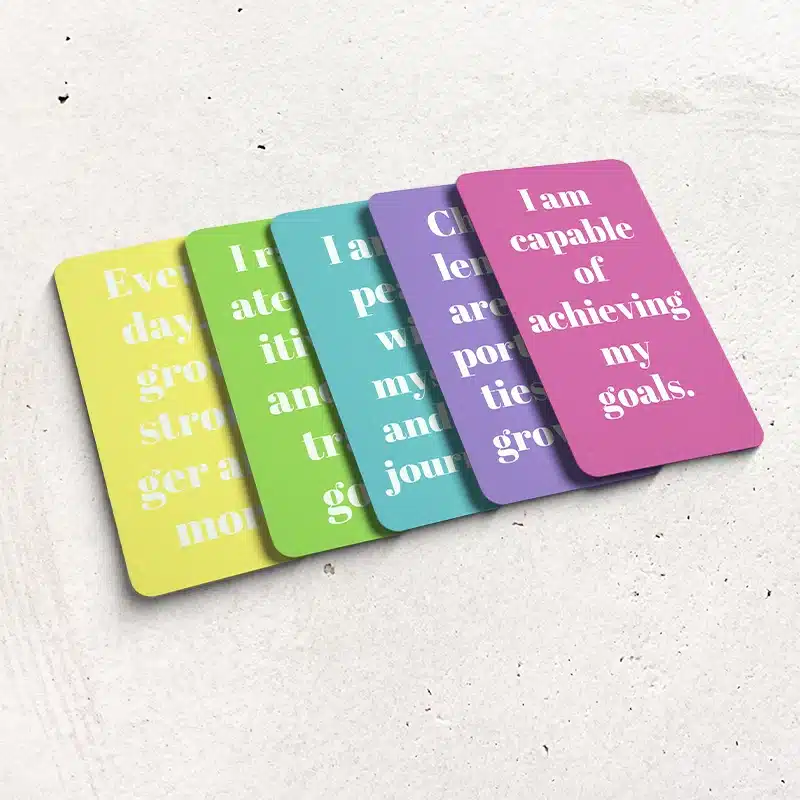
Affirmation cards are small cards, often the size of playing cards, that display positive statements or phrases. Each card contains a short message meant to encourage, motivate, or inspire the reader. The main idea is that by reading or repeating these phrases, you can start to believe in your own abilities, increase your self-worth, and change negative thought patterns.
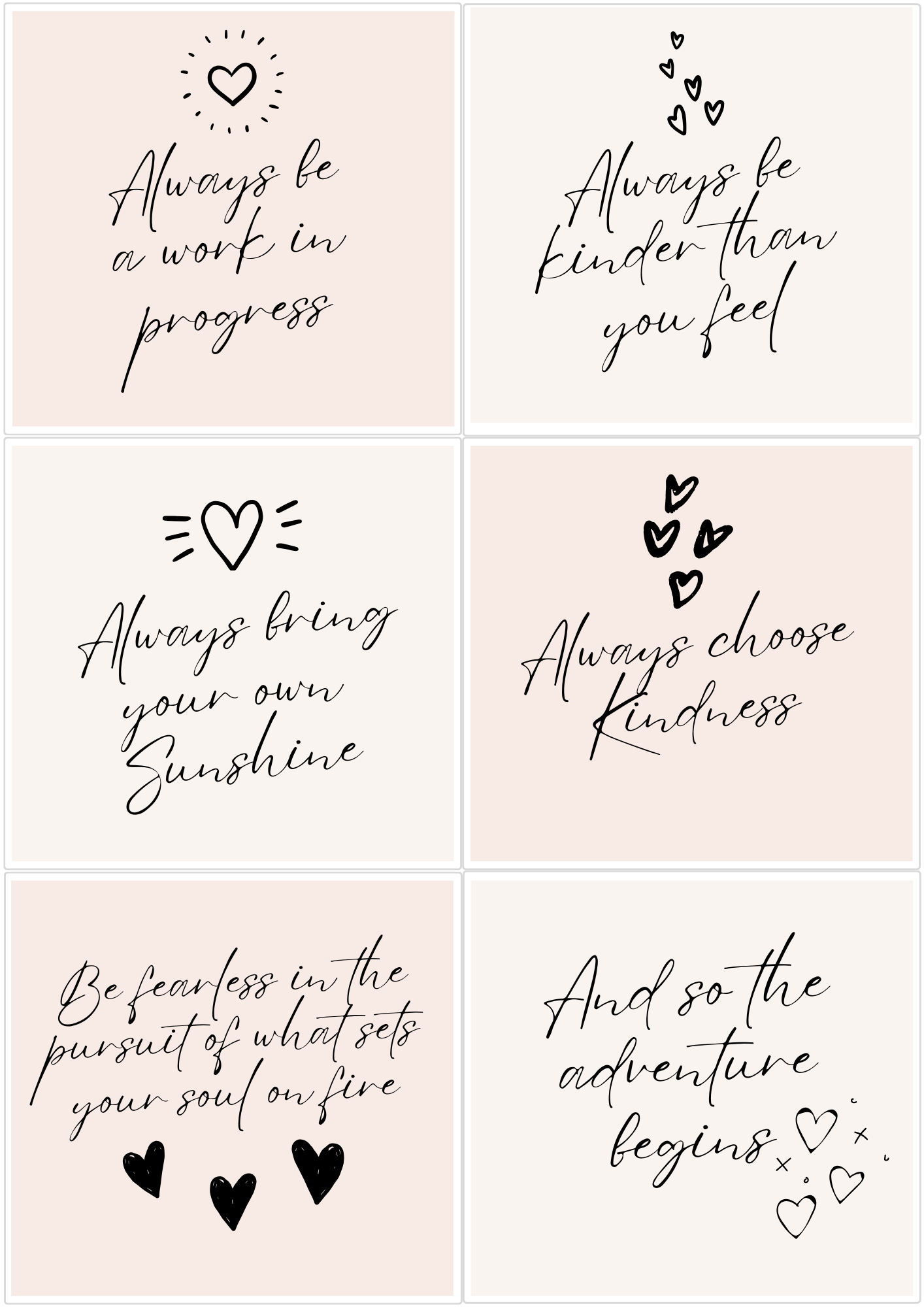
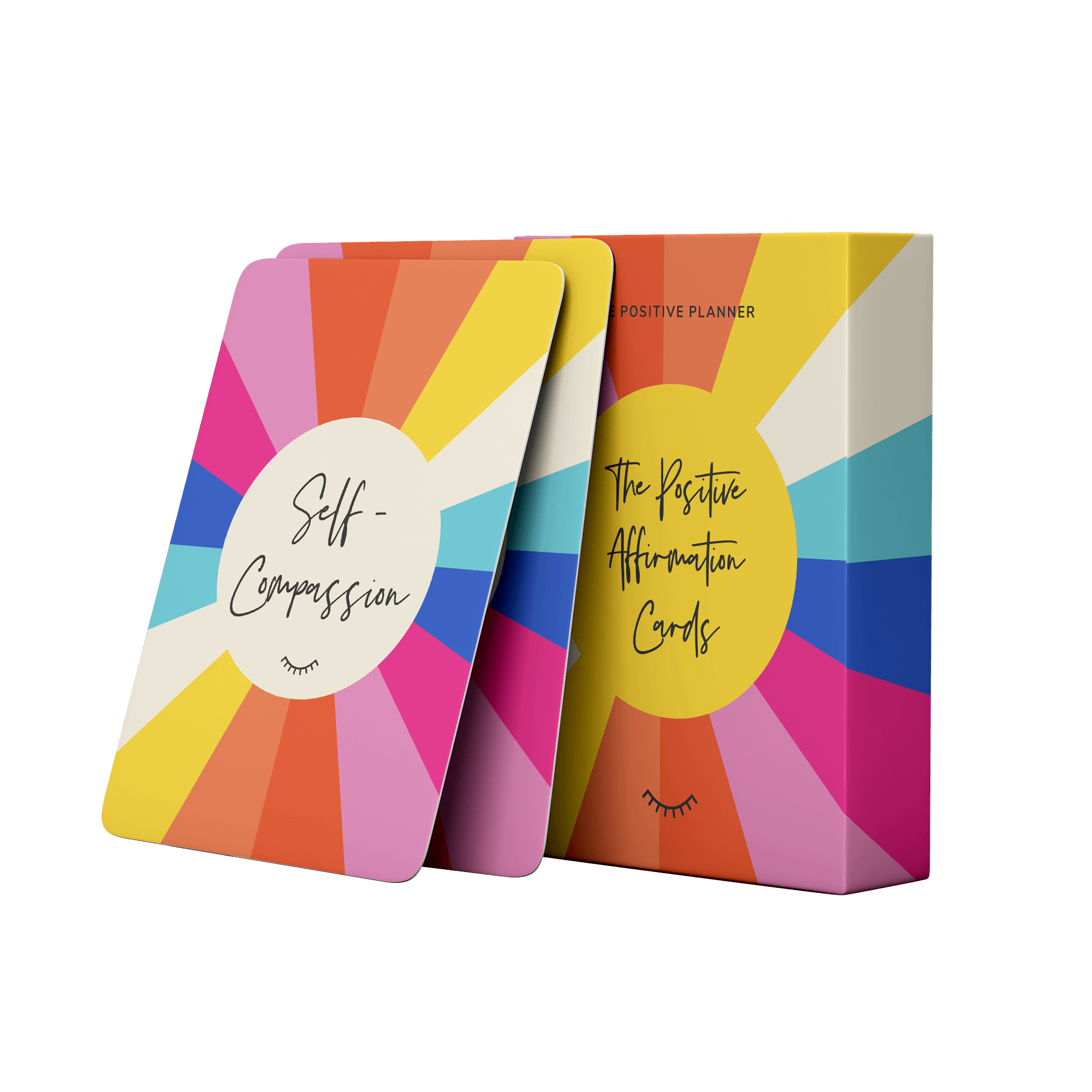
While they may look simple, affirmation cards are designed with care. The words are chosen to be uplifting and supportive. Some card decks are colorful, with beautiful artwork, while others are plain with just the words. The important thing is the message on each card.
Most people use affirmation cards as a daily habit, picking one card in the morning or whenever they need a boost. Over time, these positive statements can help to shape your mindset and influence how you see yourself and the world.
The Purpose And Benefits Of Affirmation Cards
Affirmation cards are more than just pretty pieces of paper. Their main purpose is to support your mental health and personal growth. Here are some of the most powerful benefits you might experience:
1. Building Positive Thinking
Humans often focus on what’s going wrong. Affirmation cards help flip this mindset. They remind you of your strengths and possibilities, which can lead to a more hopeful and confident outlook.
2. Reducing Stress And Anxiety
Reading a calming, positive message can help quiet racing thoughts. Many people use affirmation cards when they feel stressed or anxious. The simple act of pausing, reading, and reflecting on a positive statement can offer comfort and clarity.
3. Improving Self-esteem
Low self-esteem can hold you back in life. Affirmation cards encourage you to believe in yourself. Over time, repeating positive statements can change the way you talk to yourself, making your inner voice more supportive.
4. Encouraging Mindfulness
When you pick a card and focus on its message, you become more present in the moment. This practice of mindfulness helps you pay attention to your thoughts and feelings, and teaches you to respond with kindness instead of criticism.
5. Supporting Personal Goals
Whether you want to be more confident, calm, or successful, affirmation cards can help you stay focused on your goals. They act as small reminders each day to keep moving forward.
Credit: www.qinprinting.com
How Do Affirmation Cards Work?
Affirmation cards use the power of repetition and positive language. Here’s how they work in practice:
- You pick a card, usually at random.
- You read the message on the card.
- You think about what it means for you.
- You can say the affirmation out loud, write it in a journal, or carry the card with you.
- Over time, these repeated positive messages can shift your beliefs and habits.
This process is based on the idea of self-affirmation theory, which suggests that reminding yourself of your strengths and values helps you cope with challenges and grow as a person.
Different Types Of Affirmation Cards
Not all affirmation cards are the same. There are many types, each designed for different needs and situations.
1. General Positivity Cards
These are the most common. Each card features a simple, uplifting message like “You are enough” or “Every day is a new beginning. ” They work well for anyone who wants a quick dose of encouragement.
2. Self-love And Confidence Cards
These cards focus on boosting self-esteem and self-worth. Messages might include “I accept myself as I am” or “I am proud of my achievements. ”
3. Stress Relief And Anxiety Cards
Designed to calm the mind, these cards have soothing statements such as “I am safe and at peace” or “I let go of what I cannot control. ”
4. Success And Abundance Cards
Ideal for people with big goals. These cards use affirmations like “Opportunities are all around me” or “I am open to new possibilities. ”
5. Spiritual Or Mindfulness Cards
For those interested in spirituality, these cards may have messages about gratitude, presence, or connection to something bigger than yourself.
6. Themed Or Niche Cards
Some affirmation decks are made for specific groups, such as children, teens, women, or even professionals in certain fields. There are also decks focused on creativity, healing, or relationships.
What Makes A Good Affirmation Card?
Not all cards are equally effective. Here’s what to look for in a quality affirmation card:
- Clear and simple language: The message should be easy to understand and remember.
- Positive focus: Avoid cards that mention what you don’t want. Focus on what you do want.
- Personal relevance: The best cards feel meaningful to you. They reflect your values or goals.
- Emotionally uplifting: The statement should make you feel good or hopeful.
- Present tense: Affirmations work best when written as if they are already true.
Let’s look at some examples:
| Weak Affirmation | Strong Affirmation |
|---|---|
| I want to be confident. | I am confident and capable. |
| I hope I can handle stress. | I handle stress with calm and clarity. |
| I will not fail today. | I am successful in all that I do. |
Notice how strong affirmations use present tense and focus on positive outcomes.
Science Behind Affirmation Cards
You may wonder: do affirmation cards really work, or is it just a trend? Research on positive affirmations shows that they can have real benefits for the mind and body.
Self-affirmation Theory
Psychologists have studied how self-affirmation—reminding yourself of your strengths and values—can protect against stress, help you make healthier choices, and improve problem-solving skills. This theory suggests that affirmations help people keep a positive view of themselves, even during tough times.
Studies On Effectiveness
- Some studies have found that people who practice affirmations have lower levels of the stress hormone cortisol.
- Regular use of positive statements can change the way your brain responds to negative thoughts.
- In one experiment, students who used affirmations before a test felt less anxious and performed better.
However, experts also warn that affirmations work best when they feel believable. If a statement feels too far from your current reality, your mind may reject it. That’s why it’s important to choose cards that resonate with you.
Credit: www.southernbelleplans.com
Who Uses Affirmation Cards?
Affirmation cards are used by many different people for many reasons. Here are some examples:
- Students use them to boost confidence before exams.
- Professionals keep them at their desk for a midday reminder.
- Parents share them with children to build self-esteem.
- Therapists use them in sessions to help clients reframe negative thoughts.
- Athletes use affirmations to focus before a competition.
You don’t need any special skills to use affirmation cards. They are for everyone, regardless of age or background.
How To Use Affirmation Cards Effectively
Getting the most from affirmation cards means using them with intention. Here are some practical ways to add them to your life:
1. Morning Routine
Start your day by picking a card. Read it slowly, and let the words sink in. You might say the affirmation out loud or write it in your journal.
2. During Stressful Moments
If you feel anxious or upset, pause and draw a card. Focus on the message. Take a few deep breaths as you repeat the affirmation to yourself.
3. Goal Setting
Use cards that match your current goals. For example, if you want to be more confident at work, choose affirmations related to self-worth and success.
4. Sharing With Others
Affirmation cards can be shared with friends, family, or coworkers. This small act can brighten someone’s day and create a positive environment.
5. Reflection And Journaling
After reading a card, spend a few minutes writing about what the message means to you. How can you apply it in your life today?
6. Creating Visual Reminders
Place cards where you’ll see them often: on your mirror, computer, or fridge. The visual cue helps reinforce the positive message.
7. Meditation And Mindfulness
Some people use affirmation cards as part of their meditation practice. Focus on the card’s message as you breathe deeply and clear your mind.
Common Mistakes To Avoid
Affirmation cards are simple, but there are a few common mistakes that can make them less effective.
- Choosing affirmations that feel untrue: If the message feels fake or forced, it won’t help. Pick cards that are believable and meaningful to you.
- Using them only once in a while: Consistency is key. Make affirmations part of your daily routine.
- Ignoring your emotions: If you feel sad or anxious, don’t use affirmations to hide your feelings. It’s okay to acknowledge your emotions first, then use a card to shift your mindset.
- Expecting instant results: Change takes time. Give yourself patience as you build new thought patterns.
- Skipping reflection: Reading a card is just the first step. Take time to think about what it means for you.
Making Your Own Affirmation Cards
Many people enjoy creating their own affirmation cards. This personal touch can make the messages even more powerful. Here’s how to make your own:
Materials Needed
- Blank cards or thick paper
- Markers, pens, or colored pencils
- Stickers or decorations (optional)
Steps
- Decide on your themes: Think about what you need—confidence, calm, motivation, etc.
- Write your affirmations: Use positive, present-tense statements. Keep them short and clear.
- Decorate your cards: Add colors, drawings, or stickers to make them inviting.
- Keep them handy: Store your cards in a box or pouch so you can use them daily.
Example Affirmations
- “I am enough just as I am.”
- “Today, I choose happiness.”
- “I trust myself to handle whatever comes.”
- “My ideas are valuable and worth sharing.”
Creating your own cards is a creative way to reflect on your needs and values.
Buying Affirmation Cards: What To Consider
If you’re thinking about buying a deck of affirmation cards, you’ll find many options. Here’s what matters most:
- Theme: Choose a deck that matches your needs, such as self-love, stress relief, or motivation.
- Design: Some people like simple cards, others prefer colorful artwork.
- Number of cards: Decks can have anywhere from 20 to 100 cards. A larger deck offers more variety.
- Language: Make sure the words are easy for you to understand and feel natural when you read them.
- Quality: Look for sturdy cards that will last with daily use.
- Reviews: Check what other users say about the deck. This can help you find one that’s effective and enjoyable.
Here’s a quick comparison of features you might find in popular decks:
| Deck Feature | Basic Deck | Premium Deck |
|---|---|---|
| Number of Cards | 30-40 | 50-100 |
| Card Material | Standard paper | Thick, coated cardstock |
| Artwork | Minimal or none | Full color illustrations |
| Guidebook Included | No | Yes |
| Theme Options | General | Multiple themes |
Real-life Examples Of Affirmation Cards In Action
Affirmation cards have made a real difference in many people’s lives. Here are a few examples:
Case 1: Boosting Confidence At Work
Maria, a young professional, felt nervous before giving presentations. She started using affirmation cards with messages like, “I speak with clarity and confidence. ” Each morning, she picked a card and repeated the message. Over time, she noticed she felt calmer and more sure of herself when speaking in meetings.
Case 2: Supporting Recovery
After a difficult period, John used affirmation cards focused on healing and self-compassion. Messages such as, “I am healing every day,” helped him stay positive during tough moments. He also shared the cards with friends in a support group, creating a sense of community.
Case 3: Parenting With Affirmations
Sophie, a mother of two, introduced affirmation cards to her children. She picked age-appropriate messages like, “I am brave” and “I am a good friend. ” This simple practice became a bedtime ritual, helping her kids feel valued and supported.
Are Affirmation Cards The Same As Tarot Or Oracle Cards?
People sometimes confuse affirmation cards with other types of cards, like tarot or oracle cards. While all these cards can be used for reflection, they are different in purpose and style.
- Affirmation cards: Focus on positive, supportive messages.
- Tarot cards: Used for guidance, often with symbolic images and complex meanings.
- Oracle cards: Similar to tarot, but usually have simpler messages and themes.
Affirmation cards are not used for fortune-telling or predicting the future. Their only goal is to inspire positive thinking and self-belief.
Here’s a quick side-by-side comparison:
| Type | Main Purpose | Complexity | Common Use |
|---|---|---|---|
| Affirmation Cards | Boost positivity | Simple | Daily encouragement |
| Tarot Cards | Guidance, insight | Complex | Readings, reflection |
| Oracle Cards | Spiritual messages | Medium | Personal growth |
Are There Downsides To Using Affirmation Cards?
Affirmation cards are safe and easy to use, but there are a few things to keep in mind:
- Over-reliance: Cards are a tool, not a solution. If you’re struggling with serious mental health issues, it’s important to seek help from a professional.
- Ignoring negative feelings: Pretending everything is okay when it’s not can be unhelpful. Use affirmations to support, not replace, honest self-reflection.
- Choosing unrealistic affirmations: If the messages feel too far from your reality, they may not help. It’s okay to start with small, believable statements.
Tips For Getting The Most From Affirmation Cards
Here are some advanced tips that many beginners miss:
- Customize the message: If a card doesn’t quite fit your situation, change the words to make it more personal.
- Pair with action: After reading an affirmation, think about one small step you can take to live out the message.
- Track your progress: Keep a journal of which cards you draw and how they make you feel. Over time, you’ll notice patterns and growth.
- Use in groups: Try sharing a card in a team meeting or family gathering. Group affirmation can build connection and trust.
- Combine with other practices: Use affirmation cards alongside meditation, gratitude lists, or visualizations for even greater impact.
Where To Find Affirmation Cards
You can find affirmation cards in many places:
- Bookstores: Many shops have a section for self-help or wellness.
- Online retailers: Websites like Amazon or Etsy offer hundreds of options.
- Mental health organizations: Some groups create free printable cards for people in need.
- DIY: Making your own is easy and personal.
If you want to explore more about the science and use of affirmations, you can find research and examples at Wikipedia.
Credit: www.thepositiveplanners.com
Frequently Asked Questions
What Is The Main Purpose Of Affirmation Cards?
Affirmation cards are designed to promote positive thinking and self-belief. By reading and repeating positive statements, you can change negative thought patterns and build confidence.
How Often Should I Use Affirmation Cards?
For best results, use affirmation cards every day. Many people pick a card each morning or whenever they need encouragement. Consistency helps reinforce the positive messages.
Can Children Use Affirmation Cards?
Yes, many decks are made for children, using simple language and age-appropriate messages. Affirmation cards can help kids build self-esteem and cope with challenges.
Do Affirmation Cards Replace Therapy Or Medical Treatment?
No, affirmation cards are a helpful tool, but they do not replace professional help. If you have serious mental health concerns, it’s important to talk to a therapist or doctor.
Can I Write My Own Affirmations Instead Of Buying Cards?
Absolutely. Writing your own affirmations makes them more personal and meaningful. You can create your own cards using paper and markers, and tailor the messages to fit your needs.
Affirmation cards are a simple yet powerful way to bring more positivity and hope into your life. Whether you use them alone or with others, they can help you develop a healthier, more supportive inner voice. With the right approach, they become more than just cards—they become a daily reminder of your own strength and potential.
