

What is the Difference between Affirmation And Manifestation? Explained
What Is The Difference Between Affirmation And Manifestation
Sometimes, you hear people talk about affirmation and manifestation as if they are the same thing. Both terms are popular in self-help books, social media, and motivational talks. However, these two ideas are not identical. They work differently and serve different purposes in your life.
When you understand the difference, you can use them together for better results. This article explains each concept in simple language, compares them, and shows you how to use both for personal growth. You will see examples, learn about common mistakes, and get answers to common questions.
By the end, you will know how to use affirmation and manifestation to help achieve your goals more easily.
Understanding Affirmation
Affirmation means saying or thinking positive statements about yourself or your life. The main goal is to change your mindset, boost self-confidence, and encourage better thinking patterns.
How Affirmations Work
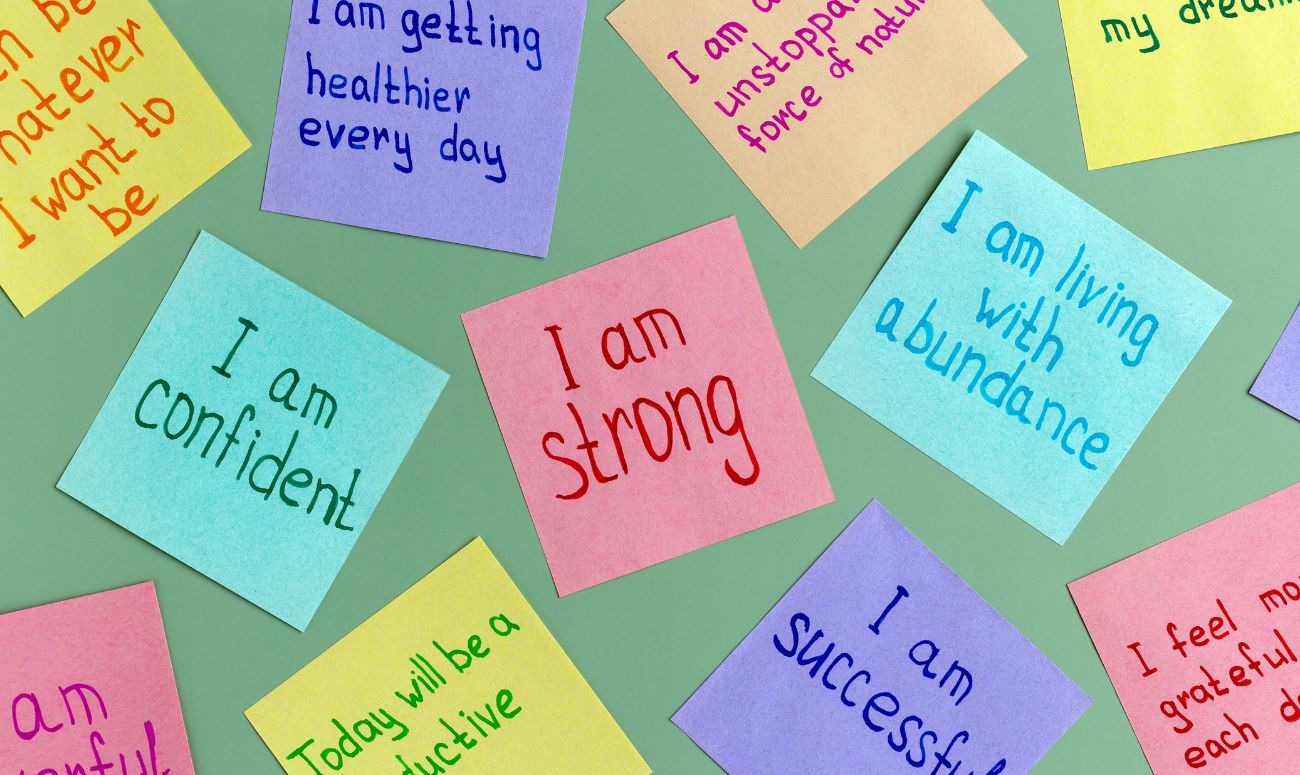
Affirmations are short, powerful sentences. You repeat them daily to help your mind focus on good things. For example, you might say, “I am confident” or “I can handle challenges. ” These words help train your mind to believe in your abilities.
When you use affirmations, you are not trying to change the world directly. Instead, you are working on your own thoughts and emotions. Over time, your brain starts to accept these statements as true, especially if you use them regularly and with feeling.
Examples Of Affirmations
Some common affirmations are:
- “I am worthy of love and respect.”
- “I attract positive opportunities.”
- “I am strong and capable.”
- “I am improving every day.”
You can create your own, based on what you want to feel or believe.
The Science Behind Affirmations
Research shows that positive self-talk can influence your brain. When you repeat affirmations, you activate areas related to self-processing and reward. This can reduce stress and help you perform better. A study published in Social Cognitive and Affective Neuroscience found that self-affirmation can increase activity in the brain’s reward centers, making you more open to positive change.
When Should You Use Affirmations?
Affirmations work best when you want to:
- Build self-confidence
- Overcome negative thinking
- Prepare for stressful events (like exams or presentations)
- Start your day with a positive mindset
Repeating affirmations at the same time each day, such as in the morning or before sleep, helps form a habit.
Common Myths About Affirmations
Many people think affirmations are just “wishful thinking. ” This is not true. Affirmations are about changing how you think and feel, not about ignoring reality. You still need to take action, but affirmations help you believe that action is possible.
Another myth is that you must believe the affirmation from the start. In reality, it’s normal to feel doubt. The belief grows over time as you repeat and act on the statements.
Understanding Manifestation
Manifestation is the process of turning your thoughts, desires, and goals into reality through focused intention and belief. It is often linked with the “law of attraction,” which suggests that positive thoughts attract positive outcomes.
How Manifestation Works
Manifestation involves more than just thinking or saying positive statements. It is about visualizing your goals, feeling as if you already have them, and taking steps toward making them real. For example, if you want a new job, you imagine yourself in that job, feel excited, and then take action like applying or improving your skills.
The process includes:
- Setting a clear intention (what you want)
- Visualizing the outcome (imagining your goal as real)
- Believing it is possible
- Taking inspired action (doing things that move you closer to your goal)
- Being open to receiving (accepting opportunities and changes)
Examples Of Manifestation
Some examples include:
- Visualizing yourself giving a successful presentation before the real event
- Imagining your dream home and taking steps to find it
- Acting as if you already have confidence in social situations
Manifestation is an active process. You need to do more than just think; you must act.
The Science Behind Manifestation
There is ongoing debate about the scientific proof for manifestation. However, some research supports parts of the process. Visualization is used by athletes to improve performance. Studies show that mental rehearsal can activate the same brain areas as real practice.
Also, when you believe in your goal and take action, you are more likely to notice opportunities and make better choices.
While the idea that thoughts alone can change reality is debated, the combination of belief, focus, and action is powerful.
When Should You Use Manifestation?
Manifestation is helpful when you:
- Have a clear goal you want to achieve
- Want to create a plan and stay motivated
- Are ready to take action toward your dreams
- Need to overcome doubts and fears
It works best when you combine positive thinking with real actions.
Common Myths About Manifestation
Some people believe manifestation is magic, where just thinking about something will make it appear. This is not accurate. Manifestation is about aligning your beliefs and actions. If you do nothing, your dreams will likely stay dreams.
Another myth is that you must never feel doubt. In reality, everyone has doubts. The key is to keep moving forward, even when you are unsure.
Key Differences Between Affirmation And Manifestation
At first glance, affirmation and manifestation may look similar. Both use the power of the mind. However, they are not the same. Here’s how they differ:
| Aspect | Affirmation | Manifestation |
|---|---|---|
| Main Goal | Change your thoughts and beliefs | Turn thoughts and desires into reality |
| Main Action | Repeat positive statements | Visualize, believe, and take action |
| Focus | Internal (mindset) | External (results in life) |
| Time Frame | Short-term (daily habits) | Long-term (achieving goals) |
| Requires Action? | Not always | Yes, action is essential |
In Simple Terms
- Affirmation changes how you see yourself.
- Manifestation helps you create real changes in your life.
Affirmation is about “I am” or “I feel. ” Manifestation is about “I want” or “I will have. ”
Why The Difference Matters
Knowing the difference helps you use both tools correctly. If you only repeat affirmations but never act, you may not see big changes. If you only try to manifest without changing your beliefs, you may block your own progress.
For example, someone who wants a better job can use affirmations to build confidence (“I am skilled and ready for a new challenge”). Then, they use manifestation to set the goal, visualize the new job, and take steps to apply for it.
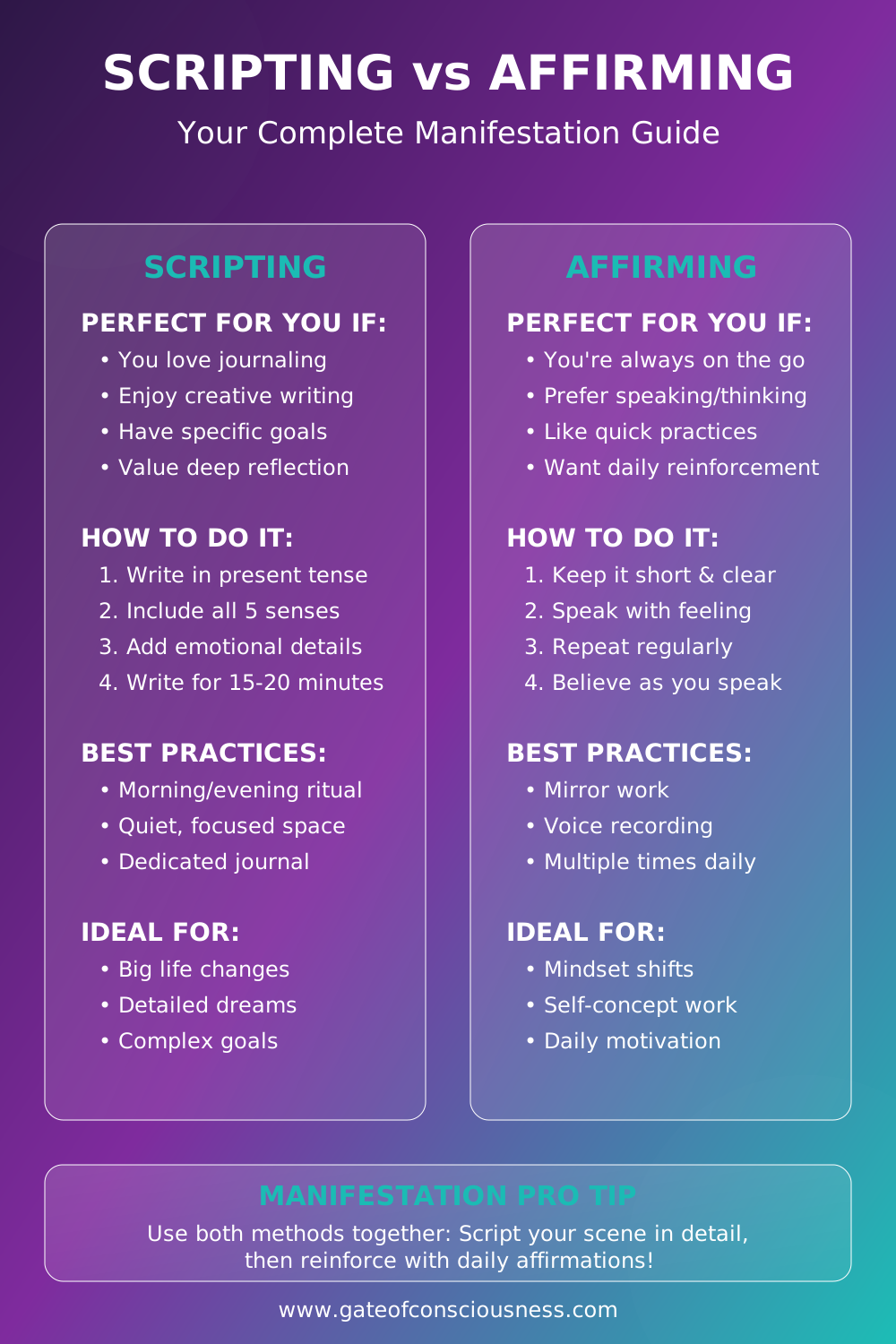
How Affirmation And Manifestation Work Together
You do not need to choose one or the other. In fact, using both can be much more powerful.
Step-by-step Example
Let’s say your goal is to run a marathon.
- Start with Affirmations: You might say, “I am strong and committed” or “I can finish a marathon.”
- Move to Manifestation: Imagine yourself crossing the finish line. Feel the excitement. Picture the crowd cheering.
- Take Action: Start training, follow a running schedule, and eat healthy food.
- Keep Using Both: When you feel tired, use affirmations to boost your mindset. Continue to visualize your goal and take steps daily.
This combination builds confidence and keeps you focused on real results.
Two Non-obvious Insights
- Affirmations are a foundation for manifestation. Many people try to manifest big goals without first believing in themselves. Affirmations help set the right mindset, which makes manifestation more effective.
- Manifestation helps reveal limiting beliefs. As you try to manifest, you may notice doubts or fears. These are signs you need stronger affirmations. Working on both helps you make faster progress.
Credit: gateofconsciousness.com
Practical Tips For Using Affirmations
If you want to start with affirmations, here are some tips:
- Use the present tense (“I am,” not “I will be”)
- Keep your statements positive
- Make them personal and specific
- Repeat them daily, out loud or silently
- Add emotion—feel the words as you say them
Example Daily Affirmation Routine
- Stand in front of a mirror in the morning.
- Look yourself in the eyes.
- Say your affirmations with confidence.
- Repeat each statement three to five times.
Try to believe the words, even if it feels strange at first.
Mistakes To Avoid
- Using negative words (“I am not afraid” is less powerful than “I am brave”)
- Saying too many affirmations at once (focus on 2–3)
- Expecting instant results
Practical Tips For Manifestation
Manifestation is more than just thinking. Here’s how to get started:
- Set a specific, clear goal
- Visualize your goal every day for a few minutes
- Write down your intention (keep it somewhere visible)
- Take small steps toward your goal
- Notice and accept help or opportunities
Example Manifestation Routine
- Before bed, close your eyes and imagine your goal as if it’s already true.
- Feel the emotions—joy, excitement, relief.
- Say thank you, as if you already have what you want.
- Each day, do at least one thing that moves you closer to your goal.
Mistakes To Avoid
- Waiting for things to happen without taking action
- Being too vague (“I want to be happy” vs. “I want to enjoy my job every day”)
- Giving up if results are not instant
Real-life Examples
Let’s look at how affirmation and manifestation work in real situations.
Example 1: Career Growth
- Affirmation: “I am talented and deserving of a promotion.”
- Manifestation: Visualize yourself in a new role, update your resume, apply for new positions, and network with others.
Example 2: Health And Fitness
- Affirmation: “I am strong and healthy.”
- Manifestation: Picture yourself feeling energetic, follow a fitness plan, and make healthy food choices.
Example 3: Building Confidence
- Affirmation: “I am confident in social situations.”
- Manifestation: Imagine yourself speaking easily with others, join clubs or events, and practice talking to new people.
In every example, affirmations shape the mindset, while manifestation guides your actions.
How To Measure Your Progress
Tracking your progress can keep you motivated. Here are some ways:
| Method | Affirmation | Manifestation |
|---|---|---|
| Journaling | Write how you feel after affirmations | Record steps taken and results |
| Goal Setting | Notice changes in self-talk | Check off completed actions |
| Feedback from Others | Friends notice more confidence | Opportunities appear in life |
Over time, you will notice changes in how you think (affirmations) and in your actual life (manifestation).
Using Affirmation And Manifestation To Overcome Challenges
It’s normal to face setbacks or doubts. Here’s how to use both tools during tough times:
- When you feel discouraged, repeat affirmations that remind you of your strengths.
- Use manifestation to focus on your end goal, even if the path seems difficult.
- Adjust your actions as needed, but keep your vision clear.
Remember, consistency is more important than perfection. Small daily steps add up.
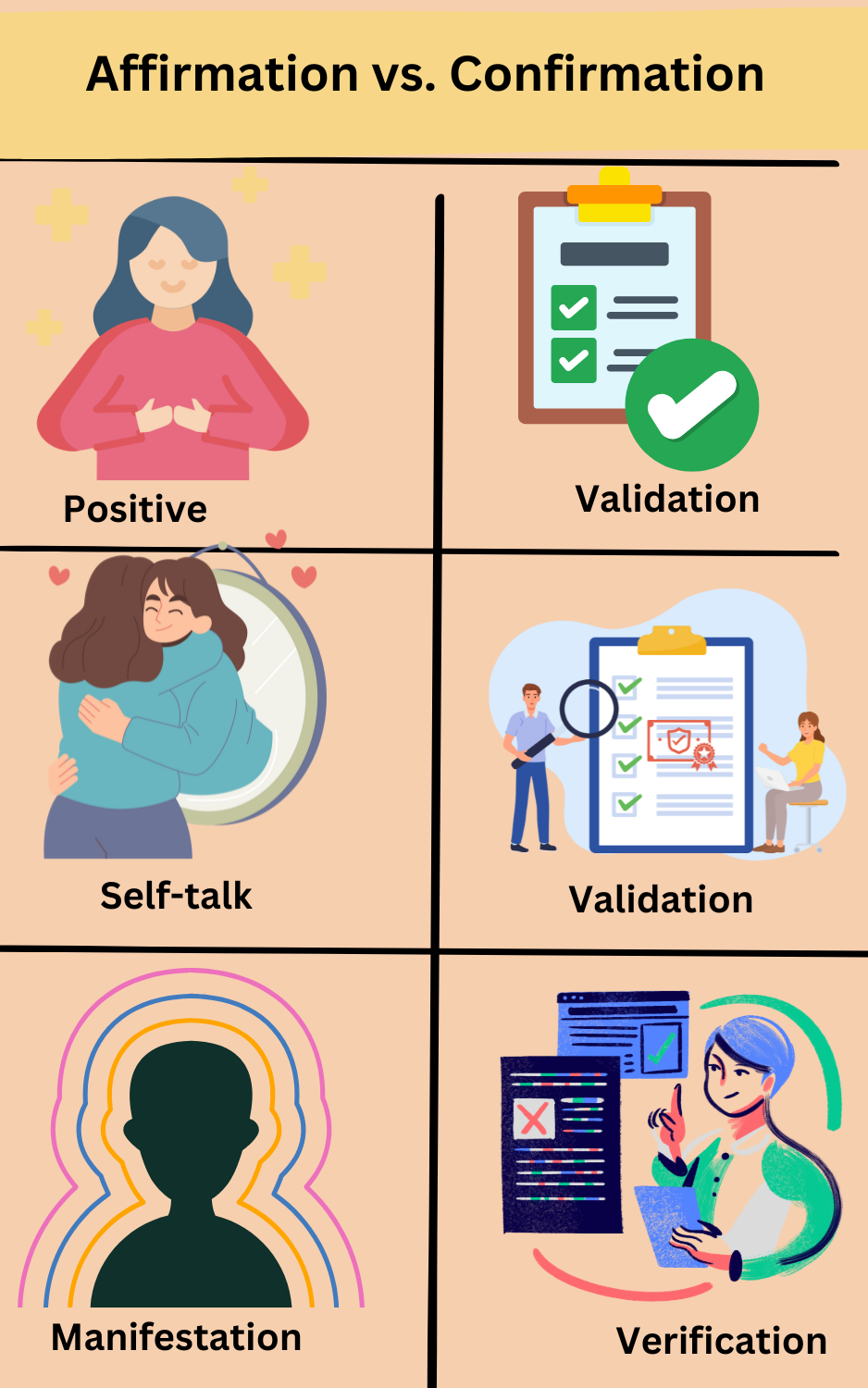
Combining Affirmation And Manifestation With Other Techniques
You can make both tools even stronger by combining them with:
- Meditation: Helps calm the mind, making affirmations and visualization easier.
- Gratitude practice: Being thankful for what you have attracts more positive energy.
- Goal setting: Write down clear, actionable steps for your goals.
These practices support each other and make it easier to stay positive and focused.
Credit: click2pro.com
Common Questions About Affirmation And Manifestation
Many people have similar questions when they first start. Here are honest answers:
Do I Need To Believe My Affirmations Right Away?
No. It is normal to feel unsure at first. The more you repeat affirmations and act on them, the more your belief will grow.
How Long Does Manifestation Take?
There is no fixed timeline. Some goals come quickly, others take time. The key is to stay positive, keep taking action, and adjust as needed.
Can I Use Affirmations And Manifestation For Any Goal?
Yes, but they work best for goals that are realistic and meaningful to you. If your goal is impossible or does not matter to you, it will be hard to stay motivated.
What If I Miss A Day?
Missing a day is not the end. Just start again the next day. Progress is about consistency over time, not perfection.
Are Affirmation And Manifestation Supported By Science?
Parts of both are supported by research, such as the benefits of positive self-talk and visualization. However, the idea that thoughts alone can change reality is debated. For more on the science, see this Wikipedia article.
Frequently Asked Questions
What Is The Main Difference Between Affirmation And Manifestation?
The main difference is that affirmation focuses on changing your mindset by repeating positive statements, while manifestation is about turning your desires into reality through belief, visualization, and action.
Can I Use Affirmation Without Manifestation, Or Do They Always Go Together?
You can use affirmations alone to boost your confidence or improve your mood. However, combining them with manifestation (goal setting and action) can help you create real change in your life.
How Many Times Should I Repeat An Affirmation For It To Work?
There is no perfect number, but repeating your affirmation 3–5 times daily, especially with emotion and focus, helps your mind accept it over time.
What If My Manifestation Goal Doesn’t Happen?
Sometimes, goals take longer or need to be changed. Review your actions and beliefs, adjust your approach, and stay open to new possibilities. Not all manifestations come true exactly as planned, but the process helps you grow.
Is There Any Risk In Using Affirmation Or Manifestation?
Generally, both are safe. However, problems can happen if you use them to avoid real problems or ignore important actions. Use them as tools, not as a substitute for real effort or professional help when needed.
Both affirmation and manifestation can help you live a better, more positive life. By understanding the difference and using them together, you can build confidence and take real steps toward your dreams. Remember, change takes time, but with practice and patience, you will see results.
Credit: www.thinkright.me
