

What Does Writing Affirmations Do? Unlock Your Mind’s Potential
What Does Writing Affirmations Do
Many people talk about affirmations, but few really understand how they work. You might see phrases like “I am confident” or “I am successful” written on sticky notes, journals, or phone screens. These simple sentences can look harmless, even silly. But when you dig deeper, you discover that writing affirmations can do much more than boost your mood for a moment. It can change how you think, feel, and act every day.
Let’s explore what writing affirmations really does. You’ll learn how they affect your mind, your habits, and even your physical health. We’ll look at examples, research, practical tips, and common mistakes. By the end, you’ll know exactly why affirmations matter—and how to use them for real results.
How Writing Affirmations Affects The Brain
Writing affirmations is not just positive thinking. It’s an active process that influences your brain in surprising ways. When you write an affirmation, you do more than read or say it. You create a physical connection between your thoughts and your actions.
The Science Behind Affirmations
Studies show that self-affirmation activates certain parts of the brain, like the ventromedial prefrontal cortex. This area is linked to self-processing and reward. When you write affirmations, your brain sees your words as rewards, making you feel good and building confidence.
According to research published in the journal *Social Cognitive and Affective Neuroscience*, people who practiced self-affirmation had stronger brain activity in these regions. They also handled stress better, showing that affirmations can affect how you respond to challenges.
Why Writing Is Different
Many people wonder if writing affirmations is more powerful than just saying them. Writing is a physical act. It forces you to slow down, focus, and repeat the words. This makes your affirmations more memorable and meaningful. Written words are also easier to review later, so you can see your progress.
When you write, your brain connects the motor cortex (movement) and the visual cortex (seeing). These extra steps help cement the affirmation in your memory. This is why journaling or writing out positive statements can be more effective than just thinking them.
Real-life Example
Imagine you write “I am a good public speaker” every day. At first, you might not believe it. But over time, your brain starts to see this statement as true, especially if you practice speaking and notice small improvements. The written affirmation works as a mental anchor, helping you feel less nervous and more confident.
How Affirmations Change Behavior
Writing affirmations is not magic. It doesn’t instantly change your life. However, it can slowly shift your actions and habits. This is why many coaches, therapists, and teachers recommend affirmations.
Building New Habits
When you write “I am disciplined” every morning, your brain starts looking for ways to act more disciplined. You might decide to finish your tasks on time or avoid distractions. The affirmation becomes a reminder, pushing you to make better choices.
This process is called cognitive priming. Your brain gets ready to act in line with your beliefs. If you repeat the affirmation often, it becomes easier to form new habits.
Creating Self-fulfilling Prophecies
Affirmations can turn into self-fulfilling prophecies. If you believe you’re confident, you act confident. Others see your confidence and respond positively. This feedback makes you feel even more confident. The cycle continues and grows stronger.
Case Study: Overcoming Negative Thoughts
Consider someone who writes “I am worthy” after struggling with low self-esteem. At first, it feels strange. But with daily writing, the person starts noticing moments where they feel valued. The affirmation helps them pay attention to positive experiences and ignore negative ones.
This shift doesn’t happen overnight. It takes weeks or months of practice. But the written affirmation works as a guide, helping the person change how they see themselves.
Emotional Benefits Of Writing Affirmations
Many people use affirmations to feel better emotionally. Writing positive statements can reduce anxiety, stress, and sadness.
Stress Reduction
Research from the University of Pennsylvania found that people who practiced self-affirmation felt less stressed before big tests or interviews. Writing affirmations helped them see their strengths, which made them feel calmer.
Improving Mood
Writing “I am grateful for my life” can make you notice good things, even on bad days. Gratitude affirmations shift your focus from problems to positives. This improves your mood and helps you feel more hopeful.
Building Resilience
Resilience means bouncing back from setbacks. Affirmations like “I can handle challenges” remind you of your abilities. This makes it easier to stay strong during tough times.
Practical Example
Let’s say you feel nervous about a job interview. You write “I am prepared and confident. ” This affirmation helps you remember your skills and experiences. You walk into the interview feeling less anxious and more focused.
Physical Health Effects
Affirmations don’t just change your mind. They can also impact your body. When you feel less stressed, your body responds in healthy ways.
Lowering Stress Hormones
Studies show that affirmations can lower levels of cortisol, a stress hormone. Less cortisol means better sleep, improved digestion, and stronger immunity.
Supporting Heart Health
Stress is linked to heart problems. Writing affirmations that reduce stress can help keep your heart healthy. You might notice lower blood pressure, slower heart rate, and fewer headaches.
Enhancing Recovery
People recovering from illness or injury often use affirmations. Statements like “My body is healing” or “I am strong” can boost motivation and speed up recovery.
Example: Athletes
Many athletes use affirmations before games. They write “I am fast and focused” or “I can win. ” These statements help them perform better and recover faster after injuries.

Credit: www.simplypsychology.org
How To Write Effective Affirmations
Not all affirmations work the same way. Some are more powerful than others. Here’s how to write affirmations that create real change.
Keep It Positive
Affirmations should focus on what you want, not what you don’t want. Instead of “I am not afraid,” write “I am brave. ”
Use Present Tense
Write as if your statement is already true. “I am healthy” is better than “I will be healthy. ”
Make It Personal
Use “I” statements. “I am successful” feels more real than “Success is possible. ”
Be Specific
General affirmations are less effective. Instead of “I am happy,” try “I enjoy my work and feel proud every day. ”
Repeat Often
Write your affirmation daily. The more you repeat it, the stronger it becomes.
Example Affirmations
- “I am confident speaking in public.”
- “I manage my time well.”
- “I enjoy learning new skills.”
- “I am grateful for my friends and family.”
Common Mistakes And How To Avoid Them
Many people try affirmations but give up quickly. Here are some mistakes to watch for.
Writing Vague Statements
If your affirmation is too broad, your brain won’t connect with it. Avoid statements like “I am good. ” Instead, write “I am kind to others. ”
Ignoring Your Feelings
If you don’t believe your affirmation, it won’t help. Start with statements that feel true or nearly true. For example, “I am learning to be confident. ”
Skipping Consistency
Writing once or twice is not enough. Make it a daily habit, even if you don’t see results right away.
Forgetting To Take Action
Affirmations work best with action. If you write “I am healthy,” also eat well and exercise. Combine words with real steps.
Overusing Affirmations
Too many affirmations can feel overwhelming. Focus on 2-3 statements that matter most to you.

Credit: blog.gratefulness.me
Comparing Writing, Speaking, And Thinking Affirmations
There are several ways to use affirmations: writing, speaking, and thinking. Which is best? Here’s a comparison.
| Method | Strengths | Weaknesses |
|---|---|---|
| Writing | Creates physical connection, easier to track progress, more memorable | Takes more time and effort |
| Speaking | Quick, easy to do anywhere, builds confidence | Less permanent, harder to review |
| Thinking | Simple, private, can be done anytime | Easy to forget, less impact on memory |
Writing affirmations stands out because it combines physical action with mental focus. Speaking is helpful for confidence, but you might forget what you said. Thinking is convenient but less effective.
The Role Of Visualization With Affirmations
Many experts suggest combining affirmations with visualization. Visualization means picturing your affirmation as real.
How Visualization Helps
When you write “I am successful,” imagine yourself reaching your goals. This mental picture makes the affirmation feel more real. Your brain responds by preparing you for success.
Practical Steps
- Write your affirmation.
- Close your eyes and picture it happening.
- Feel the emotions connected to your success.
This three-step process boosts the power of affirmations.
Credit: wp.stolaf.edu
Affirmations In Therapy And Coaching
Therapists and coaches use affirmations to help clients. They guide people to write statements that support healing and growth.
Cognitive Behavioral Therapy (cbt)
CBT uses affirmations to challenge negative thoughts. Clients write positive statements to replace old beliefs. This helps them change their thinking patterns.
Coaching Example
A coach might help a client write “I am capable of learning new skills” to overcome fear of failure. The client repeats the affirmation daily and sees progress.
Research Data
Studies show that affirmations can improve therapy results. Clients who practice daily affirmations report higher self-esteem and lower anxiety.
Measuring The Impact Of Affirmations
How can you tell if affirmations are working? There are several ways to measure progress.
Tracking Mood And Behavior
Keep a journal. Write your affirmation and note how you feel before and after. Look for changes in mood, confidence, or stress.
Setting Goals
Write affirmations linked to specific goals. For example, “I finish my tasks on time. ” Track your progress and see if you meet your goal.
Using Surveys
Some therapists use surveys to measure self-esteem, confidence, or anxiety before and after affirmations. Scores often improve with regular practice.
Example Table: Mood Tracking
| Date | Affirmation | Mood Before | Mood After |
|---|---|---|---|
| Monday | I am calm | Anxious | Relaxed |
| Tuesday | I am strong | Sad | Motivated |
| Wednesday | I am grateful | Tired | Hopeful |
Real-world Success Stories
Many people have shared stories about how affirmations changed their lives. Here are a few examples.
Story 1: Building Confidence
Sarah struggled with public speaking. She wrote “I am a confident speaker” every day. After a month, she noticed less anxiety. She began speaking in meetings and felt proud of her progress.
Story 2: Overcoming Fear
David was afraid of trying new things. He started writing “I am open to new experiences. ” Within weeks, he tried cooking, joined a sports club, and made new friends.
Story 3: Healing After Loss
Maria faced sadness after losing a loved one. She wrote “I am strong and healing. ” This affirmation helped her focus on positive memories and build resilience.
Story 4: Improving Health
James wanted to lose weight. He wrote “I make healthy choices. ” This statement encouraged him to eat better and exercise. Over time, his health improved.
These stories show that affirmations are not just words—they can inspire real change.
How To Make Affirmations A Daily Habit
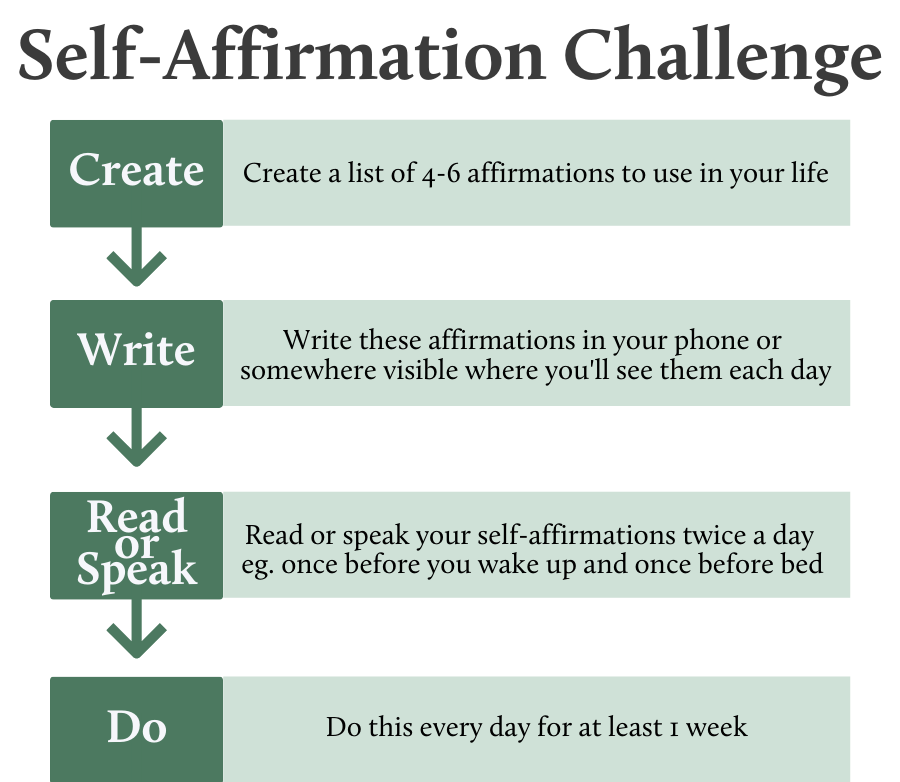
Affirmations are most effective when used daily. Here’s how to build a routine.
Choose A Time
Pick a time that works for you. Morning is good for starting your day. Evening helps you reflect.
Set A Place
Use a journal, notebook, or phone app. Keep your tools nearby.
Create A Ritual
Combine affirmations with other habits. For example, write them while drinking coffee or before bed.
Stick To 2-3 Statements
Don’t overwhelm yourself. Focus on a few affirmations that matter most.
Review And Adjust
Change your affirmations as your goals shift. Review progress every week.
Advanced Techniques For Using Affirmations
Once you’re comfortable with basic affirmations, try these advanced methods.
Pair With Meditation
Write your affirmation, then meditate for 5 minutes. This deepens your focus and helps your brain absorb the message.
Use Technology
Apps like ThinkUp or IAm help you track affirmations and send reminders.
Record Yourself
Speak your affirmation and record it. Listen daily to build confidence.
Share With A Friend
Tell a trusted friend your affirmation. Ask them to remind you or encourage you.
Write In Different Languages
If you speak more than one language, write your affirmation in both. This can make it feel more personal and powerful.
Comparing Affirmations To Other Self-help Methods
How do affirmations stack up against other methods like goal setting, visualization, and gratitude journaling?
| Method | Main Focus | Best For | Weaknesses |
|---|---|---|---|
| Affirmations | Positive self-talk | Changing beliefs, boosting confidence | Requires belief and repetition |
| Goal Setting | Clear objectives | Achieving specific targets | Can feel stressful or rigid |
| Visualization | Imagining success | Preparing for big events | Harder to measure progress |
| Gratitude Journaling | Appreciating positives | Improving mood, reducing stress | Does not change beliefs directly |
Affirmations are unique because they change your beliefs. Other methods help with goals or mood, but affirmations target your self-image.
Non-obvious Insights Most Beginners Miss
Most beginners think affirmations are just about feeling good. Here are two insights you might not know:
- Affirmations can reveal hidden beliefs. When you struggle to write or believe an affirmation, it shows where you need growth. This is a chance to explore your fears or doubts.
- Affirmations affect your environment. When you write positive statements, you notice more opportunities around you. You attract positive people and situations, making it easier to reach your goals.
How Affirmations Can Help Groups And Teams
Affirmations are not only for individuals. Teams and groups can use them to build unity and motivation.
Team Affirmations
A sports team might write “We play with passion. ” This statement brings members together and boosts morale.
Workplace Example
A company can encourage employees to write “I contribute value to my team. ” This increases engagement and job satisfaction.
Group Rituals
Groups can share affirmations at meetings, before events, or during challenges. This creates a sense of belonging and trust.
Cultural Differences In Using Affirmations
Affirmations are popular in Western cultures but used differently around the world.
Eastern Cultures
Some Eastern cultures focus on humility. Affirmations may be more about group success than individual achievement.
Collective Vs Individual
In collective cultures, affirmations might say “We achieve together” rather than “I am successful. ” This change reflects group values.
Language Matters
The language of your affirmation affects its power. Use words and phrases that feel natural in your culture.
Frequently Asked Questions
What Is An Affirmation?
An affirmation is a positive statement you repeat to yourself. It helps change your beliefs, boost your confidence, and guide your actions.
How Often Should I Write Affirmations?
Daily is best. Consistency helps your brain accept the new belief. You can write in the morning, at night, or any time that fits your routine.
Can Affirmations Work For Everyone?
Most people benefit from affirmations, but results vary. If you struggle to believe your statement, start with something small and build up. Affirmations work best with action and patience.
What If I Don’t Believe My Affirmation?
It’s normal to doubt at first. Try writing “I am learning to be confident” or “I am becoming healthy. ” Gradually, your belief will grow.
Are Affirmations Backed By Science?
Yes. Research shows affirmations can reduce stress, improve mood, and boost self-esteem. For more details, you can visit Psychology Today.
Every person has the power to change their life with simple words. Writing affirmations is not magic, but it is a proven tool for shaping your mind, building better habits, and improving your health. Start small, stay consistent, and notice how your world changes—one sentence at a time.
