

What Does Affirmation Mean? Unlocking Its True Power
What Does Affirmation Mean
Many people hear the word affirmation and think of positive phrases or motivational quotes. But the real meaning of affirmation goes much deeper. Affirmation is not just about repeating nice words to yourself. It’s a practice that can shape your thoughts, feelings, and even your actions. Whether you want more confidence, better focus, or a happier mindset, understanding affirmation can be a powerful tool.
In this article, you’ll learn the full meaning of affirmation, how it works, the science behind it, and how to use it in daily life. We’ll look at examples, common mistakes, and things you might not know if you are new to affirmations.
By the end, you’ll have a complete understanding of what affirmation really means, and how to use it wisely.
The Core Meaning Of Affirmation
The word affirmation comes from the Latin word “affirmare,” which means “to make steady” or “to strengthen.” In simple terms, an affirmation is a statement that you say to yourself to help shape your beliefs or thoughts. These statements are usually positive and focus on something you want to believe or achieve.
But affirmation is more than just a sentence. It’s a tool for self-improvement. When you use affirmations, you’re training your mind to focus on certain ideas. Over time, this can change how you see yourself and the world.
For example, saying “I am confident” every morning can help you start believing in your confidence, especially if you repeat it often and with intention. The key is not just the words, but the belief and feeling behind them.
Types Of Affirmations
People use different kinds of affirmations depending on their goals. Here are some of the most common types:
- Self-Love Affirmations: These focus on accepting and loving yourself. Example: “I am worthy of love and respect.”
- Success Affirmations: These help you focus on achieving goals or improving performance. Example: “I am capable of reaching my goals.”
- Health Affirmations: These support a healthy body and mind. Example: “I treat my body with care and respect.”
- Relationship Affirmations: These strengthen relationships with others. Example: “I communicate with kindness and understanding.”
- Stress Relief Affirmations: These help reduce anxiety and promote calm. Example: “I am calm and at peace.”
You can create your own affirmations for nearly any area of life. The best affirmations are specific to what you need or want to change.
How Affirmations Work
Affirmations work by influencing your thoughts and beliefs. Our minds are full of self-talk—the things we say to ourselves every day. Sometimes, this self-talk is negative and holds us back. Affirmations help you replace negative thoughts with positive ones.
The process is simple:
- You choose a positive statement that matches your goal.
- You repeat it regularly, often daily.
- Over time, your mind starts to believe the statement.
- This belief influences your feelings, choices, and behavior.
This is not magic or wishful thinking. It’s a way to train your brain to focus on what you want, not what you fear.
The Power Of Repetition
Repetition is key in affirmation. Just saying something once does not usually change your mind. When you repeat an affirmation, it becomes more familiar. Your brain starts to accept it as true, especially if you combine it with real effort and action.
For example, if you tell yourself “I am organized” every day, and also take small steps to organize your life, the affirmation becomes stronger and more believable.
The Science Behind Affirmations
You might wonder if affirmations really work, or if they are just wishful thinking. There is real science behind how affirmations affect the brain.
How The Brain Responds
Affirmations use the brain’s ability to rewire itself—a process called neuroplasticity. When you repeat positive thoughts, your brain creates new connections. These new pathways make it easier to think in more positive ways.
Research shows that positive self-talk can reduce stress, increase problem-solving skills, and improve confidence. One study found that people who practiced affirmations were more likely to take on challenging tasks and feel less stress.
The Role Of The Reticular Activating System
Another part of the science is the Reticular Activating System (RAS). This is a network in the brain that filters information. When you focus on an affirmation, your RAS helps you notice things that support that belief. For example, if you say “I am successful,” your brain will look for proof of your success in daily life.
Limits And Misunderstandings
It’s important to know that affirmations are not a cure-all. They work best when combined with real action. Just saying “I am rich” without working toward it will not bring money. The real power is in combining affirmations with effort.
Also, some studies show that affirmations can backfire if you don’t believe them at all. For example, if you feel very low and say “I am happy,” you might feel worse. The affirmation needs to feel possible, not impossible.
Common Myths About Affirmation
Many people misunderstand affirmation. Let’s clear up some of the most common myths.
- Myth: Affirmations are magic spells.
- Reality: Affirmations help change your mindset, but they are not magic. You still need to work toward your goals.
- Myth: You have to believe your affirmation 100% from the start.
- Reality: It’s normal to doubt at first. Belief can grow with time and practice.
- Myth: Affirmations work instantly.
- Reality: Change takes time. Affirmations are most effective when used daily over weeks or months.
- Myth: Affirmations are only for positive people.
- Reality: Anyone can use affirmations, even if you feel negative or doubtful.
- Myth: You can just repeat anything and it will work.
- Reality: Affirmations should be meaningful and connected to your real goals.
By understanding these myths, you can use affirmations more wisely and avoid disappointment.
Creating Effective Affirmations
Not all affirmations are equally powerful. To get the best results, you need to create affirmations that work for you. Here’s how:
Use The Present Tense
Say your affirmation as if it’s true now, not in the future. For example, “I am confident” is better than “I will be confident. ”
Keep It Positive
Focus on what you want, not what you don’t want. Say “I am healthy” instead of “I am not sick. ”
Be Specific
Make your affirmation clear and direct. Instead of “I am successful,” try “I finish my tasks on time and feel proud. ”
Make It Personal
Use “I” statements to connect the affirmation to yourself.
Add Emotion
The best affirmations make you feel something. Choose words that inspire you.
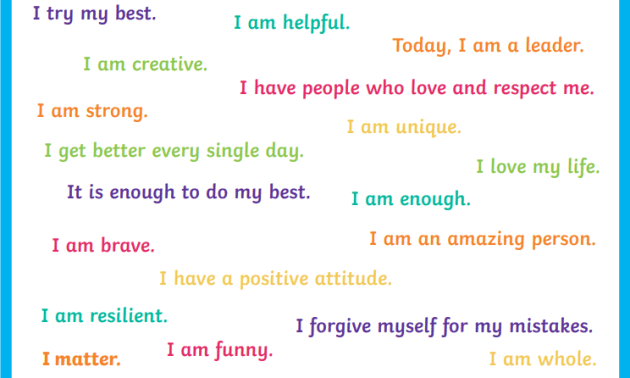
Examples Of Good Affirmations
- “I handle challenges with calm and focus.”
- “I am worthy of new opportunities.”
- “I trust myself to make good choices.”
- “I am improving every day.”
Common Mistakes In Creating Affirmations
- Making statements too big or unrealistic (“I am a billionaire now”).
- Using negative words (“I am not afraid” instead of “I am brave”).
- Forgetting to use emotion or feeling.
If you’re new to affirmations, start with simple and believable statements. As you grow, you can make them bigger.
Credit: www.twinkl.com
Using Affirmations In Daily Life
Affirmations are most effective when they become a habit. Here’s how you can use them in your daily routine:
Morning Practice
Start your day by repeating your affirmation out loud or silently. This sets a positive tone for the day.
Write Them Down
Writing your affirmation in a notebook or journal helps reinforce the idea. You can also post sticky notes around your room or workspace.
Mirror Work
Look at yourself in the mirror and say your affirmation. This can be powerful, but it may feel awkward at first.
Use Technology
Set reminders on your phone or computer. You can even record your affirmation and listen to it during your commute.
Link To Actions
Repeat your affirmation when you do certain tasks, like brushing your teeth or making coffee. This helps it become automatic.
Share With Others
If you feel comfortable, share your affirmation with a friend or family member. This creates support and accountability.
Table: Ways To Practice Affirmations
| Method | How It Helps |
|---|---|
| Morning repetition | Sets a positive mood for the day |
| Writing in a journal | Deepens belief through physical action |
| Mirror work | Boosts self-connection and confidence |
| Phone reminders | Keeps you focused throughout the day |
| Sharing with friends | Adds support and accountability |
Examples Of Affirmations For Different Goals
Affirmations can fit many goals. Here are some examples for specific areas:
Confidence
- “I believe in my abilities.”
- “I speak clearly and with confidence.”
- “I deserve respect and success.”
Stress And Anxiety
- “I am calm in any situation.”
- “I trust that things will work out.”
- “I let go of stress with each breath.”
Success And Motivation
- “I achieve my goals step by step.”
- “I am focused and productive.”
- “I celebrate my progress every day.”
Health And Wellness
- “I care for my body with healthy choices.”
- “I am getting stronger and healthier.”
- “I listen to what my body needs.”
Relationships
- “I attract kindness and respect.”
- “I am a good listener.”
- “I bring out the best in others.”
You can mix and match or create your own. The most powerful affirmations are the ones that matter most to you.

Credit: artpchs.weebly.com
Affirmations Vs. Other Self-help Tools
People often confuse affirmations with similar practices. Here’s how affirmations compare with other self-help tools:
Affirmations Vs. Mantras
A mantra is usually a word or sound repeated during meditation, often without a direct meaning (like “Om”). An affirmation is a clear, positive statement with a specific meaning.
Affirmations Vs. Goals
A goal is something you want to achieve in the future. An affirmation helps you believe you can reach that goal.
Affirmations Vs. Visualization
Visualization is imagining your success. Affirmation is telling yourself a statement about your success.
Table: Affirmation Compared To Other Tools
| Tool | Main Feature | Purpose |
|---|---|---|
| Affirmation | Positive statement | Change mindset, build belief |
| Mantra | Word or sound | Calm mind, focus energy |
| Goal | Specific outcome | Guide actions, track progress |
| Visualization | Mental image | Boost motivation, clarify vision |
The Role Of Affirmation In Different Cultures
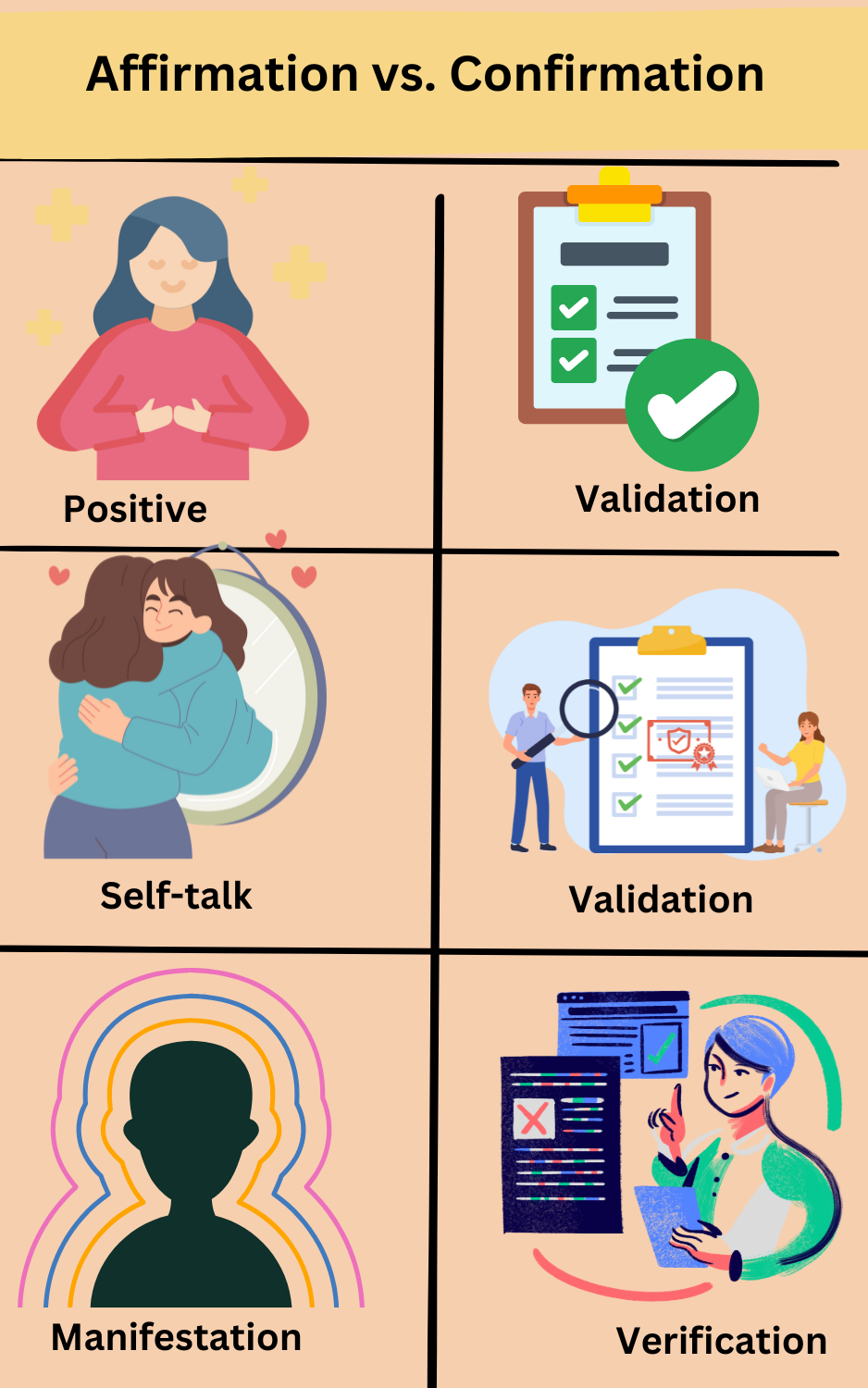
Affirmations are not new. Many cultures have used similar practices for centuries. For example, in some Eastern traditions, repeating positive phrases is part of prayer or meditation. In Western culture, self-help movements have made affirmations popular for personal growth.
Even in business and sports, coaches use affirmations to help teams focus and believe in success. The main idea is the same: words can shape beliefs and actions.
Credit: click2pro.com
When Affirmations Don’t Work
Affirmations are powerful, but sometimes they don’t give the results people expect. Here are some reasons why:
- Lack of Consistency: Affirmations need regular practice. If you use them only once in a while, they lose power.
- No Real Action: Affirmations must be paired with action. Saying “I am healthy” without healthy habits won’t help.
- Unrealistic Statements: If the affirmation feels impossible, it can cause frustration or doubt.
- Ignoring Negative Emotions: Affirmations are not a way to ignore real problems. It’s okay to feel sad or worried sometimes.
- Using Other People’s Words: Your affirmation should feel true to you, not just copied from someone else.
Table: Common Reasons Affirmations Fail
| Reason | Effect | How to Fix |
|---|---|---|
| Inconsistent practice | No real change in mindset | Repeat daily, set reminders |
| No supporting action | Lack of results | Take small steps with your affirmation |
| Unbelievable statement | Increased self-doubt | Start with believable affirmations |
| Suppressing emotions | More stress or anxiety | Allow yourself to feel, then affirm |
| Copied affirmations | Lack of personal connection | Write your own, in your own words |
Non-obvious Insights About Affirmation
Many beginners miss some of the deeper lessons of affirmation. Here are a few insights that can help you use affirmations more effectively:
1. Affirmations Influence Habits
Most people focus only on thoughts, but affirmations also shape habits. If you repeat “I am organized,” your brain looks for ways to match that belief. You may start cleaning your desk or planning your day better—even without thinking about it.
2. Affirmations Can Be Used For Letting Go
Not all affirmations are about adding new things. Some are about letting go of old beliefs or pain. For example, “I release the need to be perfect” can be just as powerful as “I am confident. ”
3. Affirmations Are More Powerful When Combined With Visualization
If you repeat your affirmation while imagining yourself living it, the effect is stronger. Your brain responds to both words and images.
4. Affirmations Work Best When Connected To Your Values
If your affirmation matches what matters most to you, it feels more natural and is more likely to succeed. Take time to think about your true values before creating your affirmations.
5. The Tone Of Voice Matters
Saying your affirmation with energy and belief is more effective than repeating it in a flat voice. Your body and voice help convince your mind.
Affirmations And Emotional Health
Affirmations are closely linked to emotional well-being. When you focus on positive beliefs, you can reduce negative self-talk and improve mood. Over time, this can lead to better relationships, stronger self-esteem, and more happiness.
But it’s important to balance affirmation with honesty. If you feel sad, it’s okay to admit it. Affirmation works best when it’s part of a healthy, balanced mindset.
The Role Of Affirmation In Therapy And Coaching
Many therapists and coaches use affirmations with clients. They may ask you to write or repeat affirmations that match your goals. This is often part of a larger plan to change habits, beliefs, or behaviors.
Research supports the use of affirmations in therapy, especially for building confidence, reducing anxiety, and overcoming limiting beliefs. If you work with a coach or counselor, ask how affirmation can fit into your plan.
If you want to learn more about the science and use of affirmations in therapy, you can find detailed studies at Positive Psychology.
Practical Tips For Beginners
If you want to try affirmations, start simple:
- Pick one area of your life to improve.
- Write a short, positive statement in the present tense.
- Repeat it every morning and night for at least two weeks.
- Add real actions that match your affirmation.
- Notice any changes in your thoughts or feelings.
Remember, it’s normal to feel awkward at first. With time and practice, affirmation can become a natural part of your routine.
Frequently Asked Questions
What Is The True Meaning Of Affirmation?
Affirmation means a positive statement that you repeat to yourself to shape your beliefs, thoughts, or actions. It’s a way to focus your mind on what you want, not what you fear. The key is consistency and belief.
How Are Affirmations Different From Just Thinking Positively?
Affirmations are specific, repeated statements aimed at changing a belief or behavior. Positive thinking is a general attitude. Affirmations are more focused and intentional, often linked to a goal.
Can Affirmations Really Change My Life?
Affirmations can change your mindset and support new habits, especially when combined with real action. They are not magic, but they are a powerful tool for self-improvement if used regularly.
What If I Don’t Believe My Affirmation?
It’s normal to doubt at first. Start with affirmations that feel possible, or add words like “I am learning to…” or “I am open to…” to make them more believable. Over time, your belief can grow.
How Long Does It Take For Affirmations To Work?
There is no set time. Some people notice changes in a few weeks, others take longer. The key is daily practice and combining affirmations with action. Be patient and consistent for the best results.
Affirmation is a simple yet powerful tool for anyone who wants to change their mindset, build confidence, or reach new goals. By understanding what affirmation really means, and how to use it wisely, you can start seeing real changes in your life.
It’s not about magic—it’s about taking small, positive steps every day toward a better you.
