

What are the Benefits of Listening to Affirmations Daily?
Listening to affirmations has become a popular practice for people seeking personal growth, confidence, and a healthier mindset. From athletes to entrepreneurs, many successful people talk about the power of positive self-talk. But what exactly happens in your mind and life when you listen to affirmations regularly?
Are the benefits real, or is it just a trend? This article explores the science and real-world advantages of affirmations in detail, showing how this simple habit can make a big difference in your thoughts, emotions, and even physical health.
Understanding Affirmations: How They Work
Affirmations are simple, positive statements you repeat to yourself. They usually focus on what you want to achieve or how you want to feel, such as “I am confident,” or “I attract success. ” When you listen to these statements—spoken by yourself or others—your brain starts to pay attention.
Over time, these messages can shape your beliefs and behaviors.
The main idea is based on the concept of neuroplasticity. This means your brain can change and form new connections based on what you focus on. When you listen to affirmations, you help your brain build paths that support positive thinking. This isn’t magic; it’s a result of repeated thoughts creating new mental habits.
Main Benefits Of Listening To Affirmations
Boosts Self-esteem And Confidence
One of the most well-known benefits is a noticeable increase in self-esteem. When you hear positive statements about yourself, especially daily, you start to see yourself in a better light. Research shows that people who use affirmations regularly feel more confident about their abilities and worth.
For example, a study found that students who listened to affirmations before exams performed better and felt less anxious. Hearing “I am prepared,” or “I can handle this,” can change your reaction to stress and challenges.
Reduces Negative Self-talk
Many people struggle with a harsh inner voice. This negative self-talk can hold you back, make you doubt yourself, and even affect your health. Listening to affirmations helps to interrupt and replace those negative thoughts with positive ones.
Instead of thinking, “I always fail,” you start to hear, “I am capable of learning and improving. ” Over time, your mind learns to choose the positive message instead of the negative one. This shift can reduce anxiety and increase your motivation.
Supports Mental Health And Well-being
Affirmations are not a replacement for therapy, but they can support better mental health. Studies suggest that positive affirmations may lower stress, reduce symptoms of depression, and help manage anxiety.
For instance, repeating affirmations like “I am calm and in control,” can help your body relax. Your brain releases less stress hormone, making it easier to handle difficult situations. This is especially helpful for people with high-pressure jobs or busy lives.
Improves Focus And Motivation
When you listen to affirmations that match your goals, you remind yourself of what is important. This keeps your mind focused and helps you stay motivated, especially during tough times.
Athletes often use affirmations like “I am strong and fast,” before a game. This helps them stay focused on their skills and perform better. You can use the same strategy for studying, working, or any goal you want to achieve.
Increases Resilience
Life comes with setbacks and failures. People who practice affirmations often bounce back more quickly after disappointment. This is called resilience—the ability to recover from difficulties.
Listening to affirmations like “I learn from my mistakes,” or “I am stronger than any challenge,” helps you see failure as a learning opportunity. You start to believe that you can overcome problems, which makes you more persistent and less likely to give up.
Enhances Positive Emotions
Regular affirmation practice can lead to more frequent positive emotions. You may notice more moments of happiness, gratitude, or hope. When you fill your mind with positive messages, you create space for good feelings to grow.
This change doesn’t happen overnight. But with time, your emotional “set point” can shift. People who use affirmations often feel lighter and more optimistic, even during stressful periods.
Improves Relationships
How you feel about yourself affects how you interact with others. When you listen to affirmations and increase your self-worth, you are more likely to set healthy boundaries, communicate clearly, and show empathy.
For example, someone repeating “I deserve respect,” is more likely to stand up for themselves in a difficult conversation. Affirmations can also help you become a more supportive friend or partner by encouraging kindness and understanding.
Better Physical Health
The mind and body are closely connected. Positive affirmations can indirectly support better physical health. When you reduce stress and increase motivation, you are more likely to make healthy choices.
Some people use affirmations to support habits like exercise or eating well. Statements like “I enjoy taking care of my body,” or “I choose nourishing foods,” encourage healthier behaviors. Lower stress also supports your immune system and heart health.
Reduces Effects Of Stress
Listening to affirmations has been linked to lower levels of cortisol, the main stress hormone. This is important because high stress can harm almost every part of your body.
For example, people who practice affirmations before public speaking or exams often feel calmer. They report fewer physical signs of stress, like sweating or shaky hands. This makes it easier to perform well under pressure.
Supports Goal Achievement
Affirmations are powerful for setting and achieving goals. By listening to messages that remind you of your objectives, you stay focused and motivated. You begin to believe that your goals are possible.
Visualization is often used with affirmations. For instance, listening to “I am a successful business owner,” while imagining your future success, helps your brain plan the steps needed to reach that dream.
Encourages Growth Mindset
A growth mindset is the belief that abilities can be developed through effort. Listening to affirmations like “I can learn new things,” or “Mistakes help me grow,” supports this attitude.
People with a growth mindset are more likely to try new things, stick with challenges, and improve over time. Affirmations help replace fixed, limiting beliefs with more flexible and hopeful ones.
Improves Sleep Quality
Many people have trouble falling asleep because of racing or negative thoughts. Listening to calming affirmations before bed can relax your mind and help you fall asleep faster.
Phrases like “I am at peace,” or “I release the day,” signal your body to slow down. Some people use guided affirmation tracks or soft music to create a bedtime routine that improves their sleep quality.
Increases Productivity
When you start your day with affirmations, you set a positive tone. This can make you more productive and focused. Instead of starting with worries, you begin with clear intentions.
For example, listening to “I manage my time well,” or “I complete my tasks with ease,” can help you organize your work and avoid procrastination. Small changes in your mindset can lead to better results.
Promotes Self-compassion
Many people are harder on themselves than they are on others. Affirmations encourage self-compassion—the practice of being kind to yourself. This is especially important when you make mistakes.
Statements like “I forgive myself,” or “I am learning every day,” remind you to treat yourself with patience. Research shows that self-compassion is linked to lower stress and greater happiness.
Helps Break Negative Habits
Negative habits often start with negative beliefs. If you believe “I can never change,” it’s hard to stop behaviors that hurt you. Listening to affirmations like “I am in control of my choices,” gives your mind new options.
With repeated listening, you can slowly change your beliefs about yourself and your habits. This is a powerful step toward lasting change.
How Listening To Affirmations Changes The Brain
The science behind affirmations is rooted in how the brain responds to repeated messages. When you hear the same positive statement often, your brain starts to accept it as true. This is called cognitive restructuring.
What Happens In The Brain
- The brain’s reward system is activated by positive affirmations, releasing feel-good chemicals like dopamine.
- The prefrontal cortex, which controls planning and self-control, becomes more active. This helps you make better decisions.
- Negative pathways in the brain become weaker as positive ones are used more often.
These changes are not instant, but they build over time. Consistency is key—listening to affirmations regularly is more powerful than doing it only once in a while.
Example: Affirmations And Academic Performance
A group of students who listened to affirmations before a difficult math test showed less activity in areas of the brain linked to self-doubt. They also performed better than students who did not use affirmations. This shows that changing your thoughts can lead to real changes in performance.
Comparison: Affirmations Vs. Negative Self-talk
To make it clear, here’s a simple comparison of how affirmations and negative self-talk affect the mind and body:
| Affirmations | Negative Self-Talk |
|---|---|
| Boosts confidence | Lowers self-esteem |
| Reduces stress | Increases anxiety |
| Encourages growth | Limits potential |
| Supports good habits | Promotes unhealthy habits |
Non-obvious Insights: What Beginners Often Miss
While many people know the common benefits of affirmations, there are a few less obvious points that can make your practice even more powerful.
1. The Power Of Personalization
Generic affirmations can work, but personalized affirmations are even more effective. If you create statements that match your specific goals and challenges, your brain responds more strongly. For example, “I am confident in meetings,” is more useful if you struggle with speaking up at work.
2. The Importance Of Emotional Connection
Just repeating words is not enough. For the best results, you need to feel the message. If you don’t believe the affirmation at all, your mind may reject it. Start with statements that feel possible, such as “I am learning to be confident,” instead of “I am always confident.
” This small change can help your brain accept the new idea.

Credit: www.abundancenolimits.com
How To Listen To Affirmations For Best Results
If you want to get the most from affirmations, it helps to follow some simple tips:
- Make it a daily habit – Consistency matters more than the number of affirmations.
- Choose the right time – Many people like to listen in the morning or before bed.
- Use headphones – This can help you focus and block out distractions.
- Record your own voice – Hearing your own voice can be very powerful.
- Combine with visualization – Imagine yourself acting out the affirmation.
- Keep it positive and present tense – Use words like “I am” instead of “I will be.”
Sample Affirmations For Different Goals
Here are some examples you can try, depending on what you want to achieve:
- For confidence: “I trust myself.”
- For calm: “I am relaxed and peaceful.”
- For success: “I attract opportunities.”
- For health: “I care for my body.”
- For relationships: “I am worthy of love.”
Common Mistakes To Avoid
Many people start listening to affirmations but don’t see results because of a few common mistakes:
- Inconsistency: Skipping days or only using affirmations when you feel bad.
- Unrealistic statements: Using affirmations that are too far from your current reality can cause your brain to reject them.
- Lack of emotion: Repeating words without feeling them.
- Not being specific: Vague affirmations like “I am happy” can be less effective than specific ones.
- Ignoring negative feelings: It’s important to face and work through negative emotions, not just cover them with positive words.
Real-world Examples Of Affirmations In Action
In Sports
Many top athletes use affirmations to boost their performance. For example, Olympic swimmers often listen to recordings saying, “I am fast and powerful,” before races. This helps them focus and perform at their best under pressure.
In Business
Entrepreneurs and public speakers often use affirmations to overcome fear and build confidence. Before a big presentation, listening to “I speak clearly and confidently,” can help calm nerves and support a strong performance.
In Education
Teachers have found that students who use affirmations are more likely to believe in their ability to learn. This leads to better grades, more effort, and greater enjoyment in school.
Data: The Effectiveness Of Affirmations
To understand how effective affirmations can be, let’s look at some interesting data from different studies:
| Group | Affirmation Use | Outcome |
|---|---|---|
| Students | Listened before exams | Improved test scores, less anxiety |
| Employees | Daily positive statements | Higher job satisfaction |
| Patients | Affirmations for health | Faster recovery, less stress |
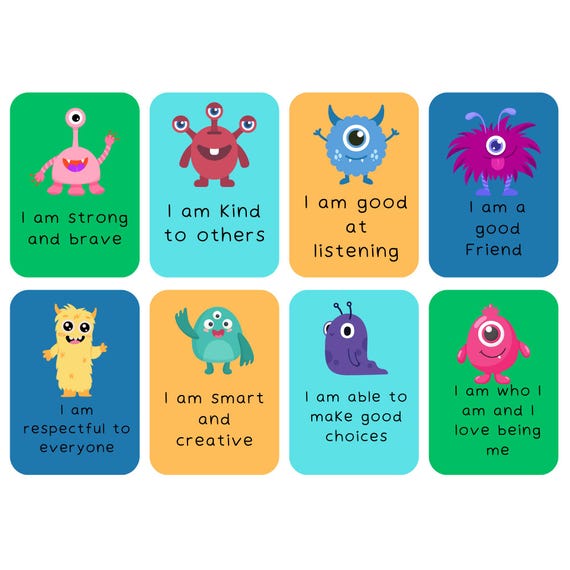
Credit: www.etsy.com
Comparing Listening To Reading Or Writing Affirmations
Some people wonder if listening is better than reading or writing affirmations. Each method has unique strengths.
| Method | Strengths | Best For |
|---|---|---|
| Listening | Hands-free, can do while relaxing, uses audio learning | People who learn by hearing |
| Reading | Quick, private, easy to repeat | People who focus on visuals |
| Writing | Personal, active involvement, deepens belief | People who enjoy journaling |
You can combine all three methods for even better results, as each one activates your brain in a different way.
Frequently Asked Questions
What Is The Best Time To Listen To Affirmations?
The best time depends on your routine, but many people find mornings or evenings most effective. Starting your day with positive messages sets a strong tone. Listening before sleep helps relax your mind and can improve sleep quality.
How Long Does It Take To See Results From Affirmations?
Results vary for each person. Some people notice changes in mood or motivation within a week. For deeper changes in beliefs and habits, it may take several weeks of daily practice. Consistency is more important than speed.
Can Affirmations Help With Anxiety Or Depression?
Affirmations can support better mental health by reducing negative self-talk and promoting positive emotions. However, they are not a substitute for professional help. If you have serious anxiety or depression, consider working with a therapist alongside your affirmation practice.
Do I Need To Believe The Affirmation For It To Work?
It helps if you believe the affirmation at least a little. If a statement feels impossible, try making it more believable, such as “I am learning to feel confident. ” This makes it easier for your mind to accept the new idea and benefit from it.
Are There Scientific Studies Supporting The Benefits Of Affirmations?
Yes, there is research showing that affirmations can lower stress, improve performance, and support mental well-being. For example, one study found that self-affirmation reduced stress responses in students. You can find more details from sources like the Psychology Today website.
Practicing positive affirmations is a simple, powerful way to change your mindset and create lasting improvements in your life. Whether you want more confidence, better health, or stronger relationships, adding this habit to your daily routine can help you move forward with greater strength and optimism.
:max_bytes(150000):strip_icc()/active-listening-skills-with-examples-2059684-ct-edit-b374ca3a973b466283314e6ee3ae7b1a.jpg)
Credit: www.thebalancemoney.com
