

What are Some Good Affirmations to Boost Your Daily Mindset
What Are Some Good Affirmations
Many people want to feel more confident, happier, and less stressed. But life can be tough. Negative thoughts often fill our minds. That’s where affirmations come in. These are simple, positive sentences you say to yourself. They help you change your mindset and improve how you feel. You don’t need special skills or tools. You just need words and a bit of belief.
Good affirmations can boost your mood, motivation, and even help you reach goals. Some people use them for health, others for work or relationships. But not all affirmations work the same way. The best ones are clear, realistic, and personal.
In this article, you’ll discover what makes a good affirmation, examples for different areas of life, and practical ways to use them. You’ll also learn why some affirmations fail and how to make them work for you.
What Makes An Affirmation ‘good’?
A good affirmation is more than just a positive sentence. It’s a tool for change. But not all affirmations are equally helpful. Let’s look at the key features:
- Clarity: The best affirmations are easy to understand. They use simple, direct words. For example, “I am calm” is clearer than “I have inner peace.”
- Present tense: Affirmations work best when you say them as if they are true right now. Instead of “I will be confident,” use “I am confident.”
- Realistic and believable: If you don’t believe the words, your mind will resist. For example, “I am learning to be confident” may work better than “I am the most confident person ever.”
- Personal: Good affirmations fit your life and goals. Generic affirmations like “I am happy” may not work if you need motivation. Make it personal: “I am proud of my progress.”
- Emotionally meaningful: Affirmations should make you feel something. If you feel nothing, try changing the words.
- Short and simple: Long affirmations are hard to remember. Keep them brief.
A non-obvious insight: Sometimes affirmations feel fake at first. That’s normal. Your mind needs time to accept new ideas. Start with statements you can almost believe and build from there. Another tip: Add a gentle action word, like “I choose,” or “I am learning,” if you feel resistance. For example, “I choose to feel calm.”
The Science Behind Affirmations
Affirmations are not magic, but they are backed by psychology. Research shows that repeating positive statements can change how you see yourself. This is called self-affirmation theory. It works because your brain pays attention to repeated messages, especially if you say them with emotion.
Studies found that affirmations can:
- Reduce stress in difficult situations.
- Improve performance at work or school.
- Boost self-esteem and motivation.
- Lower anxiety before public speaking.
But affirmations are not a cure-all. If you use unrealistic statements, your mind may reject them. For example, if you say “I am rich,” but you’re struggling with money, it may not help. Instead, “I am open to new ways to improve my finances” is more effective.
Here’s a comparison table showing how affirmations impact different areas:
| Area | Positive Effect | Common Mistake |
|---|---|---|
| Self-esteem | Boosts confidence | Using unrealistic statements |
| Stress | Reduces anxiety | Ignoring feelings |
| Performance | Improves focus | Too generic |
| Relationships | Builds patience | Not personal enough |
Another insight: Combining affirmations with other habits (like deep breathing or journaling) makes them stronger. Saying affirmations alone is good, but pairing them with action works better.

Credit: thechiclife.com
Good Affirmations For Self-esteem
Self-esteem is how you feel about yourself. Many people struggle with low confidence. Good affirmations help you build trust in yourself.
Here are some examples:
- I am worthy of respect.
- I am proud of what I accomplish.
- I accept myself as I am.
- I am learning and growing every day.
- I trust myself to make good choices.
To make affirmations for self-esteem more powerful, add details. For example, “I am proud of how I handled a challenge today. ” It’s easy to overlook small wins. Reminding yourself of these helps your confidence grow.
Many beginners miss this: It’s better to focus on progress than perfection. For example, “I am becoming more confident each day” is often easier to believe than “I am always confident.”
Good Affirmations For Anxiety And Stress
Stress and anxiety are common. Positive affirmations can help calm your mind, especially during tough moments.
Try these:
- I am safe and supported.
- I can handle what comes my way.
- I choose to let go of worry.
- I breathe in calm, I breathe out tension.
- I am stronger than my stress.
Here’s a quick tip: Say your affirmation while doing something relaxing, like deep breathing. This links the words to a calm feeling. Also, use affirmations before stressful events, not only after.
Some people make the mistake of saying “I am not stressed.” But the mind often ignores negatives. Instead, use positive focus: “I am calm” or “I am finding peace.”
Good Affirmations For Motivation And Goals
Motivation helps you take action and reach goals. Good affirmations boost your drive and help you stay focused.
Examples:
- I am capable of reaching my goals.
- I am taking steps forward every day.
- I believe in my abilities.
- I am committed to my dreams.
- I am focused and determined.
Another practical insight: Use affirmations that fit your specific goal. For example, if you want to learn a new language: “I am improving my language skills every day.” Specific affirmations are more motivating than generic ones.
Many people forget to update their affirmations as they progress. Adjust your words as your goals change.
Good Affirmations For Health And Wellness
Health is not just about the body; it’s also about the mind. Good affirmations support both.
Examples:
- I take care of my body and mind.
- I am making healthy choices.
- I am grateful for my health.
- I give myself time to rest and recover.
- I am strong and resilient.
To make health affirmations work, link them to habits. For example, say “I am making healthy choices” before meals. This creates a mental connection.
Here’s a comparison table with health affirmations and their effects:
| Affirmation | Effect | Common Mistake |
|---|---|---|
| I am strong and resilient | Boosts physical and mental energy | Too vague, lacks action |
| I take care of my body | Improves self-care habits | Not tied to daily routines |
| I give myself time to rest | Reduces burnout | Used only during illness |
A non-obvious tip: Pair health affirmations with gratitude. For example, “I am grateful for my healthy body.” Gratitude increases the power of positive words.
Good Affirmations For Relationships
Relationships need trust, patience, and kindness. Good affirmations help you build better connections.
Examples:
- I listen with care and respect.
- I am patient with others.
- I am worthy of love and kindness.
- I choose to forgive and move forward.
- I bring positivity to my relationships.
Most people miss this: Affirmations for relationships work best when you focus on how you treat others, not just how others treat you. For example, “I bring understanding to my conversations.”
If you want to improve a relationship, use affirmations before you interact with someone. This prepares your mind for a positive experience.
Good Affirmations For Work And Career
Work can be stressful. Affirmations help you stay motivated, confident, and focused on growth.
Examples:
- I am capable and skilled.
- I handle challenges with confidence.
- I am valued for my work.
- I am open to learning new things.
- I am moving forward in my career.
A practical tip: Use work affirmations in the morning or before important tasks. This sets the tone for your day.
Many beginners miss updating their affirmations when their job changes. Adjust your words to match your current role and goals.
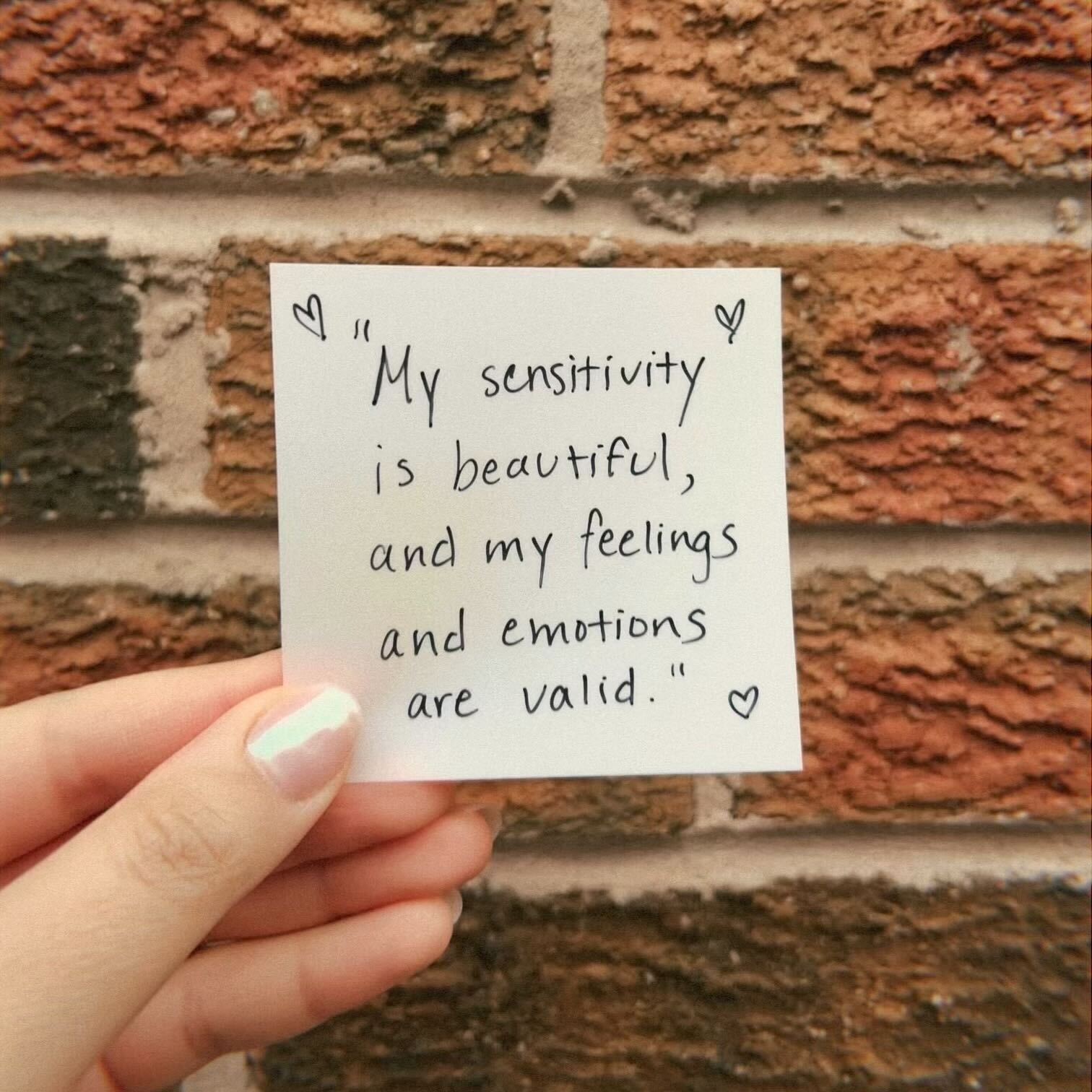
Credit: www.thegoodtrade.com
Good Affirmations For Financial Growth
Money can be a source of stress. Affirmations help you build a positive mindset about finances.
Examples:
- I am open to new financial opportunities.
- I am responsible with my money.
- I am creating a secure future.
- I am learning to manage my finances.
- I attract abundance through smart choices.
Here’s a non-obvious insight: Affirmations about money work best when paired with action. For example, say your affirmation before making financial decisions.
Don’t use statements you don’t believe, like “I am rich.” Instead, focus on growth: “I am improving my financial skills.”
Good Affirmations For Personal Growth
Personal growth is about becoming your best self. Affirmations help you move forward and embrace change.
Examples:
- I am open to new experiences.
- I am learning from my mistakes.
- I am becoming the person I want to be.
- I am proud of my progress.
- I am ready for positive change.
Many people forget to celebrate small steps. Affirmations like “I am proud of my progress” remind you to notice improvements.
Also, use affirmations to help you accept mistakes. Growth comes from learning, not perfection.
How To Create Your Own Good Affirmations
Ready to make your own? Follow these steps:
- Identify your goal or challenge: What do you want to change? Be specific.
- Use positive, present-tense words: Say it as if it’s true now.
- Keep it simple and personal: Make it fit your life.
- Add emotion or meaning: Use words that matter to you.
- Test and adjust: If an affirmation feels fake, change the wording.
Example: If you want to feel more confident speaking English, try “I am improving my English skills every day.”
Many beginners miss this: It’s okay to start small. If “I am confident” feels too hard, use “I am becoming more confident.”
Common Mistakes With Affirmations
Affirmations can fail if you make certain mistakes. Here are the top ones:
- Too unrealistic: If you don’t believe the words, your mind will resist.
- Too generic: “I am happy” is less powerful than “I am happy with my progress.”
- Ignoring feelings: If you feel upset, saying “I am happy” may not help. Try “I am open to feeling better.”
- Not repeating enough: Affirmations need practice. Say them daily, not just once.
- No action: Affirmations work best when you take real steps. Combine words with action.
Another insight: If you feel resistance, add gentle words like “I am learning” or “I choose.” This makes affirmations easier to accept.
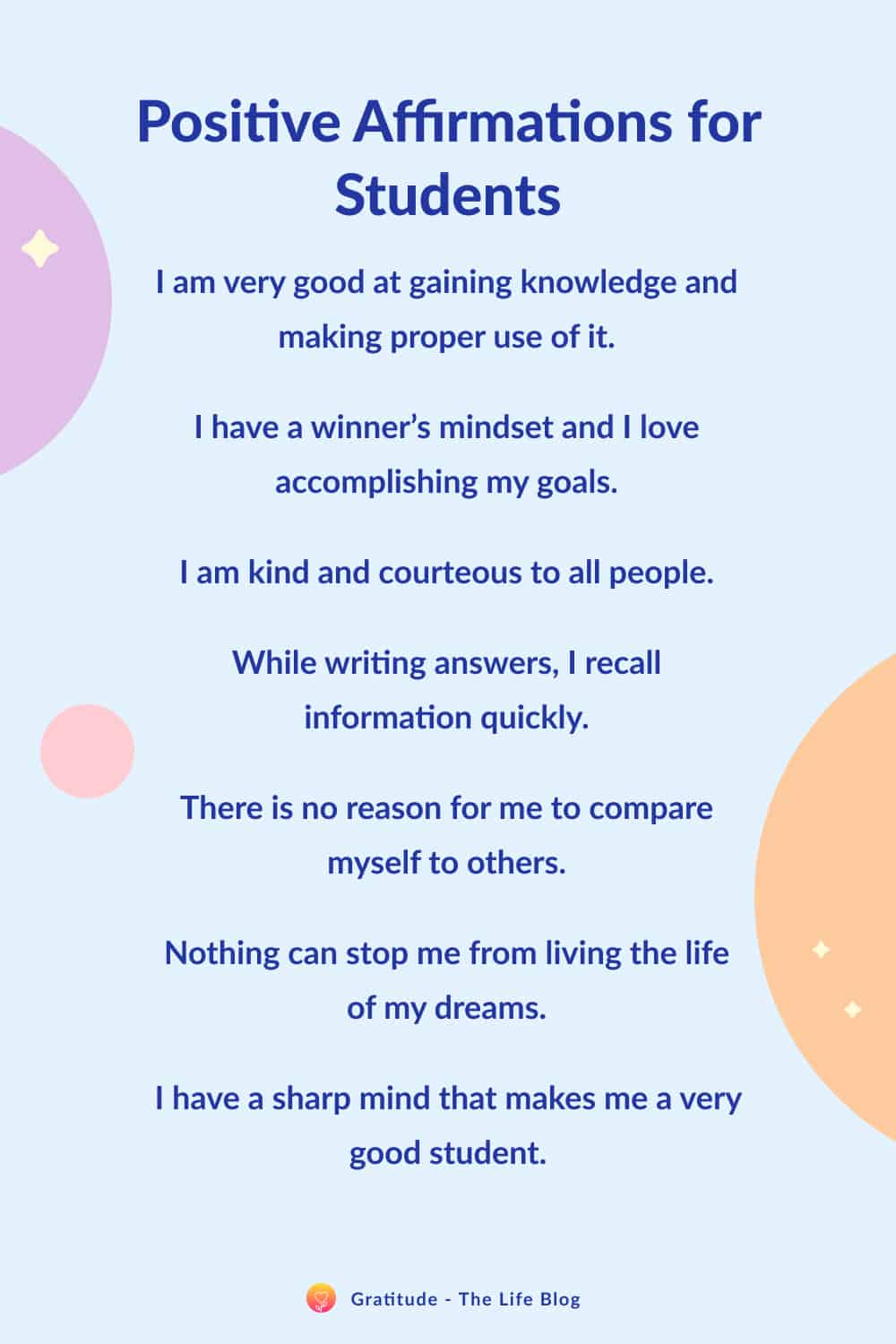
Credit: blog.gratefulness.me
How To Use Affirmations Effectively
Affirmations are simple, but you need a plan. Here’s how to use them:
- Repeat daily: Say your affirmations each morning or evening.
- Write them down: Writing helps your brain remember.
- Say them out loud: Hearing your own voice adds power.
- Use emotion: Feel the words as you say them.
- Pair with action: Take small steps that match your affirmation.
- Visualize: Imagine yourself living the words.
Here’s a comparison table with practical ways to use affirmations:
| Method | Benefit | Common Mistake |
|---|---|---|
| Speaking aloud | Boosts confidence | Monotone voice |
| Writing daily | Improves memory | Too rushed |
| Visualization | Strengthens belief | Not focused |
| Pairing with action | Creates real change | No follow-through |
A non-obvious tip: Place your affirmations where you see them often—on your phone, mirror, or notebook. This keeps them fresh in your mind.
Examples Of Good Affirmations For Different Situations
Sometimes you need affirmations for special moments. Here are some examples:
- Before a test: “I am prepared and ready to succeed.”
- During tough times: “I am strong enough to face challenges.”
- Starting a new job: “I am open to learning new skills.”
- Dealing with criticism: “I am open to feedback and growth.”
- Trying something new: “I am brave and curious.”
You can mix and match or change the words to fit your situation.
Why Some Affirmations Work Better Than Others
Not all affirmations have the same effect. Here’s why:
- Personal relevance: If the words fit your life, they work better.
- Emotional connection: If you feel the affirmation, it has more power.
- Believability: If you almost believe the words, your mind can accept them.
- Frequency: The more you repeat, the stronger the effect.
Many people miss this: You can improve an affirmation by making it more specific, adding emotion, or linking it to action.
How Affirmations Help Non-native English Speakers
If English is not your first language, affirmations can help you build confidence. You can use simple sentences and repeat them daily.
Examples:
- I am improving my English every day.
- I am confident when I speak English.
- I am learning from my mistakes.
Tip: Write your affirmations in English and your native language. This helps your brain connect the ideas.
Another insight: Use affirmations before speaking, writing, or reading in English. This prepares your mind for success.
Real-life Success Stories
Many people use affirmations to change their lives. For example, a student who felt nervous about speaking in class started using the affirmation, “I am confident sharing my ideas. ” Over time, they felt more comfortable and participated more.
A worker who faced stress at a new job used “I am learning and growing every day. ” This helped reduce anxiety and improve performance.
Athletes often use affirmations like “I am strong and focused. ” Research shows this boosts performance, especially before big events.
One study found that students who used positive affirmations before exams had lower stress and higher scores. This shows affirmations can create real change when used with action.
For more details on self-affirmation theory and its research, see Wikipedia: Self-affirmation.
Frequently Asked Questions
What Are Affirmations?
Affirmations are positive sentences you say to yourself. They help you change your thoughts, feelings, and actions. For example, “I am confident” is an affirmation.
How Often Should I Use Affirmations?
Use affirmations daily for best results. Repeat them in the morning, evening, or whenever you need a boost. Writing them down and saying them out loud helps.
Why Don’t Some Affirmations Work?
Sometimes affirmations fail because they are too unrealistic, too generic, or not repeated enough. Make sure your affirmations are believable, personal, and practiced regularly.
Can Affirmations Help With Anxiety?
Yes, affirmations can help calm your mind and reduce anxiety. Use positive, gentle statements like “I am safe and supported. ” Pair them with deep breathing for extra effect.
Should I Use Affirmations In My Native Language Or English?
You can use affirmations in both. If you are learning English, repeating affirmations in English helps build confidence and language skills. Using your native language adds comfort and clarity.
Final Thoughts
Good affirmations are simple, personal, and powerful. They help you build confidence, reduce stress, and reach your goals. But not all affirmations work the same way. The best ones fit your life and feel believable. Use them daily, with emotion and action.
Adjust your words as you grow. Remember, affirmations are a tool—not a magic solution. Combine them with real steps and patience. Over time, you’ll notice small changes that become big improvements. Start today with one affirmation that matters to you, and see how your mindset changes.
