

What Are Positive Affirmations Good For? Benefits You Need to Know
What Are Positive Affirmations Good For
Many people talk about positive affirmations as a secret to a better life. You might see them on social media, hear them in podcasts, or find them written in journals. But what are positive affirmations good for? Are they just trendy sayings, or do they truly make a difference in your life? Let’s explore how these simple phrases work, what they can help with, and why millions use them every day.
Understanding Positive Affirmations
Before you start using positive affirmations, it helps to know what they really are. A positive affirmation is a short, powerful statement you repeat to yourself. It usually describes a goal, a quality you want to develop, or something good about yourself. For example: “I am confident.” Or, “I handle challenges with grace.”
These statements are meant to shape your thoughts in a healthier direction. Instead of focusing on your fears or doubts, you give your mind something positive to believe.
How Positive Affirmations Work
At the core, positive affirmations use the power of self-talk. The things we say in our minds can shape our beliefs and actions. If you often think, “I’m not good enough,” you might avoid new challenges. But if you replace that with, “I am capable of learning new things,” you’re more likely to try and grow.
Research in psychology shows that changing your self-talk can change your behavior. The brain reacts to repeated messages—even if you know at first they are not fully true. Over time, these affirmations can become part of your belief system.
Different Types Of Affirmations
Not all affirmations are the same. Here are a few common types:
- Self-worth affirmations: “I am valuable just as I am.”
- Goal-focused affirmations: “I achieve my goals step by step.”
- Resilience affirmations: “I can overcome tough times.”
- Health affirmations: “I take good care of my body.”
- Relationship affirmations: “I attract positive people into my life.”
You can create your own or use popular ones. The important part is that they feel meaningful to you.
Key Benefits Of Positive Affirmations
Positive affirmations are not magic. But many studies and personal stories show they can help in many areas of life. Below, let’s explore the main ways affirmations are useful.
1. Boosting Self-esteem And Confidence
One of the most common uses for positive affirmations is to build self-esteem. When you repeat kind statements about yourself, you start to believe them. This doesn’t mean you ignore your flaws—it means you balance your thinking.
People with higher self-esteem are more likely to take risks, handle criticism, and recover from setbacks. For example, students who use affirmations before exams often feel less anxious and do better.
2. Reducing Stress And Negative Thinking
Stress is a part of life, but too much can hurt your health. Positive affirmations help you focus on what you can control. If you tell yourself, “I am calm and in control,” you might feel less overwhelmed during a busy day.
Many therapists use affirmations as part of cognitive-behavioral therapy (CBT) to help people change negative thinking patterns. Instead of getting stuck in worry, you shift your focus to hope and action.
3. Supporting Mental Health
Affirmations alone do not cure mental health problems. But they can be part of a healthy routine. For people with anxiety or depression, affirmations can remind them of their strengths and possibilities.
A study published in the Social Cognitive and Affective Neuroscience journal showed that self-affirmation activates the brain’s reward centers. This means that repeating positive statements can actually make you feel better, at least for a while.
4. Encouraging Positive Habits
Habits are built through small, repeated actions. Affirmations can help you stick to healthy routines. For example, saying, “I enjoy exercising,” can make it easier to go for a walk, even when you’re tired.
Athletes often use affirmations to keep themselves motivated. In business, leaders use them to stay focused and positive, especially during stressful times.
5. Enhancing Relationships
How you talk to yourself shapes how you interact with others. If you believe, “I deserve respect,” you’re more likely to set healthy boundaries. If you think, “I am a loving friend,” you may act with more kindness.
Couples therapists sometimes teach both partners to use affirmations. This helps them build trust and support each other during conflicts.
6. Improving Performance
Many performers, from musicians to public speakers, use affirmations before going on stage. Statements like “I am prepared” or “I speak with clarity” can reduce nerves and improve focus.
A study from Carnegie Mellon University found that people who practiced self-affirmation before a stressful task performed better and showed lower stress levels.
7. Strengthening Resilience
Resilience means bouncing back from hard times. Affirmations like “I can handle what comes my way” help you stay strong during challenges. They remind you that you have overcome obstacles before—and can do it again.
This is especially helpful in recovery from illness, job loss, or other major life changes.

Credit: aapsychiatry.com
How To Create And Use Positive Affirmations
Knowing the value of affirmations is one thing; using them well is another. Here’s how to make them work for you.
Making Affirmations Personal
Generic affirmations can help, but the most powerful ones are personal. Instead of “I am successful,” try “I am building my skills every day.” Make sure your affirmation:
- Is in the present tense (“I am…” not “I will be…”)
- Is positive (avoid words like “not,” “never”)
- Feels believable, or at least possible
- Is specific to your needs
When And How To Use Affirmations
There’s no single “right” time to use affirmations. Here are some ideas:
- Morning routine: Start your day with a positive mindset.
- Before a challenge: Use them before interviews, exams, or meetings.
- During stress: Repeat them when you feel nervous or upset.
- At night: Reflect on your affirmations before sleep.
Some people write them in a journal. Others say them aloud in front of a mirror. You can also record them and listen back.
How Many Affirmations To Use
It’s better to focus on a few meaningful affirmations than to repeat dozens. Choose 2–5 that fit your current goals. Too many can feel overwhelming and lose their impact.
Tracking Your Progress
Keep a simple log of how you feel after using affirmations. Note any changes in mood, behavior, or results. This helps you see what works and what needs adjusting.
Science And Research: Do Affirmations Really Work?
You may wonder if positive affirmations are just wishful thinking. The answer is more nuanced. Let’s look at what the research shows.
What Studies Show
Several studies suggest that positive affirmations can have real effects, especially for people under stress or facing challenges. Here are some key findings:
- Self-affirmation can reduce stress and improve problem-solving under pressure.
- People who use affirmations show more activity in the areas of the brain related to self-worth and reward.
- Affirmations help people stick to health goals, like quitting smoking or exercising.
However, affirmations are not a cure-all. For some people, especially those with deep self-doubt, saying something they don’t believe can feel fake or even backfire. It’s important to start with statements that feel possible.
When Affirmations Might Not Help
Affirmations are less effective if:
- You repeat things you truly don’t believe (for example, “I am a millionaire” when you are struggling financially)
- You use affirmations as a way to avoid problems instead of taking action
- You expect instant results without effort
The most successful users pair affirmations with real steps toward their goals.
Common Mistakes With Positive Affirmations
Not all affirmations are created equal. Here are some traps to avoid:
- Being too vague: “I will be happy” is less helpful than “I find joy in small things each day.”
- Ignoring real issues: Affirmations should support, not replace, real solutions.
- Overloading yourself: Too many affirmations at once can confuse your mind.
- Skipping repetition: Affirmations need to be repeated often to be effective.
- Expecting instant change: Growth takes time—affirmations work best as part of a routine.
Examples Of Effective Positive Affirmations
Here are some practical examples you can try:
- “I am learning and growing every day.”
- “I am worthy of love and respect.”
- “I choose to focus on what I can control.”
- “I have the strength to face challenges.”
- “I am grateful for the good in my life.”
For best results, tailor these to your own needs and beliefs.
Using Affirmations In Different Areas Of Life
Positive affirmations can be adjusted for almost any goal. Let’s see how they fit various parts of life.
Health And Wellness
Affirmations can support your efforts to eat better, exercise, or manage stress. For example: “I take care of my body with kindness.”
Career And Success
Career affirmations might include: “I am confident in my abilities,” or “I welcome new opportunities.” These help you stay motivated and persistent.
Relationships
Try: “I communicate with honesty and care,” or “I attract positive relationships.” These keep your focus on healthy connections.
Personal Growth
Affirmations like “I am open to learning” or “I embrace new challenges” encourage lifelong improvement.
Overcoming Fear And Doubt
When facing fear, try: “I can handle discomfort,” or “I trust myself to make good choices.”
Positive Affirmations Vs. Negative Self-talk
It’s important to see how positive affirmations compare to negative self-talk, which is common for many people.
| Negative Self-Talk | Positive Affirmation |
|---|---|
| I can’t do this. | I am capable of learning this. |
| I always fail. | I learn from every experience. |
| No one likes me. | I am worthy of friendship. |
| I’m not good enough. | I am enough as I am. |
Switching your inner voice from negative to positive takes practice. But over time, your mind becomes more supportive.
Data: Where And How People Use Affirmations
Let’s look at some recent survey data on affirmation use:
| Setting | % of Users | Common Goal |
|---|---|---|
| Home | 52% | Personal growth |
| Work | 21% | Confidence and focus |
| School | 17% | Reducing anxiety |
| Sports/Performance | 10% | Motivation |
Most people use affirmations at home, often as part of a morning or bedtime routine.
Comparing Affirmations To Other Self-help Tools
Affirmations are just one tool for self-improvement. Here’s how they compare to other common methods:
| Method | Main Benefit | Common Use | Time Needed |
|---|---|---|---|
| Positive Affirmations | Shift mindset | Daily routine | 1-5 minutes |
| Journaling | Self-awareness | Reflection | 10-20 minutes |
| Meditation | Calm and focus | Stress relief | 5-30 minutes |
| Therapy | Deep change | Mental health | 30-60 minutes |
Affirmations are quick and easy but work best alongside other habits like journaling or meditation.
Non-obvious Insights About Affirmations
Many people miss these key points when starting with affirmations:
1. Affirmations Can Reveal Limiting Beliefs
When you say an affirmation and feel resistance, it’s a clue to hidden beliefs. For example, if you say, “I am confident,” but feel uncomfortable, you may need to explore why. This can help you address deeper issues, not just repeat words.
2. Action Makes Affirmations Stronger
Affirmations are most powerful when paired with action. Saying, “I am healthy” works even better if you back it up with good habits. Use affirmations to motivate real steps, not just to feel better in the moment.
How To Get The Most From Affirmations
If you want lasting change, keep these tips in mind:
- Be consistent: Use your affirmations daily, even when you don’t feel like it.
- Combine with visualization: Picture yourself acting out your affirmation.
- Speak with emotion: Feel the meaning, don’t just recite words.
- Adjust over time: Change your affirmations as your needs and goals shift.

Credit: www.amazon.com
Myths And Misunderstandings
There are many myths about positive affirmations. Let’s clear up a few:
Myth 1: Affirmations Are Only For “positive” People
Anyone can use affirmations, even if you’re skeptical or struggle with negative thoughts. They’re a tool, not a personality trait.
Myth 2: Affirmations Will Instantly Change Your Life
Change takes time. Affirmations are a start, not the whole journey.
Myth 3: You Must Believe Every Affirmation
It’s normal to feel doubt at first. Over time, repetition helps build belief.
Myth 4: Affirmations Replace Therapy
Affirmations are supportive, but not a substitute for professional help if you need it.
Real-life Stories: People Using Affirmations
Many successful people use affirmations daily:
- Athletes repeat phrases to boost performance before games.
- Entrepreneurs use affirmations to stay motivated during tough projects.
- Students calm their nerves before exams with self-encouragement.
- Parents use affirmations to manage stress and model positive thinking for their children.
For example, a teacher facing a difficult class might repeat, “I am patient and creative,” to stay focused on their strengths. Over time, this can shift how they act and respond.
Potential Downsides And How To Avoid Them
Affirmations are safe for most people, but there are a few things to watch out for:
- Ignoring real problems: Use affirmations with action, not instead of action.
- Feeling fake: If an affirmation feels untrue, adjust it to something believable.
- Comparison trap: Avoid comparing your affirmation progress to others. Focus on your own growth.
If you feel worse after using affirmations, consider talking with a counselor or mental health professional.
Positive Affirmations For Children And Teens
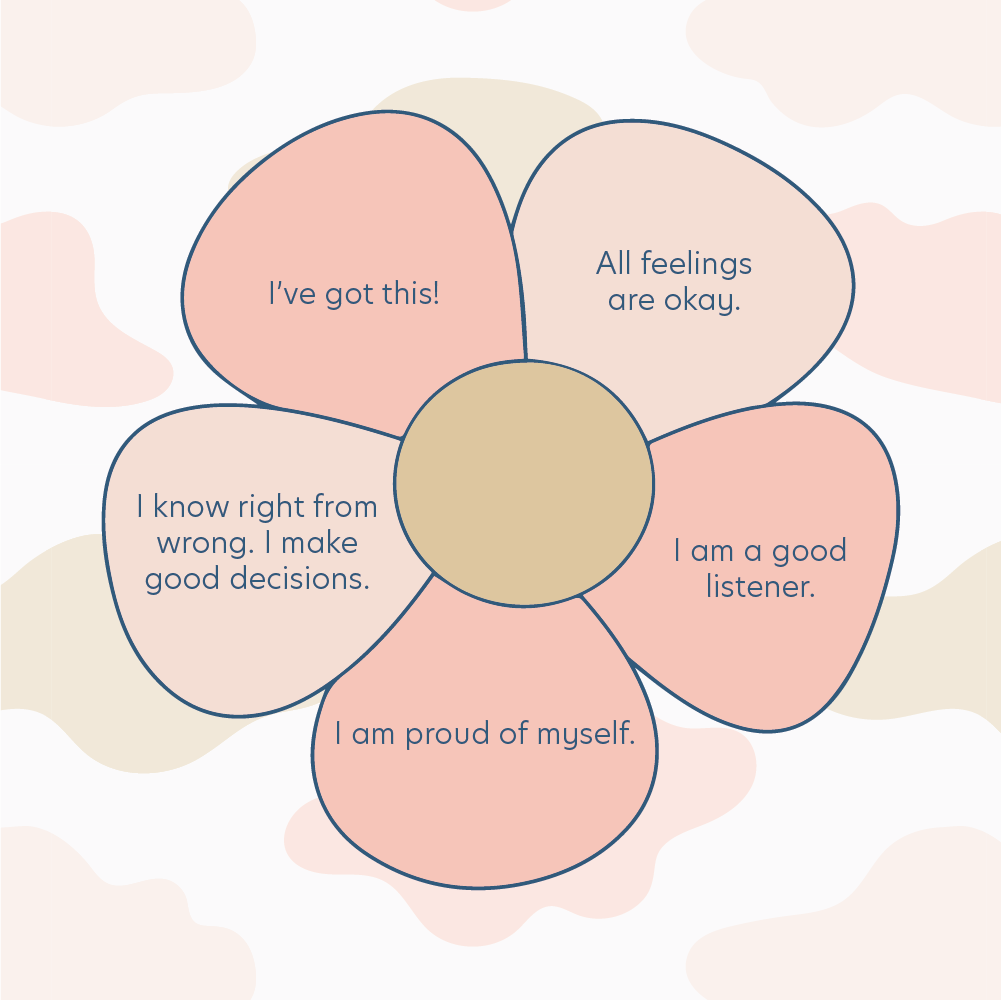
Young people can benefit from affirmations, too. Simple phrases like “I am a good friend” or “I can try again” help build resilience. Parents and teachers can encourage children to use affirmations, especially when facing challenges.
Some schools include affirmations in the morning routine to set a positive tone for the day.
Digital Tools And Apps For Affirmations
Technology has made it easier than ever to use affirmations. Many apps send daily reminders or let you record your own affirmations. Some even track your mood and progress.
Look for apps with high user ratings, simple design, and customizable features. Remember, the best tool is the one you’ll actually use.
If you prefer, you can also follow affirmation accounts on social media for daily inspiration.
Making Affirmations A Lasting Habit
Like any good habit, affirmations work best when they are part of your routine. Here’s how to make them stick:
- Set a reminder on your phone or calendar.
- Attach your affirmation practice to an existing habit (like brushing your teeth).
- Share your affirmations with a friend for accountability.
- Celebrate small changes and progress.
Over time, affirmations can become a natural part of your thinking.
Credit: brightpathkids.com
Frequently Asked Questions
What Are Positive Affirmations?
Positive affirmations are short, positive statements you repeat to yourself. They help change your mindset and support personal growth by focusing on strengths, goals, or positive qualities.
How Often Should I Use Positive Affirmations?
For best results, use affirmations daily—ideally in the morning or before bed. Consistency is more important than the number of repetitions.
Can Affirmations Help With Anxiety Or Depression?
Affirmations can support mental health by reducing negative self-talk and increasing self-esteem. However, they should not replace professional help if you have severe anxiety or depression.
Are There Any Risks In Using Positive Affirmations?
Affirmations are safe for most people. The main risk is using them to avoid real problems or repeating statements you don’t believe, which can feel unhelpful. Adjust your affirmations as needed to keep them supportive.
Where Can I Find More About Positive Affirmations?
You can find more information and research on positive affirmations from trusted sources like Psychology Today.
Positive affirmations are more than just feel-good phrases. They are a tool for shaping your mindset, encouraging growth, and supporting well-being. By using them wisely and pairing them with action, you can unlock their full power in your daily life. Remember: small words, spoken often, can make a big difference over time.
