

What are Positive Affirmations for Self Confidence: Boost Your Mindset
What Are Positive Affirmations For Self Confidence
Feeling good about yourself can change the way you see the world. Self-confidence is not just about talent or luck. It is about believing in your own worth and skills. For many people, this belief can be weak or missing.
That’s why positive affirmations for self-confidence are so popular today. They are simple phrases you say to yourself every day. These phrases help you build a stronger, more positive mindset.
Maybe you feel shy, doubt your abilities, or worry too much about what others think. You are not alone. Many people struggle with self-confidence at some point. Positive affirmations can help you change your thoughts from negative to positive. They work for students, professionals, parents, and anyone who wants to feel more sure of themselves.
In this article, you’ll learn what positive affirmations are, how they work, and why they matter for self-confidence. You’ll also see examples, practical advice, common mistakes, and even some science behind this practice. By the end, you’ll have a clear roadmap for using affirmations to boost your self-confidence every day.
Understanding Positive Affirmations
Positive affirmations are short, powerful statements. You repeat them to yourself, usually out loud or silently. These statements focus on your strengths, abilities, and worth. The idea is to replace negative thoughts with positive ones. For example, instead of thinking “I’m not good enough,” you might say “I am capable and strong.
”
Most people use affirmations to change their mindset. They are not magic words, but they can help you feel better and act with more confidence. When you repeat affirmations often, they become part of your daily thinking. Over time, your mind starts to believe these positive statements.
How Do Affirmations Work?
Your brain is like a sponge. It absorbs the words and thoughts you repeat. If you always think negative thoughts, your confidence goes down. If you repeat positive words, your mind can start to change. This process is called neuroplasticity. It means your brain can create new pathways and habits. Affirmations use this power to build self-confidence.
The Science Behind Affirmations
Studies show that positive self-talk can reduce stress and improve performance. For example, research from the University of Pennsylvania found that people who used positive affirmations had lower anxiety and higher confidence before exams. Another study showed that athletes who repeated affirmations before games performed better than those who did not.
Affirmations also help you focus on what you want, not what you fear. This is important because your mind often pays more attention to negative thoughts. Affirmations give your brain something positive to focus on. Over time, this can help you feel more confident and act with courage.
Why Self Confidence Matters
Self-confidence is more than just feeling good. It affects every part of your life. Confident people try new things, speak up, and handle challenges better. They are also more likely to succeed in school, work, and relationships.
Effects Of Self-confidence
- Better performance: Confident people often do better at work and school because they believe in themselves.
- Healthier relationships: When you feel good about yourself, you can build stronger relationships with others.
- Less stress: Self-confidence helps you deal with stress and setbacks.
- Greater happiness: Confident people are usually happier and more satisfied with their lives.
Low Self-confidence: Common Signs
Some people think self-confidence is natural. But many struggle with it. Signs of low self-confidence include:
- Doubting your abilities
- Avoiding new challenges
- Worrying about others’ opinions
- Feeling nervous or anxious
- Negative self-talk
If you notice these signs, positive affirmations can help. They are a simple, practical tool to build a healthier mindset.
How Positive Affirmations Improve Self Confidence
Using positive affirmations can boost your self-confidence in many ways. Here’s how:
- Replaces negative self-talk: Many people have a habit of thinking negative thoughts. Affirmations help you break this habit.
- Builds new beliefs: When you repeat positive statements, your brain starts to believe them.
- Encourages action: Confidence grows when you act, not just think. Affirmations push you to try new things.
- Reduces fear: Positive self-talk helps you face fears and doubts with courage.
- Creates a positive routine: Repeating affirmations daily builds a strong, healthy mindset.
Let’s compare the effects of negative vs positive self-talk:
| Type of Self-Talk | Effects on Confidence | Behavior |
|---|---|---|
| Negative | Decreases confidence | Avoids challenges, feels anxious |
| Positive | Increases confidence | Tries new things, acts with courage |
This simple shift from negative to positive can make a big difference in your life.
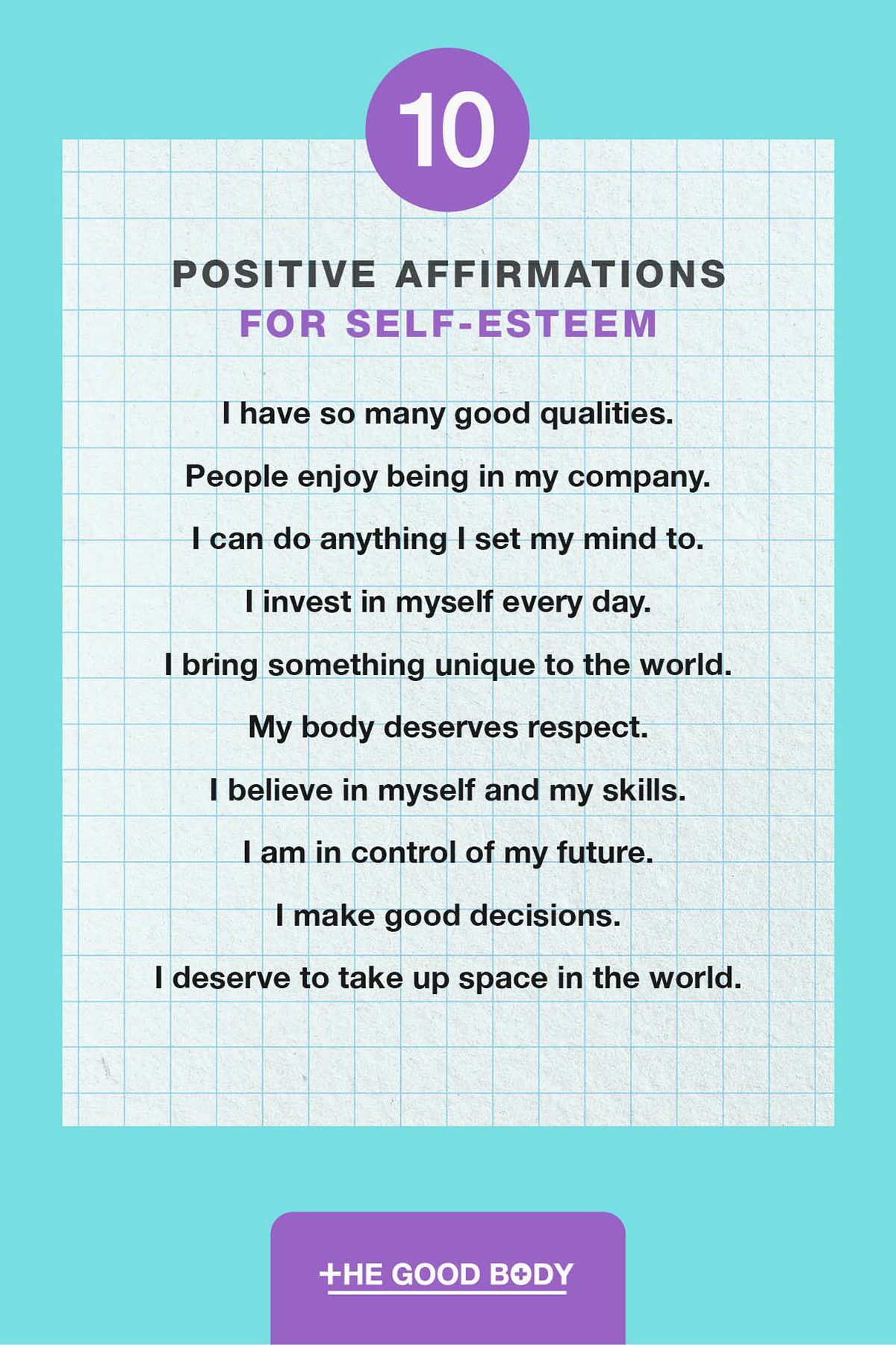
Examples Of Positive Affirmations For Self Confidence
Some people find it hard to create their own affirmations. Here are some common, effective examples:
- I am worthy of respect and kindness.
- I believe in my abilities.
- I can handle any challenge.
- I am proud of who I am.
- I trust myself to make good decisions.
- I deserve happiness and success.
- I am confident in my skills.
- I am growing stronger every day.
- I am enough just as I am.
- I have the power to change my life.
- I learn from my mistakes.
- I speak with courage and clarity.
- I accept myself fully.
- I am not afraid to try new things.
- I am grateful for my strengths.
You can use these as they are or change them to fit your life. The important thing is to make them positive and believable.
Real-life Examples
Let’s look at a few practical situations:
- Student: Before a test, a student says, “I am prepared and ready to succeed.”
- Job interview: Someone repeats, “I am confident and will show my best self.”
- Social event: A shy person says, “I am comfortable speaking with new people.”
These real-life examples show that affirmations can be used anywhere, anytime.
Creating Your Own Affirmations
Ready-made affirmations are useful. But personal ones are even more powerful. Here’s how to create your own:
1. Focus On Your Strengths
Think about what you are good at. Make an affirmation about these strengths. For example, “I am creative and resourceful. ”
2. Use Positive Language
Avoid negative words. Always use positive, encouraging language. Say, “I am confident” instead of “I am not scared. ”
3. Make Them Present Tense
Speak as if the affirmation is true now. “I am successful” is stronger than “I will be successful. ”
4. Keep Them Short
Short statements are easier to remember and repeat.
5. Be Specific
Personalize your affirmations. For example, “I am confident speaking in meetings. ”
Let’s compare generic vs personalized affirmations:
| Type | Example | Impact |
|---|---|---|
| Generic | I am confident | Good, but less powerful |
| Personalized | I am confident presenting my ideas at work | Stronger, fits your life |
Personalized affirmations help you target areas where you want more confidence.
How To Use Affirmations For Best Results
Affirmations work best when you use them daily. Here are practical steps to get the most from your positive self-talk:
1. Set A Routine
Pick a time each day to repeat your affirmations. Morning, evening, or before a challenge are good options.
2. Say Them Out Loud
Speaking affirmations out loud makes them stronger. It helps your brain hear and remember them.
3. Write Them Down
Writing affirmations in a notebook or journal adds power. It’s a simple way to make them part of your life.
4. Repeat Often
The more you repeat, the better. Try saying your affirmations three times each day.
5. Visualize Success
Imagine yourself acting with confidence. Visualizing helps your mind believe the affirmations.
6. Use Reminders
Put sticky notes on your mirror, computer, or phone. These reminders keep affirmations in front of you.
7. Practice With Others
Share affirmations with friends or family. Group support can make your confidence grow faster.
8. Adjust Over Time
As you grow, change your affirmations to fit new goals.

Credit: lovemischka.com
Common Mistakes With Affirmations
Affirmations are simple, but people often make mistakes. Here are some to watch for:
1. Using Negative Words
Affirmations must be positive. Avoid phrases like “I am not scared. ” Instead, say “I am brave. ”
2. Making Them Too Long
Short, clear statements are best. Long affirmations are harder to remember.
3. Skipping Consistency
Repeating affirmations only once or twice won’t help. Consistency is key.
4. Not Believing Them
It’s normal to doubt at first. But if you don’t believe your affirmations at all, try easier ones. For example, say “I am learning to be confident” instead of “I am completely confident. ”
5. Ignoring Feelings
Some people repeat affirmations without feeling anything. Try to connect with the words emotionally. This makes them work better.
6. Expecting Quick Results
Affirmations take time. Don’t expect instant changes. Be patient and keep practicing.
Non-obvious Insights For Beginners
Many beginners think affirmations are only words. But here are two insights most people miss:
- Affirmations work best when combined with action. Saying “I am confident” is good, but trying new things is even better. Use affirmations to push yourself to act, not just think.
- Changing your environment can make affirmations stronger. If you surround yourself with positive people and reminders, your affirmations become easier to believe.
These tips help you build real self-confidence, not just positive thinking.
Using Affirmations With Other Techniques
Affirmations are powerful alone. But they are even better when combined with other self-confidence tools.
Meditation
Meditation helps you calm your mind. When you repeat affirmations during meditation, they go deeper. Try sitting quietly and repeating your affirmations for five minutes.
Journaling
Write your affirmations every day. Then add notes about your progress and feelings. Journaling helps you track your growth.
Visualization
Visualize yourself acting with confidence. Imagine the details. This practice helps your mind believe you are capable.
Goal Setting
Set small goals for your confidence. Use affirmations to support these goals. For example, “I am confident speaking in groups” before a meeting.
Support Groups
Join groups where people share affirmations and confidence tips. Support from others makes your journey easier.
Combining affirmations with these tools gives you a stronger, more balanced approach.
Affirmations For Different Life Situations
Self-confidence matters everywhere. Here are practical examples for different situations:
Work
- “I am skilled and valuable to my team.”
- “I handle new tasks with confidence.”
- “I speak up during meetings.”
School
- “I am smart and capable.”
- “I learn quickly and remember well.”
- “I participate with confidence.”
Social Life
- “I am comfortable meeting new people.”
- “I connect easily with others.”
- “I am proud of my personality.”
Family
- “I am a caring and strong family member.”
- “I support my loved ones with confidence.”
- “I communicate clearly with my family.”
Personal Growth
- “I grow stronger every day.”
- “I accept myself and my journey.”
- “I am open to new experiences.”
Let’s compare how affirmations fit different situations:
| Situation | Example Affirmation | Purpose |
|---|---|---|
| Work | I am skilled and valuable | Builds job confidence |
| School | I learn quickly | Supports academic confidence |
| Social | I connect easily | Improves social confidence |
Adjust your affirmations for the situations you face. Personalized statements work best.
Measuring Progress With Affirmations
How do you know if affirmations are working? Here are practical ways to track your progress:
1. Journaling
Keep a journal. Write your affirmations and note changes in your confidence. Look for improvements in your feelings and actions.
2. Self-reflection
Take time each week to reflect. Ask yourself:
- Did I try something new?
- Did I feel more confident?
- Did I use positive self-talk?
3. Feedback
Ask friends, family, or coworkers for feedback. Sometimes others notice your growth before you do.
4. Goal Tracking
Set small goals related to confidence. For example, “Speak in a group” or “Try a new activity. ” Track your progress.
5. Emotional Changes
Notice changes in your emotions. Are you less anxious? Do you feel happier? These are signs your affirmations are working.
Progress can be slow, but small changes add up over time. Celebrate every step forward.
The Role Of Affirmations In Mental Health
Positive affirmations are not just for confidence. They can help your mental health too. They reduce stress, anxiety, and negative thinking.
How Affirmations Support Mental Health
- Reduce negative self-talk: Less negativity means less stress.
- Build a positive mindset: Positive thoughts help you feel happier.
- Encourage healthy habits: Confident people take care of themselves.
If you struggle with mental health, affirmations can be a useful tool. But they are not a replacement for professional help. If you need support, talk to a counselor or therapist.
Research On Affirmations And Mental Health
A study by the American Psychological Association found that affirmations helped people feel less anxious and more hopeful. Another study showed that daily affirmations improved mood and motivation in patients with mild depression.
If you want to learn more about the science, you can visit the American Psychological Association website.
Credit: www.thegoodbody.com
How Long Does It Take For Affirmations To Work?
Many people ask, “How fast will I feel more confident? ” The answer is different for everyone. Some notice changes in a few days. Others take weeks or months.
Factors That Affect Results
- Consistency: Daily practice speeds up results.
- Belief: The more you believe your affirmations, the faster you grow.
- Action: Acting on your affirmations helps confidence grow.
- Support: Positive environments make affirmations stronger.
Most experts say you should use affirmations for at least 30 days to see real changes. Be patient and keep practicing.
Advanced Tips For Using Affirmations
If you want to get even more from your affirmations, try these advanced tips:
1. Record Your Voice
Record yourself saying your affirmations. Listen to them during the day. Hearing your own voice makes them more powerful.
2. Use Technology
Apps and reminders can help you stay consistent. Some apps send affirmations to your phone every day.
3. Combine With Music
Play uplifting music while you repeat affirmations. This creates a positive mood and makes affirmations more enjoyable.
4. Practice Before Challenges
Use affirmations before big events like presentations, exams, or interviews. They help calm nerves and build confidence.
5. Reflect On Your Successes
After a challenge, repeat affirmations about your success. For example, “I did well today. I am proud of myself. ”
6. Share With Others
Talk about affirmations with friends or family. Sharing builds support and makes your practice stronger.

Credit: www.reddit.com
Frequently Asked Questions
What Are Positive Affirmations?
Positive affirmations are short, encouraging statements you repeat to yourself. They help you build confidence and a positive mindset. Examples include “I am strong” or “I believe in myself.”
How Often Should I Use Affirmations?
For best results, repeat your affirmations every day. Morning and evening are good times. Consistency is important for building confidence.
Can Affirmations Really Improve Self-confidence?
Yes, studies show that affirmations help people feel more confident. When you repeat positive statements, your mind starts to believe them. The key is to use them regularly and combine them with action.
What If I Don’t Believe My Affirmations?
It’s normal to doubt at first. Start with statements you can accept. For example, “I am learning to be confident.” As you practice, your belief will grow.
Are Affirmations Enough For Mental Health?
Affirmations help, but they are not a replacement for professional support if you have mental health concerns. Use affirmations alongside other healthy habits and seek help if needed.
Self-confidence is not just a feeling — it’s a skill you can build. Positive affirmations are a simple, practical tool that can help anyone. With daily practice, personal affirmations, and a positive routine, you can grow stronger and more confident.
Remember, the journey takes time. Use your affirmations, take action, and celebrate every step forward. Your confidence is within reach.
