

The Best Affirmations for Self: Transform Your Mindset Today
The Best Affirmations For Self
Feeling confident and positive about yourself is not always easy. Some days, doubts and worries come more easily than good thoughts. But there is a simple tool that many people use to change their mindset: affirmations. These are short, positive statements you repeat to yourself. When used with intention, affirmations can help you believe in your own strength, face challenges, and build self-worth.
You do not need special skills or expensive tools to use affirmations. You need only your voice or your thoughts. In this article, you will learn what makes affirmations work, how to use them, and which affirmations are most effective for self-love, confidence, and growth.
You will also see real examples, scientific support, and answers to common questions. Whether you are new to affirmations or want to improve your practice, you will find ideas here that you can start using today.
Understanding Affirmations
What Are Affirmations?
Affirmations are positive sentences you say to yourself, often every day. Their main goal is to change negative thoughts into helpful, uplifting ones. For example, if you often think “I am not good enough,” an affirmation might be “I am capable and strong.” Over time, repeating these statements can help you believe in your own value.
How Affirmations Work In The Brain
When you repeat affirmations, your brain begins to form new connections. This is called neuroplasticity. It means your mind can change and adapt, even as an adult. If you tell yourself positive things often, your mind slowly accepts them as truth. Studies show that affirmations can lower stress, increase well-being, and even improve performance at work or school.
Common Misunderstandings
Some people believe affirmations are just wishful thinking or lying to yourself. But research says the opposite. Affirmations work best when they are believable, specific, and repeated with emotion. They do not erase problems, but they help you face life with hope and courage.
The Science Behind Affirmations
Research And Results
Many scientific studies support the use of affirmations. One study found that people who practiced self-affirmation made better choices when faced with stress. Another found that affirmations can help people stick to goals, like healthy eating or regular exercise. The reason is simple: Positive self-talk reduces fear and increases motivation.
Why Some Affirmations Fail
Not all affirmations are equal. Vague or unrealistic statements, like “I am perfect,” may not help. In fact, if you do not believe what you say, your mind will reject it. The key is to choose affirmations that are both positive and possible for you.
For example, “I am learning to accept myself” is more effective than “I love everything about myself,” if you are still struggling with self-esteem.
Table: Affirmations That Work Vs. Those That Don’t
Below is a comparison of affirmations that are likely to help versus those that usually fail.
| Effective Affirmations | Ineffective Affirmations |
|---|---|
| I am doing my best every day. | I am always successful at everything. |
| I am worthy of respect. | Everyone loves me. |
| I am learning to feel confident. | I have no fears or doubts. |
| I can handle new challenges. | Nothing can ever hurt me. |
The left side shows affirmations that support growth and self-acceptance. The right side includes statements that most people will not believe, which can make them less helpful.
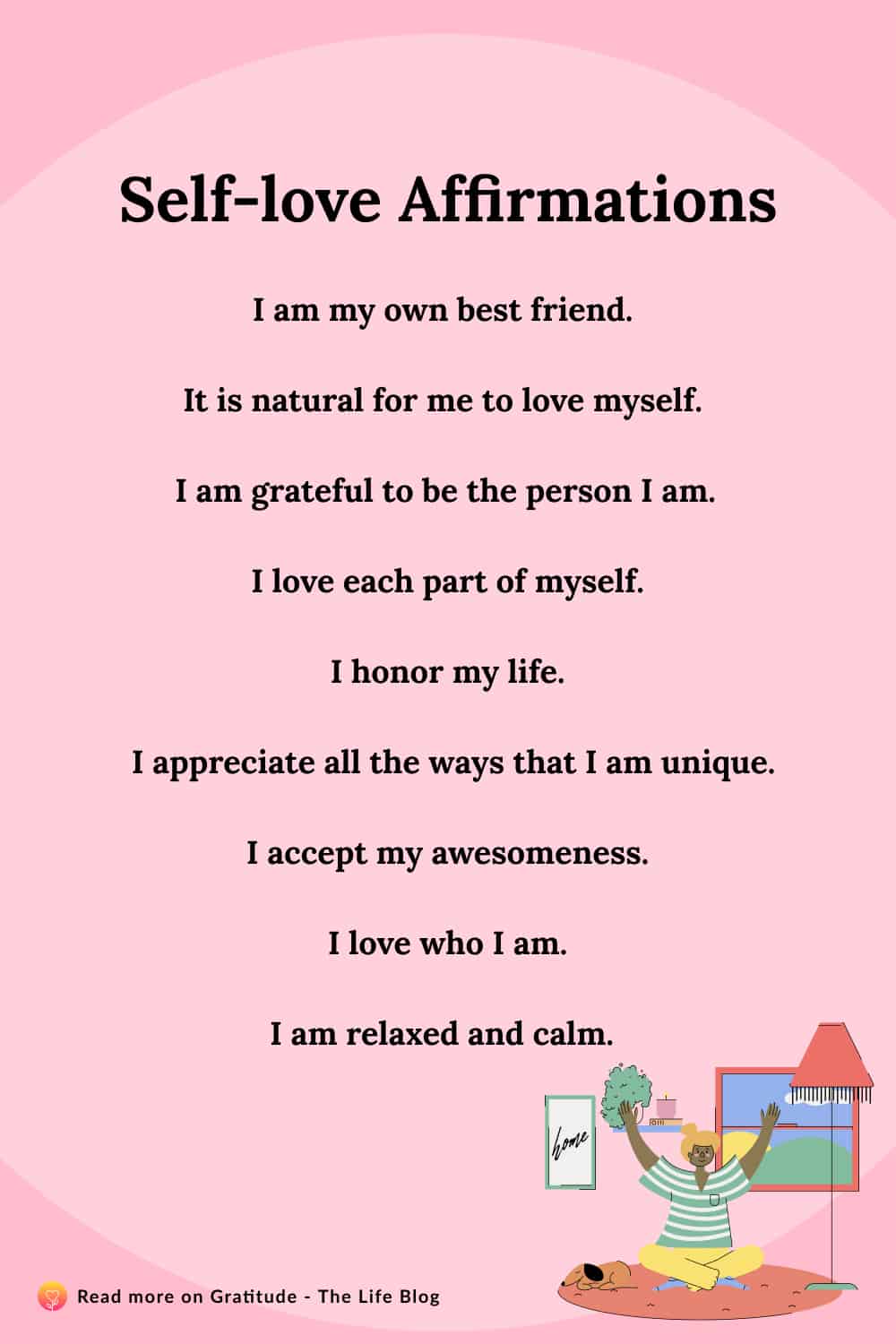
Credit: blog.gratefulness.me
How To Use Affirmations For Self
Steps To Start
- Choose affirmations that feel true or possible for you.
- Write them down where you can see them every day.
- Repeat them aloud or in your mind, especially in the morning or before sleep.
- Say them with feeling and focus, not just as empty words.
- Change them as you grow. Adjust your affirmations as your mindset gets stronger.
When And Where To Practice
You can use affirmations anytime, but some moments are especially powerful:
- After waking up: Start your day with positive words.
- Before important events: Calm nerves before a test, meeting, or interview.
- When facing stress: Remind yourself of your strengths.
- Before sleep: Let positive ideas fill your mind before rest.
Tips For Success
- Be patient. It takes weeks or months for new beliefs to take hold.
- Personalize your statements. Use your own words.
- Keep it simple. Short affirmations are easier to remember and repeat.
- Use the present tense. Say “I am” instead of “I will be.”
A common mistake is giving up too soon. If you do not feel better right away, keep going. Change happens with practice.
The Best Affirmations For Self-love
Self-love means accepting yourself, flaws and all. It is not about being perfect, but about being kind to yourself. Here are some of the most powerful affirmations for building self-love:
- I accept myself as I am.
- I am worthy of love and respect.
- My feelings are valid.
- I forgive myself for past mistakes.
- I am enough.
- I treat myself with kindness.
- I am proud of who I am becoming.
- I deserve good things.
- I choose to be gentle with myself.
- My self-worth is not based on others’ opinions.
You can pick one or two to start. Repeat them daily, especially when you notice self-criticism. Over time, these words can soften your inner voice and make self-care easier.
Example: Turning Criticism Into Care
If you catch yourself thinking, “I always mess up,” try replacing it with, “I am learning and growing every day. ” This small change can help you recover from mistakes faster and move forward with less guilt.
The Best Affirmations For Confidence
Confidence is not about being the best at everything. It is trusting yourself to try, even when you are unsure. These affirmations can help build a strong sense of confidence:
- I believe in my abilities.
- I am brave enough to try new things.
- I trust myself to make good choices.
- I am capable of overcoming challenges.
- I am growing stronger every day.
- I can learn from any situation.
- I face my fears with courage.
- I am proud of my progress.
- I have unique strengths.
- I trust myself to figure things out.
Confidence grows with action. Use these affirmations before tasks that make you nervous. For example, say “I can handle this” before a presentation or job interview.
Practical Insight: The Power Of Small Wins
Many people overlook the value of small successes. When you complete even a simple task, say, “I did it. ” This builds trust in yourself and makes bigger challenges less scary.
The Best Affirmations For Personal Growth
Personal growth means becoming a better version of yourself, step by step. It is not always easy, but affirmations can keep you moving forward. Here are some affirmations for personal growth:
- I am open to new ideas.
- I can learn from every experience.
- I am willing to change.
- I am becoming my best self.
- I trust the process of growth.
- I am curious and eager to learn.
- I welcome challenges as opportunities.
- I am patient with myself.
- I can adapt to new situations.
- I celebrate my efforts, not just results.
It is easy to get stuck comparing yourself to others. Instead, focus on your own journey. Use these affirmations when you feel stuck or discouraged.
Example: Turning Setbacks Into Growth
When something does not go as planned, instead of saying, “I failed,” try, “I am learning what does not work, and that is progress. ” This mindset keeps you moving forward.
The Best Affirmations For Healing And Self-care
Everyone faces pain, loss, or disappointment sometimes. Healing affirmations can help you find peace and strength during hard times.
- I am healing, one day at a time.
- I give myself permission to rest.
- I am gentle with my emotions.
- I trust my body and mind to heal.
- It is okay to take time for myself.
- I am not alone in my struggles.
- I am worthy of care and compassion.
- I honor my needs and feelings.
- I am grateful for small moments of peace.
- I allow myself to move forward.
Repeat these affirmations during moments of sadness, stress, or recovery. Some people write them in a journal or put them on their phone as reminders.
Table: Affirmations For Different Emotional Needs
Here is a quick guide for choosing affirmations based on how you feel.
| Feeling | Helpful Affirmation |
|---|---|
| Stressed | I give myself permission to rest. |
| Lonely | I am not alone in my struggles. |
| Discouraged | I am proud of my progress. |
| Afraid | I face my fears with courage. |
| Overwhelmed | I am gentle with my emotions. |
Matching the right affirmation to your mood can make your practice more powerful.
The Best Affirmations For Success
Success means different things to different people. It could be doing well at work, building good relationships, or reaching personal goals. These affirmations support a positive mindset for success:
- I am focused and determined.
- I attract opportunities for growth.
- I can achieve my goals.
- I learn from every experience.
- I am worthy of success.
- I am committed to my dreams.
- I stay positive in the face of challenges.
- I am grateful for each step forward.
- I believe in my vision.
- I celebrate my progress.
Say these affirmations before starting a new project or when you need motivation. Remember, success is about persistence, not perfection.
Practical Insight: The Role Of Gratitude
People who add gratitude to their affirmations often feel better results. For example, “I am grateful for each step forward” helps you notice small wins, not just big achievements.
Combining Affirmations With Action
Affirmations are not magic. They work best when you use them along with real actions. For example, saying “I am healthy” while also making good food choices and moving your body. Affirmations set your mind in the right direction, but your actions make the change real.
How To Blend Affirmations And Habits
- Choose a goal (like eating healthy).
- Pick an affirmation that supports this goal (“I make choices that nourish my body”).
- Repeat the affirmation every morning.
- Take one small action toward the goal each day.
- Celebrate your effort, even if progress is slow.
Over time, your beliefs and actions start to match, making both habits and affirmations stronger.
Customizing Affirmations For Your Needs
No two people are the same. The best affirmations are personal. If you find that a standard affirmation does not work for you, change it. Make it more specific, or add your own words.
How To Create Your Own Affirmations
- Identify an area where you want to grow.
- Think of a positive outcome you want to believe.
- Write a short, present-tense statement (“I am learning to trust myself”).
- Test it out. If it feels good, keep using it. If not, adjust it.
- Review and update your affirmations as your needs change.
Personal affirmations are more powerful because they come from your own life and goals.
Affirmations For Different Life Situations
Affirmations are not just for general self-improvement. You can use them in specific situations for extra support.
For Work Or Study
- I am capable of learning new things.
- I stay calm and focused under pressure.
- I am improving every day.
- I can handle whatever comes my way.
- I am proud of my efforts.
For Relationships
- I am worthy of healthy relationships.
- I communicate with honesty and kindness.
- I set boundaries with respect.
- I attract positive connections.
- I deserve love and support.
For Health And Wellness
- I listen to my body’s needs.
- I am patient with my healing.
- I make choices that support my well-being.
- I am grateful for my body.
- I honor my need for rest.
For Anxiety Or Fear
- I am safe in this moment.
- I can calm my mind and body.
- I trust myself to handle uncertainty.
- I am stronger than my fears.
- I focus on what I can control.
When you face a tough situation, choose an affirmation that fits. This helps you feel less alone and more prepared.
Common Mistakes When Using Affirmations
Many people try affirmations but give up quickly. Here are some common mistakes and how to avoid them:
- Choosing affirmations you don’t believe. Start with small, believable steps.
- Repeating them without emotion. Feel the words as you say them.
- Expecting instant results. Change takes time and practice.
- Using negative words. Avoid “not,” “can’t,” or “never.” Focus on what you want, not what you fear.
- Being too vague. Specific affirmations are more effective.
Table: Mistakes And Solutions
Here’s a quick reference for common problems and how to fix them.
| Mistake | Better Approach |
|---|---|
| I am always happy. | I find moments of joy each day. |
| I am never anxious. | I am learning to manage my anxiety. |
| I am perfect as I am. | I accept myself and keep growing. |
| People always support me. | I give myself the support I need. |
Making small changes can make your affirmations much more powerful.
Real-life Examples And Stories
Many people have changed their lives with affirmations. For example, a student who struggled with speaking in class started repeating, “I am confident sharing my ideas. ” Over time, she felt less afraid and began to participate more. Another person recovering from illness used, “I am healing every day,” to stay hopeful during treatment.
Athletes often use affirmations before big events. A runner might say, “I am strong and ready,” at the starting line. These simple words help focus the mind and calm nerves.
Famous people, including actors and business leaders, also use affirmations. They remind themselves of their worth and abilities, especially during stressful times. This shows that affirmations are not just for those struggling—they are a tool for anyone who wants to grow.
How Long Does It Take To See Results?
There is no set time for affirmations to work. Some people feel better after a few days, while others need weeks or months. Consistency is more important than speed. Practicing every day, even for a few minutes, can lead to real changes in your thinking and feelings.
Two Insights Beginners Often Miss
- Affirmations work best with action. Saying “I am confident” while also trying new things creates faster change.
- It is normal to feel uncomfortable at first. Many people feel awkward or fake when they start. This is a sign that you are challenging old beliefs. Keep going, and the discomfort will fade.
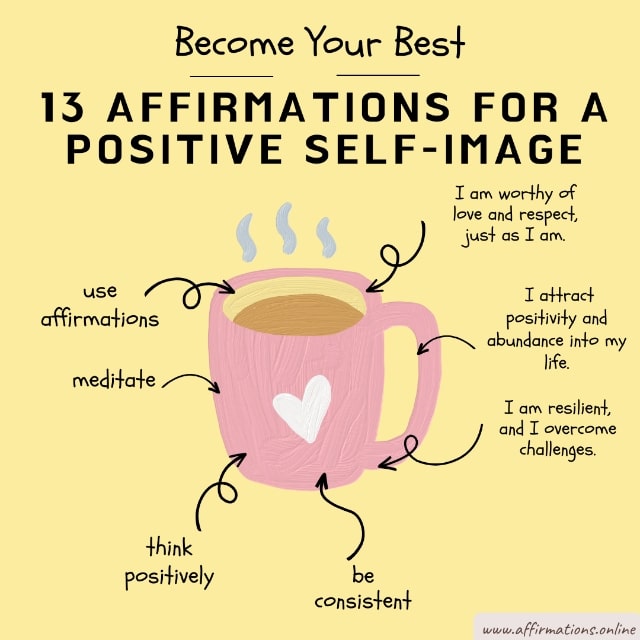
Credit: www.affirmations.online
Resources For Further Learning
If you want to learn more about affirmations and mindset, there are many books, podcasts, and websites. One helpful source is the Positive Psychology website, which shares research and practical advice.
You can also find affirmation apps, guided recordings, and online communities. These resources can help you stay motivated and get new ideas.
Frequently Asked Questions
What Are The Best Times To Use Affirmations?
The best times are when you wake up, before important events, during stressful moments, and before sleep. These moments set the tone for your day or help you calm down. Some people also use affirmations during meditation or while exercising.
Can Affirmations Really Change My Life?
Yes, when used with belief and action, affirmations can change your mindset. They help you focus on your strengths and goals, making it easier to face challenges. However, affirmations are not magic—they work best as part of a bigger plan that includes effort and support.
How Many Affirmations Should I Use Each Day?
Start with one to three affirmations. Too many can be overwhelming and less effective. Choose statements that match your current needs, and repeat them several times a day for best results.
What If I Do Not Believe My Affirmation?
If an affirmation feels untrue, try changing it to something more believable. For example, instead of “I am confident,” say “I am learning to feel confident. ” Over time, as you grow, you can use stronger statements.
Are Affirmations The Same As Positive Thinking?
They are related but not exactly the same. Affirmations are specific statements you repeat to build a certain belief. Positive thinking is a general attitude of looking for the good in situations. Affirmations help create positive thoughts, but they are more focused and intentional.
Building a healthy self-image is a journey. Using affirmations for self can be a powerful part of that journey. Be patient, keep practicing, and remember: small steps can lead to big changes over time.

Credit: www.selfloverainbow.com
