

Self Affirmation Benefits: Unlocking a Positive Mindset
Self Affirmation Benefits
Feeling confident and positive about yourself is not always easy. Life is full of challenges, setbacks, and moments of doubt. But there is a simple tool that can help you build a stronger mindset and improve your well-being: self-affirmation. This powerful practice is much more than repeating positive phrases. It is about recognizing your worth, focusing on your strengths, and creating a more supportive inner voice. In this guide, you will learn what self-affirmation is, how it works, and the many ways it can change your life for the better.
Self-affirmation is not just for people who struggle with low self-esteem. Everyone can benefit, from students and professionals to parents and athletes. Scientific studies show that self-affirmation has real effects on stress, health, performance, and relationships. In the next sections, you will discover why self-affirmation matters, how to practice it, and how it can support you in daily life.
You will also find clear answers to common questions and see practical examples to help you get started.
What Is Self Affirmation?
Self-affirmation is a mental exercise where you focus on your core values, strengths, or positive qualities. The goal is to remind yourself that you are a capable and worthy person, even when you face difficulties. Self-affirmation is not about ignoring problems or pretending everything is perfect.
Instead, it helps you balance negative thoughts with more realistic, supportive ones.
For example, you might say to yourself, "I am a caring friend," or "I have faced challenges before and succeeded. " These statements help you see the bigger picture and reduce the power of negative self-talk.
Key aspects of self-affirmation:
- Emphasizes your core values or strengths
- Encourages a more balanced self-view
- Helps you handle criticism or failure with less stress
Research shows that self-affirmation can change how your brain reacts to threats and support healthy behavior change. Many people use self-affirmation without even realizing it, especially when they motivate themselves before a big test, job interview, or difficult conversation.
Why Self Affirmation Works
Self-affirmation is rooted in psychology. When you affirm your values or strengths, you build a buffer against threats to your self-image. This buffer makes you less defensive and more open to growth.
The Science Behind It
Our brains are wired to protect our sense of self. When we feel criticized or face failure, we often react defensively or avoid the problem. Self-affirmation helps you step back and see that one mistake does not define your worth.
Studies using brain scans show that self-affirmation can lower activity in areas linked to fear and increase activity in areas linked to self-control.
Examples In Everyday Life
- A student facing a tough exam reminds herself, "I am hardworking and prepared."
- A manager who made a mistake thinks, "I am learning every day and improving my skills."
- An athlete about to compete says, "I have trained hard and can do my best."
These small moments of self-affirmation can lower stress, boost performance, and make setbacks feel less overwhelming.
Credit: ecogreenlove.com
Top Benefits Of Self Affirmation
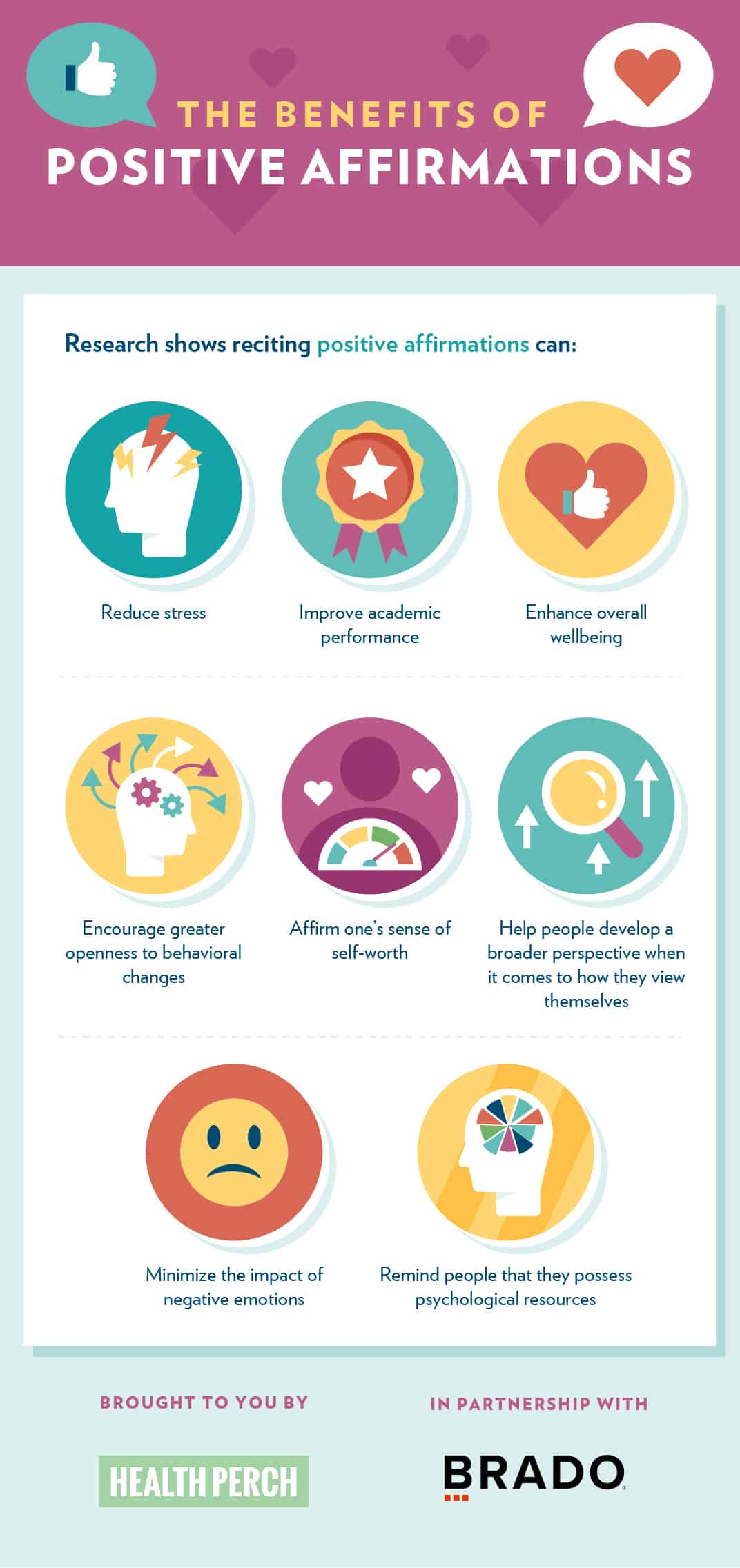
Self-affirmation offers many benefits that go far beyond feeling good in the moment. Here’s a closer look at how this practice can help different parts of your life.
1. Reduces Stress And Anxiety
When you practice self-affirmation, you tell your mind that you are more than your current problem. This perspective can lower stress levels, especially in high-pressure situations. For example, studies show that students who use self-affirmation before exams feel less anxious and perform better.
Self-affirmation helps your body, too. Research has found that it can lower cortisol (a stress hormone) after difficult events. By calming your mind and body, you become better at handling daily challenges.
2. Increases Self-esteem
Low self-esteem can make you doubt your abilities and avoid opportunities. Self-affirmation gives you a chance to recognize your strengths and achievements. Over time, this builds a stronger, more positive self-image.
Instead of focusing on what you lack, you remind yourself of what you already have. This shift makes it easier to try new things, accept feedback, and recover from mistakes.
3. Encourages Healthy Behavior Change
Many people struggle to change habits, such as eating healthier or exercising more. Self-affirmation can make these goals easier to reach. When you believe in your ability to improve, you are more likely to stick with healthy choices.
For example, research shows that people who practice self-affirmation are more open to health messages and more likely to quit smoking or increase physical activity. This approach works because it lowers your fear of failure and helps you see yourself as someone who can make positive changes.
4. Improves Academic And Work Performance
Worry and self-doubt can block your learning and performance. Self-affirmation helps you focus on your strengths instead of your weaknesses. This mindset allows you to approach challenges with more confidence and less fear.
In schools, students who write about their values before tests often get higher scores. At work, professionals who use self-affirmation handle feedback better and learn faster from mistakes.
5. Strengthens Resilience
Resilience is your ability to bounce back from setbacks. Self-affirmation supports resilience by reminding you that difficulties do not define you. You see problems as chances to grow, not as reasons to give up.
People who practice self-affirmation tend to recover from failures more quickly and keep working toward their goals, even when things get tough.
6. Builds Better Relationships
Healthy relationships are based on trust, openness, and respect. Self-affirmation helps you feel secure in yourself, so you can connect with others without fear or jealousy. When you value yourself, you are less likely to seek approval or react defensively in conflicts.
Affirming your strengths and values can also help you handle criticism or rejection in a more balanced way.
7. Increases Motivation
Motivation often drops when you doubt your abilities. Self-affirmation reminds you of past successes and your potential to reach new goals. This positive focus gives you the energy to keep going, even when progress is slow.
People who practice self-affirmation set higher goals and put in more effort, because they believe they can succeed.
8. Supports Physical Health
The mind and body are closely connected. Self-affirmation can encourage healthy habits, like regular exercise or balanced eating. Studies show that people who affirm their values are more likely to follow health advice and less likely to avoid medical checkups.
Lower stress levels from self-affirmation can also benefit your heart, immune system, and sleep.
9. Enhances Decision-making
Stress and fear can cloud your judgment. When you practice self-affirmation, you feel calmer and more confident. This clear mindset helps you make better decisions, even under pressure.
Affirming your values also helps you make choices that match your true priorities, rather than acting from fear or doubt.
10. Helps You Accept Feedback
Feedback is important for growth, but it can feel uncomfortable. Self-affirmation makes it easier to accept feedback without taking it personally. You see criticism as a chance to improve, not as a threat to your self-worth.
People who use self-affirmation are more open to learning and less likely to become defensive or discouraged.
11. Reduces Negative Self-talk
Negative self-talk can damage your confidence and mood. Self-affirmation helps you notice and challenge these thoughts. Over time, you replace harsh self-criticism with more balanced, encouraging messages.
This change supports mental health and helps you become your own ally, not your harshest critic.
12. Lowers Defensive Behavior
When you feel threatened, it's easy to become defensive or argumentative. Self-affirmation builds a buffer that lets you listen and respond calmly. You are less likely to react with anger or denial when things don't go your way.
This benefit is especially helpful in conflicts at work or in personal relationships.
13. Increases Openness To New Ideas
People often resist new ideas when they feel insecure. Self-affirmation gives you a sense of security, so you can explore new perspectives without fear. You become more curious and willing to learn from others.
This open mindset leads to personal growth and better problem-solving.
14. Supports Long-term Well-being
Practicing self-affirmation regularly leads to lasting changes in how you see yourself and the world. You become more positive, resilient, and hopeful. This strong foundation supports your mental and emotional health for years to come.
Self-affirmation is not a quick fix, but a lifelong habit that pays off over time.
15. Helps You Set And Reach Goals
Big goals can feel overwhelming, especially if you doubt yourself. Self-affirmation breaks this cycle. When you remind yourself of your skills and past wins, you feel more prepared to take action.
You are more likely to set challenging goals and stick with them, even when the journey is difficult.
16. Encourages Growth Mindset
A growth mindset means believing you can improve through effort and learning. Self-affirmation supports this belief. You focus on progress, not perfection, and see setbacks as steps on your path.
This mindset leads to greater success in school, work, sports, and life.
17. Reduces Stereotype Threat
Stereotype threat is the fear of being judged based on negative stereotypes about your group. This fear can harm performance in school or work. Self-affirmation helps you focus on your strengths and values, reducing the power of stereotypes.
For example, studies show that students from minority groups do better on tests when they practice self-affirmation.
18. Makes You More Compassionate
When you treat yourself with kindness, it's easier to show compassion to others. Self-affirmation increases empathy and understanding, helping you build stronger connections with family, friends, and colleagues.
This benefit also supports teamwork and community spirit.
19. Improves Focus And Concentration
Worry and self-doubt can distract you from important tasks. Self-affirmation helps you clear your mind and focus on what matters. You spend less time worrying and more time taking action.
This increased focus can lead to better results in work, study, and creative projects.
20. Supports Recovery From Setbacks
Everyone faces setbacks, but not everyone recovers in the same way. Self-affirmation gives you the strength to try again after failure. You are less likely to give up, even when things seem difficult.
This recovery skill is key for success in any area of life.
How To Practice Self Affirmation
Getting started with self-affirmation is simple, but it takes practice to see real results. Here are some effective ways to include self-affirmation in your daily routine:
1. Write Affirmation Statements
Choose a few positive statements about your values, strengths, or achievements. Write them down and read them each morning or before stressful events. For example:
- "I am a loyal friend."
- "I have overcome challenges before."
- "I am committed to learning and growing."
2. Reflect On Core Values
Think about what matters most to you, such as honesty, kindness, or creativity. Reflect on times when you acted according to these values. This reflection strengthens your sense of identity and self-worth.
3. Use Affirmation Journals
Keep a journal where you list daily successes or positive qualities. This habit helps you build evidence of your strengths and progress.
4. Practice In Front Of A Mirror
Speaking affirmations out loud while looking in a mirror can make them feel more real and powerful. This technique is especially helpful before important meetings or presentations.
5. Combine Affirmations With Visualization
Imagine yourself succeeding while repeating affirmations. Visualization makes the positive statements more vivid and believable.
6. Set Reminders
Place notes with affirmations on your desk, phone, or bathroom mirror. These visual cues help you remember to practice, even on busy days.
7. Involve Others
Share your affirmation goals with a friend or family member. Practicing together can increase motivation and accountability.
Common Mistakes In Self Affirmation
Self-affirmation is simple but easy to misuse. Here are mistakes to avoid:
- Choosing unrealistic affirmations: If a statement feels false, your mind will reject it. Pick believable strengths or values.
- Ignoring real problems: Affirmations should not replace action. Use them to build confidence, then take steps to solve problems.
- Focusing on weaknesses: The goal is to highlight strengths, not to dwell on what you lack.
- Being inconsistent: Regular practice is key. Occasional affirmations have little impact.
Self Affirmation Vs. Positive Thinking
Self-affirmation and positive thinking are not the same. Positive thinking tries to focus only on good outcomes, sometimes ignoring reality. Self-affirmation, however, accepts that challenges exist but reminds you that you can handle them.
Here is a comparison to clarify the difference:
| Aspect | Self Affirmation | Positive Thinking |
|---|---|---|
| Main focus | Values, strengths, realistic self-worth | Optimism, expecting good outcomes |
| How it works | Builds a buffer against threats | Encourages hope, may deny problems |
| Best use | Handling setbacks, criticism, stress | Boosting mood in positive situations |
| Risk | Few, if realistic and honest | Can lead to denial or disappointment |

Credit: www.kelphr.com
How Self Affirmation Helps In Different Areas Of Life
Self-affirmation has unique benefits in various fields. Here are a few examples:
Education
Students who practice self-affirmation often show better grades, more motivation, and less test anxiety. They handle academic challenges with greater confidence.
Workplace
Professionals use self-affirmation to cope with criticism, manage stress, and build leadership skills. It is also linked to better teamwork and communication.
Health
Self-affirmation supports healthy habits and helps people follow medical advice. It also lowers the emotional impact of health scares or setbacks.
Relationships
Self-affirmation makes it easier to accept yourself and others. This leads to deeper trust, less jealousy, and more supportive interactions.
Sports
Athletes use self-affirmation to boost performance and recover from losses. It helps them stay focused and positive under pressure.
Data And Research On Self Affirmation
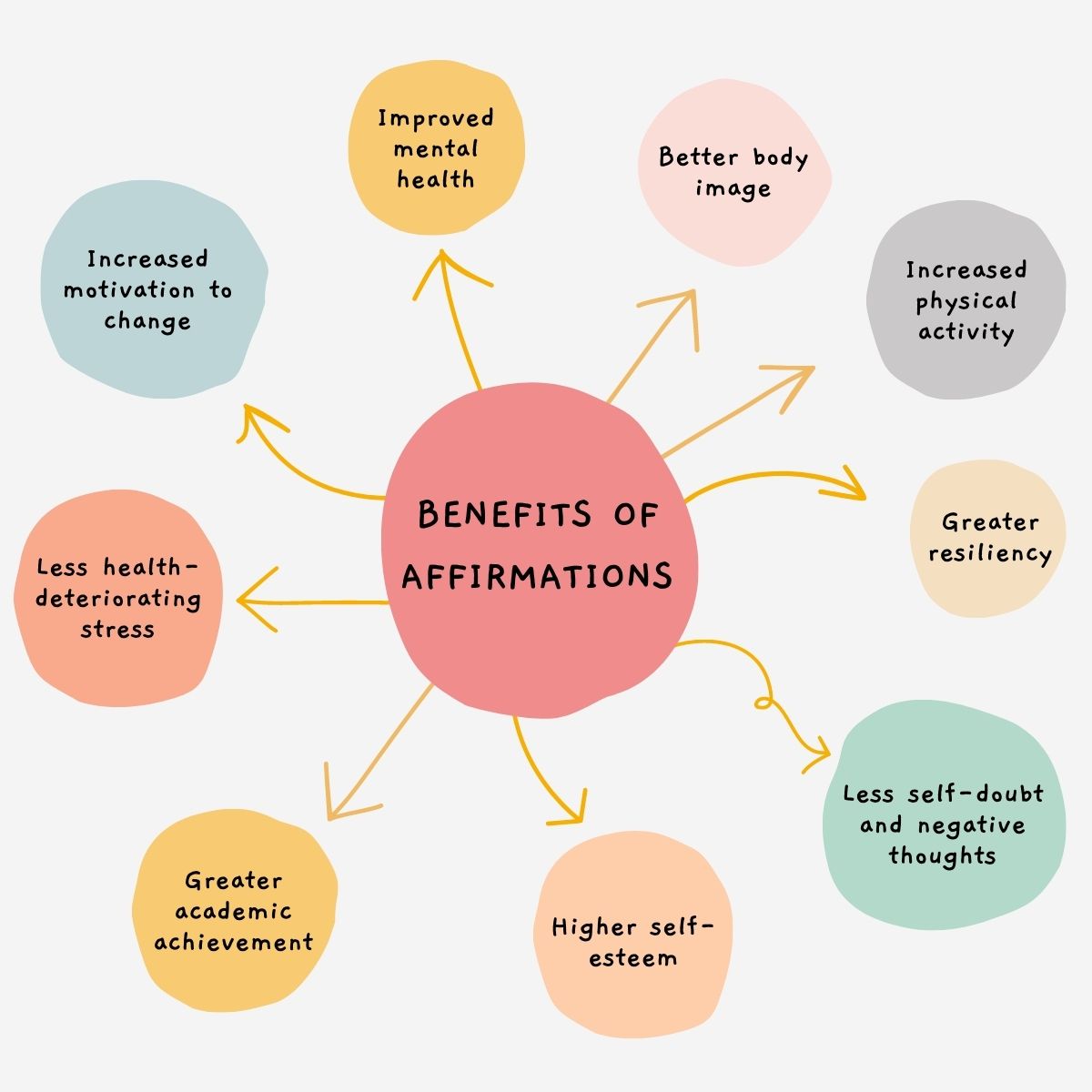
Many studies confirm the benefits of self-affirmation. Here are some key findings:
- Students who wrote about their values before exams scored higher and felt less stress.
- People who practiced self-affirmation had lower cortisol levels after stressful tasks.
- Patients who used self-affirmation were more likely to follow health recommendations.
- Employees who wrote affirmations were more open to feedback and performed better.
To better understand the effects, see the following summary:
| Benefit Area | Measured Impact | Study Example |
|---|---|---|
| Academic Performance | Higher test scores | Values writing before exams |
| Stress Reduction | Lower cortisol | Affirmation after social stress |
| Health Behavior | Better habits | Increased physical activity, less smoking |
| Workplace | More openness to feedback | Affirmation before performance reviews |
For a deeper look at the research, you can explore articles from the Wikipedia page on Self-affirmation.
Credit: biteoutoflifenutrition.com
How To Make Self Affirmation Part Of Your Daily Life
To see real results, self-affirmation should become a regular habit. Here are practical steps:
- Start small: Use simple, honest statements.
- Be consistent: Practice daily, especially before stressful situations.
- Personalize: Choose affirmations that fit your values and life.
- Reflect: Notice how you feel after each session.
- Adjust: Change your affirmations as your goals and challenges evolve.
Over time, self-affirmation will feel more natural and powerful.
Comparing Self Affirmation With Other Mindset Tools
Self-affirmation is one of many tools for a healthy mindset. Here’s how it compares to other popular methods:
| Method | Main Purpose | Best For | Self Affirmation Unique Point |
|---|---|---|---|
| Self Affirmation | Building self-worth through values | Handling threats, criticism, stress | Focus on core identity |
| Gratitude Practice | Increasing happiness and satisfaction | Boosting mood, reducing envy | Focus on what you have |
| Mindfulness | Staying present and aware | Reducing anxiety, improving focus | Non-judgmental awareness |
| Goal Setting | Achieving specific outcomes | Motivation, measuring progress | Action-oriented |
Combining self-affirmation with these other tools can create a strong mental foundation.
Two Non-obvious Insights About Self Affirmation
Most people know that self-affirmation is good for confidence. But there are deeper insights many miss:
- Self-affirmation is most powerful when focused on values, not just abilities. For example, affirming "I care deeply about fairness" creates lasting change, because values are stable parts of your identity. Abilities can change, but values often stay strong in all situations.
- Self-affirmation can help you accept unpleasant truths. When you feel secure in your worth, you can admit mistakes or weaknesses without feeling defeated. This honest self-view supports real growth and better relationships.
Frequently Asked Questions
What Is The Best Time To Practice Self-affirmation?
The Best Time Is When You Feel Stressed, Doubtful, Or Before Important Events. Many People Find It Helpful To Practice In The Morning To Start The Day With Confidence, Or At Night To Review The Day's Successes. Consistency Is More Important Than The Specific Time.
Can Self-affirmation Help With Serious Anxiety Or Depression?
Self-affirmation Can Support Mental Health, But It Is Not A Replacement For Professional Treatment. It Helps Reduce Stress And Negative Thoughts, But If You Have Serious Anxiety Or Depression, It Is Important To Seek Help From A Qualified Professional.
How Long Does It Take To See Results From Self-affirmation?
Some People Notice Small Changes In Mood Or Confidence After Just A Few Days. For Deeper Effects, Such As Improved Resilience Or Better Performance, It Often Takes Several Weeks Of Regular Practice. The Key Is Consistency And Patience.
What If Self-affirmation Feels Uncomfortable Or Fake?
It Is Normal To Feel Uncomfortable At First, Especially If You Are Used To Negative Self-talk. Start With Simple, Believable Statements. Over Time, Your Mind Will Accept Them As True. Avoid Affirmations That Feel Unrealistic Or Forced.
Can Children And Teenagers Benefit From Self-affirmation?
Yes, Self-affirmation Is Helpful For All Ages. It Can Support Academic Success, Healthy Relationships, And Emotional Resilience. Parents And Teachers Can Encourage Children To Practice By Focusing On Their Strengths And Values.
Building a healthy mindset takes time and effort, but self-affirmation is a simple, effective tool for people of all backgrounds. By recognizing your worth and focusing on your strengths, you can create a more positive, resilient life. Whether you are facing a challenge or simply want to grow, self-affirmation can help you become your best self.
