

Self Affirmation Benefits: Unlock Confidence and Inner Strength
Feeling good about ourselves is not always easy. Life brings stress, self-doubt, and challenges that can make us question our worth. Many people search for ways to build confidence and stay positive. One simple, powerful tool is self-affirmation. By using positive statements about ourselves, we can shape the way we think, feel, and act.
But why does self-affirmation work? What are the real benefits? Let’s explore the science, practical effects, and how you can use self-affirmation to improve your life.
What Is Self Affirmation?
Self-affirmation means saying or thinking positive things about yourself, especially about your values, strengths, or abilities. It’s not about ignoring problems or pretending to be perfect. Instead, it’s about recognizing your own worth and reminding yourself of what makes you unique.
For example, you might say, “I am a kind person,” or “I always try my best. ” These statements help you see yourself in a better light and give you strength during tough times.
Self-affirmations can be spoken aloud, written down, or even thought silently. The key is being honest and choosing statements that feel true or meaningful to you. Many people use self-affirmations daily, often as part of their morning routine or before facing a stressful situation.
The Science Behind Self Affirmation
Researchers have studied self-affirmation for decades. The main idea is that affirming your values and strengths can protect your sense of self-worth. When you face criticism, stress, or failure, your self-image can take a hit. But if you remind yourself of your positive qualities, you are less likely to feel threatened or discouraged.
Studies have found that self-affirmation can reduce stress, improve problem-solving, and even help people make healthier choices. Brain scans show that affirming your values activates reward centers in the brain, making you feel good and more open to positive change.
One experiment asked students to write about their most important values before a difficult test. The students who affirmed their values performed better and felt less anxious. This suggests that self-affirmation is not just “wishful thinking” — it has real effects on our minds and behavior.
Key Benefits Of Self Affirmation
Self-affirmation is more than just a feel-good exercise. It offers a wide range of benefits for your mind, emotions, and even your body. Here’s a closer look at the most important advantages.
1. Boosts Self-esteem
One of the biggest benefits is a stronger sense of self-worth. When you repeat positive statements about yourself, you reinforce your good qualities and accomplishments. Over time, this helps you feel more confident and less critical of yourself.
People with low self-esteem often focus on their flaws. Self-affirmation shifts this focus to what you do well. This change in thinking can make you more resilient and happier in daily life.
2. Reduces Stress
Stress is a part of life, but too much can be harmful. Self-affirmation acts like a shield against stress. When you remind yourself of your strengths, you feel more able to handle challenges.
Research shows that people who practice self-affirmation have lower levels of stress hormones after facing difficult situations. This means they recover faster and experience less emotional pain.
3. Improves Academic And Work Performance
Self-affirmation can help you do better at school or work. By boosting your confidence and lowering stress, you become more focused and motivated. You are less likely to give up when things get tough.
For example, students who write self-affirmations before exams often score higher. Workers who use affirmations may feel more creative and productive. This benefit is especially clear for people who tend to doubt themselves.
4. Supports Healthy Behavior Change
Making positive changes — like eating better or exercising more — is hard. Self-affirmation makes it easier. When you see yourself as someone who values health, you are more likely to make good choices.
Studies show that people who use self-affirmation are more open to health advice and more likely to take action. They are less likely to ignore warnings about risky behaviors because their self-image feels safe and strong.
5. Helps Manage Anxiety
Many people struggle with anxiety and negative thoughts. Self-affirmation can calm the mind and reduce worry. When you focus on your strengths, you spend less time imagining the worst.
Practicing self-affirmation before a stressful event, like public speaking or a job interview, can lower anxiety levels and help you perform better.
6. Builds Resilience
Resilience means bouncing back after setbacks. Self-affirmation helps you see challenges as temporary and manageable. You remember past successes and trust your ability to cope.
This benefit is especially important in difficult times. Instead of feeling defeated, you feel hopeful and ready to try again.
7. Encourages Positive Relationships
Self-affirmation not only helps you, but also improves your connections with others. When you feel good about yourself, you are less defensive and more open in relationships.
You may find it easier to accept feedback, apologize, or forgive. This leads to healthier, happier friendships and family life.
8. Increases Motivation
Motivation often drops when you doubt yourself. Self-affirmation reminds you of your goals and why they matter. You feel energized and driven to take action.
This can help you stick with difficult tasks, start new habits, or chase your dreams without fear.
9. Decreases Negative Self-talk
Many people have an “inner critic” — a voice that points out their mistakes. Self-affirmation gives you a new, kinder voice. Instead of saying, “I can’t do this,” you might say, “I can learn and improve. ”
This shift reduces guilt, shame, and self-blame, creating a healthier mental environment.
10. Promotes Physical Health
It may sound surprising, but self-affirmation can even benefit your body. Studies link positive self-talk to lower blood pressure, a stronger immune system, and faster recovery from illness.
When you feel mentally strong, you are more likely to take care of your body. This creates a cycle of good health and well-being.
11. Improves Problem-solving
Stress and self-doubt can block clear thinking. Self-affirmation clears your mind and allows you to see solutions you might miss otherwise.
In experiments, people who affirmed their values solved tricky problems faster and made better decisions. This benefit is especially strong under pressure.
12. Supports Personal Growth
Self-affirmation encourages you to see yourself as a work in progress. You become more open to learning, feedback, and change.
Instead of fearing mistakes, you view them as chances to grow. This mindset is key for long-term success and happiness.
13. Helps Overcome Stereotype Threat
Stereotype threat happens when people worry about fitting negative stereotypes about their group. This can hurt performance and well-being.
Self-affirmation helps by reminding you of your personal strengths, not just group labels. Studies show that it can reduce the effects of stereotype threat, especially in school and work settings.
14. Encourages Gratitude
While self-affirmation focuses on your strengths, it often leads to greater gratitude. By thinking about what makes you special, you remember what you have to be thankful for.
This gratitude can spread to other areas of life, making you more satisfied and less focused on what you lack.
15. Enhances Emotional Intelligence
Emotional intelligence is the ability to understand and manage your feelings. Self-affirmation helps you notice your emotions without judgment.
You learn to accept both strengths and weaknesses, which makes it easier to handle stress and connect with others.
16. Improves Coping With Failure
Everyone fails sometimes. Self-affirmation helps you separate your worth from your mistakes. You see failure as part of learning, not a sign of personal weakness.
This makes it easier to try new things and take risks, knowing that your value does not depend on being perfect.
17. Makes You More Open-minded
People who practice self-affirmation are less defensive and more willing to consider new ideas. When your self-worth feels secure, you can admit when you’re wrong or change your mind.
This openness leads to better learning, problem-solving, and relationships.
18. Prevents Burnout
Burnout happens when you feel exhausted and lose interest in work or daily life. Self-affirmation can prevent burnout by keeping you focused on your values and strengths.
You remember why your work matters and feel more in control, making it easier to handle stress without giving up.
19. Strengthens Goal Commitment
Self-affirmation helps you remember your reasons for setting goals. When you face setbacks, you are less likely to quit because you believe in yourself and your purpose.
This commitment is especially important for big, long-term goals that take time and effort.
20. Increases Happiness
All of these benefits add up to greater happiness and satisfaction. When you feel good about yourself, manage stress, and enjoy healthy relationships, you naturally feel happier.
Self-affirmation is not a magic cure, but it is a powerful tool for creating a positive, fulfilling life.
How To Practice Self Affirmation
You don’t need special skills or expensive tools to start self-affirmation. Here are simple ways to make it part of your daily life:
- Choose meaningful statements. Pick affirmations that matter to you and feel true. Avoid empty or unrealistic phrases.
- Repeat daily. Say your affirmations each morning or before bed. Repetition builds new habits of thought.
- Write them down. Keep a journal or sticky notes with your favorite affirmations. Writing makes them more powerful.
- Use them during stress. When you feel anxious or upset, pause and repeat your affirmations. This can calm your mind.
- Visualize success. Picture yourself living out your affirmation. This strengthens your belief and motivation.
Example affirmations:
- “I am capable and strong.”
- “I am worthy of love and respect.”
- “I learn from my mistakes.”
- “I am grateful for my unique talents.”
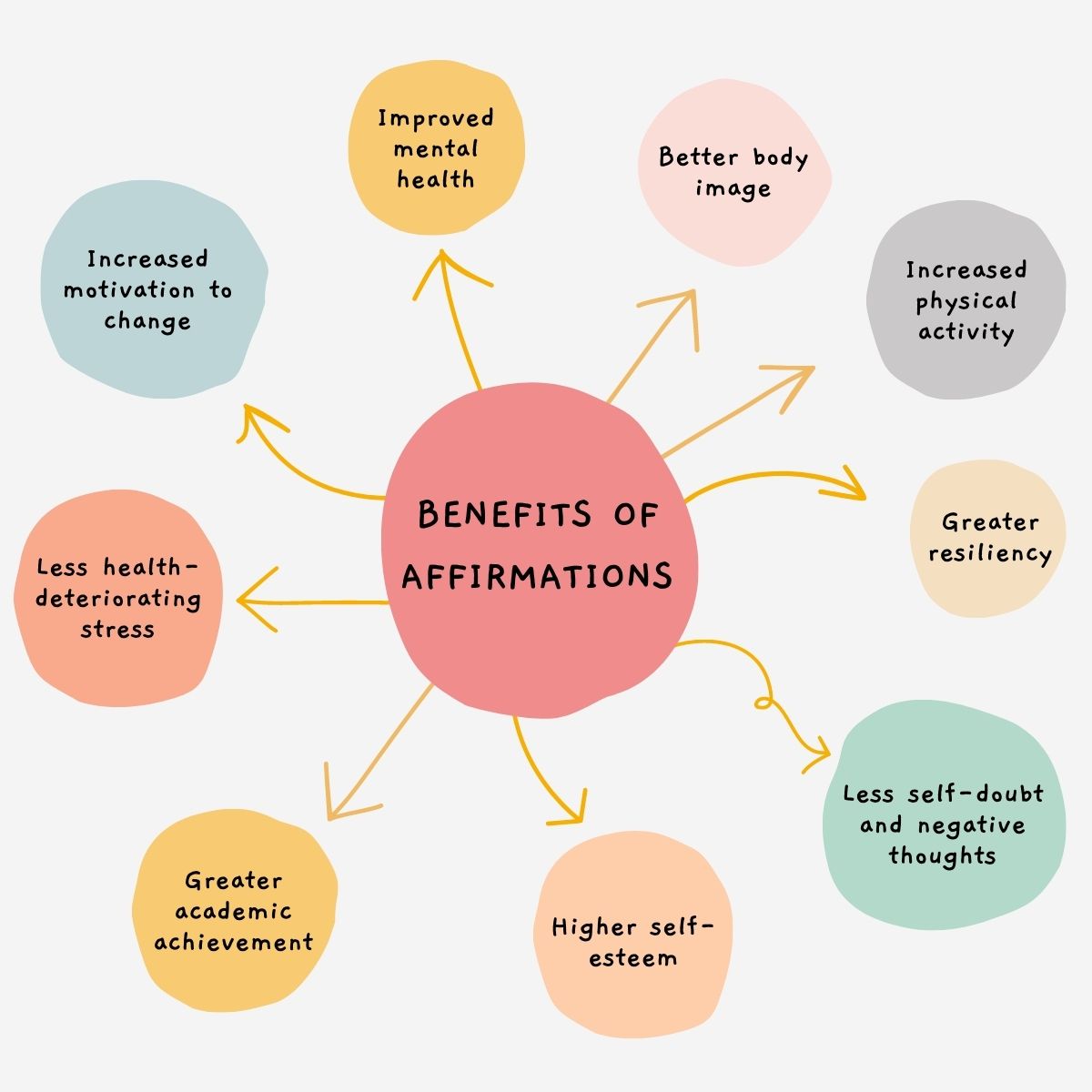
Credit: biteoutoflifenutrition.com
Common Myths About Self Affirmation
Some people think self-affirmation is just wishful thinking or ignoring problems. This is not true. Here are a few common myths and the facts behind them:
- Myth: Affirmations are only for people with low self-esteem.
- Fact: Everyone can benefit, no matter how confident they are.
- Myth: Affirmations must be repeated hundreds of times to work.
- Fact: Quality matters more than quantity. A few sincere repetitions are powerful.
- Myth: Affirmations are about denying negative feelings.
- Fact: Self-affirmation helps you accept all parts of yourself, not just the good.
Understanding these truths makes it easier to use self-affirmation in a healthy, realistic way.
Real-life Examples And Case Studies
Self-affirmation has helped people from all walks of life. Here are a few real examples:
- A student facing test anxiety used daily affirmations about her intelligence and hard work. Over time, her grades improved, and her stress levels dropped.
- An employee struggling with self-doubt wrote down his strengths before big meetings. He became more confident and started speaking up more often.
- A person trying to quit smoking reminded himself, “I value my health and can make positive choices.” This made it easier to resist cravings.
In each case, self-affirmation was a small but important part of their success. It didn’t solve every problem, but it made a clear difference.
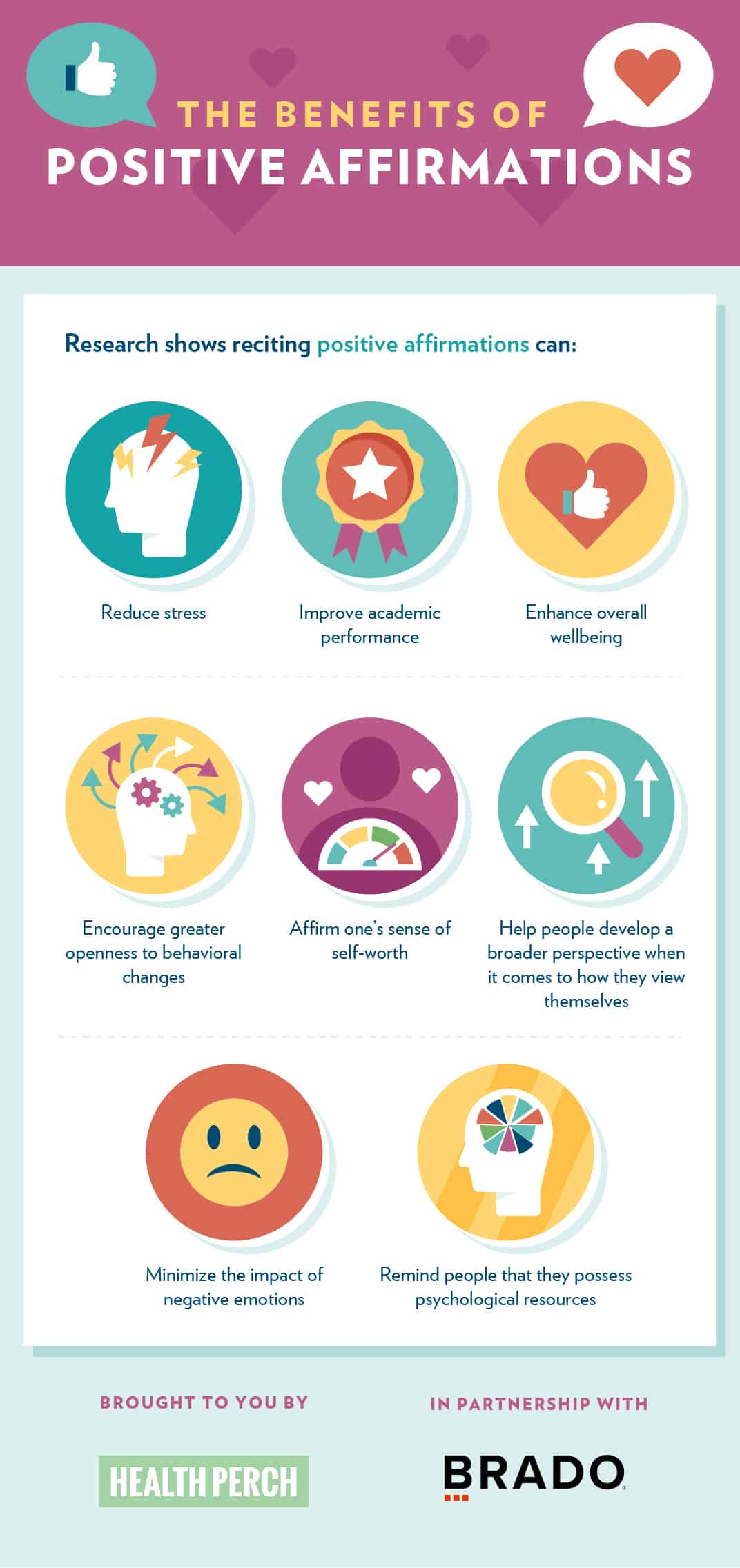
Credit: ecogreenlove.com
Data And Research Findings
Science supports the benefits of self-affirmation. Here are some key findings from research:
| Benefit | Study Result |
|---|---|
| Stress Reduction | Participants had 50% lower stress hormone levels after affirming values before a public speaking task. |
| Improved Academic Performance | Students who practiced self-affirmation before exams scored higher than those who did not. |
| Health Behavior Change | People open to health messages and more likely to change habits after self-affirmation. |
Self-affirmation works across different ages, backgrounds, and situations. The effects are strongest when affirmations focus on personal values and are practiced regularly.
Self Affirmation Vs. Positive Thinking
Some people confuse self-affirmation with positive thinking. While they are similar, there are key differences.
| Self Affirmation | Positive Thinking |
|---|---|
| Focuses on your core values and strengths | Focuses on expecting good outcomes |
| Helps you accept both good and bad feelings | Often ignores or denies negative feelings |
| Builds long-term resilience | Can be short-term and superficial |
Self-affirmation is more than just “thinking happy thoughts. ” It connects you to your deeper self and gives you a strong foundation for facing life’s challenges.
Practical Tips For Making Self Affirmation Effective
If you want the full benefits, it’s important to use self-affirmation the right way. Here are some tips to get the most out of this practice:
Make It Personal
Generic affirmations like “I am great” may not help much. Use statements that match your real values and experiences. For example, “I am a caring friend” or “I never give up when things are hard. ”
Be Specific
The more specific your affirmation, the stronger it is. Instead of “I am successful,” try “I am good at finding solutions to problems at work. ”
Use The Present Tense
Say your affirmation as if it’s true right now. “I am healthy” is more powerful than “I will be healthy someday. ”
Combine With Action
Affirmations work best when you also take small steps to support them. If you say, “I am organized,” spend a few minutes organizing your space.
Watch For Resistance
If an affirmation feels false, it may cause stress instead of comfort. Change the statement until it feels believable. For example, “I am learning to be confident” can be easier to accept than “I am always confident. ”
Keep It Short And Simple
Long, complicated affirmations are harder to remember and less effective. Stick to a few words or a short sentence.
Practice Regularly
Like any skill, self-affirmation works best with practice. Set a reminder or make it part of your daily routine.
Mix It Up
Change your affirmations as your life changes. What works today may not fit next month. Stay flexible and adjust as needed.
Self Affirmation For Different Life Situations
Self-affirmation can help in almost any situation. Here’s how you can use it in common life moments:
Before A Big Event
If you have a job interview, exam, or performance, use affirmations to calm nerves and focus. Try: “I am prepared and ready to do my best.”
During Stressful Times
When life is overwhelming, remind yourself: “I have handled tough times before. I can do it again.”
When Facing Criticism
Criticism can hurt. Use self-affirmation to protect your self-worth: “I am open to feedback, but it does not define me.”
Building New Habits
Changing habits is hard. Support yourself with: “I am someone who keeps promises to myself.”
Healing After Failure
Failure can feel crushing. Affirm: “My mistakes help me learn and grow.”
Common Mistakes To Avoid
Self-affirmation is simple, but people sometimes make mistakes that reduce its power. Here are some common errors and how to fix them:
- Choosing unrealistic affirmations: If your statement feels false, it may create more stress. Start small and build up.
- Repeating without meaning: Saying words you don’t believe is not helpful. Focus on statements you feel connected to.
- Ignoring negative feelings: Self-affirmation is about balance. Don’t use it to cover up real problems. Accept your feelings, then use affirmations to move forward.
- Expecting instant results: Change takes time. Be patient and keep practicing.
Self Affirmation In Therapy And Coaching
Many therapists and coaches use self-affirmation as a tool for clients. It helps people challenge negative beliefs and build new, positive habits. For example, cognitive-behavioral therapy often includes writing or saying affirmations to replace unhelpful thoughts.
In coaching, self-affirmation can keep motivation high and help clients reach goals. It’s a flexible tool that fits many needs.
Children And Self Affirmation
Self-affirmation is not just for adults. Children can benefit greatly from learning to value themselves. Teaching kids to use affirmations builds confidence and helps them handle bullying, failure, or stress at school.
Simple affirmations for children include:
- “I am a good friend.”
- “I try my best.”
- “I am proud of who I am.”
Parents and teachers can encourage children to create their own affirmations and repeat them daily.
Self Affirmation And Cultural Differences
People from different cultures may use self-affirmation in unique ways. In some cultures, group values (like family or community) are more important than personal achievements. In these cases, affirmations might focus on being a caring family member or loyal friend.
It’s important to choose affirmations that fit your own background and beliefs. The key is finding what feels meaningful to you.
Limitations And What To Watch Out For
While self-affirmation is powerful, it is not a cure-all. It works best as part of a balanced approach to mental health. If you have deep depression or anxiety, you may need extra support from a professional.
Also, affirmations should not be used to avoid real problems. Use them to build strength, but take action and seek help when needed.
A Quick Guide To Starting Your Practice
If you’re ready to begin, here’s a simple plan to start using self-affirmation today:
| Step | What to Do |
|---|---|
| 1. Reflect | Think about your values and strengths. What makes you proud? |
| 2. Write | Choose 2-3 affirmations that fit you. Write them down. |
| 3. Repeat | Say your affirmations each day, out loud or silently. |
| 4. Adjust | Change your affirmations as you grow or face new situations. |
| 5. Combine | Support your affirmations with small actions and healthy habits. |
Keep your affirmations somewhere you will see them often — on your mirror, desk, or phone. A few minutes each day can make a big difference over time.
Non-obvious Insights About Self Affirmation
Most people know the basics, but here are two powerful insights often missed by beginners:
- Affirmations are most effective after setbacks. Using self-affirmation right after failure or criticism helps protect your self-worth when you need it most.
- Affirming your values (not just skills) gives deeper results. For example, “I value honesty” or “I care deeply about my family” connects you to your core identity and increases the impact.
Where To Learn More
If you want to dive deeper into the science of self-affirmation, check research from trusted sources like Wikipedia. You’ll find studies, books, and expert advice on making this practice part of your life.
Frequently Asked Questions
What Is The Best Time To Practice Self-affirmation?
Most People Find It Helpful To Use Self-affirmations In The Morning Or Before A Stressful Event. However, The Best Time Is When You Need Encouragement Or A Confidence Boost. Consistency Is More Important Than Timing.
Can Self-affirmation Help With Mental Health Problems?
Self-affirmation Can Support Mental Health By Reducing Stress And Negative Thoughts. But If You Have Serious Depression Or Anxiety, It’s Important To Seek Help From A Mental Health Professional. Affirmations Work Best As Part Of A Bigger Self-care Plan.
How Long Does It Take To See Results From Self-affirmation?
Some People Feel Better After Just A Few Days, While Others May Need A Few Weeks. The Effects Grow Stronger With Regular Practice. Be Patient And Keep Going, Even If You Don’t Notice Big Changes Right Away.
Should I Say Affirmations Out Loud Or Silently?
Both Ways Can Work. Saying Affirmations Out Loud May Make Them Feel More Real And Powerful. If You’re In Public Or Feel Shy, Thinking Them Silently Is Fine Too.
Are There Situations Where Self-affirmation Does Not Work?
Self-affirmation May Not Work If You Choose Statements That Feel False Or Ignore Real Problems. It’s Important To Be Honest And Use Affirmations As One Part Of Your Overall Well-being.
Feeling better about yourself is a journey, not a quick fix. Self-affirmation is a simple but powerful tool to guide you along the way. With practice, it can help you build confidence, reduce stress, and enjoy a happier, more meaningful life.

Credit: www.kelphr.com
