

Positive Affirmations for Work: Boost Productivity and Confidence
Positive Affirmations For Work
Feeling confident at work can be tough. Sometimes, you doubt yourself. You might feel overwhelmed, stressed, or just stuck. This happens to everyone—even people who seem successful. The truth is, your thoughts play a huge role in how you perform. If you feed your mind positive ideas, you start to see your job in a new light. That’s where positive affirmations for work come in.
Affirmations are simple statements you repeat to yourself. They help you build confidence, reduce anxiety, and improve focus. Many people use them to start their day, overcome challenges, or boost motivation. You don’t need anything special to use affirmations—just your own voice and a willingness to try.
In this article, you’ll learn why affirmations matter, how to make them work for you, and which phrases can truly change your mindset at work. You’ll also see real-world examples, practical tips, and common mistakes to avoid.
Why Positive Affirmations Matter In The Workplace
Work can be stressful. Deadlines, meetings, and difficult coworkers can make you feel tense. Even small mistakes can shake your confidence. This stress affects your mood, energy, and productivity.
Affirmations help you manage these feelings. By repeating positive phrases, you train your mind to focus on strengths instead of weaknesses. Studies show that self-affirmation can lower stress, boost problem-solving skills, and improve job satisfaction. When you believe in yourself, you’re more likely to take risks, handle feedback, and recover from setbacks.
Another non-obvious insight is that affirmations are not just about feeling good. They can help you perform better. Your brain responds to repeated positive messages by forming new habits and beliefs. Over time, you start to act with more confidence, even if you were unsure at first.
How Affirmations Work: Science And Psychology
Affirmations are simple, but they’re backed by science. The idea comes from cognitive psychology. When you repeat positive statements, your brain creates new connections. This process is called neuroplasticity. It means your mind can change and adapt.
Research from the University of Pennsylvania found that people who used self-affirmation before stressful tasks had less anxiety and did better. Affirmations also help you focus on your goals, not your fears. They push you to see challenges as chances to grow, not threats.
Another key insight is that affirmations must be believable. If you say something too far from your reality, your brain may reject it. For example, “I am the best employee in the world” might feel fake. Instead, “I am learning every day and becoming better at my job” feels honest and powerful.
Creating Effective Work Affirmations
Not all affirmations work the same way. Some are too vague or unrealistic. To create affirmations that help at work, follow these steps:
- Keep it simple: Use clear, short sentences.
- Make it personal: Focus on your own strengths or goals.
- Use the present tense: Say “I am” or “I have,” not “I will.”
- Be specific: Target your actual challenges.
- Stay positive: Avoid words like “not,” “never,” or “can’t.”
For example, instead of “I won’t make mistakes,” say “I am careful and learn from my errors. ” This shifts your mind from fear to growth.
Below is a comparison of weak versus strong affirmations:
| Weak Affirmation | Strong Affirmation |
|---|---|
| I hope I do well today. | I am prepared and confident for today’s tasks. |
| I won’t mess up this project. | I manage challenges with skill and patience. |
| I will try not to be nervous in meetings. | I speak clearly and share my ideas in meetings. |
25 Powerful Positive Affirmations For Work
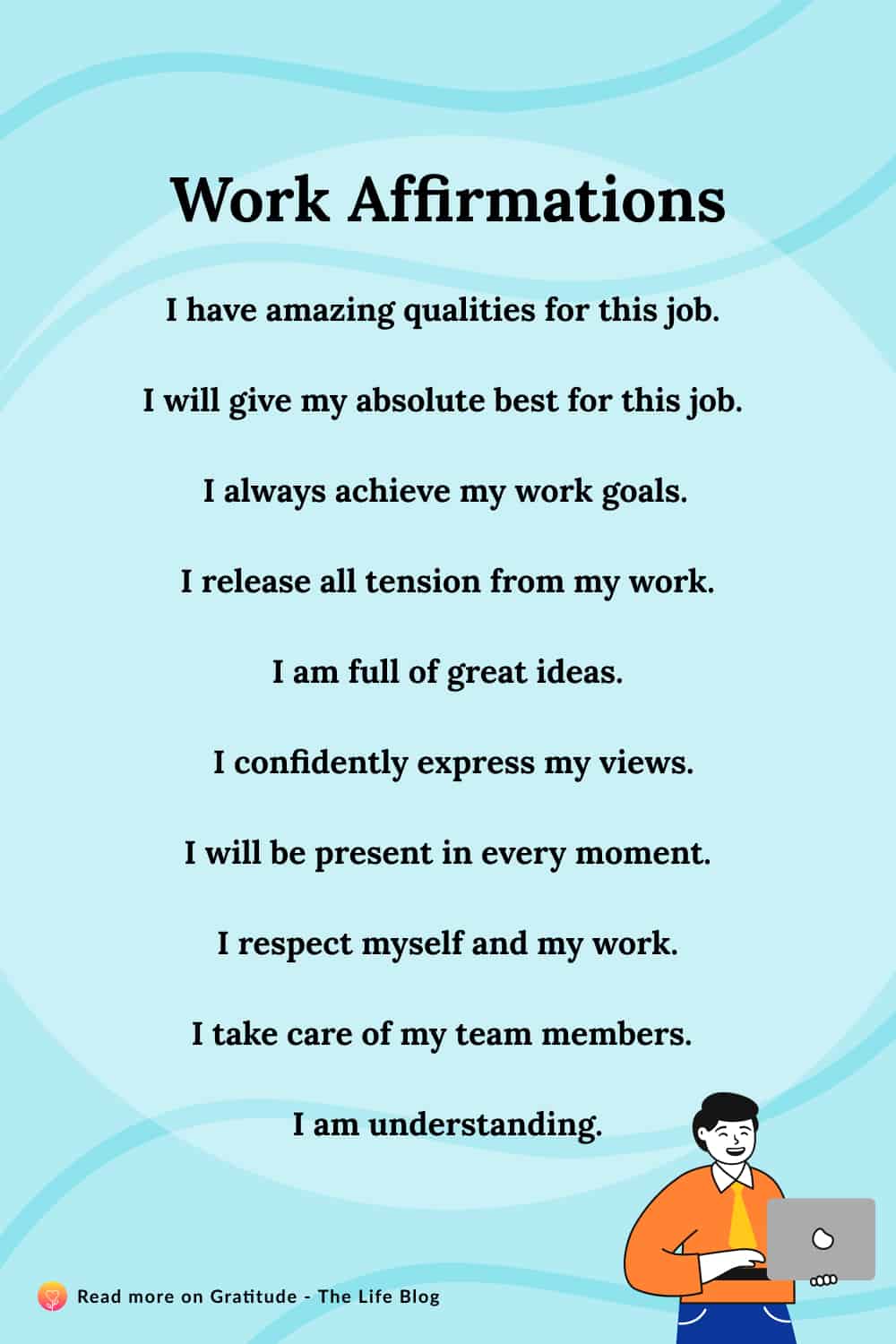
Here are 25 affirmations you can use at your workplace. Use them in the morning, before meetings, or whenever you need a boost.
- I am capable and skilled in my work.
- I handle challenges with calm and confidence.
- I am respected by my colleagues.
- My work makes a positive impact.
- I am always learning and improving.
- I speak my ideas clearly and confidently.
- I am focused and productive.
- I manage my time well.
- I listen and understand others at work.
- I am valued for my contributions.
- I turn problems into opportunities.
- I am patient with myself and others.
- I trust my judgment and decisions.
- I am grateful for my job.
- I inspire others through my actions.
- I am calm during busy days.
- I celebrate my achievements, big and small.
- I welcome feedback for growth.
- I am creative in solving problems.
- I build strong relationships at work.
- I accept mistakes as part of learning.
- I bring energy to my team.
- I am confident in my skills and abilities.
- I adapt well to change.
- I end each day feeling accomplished.
Try picking 3–5 that fit your needs. Repeat them each morning, or before stressful events.
How To Use Affirmations Daily At Work
Making affirmations part of your routine is important. Here’s how you can use them effectively:
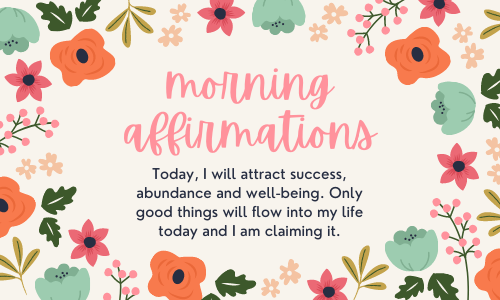
- Morning ritual: Start your day by repeating your chosen phrases. This sets a positive tone.
- Before meetings or presentations: Take a moment to repeat affirmations. This calms nerves and boosts confidence.
- During stressful moments: When you feel overwhelmed, pause and repeat your affirmations.
- End of day reflection: Remind yourself of your progress and strengths before leaving work.
Some people write their affirmations on sticky notes, keep them on their desk, or set reminders on their phone. The key is consistency. Over time, you’ll notice changes in your attitude, focus, and performance.
Real-life Examples: Affirmations In Action
Let’s look at how affirmations have helped people at work.
Maria, a project manager, struggled with self-doubt. She started using “I am capable and skilled in my work” every morning. Within weeks, she felt more comfortable leading meetings and making decisions.
Jake, a sales associate, often felt nervous before client calls. He used “I speak my ideas clearly and confidently” before each call. His performance improved, and his anxiety decreased.
A study in a corporate setting found that employees who used affirmations felt more motivated and less stressed. They reported higher job satisfaction and better teamwork.
Another insight: Affirmations don’t just help individuals. Teams can use them together. For example, a group might repeat “We are creative and solve challenges together” before brainstorming sessions.
Common Mistakes When Using Affirmations
While affirmations are simple, people often make mistakes. Avoid these traps:
- Using negative language: Don’t focus on what you don’t want. Affirmations should be positive.
- Being unrealistic: Choose statements you can believe. If they feel fake, your mind won’t accept them.
- Not being consistent: Sporadic use won’t help. Make affirmations a daily habit.
- Repeating too many at once: Focus on a few that matter most, not a long list.
- Ignoring your feelings: Affirmations are not magic. If you struggle, combine them with practical action.
Another mistake is copying affirmations without thinking. Tailor them to your own goals and challenges.
Benefits Of Positive Affirmations For Work
Affirmations do more than boost confidence. Here are some real benefits:
- Lower stress: Repeating positive phrases can calm your mind during tough times.
- Better focus: Affirmations help you concentrate on tasks, not worries.
- Improved relationships: When you believe in yourself, you communicate better with coworkers.
- Higher productivity: Positive beliefs lead to more motivation and energy.
- Stronger resilience: Affirmations help you bounce back from setbacks.
One non-obvious benefit: Affirmations can improve your physical health. Less stress means fewer headaches, better sleep, and higher energy.
Affirmations For Specific Work Challenges
Different situations call for different affirmations. Here are examples for common work challenges:
For Overcoming Self-doubt
- I trust my skills and experience.
- I am learning and growing every day.
For Handling Stress
- I am calm and centered during busy times.
- I manage stress with healthy habits.
For Improving Communication
- I listen carefully and speak clearly.
- My words are valued by my team.
For Leadership Roles
- I lead with confidence and integrity.
- I inspire my team to succeed.
For Career Growth
- I am open to new opportunities and learning.
- I move forward with purpose and passion.
Choose affirmations based on your needs. Repeat them during relevant moments for best results.
Comparing Affirmations With Other Mindset Tools
Affirmations are not the only tool for improving your mindset at work. Here’s how they compare with other methods:
| Method | How It Works | Best For |
|---|---|---|
| Affirmations | Repeat positive statements to shift beliefs | Building confidence, reducing stress |
| Visualization | Picture success in your mind | Goal setting, overcoming fear |
| Mindfulness | Focus on the present moment | Managing anxiety, improving focus |
| Gratitude journaling | Write what you are thankful for | Boosting mood, improving relationships |
Affirmations work well with these other tools. For example, you can combine affirmations with mindfulness for deeper results.
Credit: blog.gratefulness.me
Practical Tips To Make Affirmations Work
Getting the most from affirmations requires more than just repeating words. Here are practical tips:
- Speak out loud: Hearing your own voice makes affirmations stronger.
- Write them down: Writing helps you remember and believe your statements.
- Visualize success: Imagine yourself achieving your goals as you repeat affirmations.
- Set reminders: Use phone alerts or sticky notes to prompt you.
- Be patient: Change takes time. Stick with your routine for at least a few weeks.
One insight beginners miss: You can use affirmations to prepare for tough conversations or tasks. For example, before asking for a raise, repeat “I am confident in my value to this company.”
Affirmations For Remote And Hybrid Work
Many people now work from home or in hybrid setups. This can bring new challenges—loneliness, distractions, or less feedback.
Affirmations help you stay motivated and connected. Here are examples for remote work:
- I am focused and productive, even at home.
- I communicate clearly with my team, wherever I am.
- I balance work and rest for my well-being.
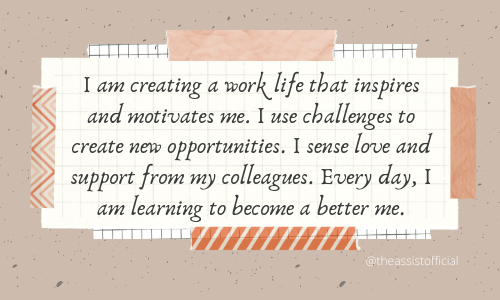
Make your workspace positive by placing affirmation notes near your computer. Some remote teams start virtual meetings with a shared affirmation.
Credit: snacknation.com
Using Affirmations For Team Building
Teams can use affirmations to build trust and unity. Here’s how:
- Start meetings with a group affirmation, like “We work together to solve problems.”
- Encourage team members to share their own affirmations.
- Use affirmations to celebrate success: “We achieved our goals through teamwork.”
Affirmations can also help resolve conflict. For example, after a disagreement, use “We respect each other’s opinions and learn together. ”
Data And Statistics: The Impact Of Affirmations At Work
Research shows affirmations improve workplace outcomes. A survey of over 1,500 employees found:
- 68% felt more confident after using affirmations regularly.
- 54% reported less stress at work.
- 47% noticed better relationships with coworkers.
Another study found teams that used group affirmations before projects had higher success rates and better morale.
Here’s a summary of key statistics:
| Benefit | Percentage of Employees Reporting Improvement |
|---|---|
| Confidence | 68% |
| Reduced stress | 54% |
| Better teamwork | 47% |
| Higher productivity | 39% |
These numbers show affirmations aren’t just a trend—they make a real difference.
Affirmations For Different Job Types
Affirmations can be customized based on your job. Here are examples for different roles:
For Managers
- I lead my team with clarity and empathy.
- I make decisions confidently and fairly.
For Customer Service
- I handle every client with patience and respect.
- I solve problems quickly and calmly.
For Creative Professionals
- I am full of creative ideas and solutions.
- I express myself freely and confidently.
For Technical Roles
- I solve complex problems with skill and logic.
- I learn new technology easily.
No matter your job, affirmations can be tailored to suit your daily tasks and challenges.
Combining Affirmations With Physical Actions
Affirmations are powerful, but pairing them with actions makes them even stronger. Here’s how:
- Repeat “I am focused and productive” as you organize your workspace.
- Say “I manage stress with healthy habits” while taking a short walk.
- Use “I communicate clearly” before sending important emails.
Physical actions reinforce your positive mindset. Your brain links words and behaviors, making change easier.
Affirmations For Career Growth And Advancement
If you want to advance in your career, affirmations can help you stay motivated and confident. Try these:
- I am open to new challenges and opportunities.
- I am proactive in my professional growth.
- I build valuable skills every day.
- I reach my goals with persistence and dedication.
Use these before interviews, networking events, or skill-building sessions.
Tracking Your Progress With Affirmations
To see if affirmations are working, track your progress. Here’s how:
- Keep a journal of your daily affirmations and mood changes.
- Note improvements in confidence, productivity, or relationships.
- Set small goals and see how affirmations help you reach them.
After a month, review your notes. You may find you’re more positive, resilient, and successful.
The Role Of Affirmations In Organizational Culture
Some companies now use affirmations as part of their culture. Leaders encourage employees to use positive language. This creates a supportive environment.
For example, a tech company asked employees to start meetings with affirmations. Results included better teamwork, less conflict, and higher innovation.
If you’re a manager, encourage your team to use affirmations. Share your own, and celebrate progress. Over time, this builds a stronger, more positive workplace.
Frequently Asked Questions
How Often Should I Use Positive Affirmations For Work?
Consistency is key. Try using affirmations every morning, before important meetings, and during stressful moments. Daily repetition helps your mind accept positive ideas and form new habits.
Can Affirmations Help With Workplace Anxiety?
Yes. Affirmations can reduce anxiety by shifting your focus from worries to strengths. Combine affirmations with deep breathing or mindfulness for even better results.
How Long Does It Take To See Results From Affirmations?
Most people notice changes within a few weeks. Confidence, mood, and performance improve as you use affirmations regularly. Keep a journal to track your progress.
What If I Don’t Believe My Affirmations At First?
It’s normal to feel doubtful in the beginning. Start with statements that feel true or close to your reality. As you repeat them, your mind becomes more open to positive change.
Can Teams Use Affirmations Together?
Absolutely. Teams can use group affirmations to build trust, unity, and motivation. Shared affirmations before projects or meetings help create a positive team culture.
If you want to learn more about the science behind affirmations and mindset, visit Positive Psychology.
Positive affirmations for work are simple but powerful tools. They help you overcome self-doubt, manage stress, and grow in your career. Whether you work alone or in a team, affirmations can boost your confidence and help you succeed. Start small, stay consistent, and make them part of your daily routine.
Over time, you’ll notice not just better performance—but a happier, healthier mindset at work.
Credit: snacknation.com
