

Positive Affirmations for Quitting Weed: Transform Your Mindset
Quitting weed is one of the most important choices many people make for their health, goals, and future. The journey can be tough, and it often feels lonely. But small tools can make a big difference. Positive affirmations are one of those tools. They’re short, powerful statements you repeat to yourself to build confidence and motivation. For some, affirmations are a lifeline during cravings or doubt. For others, they’re a daily habit that helps reshape their thinking. In this guide, you’ll discover how affirmations work, why they matter, and which ones can help you most when quitting weed. You’ll also learn how to use affirmations effectively and avoid mistakes beginners often make. The goal is simple: give you practical advice, clear steps, and real examples so you can start your recovery with strength and hope.
Why Positive Affirmations Matter When Quitting Weed
Changing a habit is more than physical willpower. The mind plays a huge role. Many people who try to quit weed face negative thoughts like “I can’t do this” or “I need weed to feel okay.” These beliefs can stop progress before it starts. Positive affirmations help you challenge those old thoughts and build new, healthy patterns.
Research shows that affirmations can reduce stress, improve self-esteem, and support behavior change. In one survey, people who used affirmations during recovery reported higher success rates and less relapse. The power comes from repeating positive ideas until they feel true. This can help you:
- Build mental resilience
- Reduce cravings
- Stay focused on your goals
- Feel more confident about quitting
Changing your inner dialogue is not magic, but it gives your brain a new script to follow. Over time, your actions match your thoughts.
How Affirmations Work: Science And Psychology
Affirmations use the brain’s natural ability to adapt. When you repeat a statement, your brain starts to notice it more. This is called neuroplasticity—the brain's way of forming new connections. For people quitting weed, affirmations help replace old triggers with new motivations.
Psychologists say that affirmations are most effective when:
- They are personal and meaningful
- You repeat them often, not just once
- You believe in them, even if only a little
A study from the National Institutes of Health found that people who practiced daily affirmations felt less anxious and more hopeful during addiction recovery. That hope is important. It keeps you going when things get hard.
Common Challenges When Quitting Weed
Quitting weed can bring physical and emotional challenges. Understanding these helps you pick the right affirmations.
- Withdrawal Symptoms: These include trouble sleeping, irritability, headaches, and anxiety. Affirmations can calm your mind and remind you that discomfort is temporary.
- Social Pressure: Friends or family may not support your decision, or you may feel left out. Affirmations help you stay true to your goals.
- Cravings and Triggers: Everyday situations—like stress, boredom, or seeing others smoke—can spark cravings. Affirmations redirect your focus.
- Self-Doubt: Many people worry they’ll fail or relapse. Affirmations strengthen your belief in yourself.
Knowing these challenges helps you choose or create affirmations that fit your needs.
20 Powerful Affirmations For Quitting Weed
Here are twenty affirmations that help many people during their journey. You can use them as they are, or change them to fit your style.
- I am stronger than my cravings.
- My health and mind matter more than weed.
- I am proud of my progress every day.
- I can handle discomfort; it will pass.
- I choose clarity and focus over fog.
- My future is brighter without weed.
- I forgive myself for past mistakes.
- I control my choices and actions.
- I am learning and growing every day.
- I deserve a life free from addiction.
- My body heals and improves each day.
- I trust myself to make good decisions.
- I am patient with my recovery.
- I am not alone; others have succeeded.
- I am worthy of happiness and peace.
- I respect myself and my goals.
- I am breaking old habits for a better life.
- I celebrate small victories every day.
- I am calm and in control.
- Every day, I move closer to freedom.
Some of these affirmations are simple, others are deeper. The best ones are those that speak directly to you.
Credit: open.spotify.com
How To Use Affirmations Effectively
Knowing powerful affirmations is not enough—you must use them well. Here are practical steps to get the most benefit.
Pick Affirmations That Fit Your Situation
Choose statements that feel true or possible for you. If an affirmation feels fake, change the wording. For example, instead of “I am completely free from cravings,” use “I am learning to manage my cravings. ”
Repeat Them Daily
Consistency is key. Set aside time every morning and evening to repeat your affirmations. Some people write them on sticky notes and place them on mirrors or desks. Others use phone reminders.
Say Them Out Loud
Speaking affirmations makes them stronger. Hearing your own voice helps your brain believe the statement.
Visualize Success
As you say your affirmation, imagine yourself acting it out. Picture yourself refusing weed, feeling healthy, or celebrating milestones.
Use Affirmations During Cravings
When cravings hit, pause and repeat your chosen affirmation. This helps distract your mind and reminds you of your goals.
Track Your Progress
Keep a journal of your affirmations and note how you feel after repeating them. This helps you see which statements work best.
Combine With Other Recovery Tools
Affirmations work well with therapy, support groups, and healthy routines. They are not a replacement for medical advice, but a helpful support.
Creating Your Own Affirmations
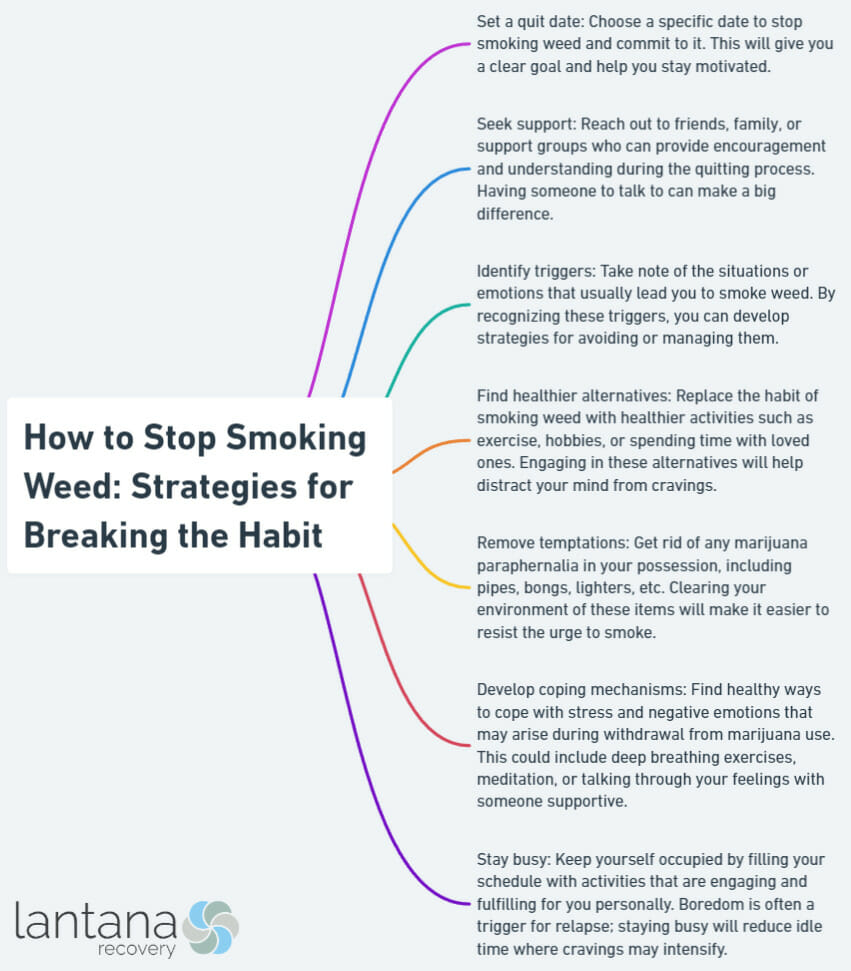
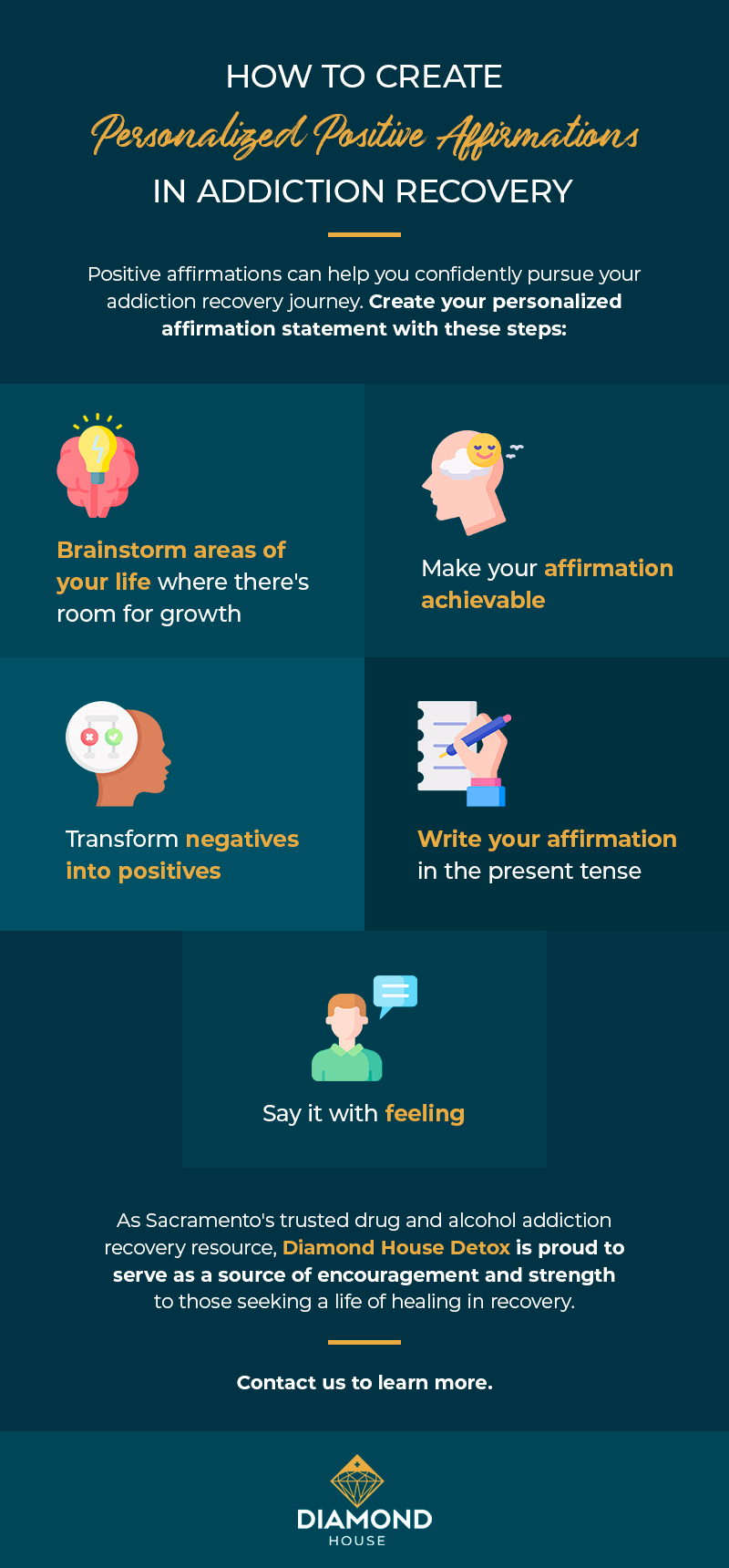
Personalized affirmations can be more powerful. Here’s how to create your own:
- Start with “I” or “My”: Make it personal.
- Keep it positive: Focus on what you want, not what you fear.
- Use present tense: Say “I am learning,” not “I will learn.”
- Make it simple: Short statements are easier to remember.
- Connect to your goals: Tie the affirmation to your main reasons for quitting.
Example: If your goal is better sleep, your affirmation could be “I sleep better without weed.”
Credit: lantanarecovery.com
Examples Of Affirmations For Specific Situations
Different situations call for different affirmations. Here are examples for common moments:
Morning Motivation
- I begin each day with strength and hope.
- Today, I choose health over old habits.
Handling Stress
- I am calm and can handle stress without weed.
- My mind is clear and peaceful.
Dealing With Social Pressure
- I make choices that fit my values.
- I stand strong even when others disagree.
Facing Cravings
- Cravings pass; I stay focused on my goals.
- I am in control of my actions.
Celebrating Progress
- Every small victory counts.
- I am proud of myself for moving forward.
Comparison Table: Affirmations Vs. Other Recovery Tools
Affirmations are just one tool in recovery. Here’s how they compare to other common methods:
| Tool | Main Benefit | Ease of Use | Supports Recovery? |
|---|---|---|---|
| Affirmations | Builds mental strength | Very easy | Yes |
| Therapy | Deep emotional support | Moderate | Yes |
| Support Groups | Peer motivation | Easy | Yes |
| Physical Exercise | Relieves stress | Easy | Yes |
| Medication | Manages withdrawal | Requires medical advice | Sometimes |
Data Table: Success Rates In Quitting Weed
Some people wonder how well affirmations work compared to other methods. Here’s a look at survey data from recovery programs:
| Method | Reported Success Rate (%) | Relapse Rate (%) |
|---|---|---|
| Affirmations + Support Groups | 62 | 28 |
| Therapy Only | 54 | 34 |
| Exercise Only | 42 | 45 |
| No Support | 21 | 70 |
This data shows that combining affirmations with other tools raises your chance of success.
Common Mistakes When Using Affirmations
Beginners often make mistakes that reduce the power of affirmations. Here are some to avoid:
- Choosing vague statements: “I will be better someday” is less effective than “I am getting stronger every day.”
- Skipping days: Consistency matters. Affirmations work best with daily practice.
- Ignoring feelings: If an affirmation feels wrong, change it. Forced statements can create frustration.
- Not connecting affirmations to real goals: Tie your statements to what matters most—health, relationships, or personal growth.
- Using only affirmations: Affirmations help, but don’t replace therapy, support groups, or medical advice.
A non-obvious insight: affirmations are more powerful when you attach them to action. For example, say “I am building a healthy life” while walking or eating well. This connects thought to behavior.
Real-life Success Stories
Hearing how others succeeded can motivate you. Here are two examples:
Anna’s Story: Anna struggled with weed for years. She felt stuck and isolated. She started using affirmations like “I am stronger than my cravings” every morning. She wrote them in her journal and read them before bed. Over time, her confidence grew. She combined affirmations with therapy and exercise. After a few months, she noticed fewer cravings and more energy. Anna says affirmations helped her stay focused during hard days.
David’s Story: David wanted to quit weed to improve his career. He faced strong social pressure from friends. He chose affirmations like “I make choices that fit my values.” He repeated them during parties or stressful workdays. This made him feel less alone and more in control. David joined a support group and shared his affirmations. He found that combining affirmations with peer support made quitting easier.
These stories show that affirmations are not just words—they are tools that change thinking and behavior.
Integrating Affirmations Into Your Daily Routine
Building a routine helps affirmations stick. Here’s how to make them part of your day:
- Morning: Repeat your chosen affirmation while brushing your teeth or making breakfast.
- During Cravings: Use your phone or a sticky note to remind you to repeat an affirmation.
- Before Bed: Reflect on your progress and say a calming affirmation.
- Physical Activity: Pair affirmations with walking, running, or yoga.
Try different times and places to see what works best for you.
Using Technology To Support Affirmations
Technology can make affirmations easier. There are apps that send daily reminders and let you record your voice. Some people prefer digital journals or audio recordings. These tools help you stay consistent and track progress.
For more advanced support, consider apps that combine affirmations with meditation or mood tracking. This adds an extra layer of motivation.
Affirmations For Long-term Success
Quitting weed is not just a one-time event. It’s a journey. Affirmations help you stay motivated long after the first weeks. Here are long-term affirmations:
- I am proud of my lasting strength.
- My life is full of new opportunities.
- I am free to create a healthy future.
- I trust myself to handle challenges.
- I am always learning and improving.
These statements remind you that quitting weed is not just about stopping—it's about building a better life.
Comparison Table: Short-term Vs. Long-term Affirmations
Understanding which affirmations to use at different stages can help. Here’s a quick comparison:
| Affirmation Type | When to Use | Example | Main Benefit |
|---|---|---|---|
| Short-Term | During cravings or tough days | I am stronger than my cravings | Immediate motivation |
| Long-Term | After weeks/months of sobriety | I am proud of my lasting strength | Continued confidence |
Switching between these helps you adapt as you move forward.
Non-obvious Insights About Affirmations
Many people miss these points when starting out:
- Affirmations don’t need to be perfect. Sometimes, even “I am trying” is enough to start. Over time, you can make them stronger.
- Link affirmations to real actions. Saying “I am healthy” while eating a good meal or going for a walk makes the statement more real to your brain.
- Share affirmations with others. Telling a friend or support group can boost your motivation and accountability.
Credit: diamondhousedetox.com
Combining Affirmations With Professional Help
Affirmations are powerful, but they work best when combined with professional support. Therapists, counselors, and support groups offer guidance and structure. If you struggle with severe withdrawal or mental health, seek help. Affirmations are a good supplement, not a replacement.
If you want more research about addiction recovery, visit National Institutes of Health.
Frequently Asked Questions
What Are Positive Affirmations For Quitting Weed?
Positive affirmations are short, encouraging statements you repeat to yourself. They help change your mindset and build confidence, making it easier to quit weed. Examples include “I am stronger than my cravings” and “My health matters more than weed.”
How Often Should I Use Affirmations When Quitting Weed?
Use affirmations daily for best results. Morning and evening are good times. During cravings or stress, repeat your chosen affirmation. Consistency helps your brain accept new ideas.
Can Affirmations Replace Medical Treatment For Addiction?
No. Affirmations are support tools. They help your mindset, but do not replace medical advice, therapy, or support groups. If you have severe withdrawal or mental health issues, see a professional.
How Long Does It Take For Affirmations To Work?
Affirmations start working as soon as you use them, but lasting change takes weeks or months. The key is repetition and belief. Over time, your thoughts and actions match your affirmations.
What If I Don’t Believe My Affirmations?
If an affirmation feels fake, change the wording. Use statements like “I am learning to quit weed” or “I am making progress. ” Start small and build confidence over time.
Quitting weed is a journey. Positive affirmations are a small but mighty tool that can help you build strength, hope, and a better life. By using them daily, personalizing your statements, and combining them with other recovery methods, you give yourself a real chance at lasting change.
Remember, you’re not alone. Others have succeeded, and you can too.
