

Loving Self Affirmations: Transform Your Mindset Daily
Loving Self Affirmations: Unlocking Confidence, Happiness, And Inner Strength
Everyone wants to feel confident, happy, and strong inside. But sometimes, negative thoughts and self-doubt make it hard. Learning to practice loving self affirmations can help you change your mindset and feel better about yourself. These simple, positive statements are more than just words—they can boost your mood, shape your actions, and even change your life. If you’re new to affirmations or want to deepen your practice, this guide will show you how loving self affirmations work, why they matter, and how to use them for real results. Along the way, you’ll find practical tips, examples, and insights to make your journey smoother.
What Are Loving Self Affirmations?
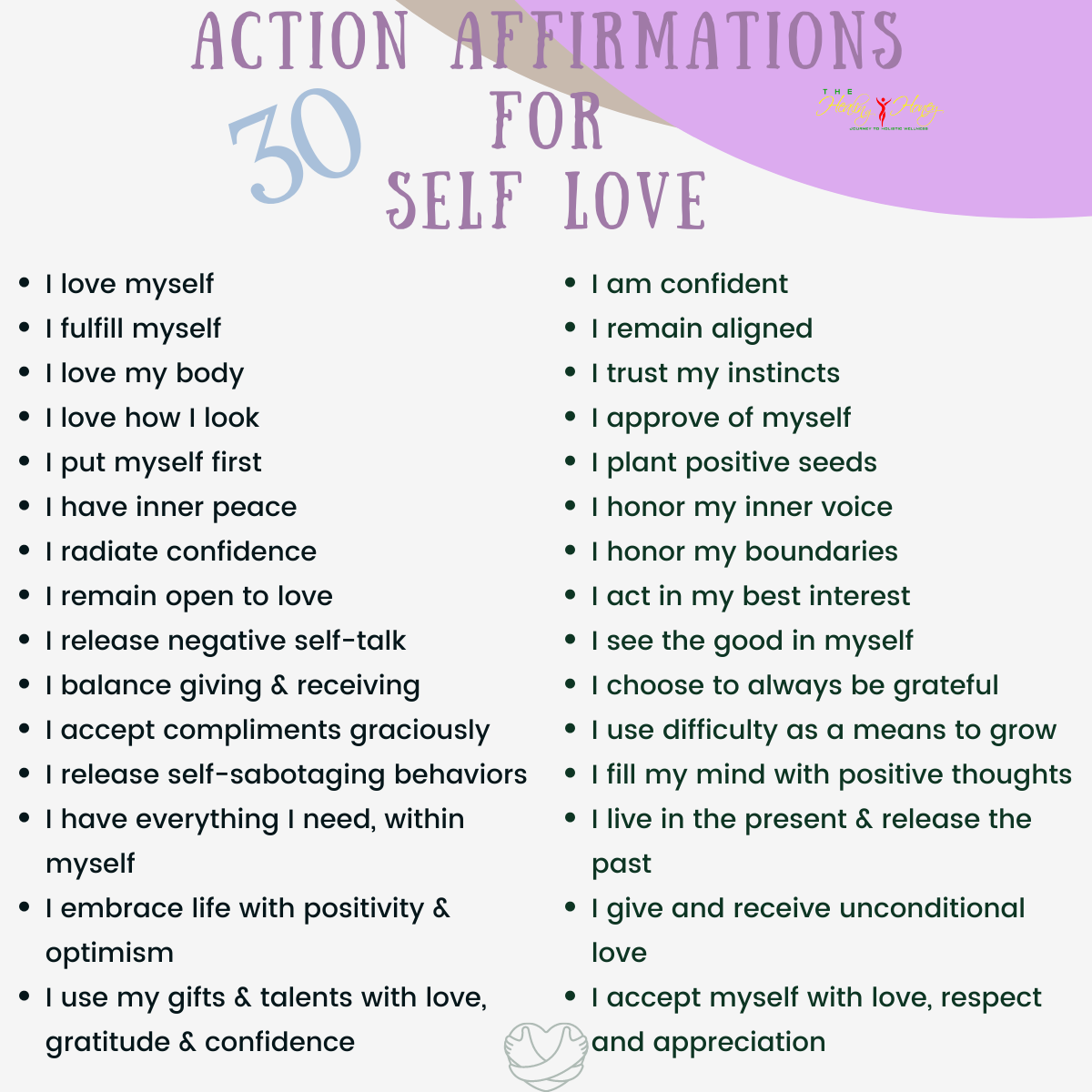
Self affirmations are positive statements you repeat to yourself. They help you focus on your strengths and believe in your worth. When you add “loving” to self affirmations, you make them even stronger. These affirmations are not just about feeling good—they are about truly caring for yourself and accepting who you are.
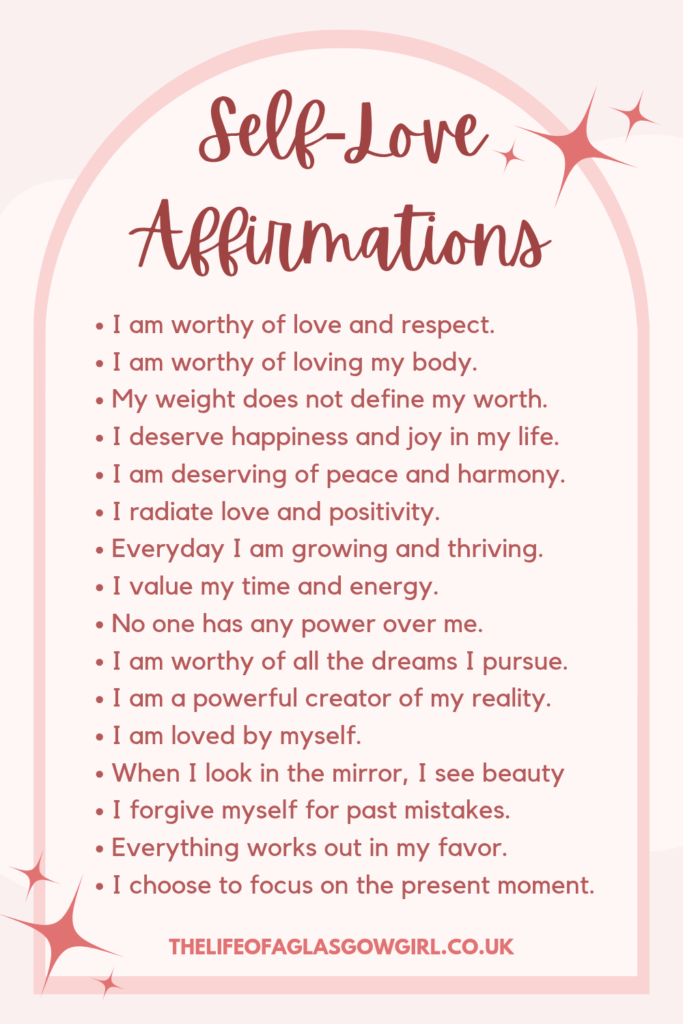
For example, saying “I am worthy of love” or “I accept myself fully” helps you build a gentle, supportive attitude toward yourself. You don’t need to be perfect to use loving self affirmations. Instead, these statements remind you that you deserve kindness and respect, from yourself and others.
Loving self affirmations can feel like a friend’s gentle voice inside your mind, encouraging you when you face hard times. Imagine you just made a mistake at work. Instead of saying, “I’m so stupid,” you could tell yourself, “I am learning and growing every day.
” This small change can ease your stress and help you move forward.
Why Loving Self Affirmations Matter
Many people struggle with self-criticism and negative beliefs. Research shows that negative self-talk can lead to anxiety, depression, and low confidence. Loving self affirmations interrupt these patterns. They give you a new way to talk to yourself, one that supports your growth and happiness.
Studies from psychology suggest that using affirmations regularly can:
- Reduce stress
- Improve self-esteem
- Boost motivation
- Help you recover from setbacks
One study found that people who practiced affirmations before a stressful task felt less anxious and performed better. That’s because affirmations help you focus on your strengths, not your weaknesses.
Another key point is that loving self affirmations build a foundation for long-term change. Instead of just cheering yourself up for a moment, you are rewriting old, negative scripts in your mind. Over time, this leads to a deeper sense of peace with who you are. For example, if you grew up hearing “You’re not good enough,” loving affirmations help you create a new story: “I am valuable and unique.”
The Science Behind Self Affirmations
Affirmations are not just wishful thinking. There is real science behind them. Psychologists call this self-affirmation theory. It says people want to protect their sense of self-worth. When you affirm your value, you feel stronger and more confident.
How Affirmations Affect The Brain
Repeating positive statements activates parts of your brain linked to reward and motivation. This can change how you think about yourself. Over time, affirmations can:
- Replace negative thoughts with positive ones
- Strengthen neural pathways for self-confidence
- Make you more likely to take positive actions
For example, if you often think “I’m not good enough,” your brain gets used to that idea. Affirmations like “I am enough just as I am” help your brain form new connections. You start to believe in your value.
It is important to know that the brain is flexible—scientists call this “neuroplasticity. ” This means your brain can change and adapt, even as an adult. When you repeat loving self affirmations, you are training your brain like a muscle.
Each repetition makes your positive self-image stronger and the negative thoughts weaker. Over time, it becomes easier to be kind to yourself, even when life is tough.
Data On Affirmation Benefits
Let’s look at a comparison between people who use affirmations and those who don’t.
| Group | Self-Esteem Score | Reported Stress Level | Motivation Rate |
|---|---|---|---|
| Uses Affirmations | 8.2/10 | Low | High |
| Does Not Use | 5.1/10 | High | Low |
This table shows that people who use affirmations report higher self-esteem and lower stress.
Another interesting detail is that people who use loving affirmations also tend to recover faster from setbacks. For example, someone who loses a job might use affirmations like “I am strong enough to move forward” and “I trust new opportunities will come.
” This attitude helps them search for new work with hope instead of fear.
Common Types Of Loving Self Affirmations
There are many ways to use loving self affirmations. You can focus on different areas of your life, depending on what you need.
Self-worth Affirmations
These help you remember your value. Examples:
- “I am worthy of respect.”
- “I deserve happiness.”
- “I am proud of who I am.”
Use these when you feel ignored or unappreciated. For instance, after a difficult meeting or argument, repeating “I am worthy of respect” can help you stand tall and not let others’ opinions define you.
Self-acceptance Affirmations
Use these when you want to accept yourself, flaws and all.
- “I accept myself fully.”
- “I embrace my unique qualities.”
- “I forgive myself for mistakes.”
Self-acceptance affirmations are especially helpful if you struggle with perfectionism. For example, after making a mistake, instead of feeling ashamed, you can gently say, “I forgive myself for mistakes. I am still learning. ”
Self-love Affirmations
Perfect for days when you need extra kindness.
- “I love myself unconditionally.”
- “I treat myself with compassion.”
- “I am my own best friend.”
When you feel lonely or down, repeating self-love affirmations can lift your spirits. For instance, after a long, stressful day, saying “I am my own best friend” reminds you to care for yourself as you would for someone you love.
Growth And Resilience Affirmations
Useful when facing challenges.
- “I grow stronger every day.”
- “I learn from my experiences.”
- “I am resilient and capable.”
These affirmations help you stay motivated during hard times. If you are nervous about a new project, “I am resilient and capable” can give you courage to keep trying, even if things are not perfect.
How To Create Your Own Loving Self Affirmations
Ready to build affirmations that fit your life? Here’s how:
- Start with “I am” or “I”: This makes the statement personal.
- Keep it positive: Avoid negative words.
- Make it believable: If it feels too far from your current belief, adjust it.
- Be specific: Instead of “I am happy,” try “I find joy in small moments.”
- Use present tense: Say it as if it’s true now.
Loving self affirmations work best when they feel real to you. If you want to improve your self-esteem, try “I am learning to see my strengths every day. ” If you struggle to rest, use “I give myself permission to relax.
”
Example Of Building An Affirmation
If you want to feel more confident, don’t say “I am never afraid. ” Instead, say “I am learning to trust myself. ” This is gentle and realistic.
Another example: If you want to be less hard on yourself, don’t say “I always love myself.” Try “I am practicing kindness toward myself.” This feels more honest and is easier to accept.
Mistakes To Avoid
- Using affirmations you don’t believe at all. Your mind may resist.
- Making statements too broad, like “I am perfect.” No one is perfect.
- Forgetting to make it personal. General statements don’t help as much.
A subtle trap is using other people’s affirmations without changing them. Always tweak them to fit your own voice. For example, if “I am brave” feels too strong, try “I am finding small ways to be brave. ”

Credit: www.today.com
How To Practice Loving Self Affirmations Daily
Consistency is key. Here’s how you can make affirmations part of your daily routine:
- Morning Ritual: Repeat your affirmations when you wake up.
- Mirror Practice: Look at yourself in the mirror and say your affirmations.
- Write Them Down: Keep a journal and write affirmations every day.
- Use Reminders: Place sticky notes in visible places.
- Meditation: Combine affirmations with breathing exercises.
Start with small steps. If you have a busy morning, just repeat one affirmation while brushing your teeth. If you take the bus, read your list on your phone. The goal is to make affirmations a natural part of your day.
Best Times To Use Affirmations
- When feeling stressed
- Before important events
- After mistakes or setbacks
- During self-care routines
You can also use affirmations at the end of the day. Reflect on your achievements and repeat affirmations like “I did my best today. ”
Comparison Of Practice Methods
Here’s a table showing the impact of different affirmation practices:
| Practice Method | Ease of Use | Effectiveness | Recommended For |
|---|---|---|---|
| Mirror Practice | Medium | High | Building confidence |
| Writing | Easy | Medium | Self-reflection |
| Sticky Notes | Easy | Low to Medium | Quick reminders |
| Meditation | Medium | High | Reducing stress |
Try different methods to see what works best for you.
You might find that combining two methods—like writing affirmations in the morning and saying them in the mirror at night—doubles the effect. The most important thing is to do what feels comfortable and enjoyable.
Real-life Examples And Success Stories
Many people have changed their lives with loving self affirmations. Here are a few examples:
- Maria, a student, struggled with self-doubt. She started saying “I am capable and prepared” before exams. Her grades improved, and she felt more confident.
- James, who felt lonely, used “I am worthy of love and belonging.” Over time, he made new friends and felt happier.
- Priya, a busy mother, said “I am doing my best” when overwhelmed. This helped her feel less guilty and more proud of herself.
In another case, a manager named Alex used “I am a supportive leader” every morning. Soon, he noticed his team trusted him more, and work became less stressful. These stories show that loving self affirmations are not just for one type of person—they work in many situations.
Celebrity Insights
Some famous people use affirmations too. For example, Oprah Winfrey often shares the power of positive self-talk. She says affirmations helped her overcome challenges and build confidence.
Another well-known example is Lizzo, the singer, who regularly shares her affirmations for body positivity and self-love with her fans. She credits affirmations for helping her stay strong in the face of criticism.
Credit: www.thehealinghoney.com
Common Challenges And How To Overcome Them
Starting a new habit can be hard. Here are common challenges with loving self affirmations and how to solve them:
Feeling Silly Or Uncomfortable
Many people feel awkward at first. This is normal. Try saying affirmations quietly or writing them down until you feel comfortable.
If it feels strange to look in the mirror, start by reading your affirmation silently or recording it on your phone. Listening to your own voice can make it easier to accept the message.
Doubting The Statements
If you don’t believe the affirmation, change it to something you can accept. For example, “I am learning to love myself” is easier than “I love myself completely. ”
Being gentle with yourself is key. If you hear an inner critic, try to answer it with kindness, not force.
Forgetting To Practice
Set reminders or link affirmations to another habit, like brushing your teeth.
Another helpful tip is to pair affirmations with habits you already do, such as making coffee or taking a walk. This makes it harder to forget.
Comparison Of Challenges And Solutions
| Challenge | Solution | Success Rate |
|---|---|---|
| Feeling silly | Start with writing | 70% |
| Doubt | Use gentle, realistic statements | 80% |
| Forgetting | Set reminders | 75% |
Tips For Making Loving Self Affirmations More Effective
To get the most from your affirmations, follow these proven tips:
- Repeat Often: The more you repeat, the stronger the effect.
- Say with Emotion: Feel the words, don’t just say them.
- Visualize: Imagine the affirmation is true.
- Pair with Actions: Act in ways that support your affirmation.
- Stay Patient: Changes take time. Stick with it.
Two Non-obvious Insights
- Choose affirmations for your current mood: If you feel sad, use gentle affirmations. If you feel strong, use powerful ones. Matching your mood helps you accept the message more easily.
- Record your voice: Listening to your own voice repeating affirmations can make them feel more real and personal.
Another tip is to celebrate small wins. For example, if you notice you are a little kinder to yourself today, pause and acknowledge that progress. This builds momentum.
Credit: www.thelifeofaglasgowgirl.co.uk
How Loving Self Affirmations Can Change Your Life
Using loving self affirmations daily can create real changes. Here’s what you might notice:
- Greater confidence: You start to trust yourself more.
- Better relationships: When you love yourself, you attract healthier connections.
- Less stress: Positive self-talk reduces anxiety.
- Higher motivation: You feel ready to take on new challenges.
Long-term Benefits
Over time, loving self affirmations can help you:
- Build a strong sense of self-worth
- Handle criticism and setbacks with resilience
- Feel happier and more peaceful
Even on hard days, affirmations can help you see the good in yourself and your efforts. They become a stable support system inside your mind.
Loving Self Affirmations For Different Life Situations
You can use loving self affirmations in many areas of life. Here are some examples:
At Work
- “I am skilled and valued.”
- “I handle challenges with grace.”
- “I am open to growth.”
Try repeating these before a presentation or meeting. They help you stay calm and focused.
In Relationships
- “I deserve healthy, loving connections.”
- “I communicate with kindness.”
- “I am worthy of respect.”
If you feel nervous about setting boundaries, try “I am worthy of respect” before difficult conversations.
For Health And Wellness
- “I care for my body with love.”
- “I am grateful for my health.”
- “I honor my needs.”
These can help you make healthier choices without guilt. For example, “I honor my needs” might help you say no to things that drain your energy.
During Difficult Times
- “I am stronger than my fears.”
- “I trust myself to get through this.”
- “I am gentle with myself during hard times.”
When life feels overwhelming, these affirmations can help you stay grounded and hopeful.
Loving Self Affirmations For Children And Teens
Affirmations are not just for adults. Children and teens can benefit too. Teaching young people to use loving self affirmations helps them build confidence early.
Examples For Kids
- “I am special and loved.”
- “I can learn new things.”
- “I am brave.”
You can say these with your child each morning or before bed.
Examples For Teens
- “I am proud of who I am becoming.”
- “I am enough just as I am.”
- “I can handle challenges.”
Teens often face peer pressure. Affirmations help them stay true to themselves.
Practical Advice For Parents
- Make affirmations a daily habit
- Use simple language
- Encourage kids to create their own affirmations
One extra tip: Create a family affirmation wall where everyone adds their favorite affirmation. This makes the practice fun and shared.
Loving Self Affirmations And Mental Health
Affirmations are a useful tool for mental health. They are not a cure for serious issues, but they can support your well-being.
- Reduce anxiety: Positive statements calm your mind.
- Improve mood: Affirmations boost feelings of happiness.
- Increase resilience: Helps you bounce back from setbacks.
If you struggle with mental health, affirmations can be part of your self-care plan. For more support, talk to a mental health professional.
It’s also helpful to combine affirmations with breathing exercises or gentle movement, like stretching. This helps your mind and body relax together.
How To Track Your Progress With Loving Self Affirmations
It’s important to see how your affirmations are helping you. Here are some ways to track progress:
- Keep a Journal: Write your affirmations and how you feel each day.
- Rate Your Mood: Use a scale from 1–10 to track changes.
- Notice Changes: Look for shifts in confidence, stress, and relationships.
You can add a weekly review. Ask yourself, “Did I feel more confident this week? Did I handle stress better? ” Small improvements add up.
Example Progress Chart
| Week | Self-Esteem Rating | Stress Level | Notes |
|---|---|---|---|
| 1 | 5 | High | Started affirmations |
| 2 | 6 | Medium | Feel more positive |
| 3 | 8 | Low | Confident at work |
Tracking helps you stay motivated and see real improvements.
Combining Loving Self Affirmations With Other Positive Habits
Affirmations work best when paired with other healthy habits. Try combining them with:
- Meditation or mindfulness
- Gratitude journaling
- Exercise
- Healthy eating
For example, after a workout, say “I am proud of my effort today. ” Or, at the end of a gratitude journal entry, add an affirmation like “I am grateful for who I am. ”
When you support your mind and body, affirmations become even more powerful.
Loving Self Affirmations In Different Cultures
Affirmations are used around the world. In some cultures, people use prayers or mantras. In others, they focus on positive self-talk. No matter where you live, the idea is the same: you can shape your mind with loving words.
Example: Mantras In Eastern Traditions
In countries like India, people use mantras—short phrases repeated for inner peace. This is similar to affirmations but often spiritual.
Example: Positive Self-talk In Western Cultures
In the US and Europe, therapists often teach clients to use positive self-talk to overcome negative thoughts.
You might find that certain words or phrases from your culture carry special meaning. Using these in your affirmations can make them even more powerful and personal.
Using Technology To Support Loving Self Affirmations
Modern tools make practicing affirmations easier. You can use:
- Affirmation apps
- Audio recordings
- Online communities
- Smart devices for reminders
Some apps let you record your own voice or send daily affirmation notifications. Online forums provide support and inspiration.
You can even set up reminders on your phone so your affirmation pops up during stressful moments, like before a meeting or exam. If you prefer, listen to affirmation playlists while walking or relaxing.
If you want to learn more about affirmation science, visit Wikipedia.
Frequently Asked Questions
What Is The Difference Between Loving Self Affirmations And Regular Affirmations?
Loving self affirmations focus on kindness and acceptance. Regular affirmations may target goals or achievements, while loving ones are about self-care and valuing yourself.
Can Loving Self Affirmations Help With Anxiety Or Depression?
They can support mental health by reducing negative thoughts and improving mood. However, they are not a cure. For serious issues, seek help from a professional.
How Long Does It Take To See Results From Loving Self Affirmations?
Most people notice changes in a few weeks. The key is consistency. Over time, you’ll feel more confident and positive.
Can I Use Loving Self Affirmations In Another Language?
Yes. Affirmations work best in your native language. This makes them feel more personal and easier to accept.
What If I Don’t Believe My Affirmations?
Start with gentle statements you can accept. For example, “I am learning to love myself” is easier than “I love myself completely. ” Over time, your belief will grow.
Loving self affirmations are simple, yet powerful tools for building confidence, happiness, and inner strength. By practicing them daily, you change how you see yourself and the world. Remember, you deserve kindness and respect—from yourself first. Whether you’re new or experienced, keep using loving self affirmations.
The small steps you take today can lead to big changes tomorrow.
