

Is Affirmation and Validation the Same Thing? Key Differences Explained
Is Affirmation And Validation The Same Thing
Understanding the difference between affirmation and validation is important for anyone interested in personal growth, communication, or building strong relationships. Many people use these words as if they mean the same thing. In reality, they are different ideas, each with its own role in human interaction. If you ever wondered why a friend’s kind words sometimes make you feel heard, and other times just encouraged, you’re already touching on this difference.
This article will guide you through what affirmation and validation really mean, how they work, and why knowing the difference can change how you connect with others. We will look at examples, compare their effects, and give you practical tips for using both in daily life. By the end, you’ll be able to use these tools with confidence and help others feel both seen and supported.
What Is Affirmation?
Affirmation is when you offer positive statements to yourself or others. Its main purpose is to encourage, motivate, or reinforce a belief or quality. Affirmations are often used in self-help, therapy, and education to build confidence.
For example, saying, “You are capable,” or “I am strong,” are affirmations. These statements do not comment on whether a feeling or experience is correct. Instead, they focus on building up someone’s positive qualities or beliefs.
How Affirmations Work
Affirmations work by repeating positive phrases. Over time, these phrases can shape the way we think and feel about ourselves. This is based on the idea that our thoughts influence our emotions and actions. If you often tell yourself, “I can handle challenges,” you may start to believe it, which can improve your confidence and your approach to difficulties.
Everyday Examples Of Affirmation
- A parent tells a child, “You did a great job on your homework.”
- A coach says, “You have the skills to win this game.”
- A person looks in the mirror and says, “I am worthy of love.”
These examples show how affirmation is about encouragement and positive reinforcement.
Why Affirmations Matter
Affirmations can help improve self-esteem, reduce stress, and motivate people to reach their goals. They are simple, but the effect can be powerful if practiced regularly. However, affirmations work best when they are believable and match a person’s values or goals.
What Is Validation?
Validation is different from affirmation. Validation means recognizing and accepting someone’s feelings, experiences, or thoughts as real and understandable. It is not about agreeing or praising. Instead, it is about listening and showing that what someone feels makes sense.
For example, if a friend says, “I feel nervous about my new job,” and you respond, “It’s normal to feel that way when starting something new,” you are validating their feelings. You are not telling them to feel better or that they are strong; you are letting them know their feelings are accepted.
The Process Of Validation
Validation usually involves:
- Listening without judgment.
- Reflecting back what you hear.
- Communicating understanding of the person’s experience.
This process helps people feel seen and heard, which is a basic human need.
Everyday Examples Of Validation
- A partner says, “I understand why you are upset. That situation was hard.”
- A teacher tells a student, “It makes sense that you feel frustrated with this assignment.”
- A friend responds, “Anyone would feel disappointed after missing that event.”
In all these cases, validation is about acceptance, not approval or encouragement.
Why Validation Matters
Validation helps build trust and emotional safety in relationships. When people feel validated, they are more likely to open up and share. This can reduce feelings of loneliness or shame and support healthy emotional growth.

Credit: www.psychologytoday.com
Affirmation Vs. Validation: Key Differences
Many people confuse affirmation and validation because both can make someone feel good. However, they are not the same. Understanding the differences helps you offer the right support when someone needs it.
| Aspect | Affirmation | Validation |
|---|---|---|
| Purpose | Encourage, build confidence | Acknowledge and accept feelings |
| Focus | Positive qualities or actions | Emotions and experiences |
| Example | "You are talented." | "It's normal to feel nervous." |
| Response Type | Supportive, uplifting | Understanding, accepting |
| Agreement Needed? | Not always | No, just acceptance |
Non-obvious Insights
- Validation does not mean agreement. You can validate someone’s feelings even if you would not feel the same way in their situation.
- Affirmation can feel empty without validation. If someone is upset and only hears encouragement, they may feel misunderstood. Validation first, then affirmation, is often more effective.
When To Use Affirmation
Affirmation is best used when someone needs encouragement, motivation, or a reminder of their strengths. Here are some situations where affirmation helps:
- Before a big event, like a test or competition.
- When someone doubts their abilities.
- To reinforce positive behavior in children or adults.
- During goal setting and personal growth exercises.
For example, if a student is nervous before an exam, saying, “You have studied hard and you can do this,” is an affirmation that may boost their confidence.
How To Create Effective Affirmations
To create powerful affirmations:
- Use positive words.
- Make them personal (“I am,” “You are”).
- Keep them simple and specific.
- Repeat them regularly.
Some people write affirmations on sticky notes, repeat them out loud, or include them in a daily journal.
Common Mistakes With Affirmations
- Being unrealistic. If affirmations feel too far from reality, they may not help.
- Ignoring feelings. Using affirmations to cover up negative emotions can make people feel invalidated.
It’s important to balance affirmation with honesty and understanding.
When To Use Validation
Validation is most powerful when someone shares difficult feelings or experiences. Use validation:
- When a person feels sad, angry, or anxious.
- After someone shares a problem or disappointment.
- In conflict or emotional discussions.
- When listening to a child or loved one express strong feelings.
For instance, if a friend is upset about losing a job, saying, “It’s okay to feel hurt and worried. That’s a big change,” shows validation.
Steps To Validate Effectively
- Listen carefully and avoid interrupting.
- Reflect back what you hear: “It sounds like you’re feeling…”
- Express understanding: “That makes sense because…”
- Avoid giving advice right away unless asked.
Validation is about being present and accepting, not fixing.
Common Mistakes With Validation
- Jumping to solutions. Trying to fix things too quickly can feel dismissive.
- Minimizing feelings. Saying, “It’s not a big deal,” or “You shouldn’t feel that way,” is invalidating.
Validation requires patience and empathy.
Practical Tips For Combining Affirmation And Validation
The best support often involves both affirmation and validation, but in the right order. Imagine a friend is nervous about a speech. If you only say, “You’ll do great!” they may not feel understood. If you only say, “It’s normal to be nervous,” they may stay stuck in worry.
A more helpful approach is:
- Validate first: “It’s completely normal to feel nervous before speaking in public.”
- Affirm next: “You’ve prepared well, and I believe you can handle this.”
This order helps the person feel both seen and supported.
Examples In Real Life
- With children: “I see you’re frustrated with your homework. That’s okay, it’s hard sometimes. You’re a great problem-solver, so let’s try together.”
- In romantic relationships: “I understand why you’re upset about the argument. You care a lot. I appreciate how much you want to make things better.”
- At work: “It makes sense to feel overwhelmed with this deadline. You’ve handled challenges before, and I trust you’ll find a way through.”
Balancing both skills can make your communication much more effective.
How Affirmation And Validation Affect Relationships
Understanding and using affirmation and validation can transform how people relate to each other. They help build trust, reduce misunderstandings, and support emotional health.
In Friendships
Friends who validate each other’s feelings and affirm each other’s strengths have deeper, more supportive relationships. For example, when someone shares a tough day, a validating friend listens and accepts. Later, affirming their resilience can encourage them.
In Families
Parents who use validation help children feel safe to share emotions. Affirming children’s efforts boosts their self-confidence. Combining both creates a healthy family environment.
In The Workplace
Managers who validate employee concerns foster trust. Affirming good work increases motivation. Both skills together lead to better teamwork and job satisfaction.
Data On Relationship Satisfaction
Research shows that people who feel validated by friends or partners are more satisfied in their relationships. According to a study published in the Journal of Social and Personal Relationships, validation is strongly linked to trust and closeness.
Affirmation And Validation In Mental Health
Both affirmation and validation are used in therapy and mental health support.
Therapeutic Use
- Validation is a core part of therapies like Dialectical Behavior Therapy (DBT). Therapists use validation to help clients accept their feelings, which can reduce distress and shame.
- Affirmation is used in Cognitive Behavioral Therapy (CBT) to encourage positive thinking and self-belief.
Impact On Healing
When people receive validation, they are more likely to share openly and work through challenges. Affirmations can help build hope and resilience. But if used alone, affirmations may not address deeper emotional needs.
Example
A therapist might say, “It makes sense that you feel anxious after that experience” (validation), followed by, “You’ve shown a lot of strength by coming here today” (affirmation).
Common Pitfalls In Therapy
- Overusing affirmation without validation can make clients feel misunderstood.
- Over-validating without encouraging growth may leave people stuck.
Skilled therapists balance both, depending on the person’s needs.
Cultural And Social Aspects
Different cultures and societies may view affirmation and validation in unique ways.
Cultural Differences
- In some cultures, affirmation is more common, with a focus on encouragement and achievement.
- In others, validation of feelings and experiences is valued, with more emphasis on empathy and listening.
Understanding these differences can help avoid misunderstandings, especially in multicultural environments.
Social Media And Modern Communication
On social media, affirmation is often visible as “likes” and positive comments. However, validation is less common but often more meaningful. A comment like, “I can relate to how you feel,” may offer deeper support than a simple “You’re amazing!”
Example
In online support groups, members who validate each other’s struggles often create a stronger sense of community than those who only share motivational quotes.
Table: Affirmation And Validation In Different Settings
Here’s a look at how affirmation and validation might show up in daily life.
| Setting | Affirmation Example | Validation Example |
|---|---|---|
| Classroom | "You are a smart student." | "It's okay to feel confused by new topics." |
| Family | "You’re a caring sibling." | "I understand why you’re upset with your brother." |
| Workplace | "You did excellent work on this project." | "It's understandable to feel stressed with this deadline." |
| Friendship | "You’re always so thoughtful." | "Anyone would feel sad after that experience." |

Credit: sharecollaborative.org
Common Myths About Affirmation And Validation
There are several misunderstandings about these concepts. Let’s clear up a few:
- Myth: Validation means agreeing with everything someone says.
Truth: Validation is about accepting emotions as real, not agreeing with opinions or actions.
- Myth: Affirmations are only for self-help or therapy.
Truth: Affirmations can be used in daily conversations, at work, or with friends and family.
- Myth: Validation encourages negative feelings.
Truth: Validation helps people process emotions, which often leads to healing and positive change.
- Myth: Affirmation is always helpful, no matter what.
Truth: Affirmation without validation can feel dismissive if someone is struggling emotionally.
- Myth: You must choose one—affirmation or validation.
Truth: The most supportive communication often uses both, depending on the situation.
How To Tell If You Need Affirmation Or Validation
Sometimes it’s hard to know which kind of support you or someone else needs. Here are signs to look for:
When Validation Is Needed
- The person is sharing difficult emotions or a tough experience.
- They seem upset, anxious, or overwhelmed.
- They want to feel understood, not just encouraged.
When Affirmation Is Needed
- The person doubts their skills or worth.
- They are facing a challenge and need a confidence boost.
- They ask for encouragement or motivation.
Checking In
If you’re unsure, ask: “Would you like me to just listen, or do you want some encouragement?” This simple question can help you offer the right support.
Table: Signs Of Needing Affirmation Vs. Validation
| Situation | What Helps Most | Why |
|---|---|---|
| Feeling misunderstood | Validation | Confirms their emotions are real |
| Facing a new challenge | Affirmation | Boosts confidence and courage |
| After a failure | Validation, then affirmation | Heals first, then encourages growth |
| Expressing sadness | Validation | Offers emotional support |
| Setting goals | Affirmation | Motivates action |
Practical Exercises To Build Skills
For Affirmation
- Write three affirmations for yourself every morning.
- Give a positive statement to a friend or coworker each day.
- Notice when your affirmations feel honest and when they feel forced.
For Validation
- Practice listening to others without interrupting.
- Repeat back what you hear: “So you’re feeling… because…”
- Challenge yourself to validate, even if you don’t agree with the person’s feelings.
Combining Both
After someone shares, try saying, “That sounds tough (validation), but I know you can handle it (affirmation). ”
The Role Of Self-validation And Self-affirmation
You can use both skills with yourself, not just others.
- Self-validation means accepting your own feelings without judgment.
- Self-affirmation means reminding yourself of your strengths.
For example, after a mistake, you might say, “It’s understandable to feel disappointed (self-validation), but I have learned and can try again (self-affirmation). ”
Developing both skills can lead to greater self-acceptance and resilience.
Final Thoughts
Affirmation and validation are not the same thing. While both can make people feel good, they work in different ways and serve different needs. Affirmation builds confidence and encourages growth, while validation provides acceptance and understanding. In relationships, work, and personal growth, knowing when and how to use each can make a big difference.
Remember, sometimes the best support is simply listening and accepting someone’s feelings. Other times, it’s giving encouragement and reminding them of their strengths. Using both affirmation and validation, you can become a better friend, partner, or leader.
If you want to read further about emotional intelligence and communication, visit Psychology Today for more expert insights.
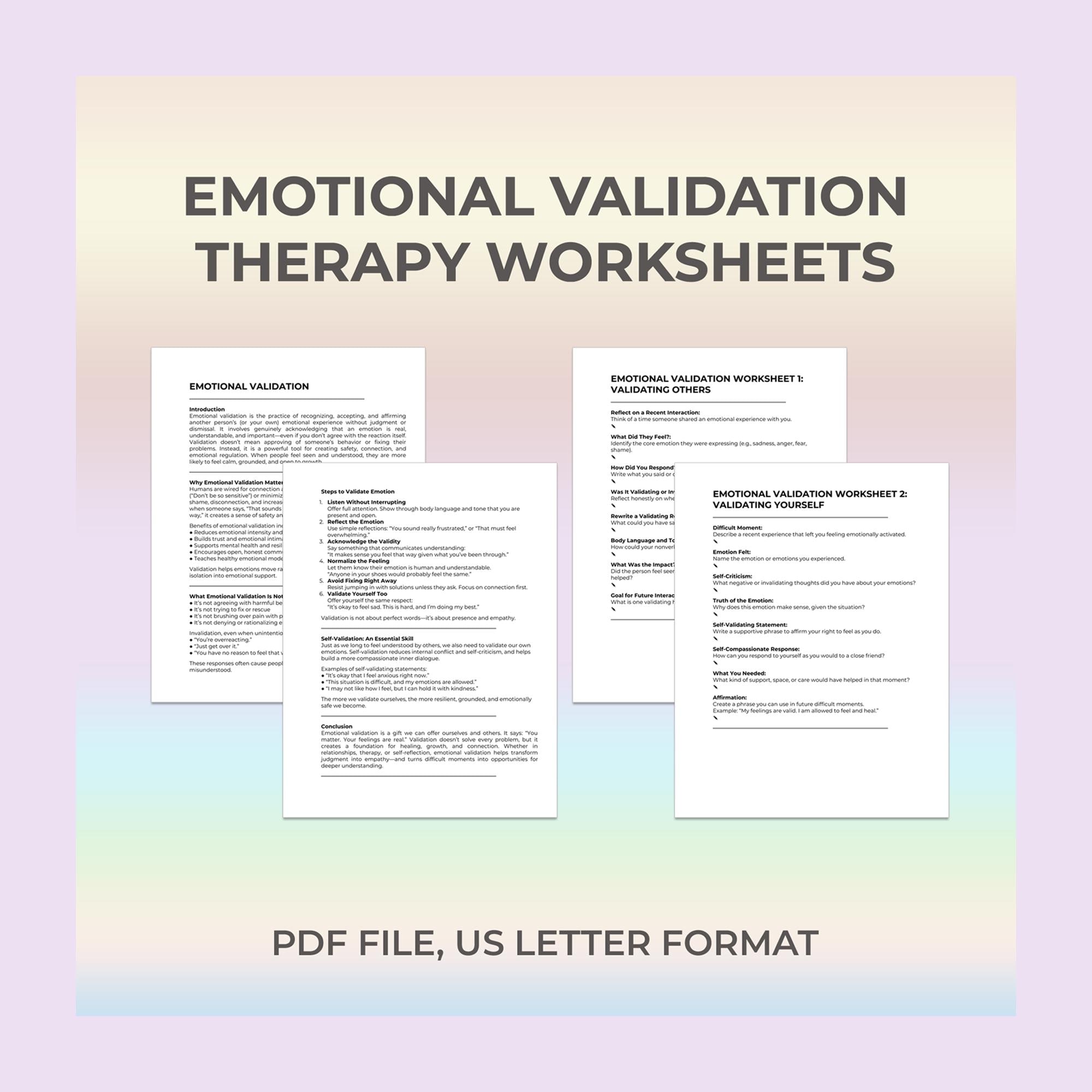
Credit: www.etsy.com
Frequently Asked Questions
What Is The Main Difference Between Affirmation And Validation?
The main difference is that affirmation encourages and supports positive qualities or actions, while validation acknowledges and accepts someone’s feelings or experiences as real and understandable. Affirmation boosts confidence, while validation offers emotional acceptance.
Can You Use Affirmation And Validation Together?
Yes, using both together can be very effective. For example, first validate someone’s feelings (“It’s okay to feel upset”), then offer affirmation (“You are strong enough to get through this”). This combination helps people feel both understood and encouraged.
Why Can Affirmation Sometimes Feel Unhelpful?
Affirmation can feel unhelpful if it is used without validation when someone is upset. If a person feels that their emotions are not accepted or understood, positive statements may feel empty or dismissive.
Is Validation The Same As Agreeing With Someone?
No, validation means accepting that someone’s feelings are real and make sense to them, but it does not mean you agree with their opinions or decisions. You can validate feelings even if you see things differently.
How Can I Practice Validation In Daily Life?
To practice validation, listen carefully, reflect back what you hear, and show understanding without judging or trying to fix things right away. Simple phrases like, “That makes sense,” or “I see why you feel that way,” can help others feel validated.
