

How to Use Daily Affirmations for Lasting Positive Change
How To Use Daily Affirmations
Many people talk about daily affirmations as a way to boost confidence, change habits, or find more happiness. But what exactly are affirmations? How do you use them in your life? And do they really work? This guide will help you understand the basics, show you practical ways to use daily affirmations, and share useful tips for getting the most out of them.
Daily affirmations are not magic words. They are simple, positive statements you repeat to yourself. The goal is to change your thinking, create new habits, and feel better about yourself. Using affirmations can feel strange at first, but with the right methods and mindset, they can become powerful tools for personal growth.
If you are new to affirmations, you might wonder where to start or how to make them a routine. Maybe you have tried before and stopped because it felt awkward or you did not see results. This article will explain how to use daily affirmations step by step, discuss the science behind them, and share examples for different situations.
You will also learn common mistakes and how to avoid them.
What Are Daily Affirmations?
Daily affirmations are short, positive phrases. You repeat them often, usually every day, to help change your thoughts and beliefs. For example, saying "I am confident" or "I can handle challenges" can help you feel stronger and more positive.
The Science Behind Affirmations
Many studies show that self-affirmation can help reduce stress, improve performance, and change negative thinking. When you repeat positive statements, your brain starts to believe them. This process is called neuroplasticity—your brain’s ability to change and adapt. Positive affirmations help build new thought patterns.
One research paper found that people who used affirmations before stressful tasks performed better and felt less anxious. Another study suggested that affirmations can help with low self-esteem and depression. However, affirmations work best when you truly believe in the statements and use them regularly.
Common Types Of Affirmations
- Self-confidence: "I am capable and strong."
- Stress relief: "I am calm and relaxed."
- Motivation: "I am focused and determined."
- Gratitude: "I am grateful for what I have."
- Health: "I make healthy choices every day."
You can create affirmations for almost any area of your life. The key is to make them positive, simple, and present tense.
Why Use Daily Affirmations?
Affirmations can help you in many ways. Here are some benefits:
- Boosting confidence: Repeating positive statements helps you believe in yourself.
- Reducing stress: Affirmations can calm your mind and reduce anxiety.
- Improving focus: They remind you of your goals and keep you motivated.
- Changing habits: Positive phrases can help you break bad habits and build new ones.
- Building resilience: Affirmations prepare you to face challenges.
Many people use affirmations in the morning, before important tasks, or when feeling stressed. The process is simple, but the effects can be powerful if you use them correctly.
How To Create Effective Affirmations
Not all affirmations are equal. Some work better than others. Here’s how to make your affirmations strong and effective:
1. Keep Them Short And Simple
Use easy words and short sentences. For example:
- "I am confident."
- "I am healthy."
- "I am grateful."
2. Use Present Tense
Affirmations should sound like they are true right now, not in the future. Say "I am calm" instead of "I will be calm. "
3. Make Them Positive
Avoid negative words. Say "I make healthy choices" instead of "I don’t eat junk food. "
4. Be Specific
General affirmations work, but specific statements are better. For example:
- "I speak clearly in meetings."
- "I finish my tasks on time."
5. Believe In Your Statement
If your affirmation feels too far from reality, try softer statements like "I am learning to be confident. "
Examples Of Good Affirmations
Here are some examples for different situations:
- For confidence: "I trust myself to make good decisions."
- For stress: "I am calm and at peace."
- For health: "I take care of my body."
- For relationships: "I listen with kindness."
- For work: "I am focused and productive."
How To Use Daily Affirmations Step By Step
Using affirmations is simple, but you need a routine. Here’s a step-by-step guide:
Step 1: Choose Your Affirmations
Pick 3–5 affirmations that fit your goals. Write them down on paper or your phone.
Step 2: Find A Quiet Moment
Best times are in the morning, before bed, or during breaks. Choose a time you can focus.
Step 3: Repeat Your Affirmations
Say each affirmation out loud or in your mind. Repeat 3–5 times for each statement.
Step 4: Visualize The Meaning
Imagine yourself living the affirmation. If your affirmation is "I am confident," picture yourself speaking confidently.
Step 5: Feel The Emotions
Try to feel the positive emotions behind the words. This makes the affirmation stronger.
Step 6: Make It A Habit
Repeat your routine every day. Consistency is key.
Practical Tips
- Write affirmations on sticky notes and place them where you see them often.
- Record your affirmations and listen to them.
- Use a journal to track your progress.
- Join a group or partner to share affirmations.
Common Mistakes And How To Avoid Them
Many beginners make mistakes when starting with affirmations. Here are some common issues and solutions:
Mistake 1: Choosing Unrealistic Statements
If your affirmation feels false, your brain may reject it. Instead, use softer statements:
- "I am learning to be confident."
- "I am becoming healthier."
Mistake 2: Being Inconsistent
Affirmations only work with regular practice. Set reminders and make it part of your daily routine.
Mistake 3: Using Negative Words
Focus on positive phrases. Avoid statements like "I will not fail"—say "I am successful" instead.
Mistake 4: Rushing Through
Take your time. Repeat slowly and with feeling. Quick repetition is less effective.
Mistake 5: Ignoring Emotions
Affirmations work best when you feel the words. Try to connect emotionally.
When And Where To Use Daily Affirmations
Affirmations can fit into many parts of your day. Here are some helpful moments:
- Morning routine: Start your day with positive energy.
- Before stressful tasks: Prepare your mind for challenges.
- During breaks: Refresh your focus.
- Before bed: Relax and end the day positively.
You can use affirmations anywhere—at home, work, or even while traveling. The important thing is to find a moment when you can focus.
Credit: www.boldtuesday.com
Examples Of Daily Affirmations For Different Goals
Below are tailored affirmations for common goals. Choose or modify as needed.
For Self-confidence
- "I believe in myself."
- "I am proud of my achievements."
- "I speak with clarity."
For Stress Reduction
- "I am calm under pressure."
- "I breathe deeply and relax."
- "I let go of worries."
For Health And Fitness
- "I make healthy choices."
- "I am strong and energetic."
- "I enjoy moving my body."
For Success At Work
- "I am productive and focused."
- "I solve problems with ease."
- "I am valued at work."
For Relationships
- "I listen with empathy."
- "I communicate openly."
- "I bring joy to others."
How Affirmations Affect The Brain
Understanding how affirmations work can help you use them better. When you repeat positive statements, your brain starts to create new neural pathways. This is called neuroplasticity.
Impact On Self-talk
Your inner voice affects your feelings and actions. Negative self-talk can lead to stress and low confidence. Positive affirmations help you change your inner voice, which can improve your mood and actions.
Scientific Data
Studies show that regular use of affirmations can lead to:
- Lower stress levels
- Improved self-esteem
- Better performance
One experiment found that people who used affirmations before a test performed better than those who did not. Another study showed that affirmations can help people recover faster from setbacks.
Comparison Table: Affirmations Vs. Negative Self-talk
Here is a simple comparison of the effects:
| Type | Effect on Mood | Effect on Performance | Long-term Impact |
|---|---|---|---|
| Positive Affirmations | Improves mood | Boosts performance | Builds confidence |
| Negative Self-Talk | Lowers mood | Reduces performance | Creates self-doubt |
How Long Does It Take To See Results?
Results from daily affirmations vary. Some people feel better after a few days, while others need weeks. The key is consistency.
Factors Affecting Results
- How often you repeat affirmations
- How much you believe the statements
- Your current mindset
- Your emotional connection
Most people see small changes in mood and confidence within two weeks. Bigger changes, like new habits or major shifts in thinking, can take longer.
Example Timelines
| Time Period | Possible Changes |
|---|---|
| 1–7 days | Improved mood, small boost in confidence |
| 8–21 days | Better self-talk, new habits forming |
| 22–60 days | Stronger beliefs, lasting change |
Choosing The Best Affirmations For Your Needs
Picking the right affirmations is important. Here is a comparison of different types:
| Goal | Example Affirmation | Best Time to Use |
|---|---|---|
| Confidence | "I trust myself." | Morning, before tasks |
| Stress | "I am calm." | During breaks, before bed |
| Health | "I make healthy choices." | Before meals, morning |
| Relationships | "I listen with kindness." | Before meeting people |

Credit: sophiecliff.com
Combining Affirmations With Other Practices
Affirmations work best with other positive habits. Here are ways to combine them:
Meditation
Many people repeat affirmations during meditation. This helps you focus and feel calm. You can sit quietly, close your eyes, and repeat your affirmations.
Journaling
Write your affirmations in a journal. Reflect on how you feel and track your progress. Journaling helps you see changes over time.
Visualization
Imagine yourself living your affirmations. Visualization makes the statements feel real. It can boost the effects of affirmations.
Exercise
Repeat affirmations while walking, running, or stretching. Physical activity helps your mind absorb positive statements.
Example Routine
- Meditate for 5 minutes.
- Repeat your affirmations.
- Write them in a journal.
- Visualize yourself achieving your goals.
- Exercise while repeating affirmations.
This routine takes about 15–20 minutes and can help you feel positive all day.
Affirmations For Special Situations
Sometimes you need affirmations for unique moments. Here are examples:
Before A Job Interview
- "I am prepared and confident."
- "I share my strengths easily."
During Difficult Times
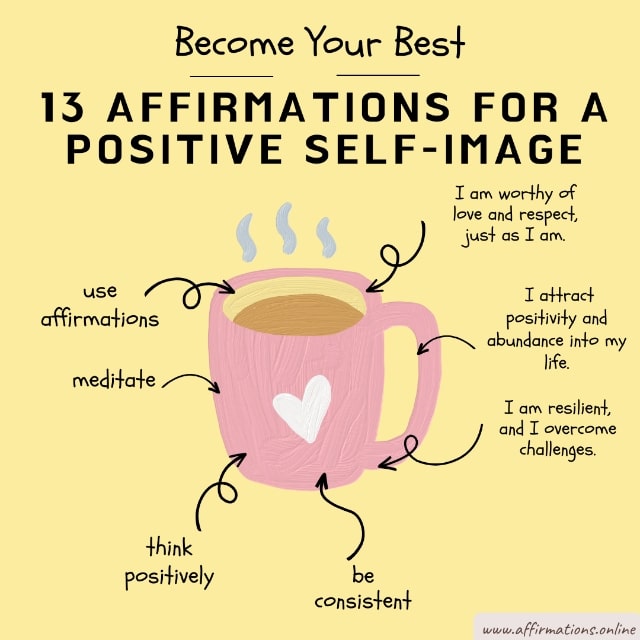
- "I am resilient and strong."
- "I learn from challenges."
For Children
- "I am smart and kind."
- "I make good friends."
For Sports Performance
- "I play with focus."
- "I give my best effort."
For Public Speaking
- "I speak clearly and confidently."
- "My words matter."
Credit: www.affirmations.online
Advanced Tips For Using Daily Affirmations
If you want to take your practice to the next level, try these tips:
1. Record Your Voice
Record yourself saying affirmations. Listen to them during your commute or while relaxing. Hearing your own voice helps reinforce the statements.
2. Use Technology
Apps and reminders can help you stick to your routine. Many apps let you set daily alerts or track progress.
3. Change Affirmations As You Grow
Review and update your affirmations every few weeks. As your goals change, your statements should change too.
4. Share With Others
Discuss your affirmations with a friend or group. Sharing can boost motivation and accountability.
5. Add Affirmations To Your Environment
Put sticky notes on mirrors, desks, or doors. Seeing the words often helps your brain remember them.
6. Combine With Positive Actions
Affirmations work best when you act on them. If your affirmation is "I am healthy," combine it with healthy habits.
Real-life Stories And Examples
Many people use affirmations with success. Here are real-life examples:
Story 1: Overcoming Anxiety
A student felt nervous before exams. She started repeating "I am calm and prepared" every morning. After two weeks, she felt less anxious and performed better on tests.
Story 2: Building Confidence At Work
A manager struggled with self-doubt. He used the affirmation "I am a strong leader" before meetings. Over time, he noticed improved confidence and better teamwork.
Story 3: Improving Health Habits
A woman wanted to eat healthier. She repeated "I make healthy choices" before meals. This helped her avoid junk food and feel better physically.
Non-obvious Insights
- Affirmations can highlight hidden strengths: Sometimes, repeating positive statements helps you notice qualities you didn’t realize you had.
- The process itself builds discipline: Making affirmations a daily habit improves your self-control and routine skills, even before the statements fully sink in.
The Limits Of Daily Affirmations
While affirmations can help, they are not a cure for everything. If you face serious mental health issues, professional help is important. Affirmations are tools to change thinking, not replacements for therapy or medical care.
Some people may not see quick results. It takes time and practice. If you stop or feel frustrated, remember that change is slow. Combine affirmations with other positive habits for best results.
Using Affirmations For Long-term Success
To get lasting benefits, make affirmations part of your daily life. Here are ways to keep your practice strong:
- Change your statements as your goals change.
- Use affirmations with other positive habits.
- Reflect on your progress.
- Share with friends or groups.
Daily affirmations can help you build confidence, reduce stress, and create new habits. The process is simple, but the effects can be powerful if you stick with it.
Frequently Asked Questions
What Are Daily Affirmations?
Daily affirmations are short, positive phrases you repeat to yourself. They help change your thoughts, beliefs, and habits by creating new positive patterns in your mind.
How Do I Make My Own Affirmations?
Start by thinking about your goals or areas you want to improve. Write simple, positive statements in the present tense. For example, "I am confident," or "I make good choices. "
How Many Times Should I Repeat Affirmations?
Most experts suggest repeating each affirmation 3–5 times, once or twice a day. The key is consistency—make it a daily habit.
Can Affirmations Help With Anxiety Or Stress?
Yes, many people use affirmations to reduce anxiety and stress. Statements like "I am calm" or "I handle stress well" can change your mindset and feelings over time.
Do I Need To Believe In My Affirmation For It To Work?
Belief helps, but you can start with softer statements if you feel unsure. For example, "I am learning to be confident. " As you repeat the affirmation, your belief may grow.
Daily affirmations are simple but powerful tools. With regular practice, you can change your thinking, build confidence, and improve your life. If you want more detailed scientific information, visit Wikipedia for further reading.
Remember, the most important step is to start and keep going. Change takes time, but daily affirmations can help you move forward, one positive statement at a time.
