

How to Use Affirmation Cards With Kids for Positive Growth
How To Use Affirmation Cards With Kids
Children are like sponges—they absorb everything around them, including the words, attitudes, and beliefs of the adults in their lives. What children hear and repeat can shape how they see themselves, and influence their confidence, resilience, and emotional health. In a world where kids face pressures from school, social groups, and even social media, helping them build a positive mindset is more important than ever.
One simple but powerful tool for this is affirmation cards. These are small cards with positive statements that children can read, say aloud, and reflect on. Used regularly, they can help kids develop self-belief, manage stress, and approach challenges with courage. But many parents and educators wonder: How do you use affirmation cards with kids so they actually work? What’s the right way to introduce them? How can you make the process fun and meaningful, not just a routine?
This guide will show you everything you need to know about using affirmation cards with kids. You’ll learn the benefits, the best ways to get started, creative ideas for daily use, and practical tips to help children truly believe in themselves.
By the end, you’ll feel confident using affirmation cards to support children’s emotional growth and well-being.
What Are Affirmation Cards?
Affirmation cards are small cards, each with a positive statement or message. The goal is to help children build a healthy mindset by repeating and reflecting on these statements. The affirmations might say things like “I am brave,” “I can try new things,” or “I am loved.”
Some affirmation cards have bright colors, fun illustrations, or themes that appeal to children. Others are simple and minimal. You can buy ready-made sets, make your own, or even print free templates from the internet.
The most important thing is the message: positive, clear, and age-appropriate. For young children, the words should be simple and easy to understand. For older kids, the affirmations can be more specific or cover a wider range of topics, such as friendship, learning, or dealing with mistakes.
Why Use Affirmation Cards With Kids?
Affirmation cards are more than just pretty pieces of paper. Used well, they can have a real impact on how children think, feel, and act. Here are some of the main benefits:
1. Building Self-esteem
Kids who repeat positive statements about themselves start to believe them. This can help them feel more confident and proud of who they are.
2. Encouraging Resilience
Affirmations like “I can keep trying” or “Mistakes help me learn” teach children to see challenges as chances to grow, not reasons to give up.
3. Reducing Negative Self-talk
Children sometimes say things like “I’m not good enough” or “I can’t do this. ” Affirmation cards help replace these thoughts with healthier ones.
4. Supporting Emotional Regulation
By focusing on calm, positive messages, kids can learn to manage big feelings like anger, worry, or sadness.
5. Improving Social Skills
Some affirmations focus on kindness, sharing, or friendship. These can help children build better relationships.
6. Creating Meaningful Routines
Using affirmation cards at the same time each day gives children a sense of stability and safety.
Non-obvious insight: Affirmation cards can also be a gentle way for children to share their feelings. For example, if a child chooses “I am brave,” it might show they need courage for something coming up.
How To Choose Affirmation Cards For Kids
Not all affirmation cards are the same. Choosing the right set is important so that children connect with the messages and want to use them. Here’s what matters most:
Age Appropriateness
Younger children need cards with:
- Simple words (“I am kind”)
- Short sentences
- Clear, bright images
Older children might enjoy:
- Longer affirmations (“I can ask for help when I need it”)
- Messages about friendship, growth, or self-acceptance
- Cards with space for their own ideas
Themes And Interests
Kids are more likely to use cards that match their interests. Look for cards with:
- Animals, nature, or favorite characters
- Topics like school, sports, or family
Letting kids help choose the set can also make them more excited to use the cards.
Quality And Durability
Children often handle cards roughly. Choose cards made of thick paper or laminated so they last longer.
Representation And Diversity
Look for sets that show children of different backgrounds, abilities, and cultures. Every child should see themselves in positive messages.
Customization
Some children love making their own cards. Blank cards or sets with space to write can make affirmations more personal and powerful.
Non-obvious insight: The color and design of cards can change a child’s mood. Bright, cheerful colors can lift spirits, while calming colors can help with relaxation.
How To Introduce Affirmation Cards To Kids
The way you introduce affirmation cards is key to making them a positive experience. Here are some steps to help children feel comfortable and curious:
1. Explain Simply
Tell children that affirmation cards are for saying nice things to themselves. Use words they understand: “These cards help us remember how amazing we are.”
2. Show By Example
Pick a card and read it out loud yourself. Smile, and say how it makes you feel. Children learn by watching adults.
3. Make It A Choice, Not A Chore
Invite kids to try, but don’t force. “Would you like to pick a card today? ” Choice gives children a sense of control.
4. Link To Real Life
Connect the affirmation to something happening in their day. “You chose ‘I am brave’—that’s perfect for your first day at swimming class. ”
5. Create A Calm Environment
Find a quiet, cozy spot. Sit together, free from distractions, so the child can focus.
6. Keep It Fun
Use a playful tone. Let children decorate cards or make up silly voices when reading them.
7. Start Small
Begin with one card a day. As children get comfortable, you can add more.

Credit: omazingkidsllc.com
Creative Ways To Use Affirmation Cards With Kids
Affirmation cards don’t have to be used the same way every day. Here are some creative ideas to keep things fresh and engaging:
Morning Affirmation Ritual
Start the day with positivity. Place a card by the child’s bed or breakfast spot. Ask, “What does today’s card say? ” This can set the mood for the whole day.
Affirmation Jar
Let children pick a card from a jar when they need a boost. This makes affirmations feel like a special surprise.
Affirmation Treasure Hunt
Hide cards around the house or classroom. When kids find one, they read it aloud. This turns affirmations into a fun game.
Drawing And Writing
After reading a card, children can draw a picture or write about what the affirmation means to them. This helps them connect with the message.
Affirmation Buddy
Give each child a stuffed animal or toy that “reads” the cards with them. Kids often open up more when a favorite toy is involved.
Transition Times
Use affirmation cards during transitions, like before school, after homework, or at bedtime. This helps children move calmly from one activity to another.
Group Sharing
In a group or family, let each person pick a card and share how it relates to their day. This builds connection and understanding.
Art Projects
Let children design their own affirmation cards with drawings, stickers, or collage materials. Personal cards feel more meaningful.
Movement And Music
Turn affirmations into songs or dances. For example, clap or jump as you say, “I am strong!” This helps active children express themselves.
Story Time
Make up stories around the affirmations. “Once there was a girl who believed she was kind…” This helps children see themselves as the hero.
Non-obvious insight: Kids often remember affirmations better when they move or sing them, not just say them quietly.
Making Affirmation Cards A Routine
To get the most from affirmation cards, use them regularly but with flexibility. Here’s how to build a healthy routine:
Find The Right Time
Choose a time when the child is relaxed—after waking up, before bed, or during a quiet moment. Consistency helps, but don’t worry if you miss a day.
Keep Sessions Short
Children have short attention spans. A few minutes is enough. Focus on quality, not quantity.
Use Visual Reminders
Put cards where children will see them—on the fridge, mirror, or backpack. This keeps positive messages in sight.
Let Kids Lead
Let children choose the card, the time, or the way they want to use it. When kids are in control, they are more invested.
Reflect And Discuss
Ask gentle questions: “How does this card make you feel?” or “Can you think of a time you were brave/kind/funny?” This helps children apply affirmations to real life.
Celebrate Small Wins
Praise children for trying, not just for getting it “right. ” “I love how you said your affirmation today!”
Be Patient
It takes time for affirmations to feel natural. If a child feels silly or shy at first, that’s okay. Keep the atmosphere light and positive.
Addressing Common Challenges
Using affirmation cards with kids isn’t always smooth. Here are common challenges and how to handle them:
“this Feels Silly!”
Many children (and adults) feel awkward at first. Normalize it: “It’s okay to feel funny. New things take practice.” Share your own feelings and show that everyone can join in.
Resistance Or Refusal
If a child doesn’t want to join, don’t push. Leave the cards out and use them yourself. Kids often join when they see others enjoying the process.
Repeating Without Believing
Sometimes children say the words but don’t feel the message. That’s normal. Over time, hearing and saying positive statements can still help change thinking patterns.
Loss Of Interest
Mix things up with games, art, or group activities. Let children make their own cards or create new routines.
Emotional Triggers
Some affirmations might touch on sensitive areas. If a card makes a child upset, talk gently about it. You can skip that card or rephrase it together.
Non-obvious insight: Sometimes, less is more. Focusing on one meaningful affirmation for a week can be more powerful than rushing through many cards.
Sample Affirmation Cards For Different Ages
Choosing the right words matters. Here are examples of affirmation cards for different age groups:
For Preschoolers (ages 3-5)
- “I am loved.”
- “I can try.”
- “I am a good friend.”
- “I am kind.”
- “I am special.”
For Early Elementary (ages 6-8)
- “I can learn new things.”
- “I am brave even when things are hard.”
- “I can ask for help.”
- “I am important.”
- “I can solve problems.”
For Tweens (ages 9-12)
- “I believe in myself.”
- “I can make good choices.”
- “It’s okay to make mistakes.”
- “I am proud of who I am.”
- “I can stand up for myself.”
For Teens
- “I am enough just as I am.”
- “I have the power to change my story.”
- “I can handle challenges.”
- “I am worthy of respect.”
- “I can create positive change.”
Comparing Affirmation Cards To Other Tools
How do affirmation cards compare to other tools for building confidence and emotional health in kids? Here’s a look:
| Tool | Ease of Use | Engagement Level | Portability | Customizability |
|---|---|---|---|---|
| Affirmation Cards | Very Easy | High | Excellent | High |
| Journaling | Moderate | Medium | Good | High |
| Meditation Apps | Easy | Medium | High | Low |
| Storybooks | Very Easy | High | Medium | Low |
Affirmation cards stand out for their simplicity, flexibility, and ability to engage kids quickly.
Do Affirmation Cards Really Work? (what Science Says)
Some people wonder if saying positive things really makes a difference. There’s growing evidence that affirmations can help children and adults change how they think and feel.
Research shows that positive self-statements can:
- Reduce stress levels
- Boost self-esteem
- Help people recover from failure faster
A study found that children who used affirmations regularly were better able to handle challenges and bounce back from setbacks. The key is repetition and belief. The more often children hear positive messages, the more likely they are to believe and act on them.
But affirmations are not magic. They work best as part of a supportive environment, where adults also model positive thinking and kindness. For more on the science behind affirmations, see this self-affirmation research summary.
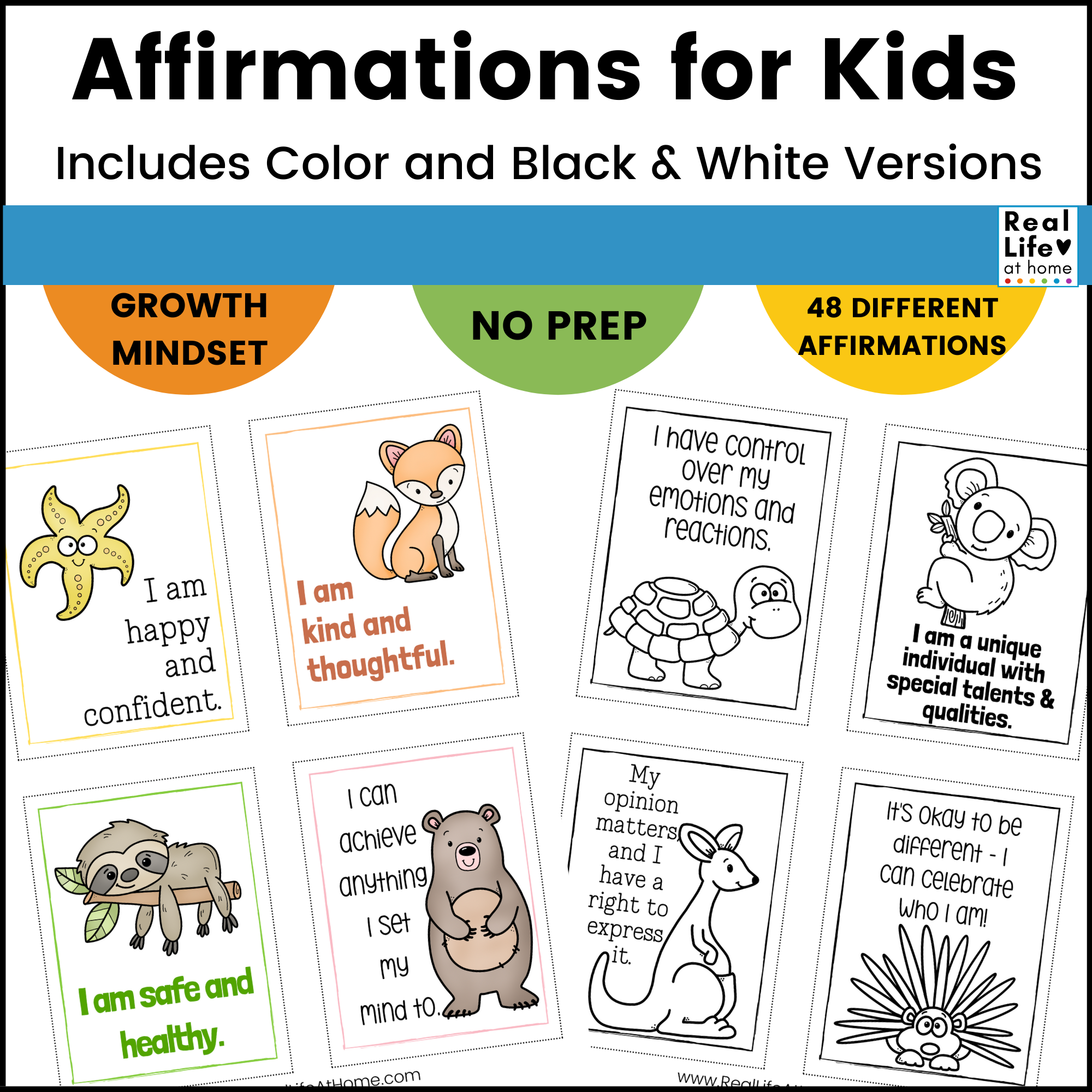
Credit: shop.reallifeathome.com
Practical Tips For Success
Here are expert tips for making affirmation cards work with kids:
- Be consistent. Use cards regularly, but stay flexible.
- Personalize messages. Let kids write or decorate their own cards.
- Model positive self-talk. Say affirmations yourself, out loud.
- Connect with feelings. Ask how the affirmations make your child feel.
- Celebrate effort. Focus on trying, not “perfect” use.
- Keep it light. Laughter and play make affirmations stick.
- Stay patient. Changes may be slow, but small steps add up.
Common Mistakes To Avoid
Even with the best intentions, it’s easy to make mistakes. Watch out for these:
1. Using Adult Language
Kids tune out if the words are too big or abstract.
2. Making It A Chore
Affirmations Should Feel Special, Not Another “task.”
3. Ignoring Feelings
If a child seems upset by a card, talk about it instead of pushing through.
4. Being Inconsistent
Sporadic use makes affirmations less effective.
5. Overwhelming With Too Many Cards
Start simple and build slowly.
Ideas For Home, School, And Therapy
Affirmation cards can be used almost anywhere. Here are practical examples:
At Home
- Place a card in your child’s lunchbox or pocket.
- Read a card together at bedtime.
- Stick cards to the bathroom mirror for a morning boost.
In The Classroom
- Start the day with a “card of the day.”
- Let students choose a card before a test or presentation.
- Use group sharing to build class community.
In Therapy Or Counseling
- Use cards to open up conversations about feelings.
- Let children pick cards that match how they want to feel.
- Combine affirmations with relaxation exercises.
Non-obvious insight: Children who are shy or have speech delays may prefer drawing or pointing to cards instead of reading aloud. Adapt to each child’s comfort level.
Signs Affirmation Cards Are Helping
How can you tell if affirmation cards are making a difference? Look for these signs:
- The child starts using positive phrases on their own.
- They seem more willing to try new things or face challenges.
- There’s less negative self-talk (“I can’t…”).
- The child shares cards with friends or family.
- They ask for their favorite affirmations.
Change can be slow, but these little shifts show that positive messages are taking root.
Diy: Make Your Own Affirmation Cards
Making your own cards can be a fun and meaningful activity. Here’s how:
1. Gather Materials
You’ll need index cards, markers, crayons, stickers, or any art supplies.
2. Brainstorm Affirmations
Ask your child to think of words or phrases that make them feel good.
3. Keep It Short
Write simple, clear statements.
4. Decorate Together
Let kids draw, color, or add stickers.
5. Laminate For Durability
If you want, cover cards with tape or use a laminator.
6. Store In A Special Place
A box, bag, or jar keeps cards safe and easy to find.
DIY cards are unique and can include personal touches, favorite colors, or inside jokes.
Sample Weekly Affirmation Schedule
A simple schedule can help keep affirmation practice regular and fresh:
| Day | Affirmation Theme | Activity |
|---|---|---|
| Monday | Bravery | Draw a time you were brave |
| Tuesday | Kindness | Share a kind act with family |
| Wednesday | Learning | Talk about a mistake you learned from |
| Thursday | Friendship | Send an affirmation to a friend |
| Friday | Gratitude | Say thank you using an affirmation card |
| Saturday | Fun | Create a silly affirmation song |
| Sunday | Family | Pick a card for a family member |
When To Seek Extra Support
Affirmation cards are a great tool, but they are not a replacement for professional help. If your child:
- Shows ongoing sadness, worry, or anger
- Has trouble sleeping or eating
- Talks often about feeling worthless
It’s important to talk to a counselor, teacher, or health professional. Affirmations can be part of a bigger support plan.
Frequently Asked Questions
What Age Can Children Start Using Affirmation Cards?
Children as young as three can use simple affirmation cards, especially if the cards have clear pictures and short phrases. Older children and teens can use more complex messages. Adjust the language and activity to fit your child’s age and development.
How Often Should Kids Use Affirmation Cards?
There’s no perfect number, but using cards once a day is a good start. The key is consistency. Some families use them in the morning, others at bedtime. Let your child help decide what works best.
Can Affirmation Cards Help With Anxiety Or Stress?
Yes, affirmation cards can help children manage anxiety or stress by encouraging positive thinking and self-soothing. However, they are just one tool. For severe anxiety, talk to a professional for extra support.
Should I Make My Own Cards Or Buy Them?
Both options work well. Bought cards are convenient and often beautifully designed, while homemade cards can be more personal and meaningful. Some families use a mix of both.
What If My Child Doesn’t Believe The Affirmations?
It’s normal for children to doubt new messages at first. Keep using the cards gently and connect them to real-life examples. Over time, repeated positive statements can help shift beliefs.
Helping children grow strong, confident, and kind starts with the words they hear and say every day. Affirmation cards are a small but mighty tool—simple to use, powerful in effect, and easy to make part of your daily life. With a little creativity, patience, and love, you can give children the gift of positive self-talk that lasts a lifetime.
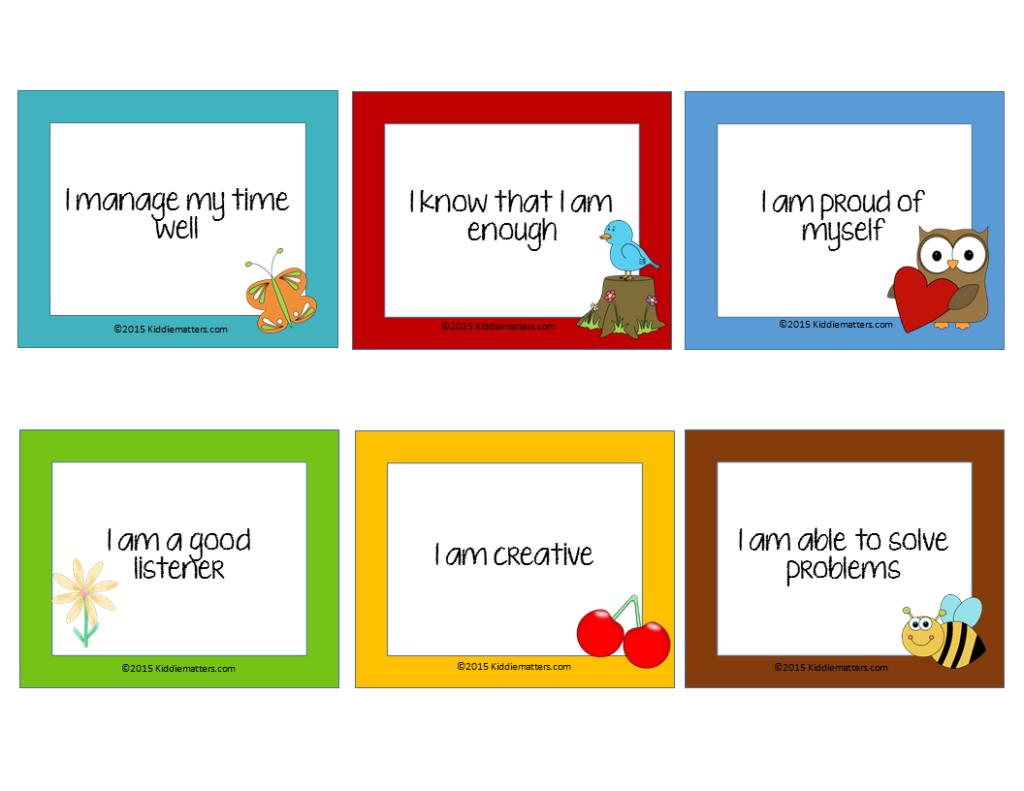
Credit: www.kiddiematters.com
