

How to Stop Needing Affirmation: Build Unshakable Self-Confidence
Many people, at some stage in their lives, find themselves constantly seeking approval from others. This need for affirmation can show up in different ways—double-checking decisions with friends, feeling anxious about social media likes, or hesitating to speak up in meetings.
While it’s natural to appreciate encouragement, depending too much on external validation can hurt self-confidence and limit personal growth. If you want to live more freely, it helps to know how to stop needing affirmation from others.
Let’s explore practical ways to break this habit, understand why it happens, and discover how to build a stronger sense of self-worth that doesn’t rely on outside opinions. Along the way, you’ll find insights that go deeper than common advice, giving you real tools for lasting change.
Understanding The Need For Affirmation
Before you can change a behavior, it helps to know where it comes from. The need for affirmation often starts early in life. As children, we rely on parents and teachers for praise and support. Over time, if we do not learn to trust our own judgment, we might carry this habit into adulthood.
Some people are more prone to seeking affirmation due to their upbringing, personality, or past experiences. For example, someone who rarely received positive feedback as a child may crave it more as an adult. Others may look for affirmation to reduce anxiety or feel accepted in a group.
Culture can also play a role. In some societies, group harmony and approval are highly valued. This can make individuals feel pressure to seek affirmation even when it goes against their personal needs or beliefs. For example, a person raised in a family where achievements were always compared to others might develop a habit of seeking approval before trusting their own choices.
But when validation-seeking becomes automatic, it can lead to problems:
- Making decisions based on what others want, not what you value
- Feeling anxious if you don’t get praise or positive feedback
- Struggling to trust your own choices
- Becoming dependent on social media likes or comments
- Losing touch with your real self
One detail many people miss: the need for affirmation can sometimes hide behind perfectionism. If you always try to do everything perfectly, you may actually be seeking approval to avoid criticism. This pattern can make it harder to break free from validation-seeking.
Understanding these roots is the first step to change. Once you know why you seek affirmation, you can begin to shift your focus inward.
The Downsides Of Needing Constant Affirmation
While affirmation feels good in the moment, depending on it too much has hidden costs. These effects are not always obvious at first, but they can shape your life over time.
| Effect | Explanation | Long-Term Impact |
|---|---|---|
| Low Self-Esteem | Self-worth depends on others’ opinions. | Difficulty making decisions and trusting oneself. |
| Anxiety | Worry about what others think or say. | Stress, social discomfort, avoidance of risks. |
| Lack of Authenticity | Acting in ways to please others, not oneself. | Loss of personal identity and satisfaction. |
| Stunted Growth | Avoiding mistakes to avoid criticism. | Less learning, fewer achievements. |
Two insights that surprise many beginners:
- Needing affirmation can make you avoid taking on challenges, not just because of fear of failure, but because you fear losing approval if you succeed and outshine others. This often leads people to limit their own progress so they don’t make others feel uncomfortable.
- Over time, constantly seeking affirmation can make you more sensitive to criticism—even small feedback feels bigger, because your self-worth is tied to others’ words. This can result in overreacting to negative comments or becoming defensive during conversations.
Another less obvious impact: relationships may become strained. Friends, partners, or coworkers may feel pressured to give constant reassurance, which can lead to frustration or emotional distance. When you rely on others for your confidence, you may unintentionally create stress in your relationships.
Credit: www.etsy.com
Building Self-validation: The Core Solution
The opposite of needing affirmation is learning to validate yourself. Self-validation means you recognize your feelings, thoughts, and successes—without needing someone else to say you’re right or good enough.
Here are the key steps to build self-validation:
1. Notice Your Triggers
Pay attention to times when you want affirmation. Is it after making a decision? Posting on social media? Meeting someone new? Write these moments down for a week. This awareness is the first step to change.
A practical tip: Use your phone or a small notebook to record these moments. For example, note “Felt unsure after sending work email—wanted boss to say it was good.” This helps you see patterns and understand what situations make you seek validation.
2. Pause Before You Ask
The next time you want to ask someone for reassurance, pause for a few seconds. Ask yourself: “What am I hoping they’ll say?” This simple pause helps you see the pattern and opens the door to change.
If you feel strong anxiety during this pause, try breathing deeply three times. This calms your mind and gives you space to decide if you really need outside feedback.
3. Affirm Yourself First
Before seeking outside praise, try giving yourself positive feedback. For example, if you finish a task, say, “I did a good job on that,” or “I’m proud I finished, even if it’s not perfect. ” At first, this may feel awkward, but with practice, it becomes natural.
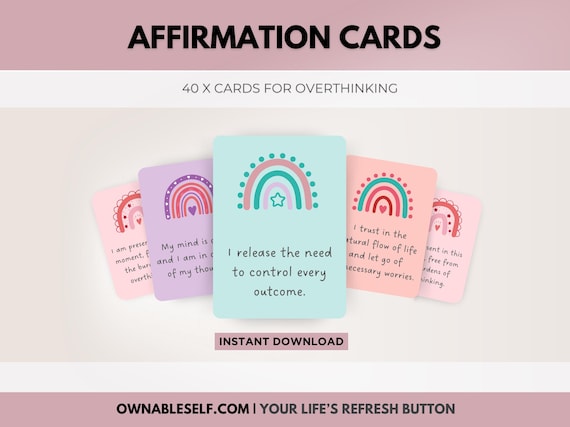
Another helpful method is to write your own affirmations. Examples include: “I am capable of handling challenges,” or “My opinion matters.” Place these notes where you see them daily, like on your mirror or desk.
4. Accept Imperfection
No one gets everything right. Remind yourself that making mistakes is normal and part of growth. Self-validation means you accept both your strengths and weaknesses.
Sometimes, people believe they need to be perfect to earn approval. Breaking this belief is key. Try reminding yourself, “Mistakes help me learn and grow—they’re not a sign of failure. ”
5. Celebrate Small Wins
Don’t wait for big achievements. Notice and celebrate small steps—finishing a workout, speaking up in a meeting, or handling a tough emotion without outside help.
One practical approach is to make a habit of rewarding yourself. For instance, treat yourself to your favorite snack or take a relaxing walk after completing something you’re proud of. These small celebrations reinforce self-validation.
Practical Strategies To Stop Needing Affirmation
Overcoming the need for affirmation is not about ignoring others or never enjoying praise. It’s about finding balance and growing stronger inside. Here are practical strategies you can use:
1. Set Personal Goals
Focus on goals that matter to you, not what others think you should do. Write them down and track your progress. When you meet your own standards, you will depend less on outside praise.
For example, if you enjoy painting, set a goal to finish one painting per month, regardless of how many likes or comments you get.
2. Practice Mindfulness
Mindfulness means paying attention to the present moment without judgment. When you notice yourself craving affirmation, pause and observe your thoughts and feelings. This helps you respond, not react.
Try simple mindfulness exercises: sit quietly, focus on your breathing, and notice any thoughts about needing approval. Let them pass without judging yourself.
3. Keep A Success Journal
Write down things you do well, no matter how small. Over time, you’ll build evidence of your abilities and become less reliant on others to remind you.
Include not just achievements, but moments where you handled challenges well or made decisions independently. Review these entries when you feel unsure.
4. Limit Social Media Exposure
Social media can make the need for affirmation worse, since likes and comments are forms of instant feedback. Try taking breaks or setting time limits. Notice how you feel when you spend less time online.
For example, set a rule to check social media only twice a day or use apps that block access during certain hours.
5. Seek Growth, Not Approval
Shift your focus from being liked to learning and growing. Ask yourself, “What can I learn from this? ” instead of “Will people like this? ”
Try new activities or take risks that help you grow, even if they might not be popular with others.
6. Develop Assertiveness
Assertiveness means expressing your needs and opinions honestly while respecting others. Practice saying what you think, even if it’s different from the group. This strengthens your sense of self.
Start small, like stating your preference for dinner or sharing your thoughts in a group discussion.
7. Build Supportive Relationships
Surround yourself with people who respect you for who you are, not just what you achieve. Supportive friends and mentors can encourage self-validation, not just give empty praise.
Notice how you feel after spending time with different people. Choose to invest more in relationships that support your growth and independence.
8. Learn To Handle Criticism
Criticism is a part of life. Instead of avoiding it, practice listening with an open mind. Decide what is useful and let go of what is not. Remember, one person’s opinion does not define you.
An extra tip: Ask clarifying questions if criticism feels unclear. For example, “Can you explain what you mean?” This shows confidence and helps you learn.
9. Practice Self-compassion
Be kind to yourself when you struggle. Treat yourself as you would a good friend—with understanding, patience, and encouragement.
If you make a mistake, say to yourself, “It’s okay. Everyone has tough days. I can learn from this. ”
10. Take Responsibility For Your Happiness
Others can encourage you, but you are responsible for your own happiness. Focus on actions that bring you joy, not just approval.
This could mean pursuing hobbies, spending time in nature, or learning new skills—whatever makes you feel fulfilled.

Credit: www.thecrimson.com
Comparing Self-validation And External Affirmation
It’s useful to see the differences between self-validation and external affirmation side by side.
| Self-Validation | External Affirmation |
|---|---|
| Comes from within | Comes from others |
| Consistent and stable | Can change based on others’ moods |
| Builds long-term confidence | Gives short-term comfort |
| Focuses on personal values | Focuses on fitting in |
| Helps personal growth | Can limit growth if relied on too much |
An extra insight: Self-validation can help you make better decisions, since you’re not swayed by changing opinions or trends. You become more resilient, able to handle setbacks and criticism without losing confidence.
This comparison shows why building self-validation is a better foundation for happiness and success.
Common Mistakes When Trying To Stop Needing Affirmation
Changing habits is not easy, and people sometimes make mistakes when trying to stop seeking affirmation. Knowing these can help you avoid them:
- Trying to go cold turkey – Suddenly refusing all feedback can backfire. Instead, reduce your need for affirmation step by step.
- Confusing self-validation with arrogance – Self-validation is not about ignoring others. It’s about balancing your own opinion with outside input.
- Expecting instant results – Building self-worth takes time. Be patient with yourself.
- Judging yourself for wanting affirmation – It’s normal to like praise sometimes. The goal is not to eliminate it, but not to depend on it.
- Seeking affirmation for not needing affirmation – Sometimes, people want others to notice their independence. This is just another form of seeking approval.
Some people also make the mistake of withdrawing socially, thinking they must avoid all feedback. Balance is key. Healthy relationships include both support and honest input.

Credit: www.amazon.com
Real-life Examples: Breaking The Cycle
Hearing how others changed can make it easier to believe you can too. Here are three short examples:
- Sarah, a designer, always asked her boss for feedback. She noticed she felt anxious if she didn’t get praise. She started keeping a journal of her successful projects. After a few months, she felt more confident and needed less reassurance at work.
- Omar used to post on social media every day, checking likes constantly. He tried a one-week break and noticed he felt less stressed. He now posts less often and focuses more on real-life connections.
- Lina avoided speaking up in meetings, afraid of looking foolish. She practiced saying one thing per meeting, no matter what. Over time, she noticed people respected her more, and she trusted her own ideas.
If you’re starting this journey, remember that small changes can lead to big results. Try one new habit at a time, and notice how your confidence grows.
When To Seek Professional Help
Most people can reduce their need for affirmation with self-help steps. But sometimes, this habit is deeply rooted and hard to change alone. If you feel stuck, anxious, or your relationships suffer, talking to a counselor or therapist can help.
A mental health professional can help you:
- Explore the roots of your need for affirmation
- Practice new skills in a safe space
- Address underlying issues like anxiety or low self-esteem
In some cases, therapy can reveal patterns from childhood or past trauma that make affirmation-seeking stronger. Support from a professional can help you break these cycles.
You don’t have to do it all alone. Getting help is a sign of strength, not weakness.
The Role Of Self-talk
How you talk to yourself matters. Many people who seek affirmation have a harsh inner voice. Learning to use positive, realistic self-talk can make a big difference.
Try these steps:
- Notice negative self-talk – Are you telling yourself things like “I’m not good enough” or “I need someone to say I did well”?
- Challenge those thoughts – Ask, “Is this really true? What evidence do I have?”
- Replace with balanced thoughts – For example, “I’m learning and growing. I can trust my judgment.”
Another tip: Practice saying positive phrases out loud. Hearing your own voice affirm your abilities can make these ideas feel more real.
Over time, your inner voice can become your best supporter.
Building Long-term Confidence
Confidence that lasts is built day by day, not overnight. Here are ways to grow real, lasting confidence that doesn’t rely on others:
- Learn new skills – Each time you master something new, your belief in yourself grows. Try activities that stretch you outside your comfort zone.
- Set and meet small goals – Completing tasks, even simple ones, builds trust in yourself. For example, aim to cook a new recipe or finish a book.
- Keep promises to yourself – When you do what you say you’ll do, your self-respect grows. If you promise to exercise three times a week, follow through.
- Reflect on your values – What matters most to you? Making choices based on your values, not others’ opinions, brings deep satisfaction.
A study from the Psychology Today shows that people who base their self-esteem on internal values and goals experience less anxiety and depression compared to those who rely on outside praise.
Another insight: Long-term confidence is built by facing discomfort. When you take risks or try new things, you learn to trust your abilities, even when others don’t approve.
How To Maintain Progress
After you start building self-validation, it’s important to keep going. Here are ways to stay on track:
- Review your progress regularly – Look back at your journal or notes to see how far you’ve come. Celebrate your growth, even if it’s slow.
- Keep learning – Read books, listen to podcasts, or attend workshops on self-esteem and personal growth.
- Ask for feedback, not affirmation – It’s fine to ask others for input, but focus on learning, not just praise.
- Celebrate your independence – Notice when you make decisions without needing others’ approval. Reward yourself for trusting your judgment.
- Stay patient – Some days will be harder than others. Be gentle with yourself and keep moving forward.
If you slip back into old habits, don’t judge yourself. Change takes time. Use setbacks as lessons and remind yourself of your progress.
Frequently Asked Questions
What Is The Difference Between Affirmation And Validation?
Affirmation is when someone tells you something positive, like “You did a great job!” Validation is when you or someone else recognizes your feelings or experiences as real and important. Self-validation means you accept yourself, even without outside praise.
Is It Wrong To Want Affirmation From Others?
No, it’s natural to enjoy affirmation. The problem comes when you need it to feel good about yourself. The goal is to appreciate affirmation but not depend on it.
How Long Does It Take To Stop Needing Affirmation?
It depends on your background and habits. Some people notice changes in a few weeks, while others take longer. The key is steady practice and patience.
Can I Still Ask For Feedback If I’m Trying To Stop Needing Affirmation?
Yes. Asking for feedback helps you learn and grow. The difference is focusing on learning, not just seeking praise. Try to see feedback as information, not a measure of your worth.
What If People Think I’m Arrogant For Validating Myself?
Self-validation is not arrogance. It means you value your own opinion while staying open to others. True confidence is quiet and respects both yourself and others.
---
Breaking the need for constant affirmation is a journey worth taking. By building self-validation, practicing new skills, and being kind to yourself, you can live with more freedom and confidence. Over time, you’ll find joy in who you are—not just in what others say about you.
This change doesn’t happen overnight, but with steady effort, the rewards are real and lasting.
