

How to Make Positive Affirmations Really Work for You Today
How To Make Positive Affirmations Really Work For You
If you have ever tried repeating positive phrases to yourself—like “I am confident,” or “I attract success”—but didn’t see much change, you are not alone. Many people hear about positive affirmations and expect quick results. But often, nothing happens. The truth is, affirmations can be powerful tools for changing your mindset and life, but only if you use them in the right way. It’s not just about saying nice words; it’s about how you say them, when, and what you believe about them. This guide will show you how to make positive affirmations really work for you, with practical steps, science-backed insights, and examples you can use today.
What Are Positive Affirmations?
Positive affirmations are short, powerful statements that you repeat to yourself to encourage a positive attitude, change negative thought patterns, or achieve goals. They are usually phrased in the present tense, as if the desired outcome is already true. For example, “I am calm and focused” instead of “I will be calm someday.”
Affirmations can help rewire your brain’s thinking patterns. When you say an affirmation often, your mind starts to accept it as reality. This is known as self-affirmation theory, which shows that repeating positive statements can reduce stress, improve performance, and increase motivation.
But affirmations are not magic spells. If you do not believe in what you are saying, or repeat them without emotion or purpose, they often don’t work. The key is using affirmations with intention and understanding.
Why Do Some Affirmations Fail?
Many people try affirmations and feel frustrated when they don’t see results. This happens for a few main reasons:
- Lack of belief: If your affirmation feels untrue or unrealistic, your subconscious mind resists it. For example, saying “I am a millionaire” when you are struggling financially can create inner conflict.
- No emotional connection: Repeating words without feeling does not create change. You need to feel the affirmation as if it is already true.
- Vague or unclear statements: General affirmations like “I am happy” are less effective than specific ones, such as “I handle stress calmly at work.”
- Inconsistent practice: Affirmations need regular repetition to make an impact. Doing them once or twice is not enough.
- Neglecting action: Affirmations alone don’t replace real effort. They work best when combined with action toward your goals.
An often-missed insight is that affirmations can backfire if they remind you of what you lack. For example, if you are very anxious, saying “I am calm” might make you focus more on your anxiety. That’s why it’s important to choose statements that feel possible and encouraging.
The Science Behind Affirmations
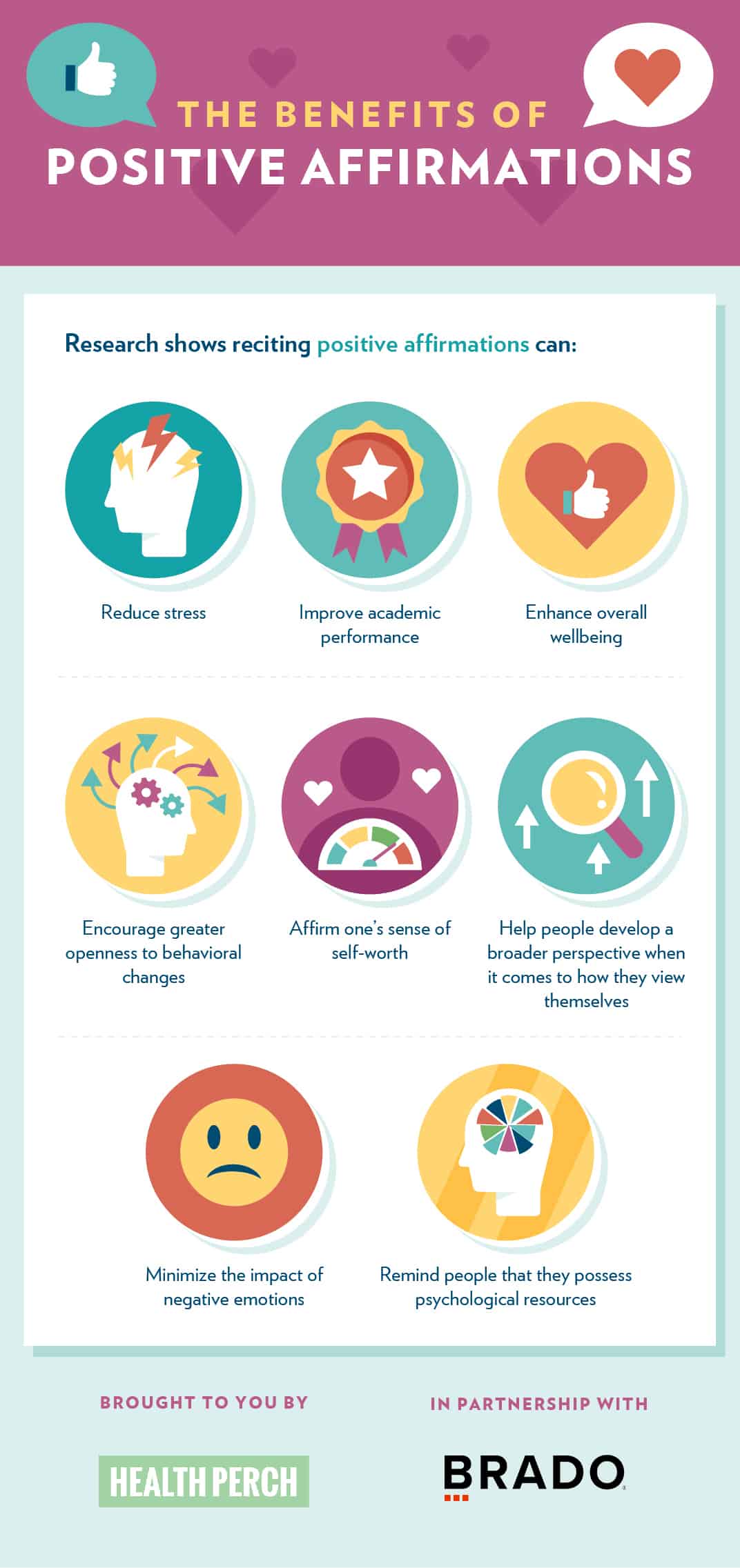
Affirmations are not just wishful thinking—they have roots in psychology and neuroscience. Research shows that positive affirmations can:
- Reduce stress: Self-affirmation can lower stress responses in challenging situations.
- Boost self-esteem: Regular use can improve confidence and self-worth.
- Change brain patterns: Studies using MRI scans show that affirmations activate brain regions involved in self-processing and reward.
A practical example: a study found that students who wrote self-affirmations before a test performed better and felt less stressed. The effect is not only mental; it can change how you behave and respond to challenges.
However, the science also shows that affirmations work best when they are realistic and fit your current self-image. Exaggerated or false statements can actually increase anxiety or make you feel worse. That’s why personalizing your affirmations is essential.
How To Craft Powerful Affirmations
Creating effective affirmations is more than picking a nice phrase. Here’s how to make them truly work for you:
1. Use Present Tense
Always write affirmations as if the change has already happened. For example, say “I am healthy and energetic,” not “I will be healthy. ”
2. Make Them Positive
Focus on what you want, not what you want to avoid. Instead of “I am not stressed,” say “I am relaxed and at peace. ”
3. Keep Them Specific
Vague affirmations are less motivating. Be clear about the change you want. For example, “I speak confidently in meetings” is better than “I am confident. ”
4. Keep Them Short And Simple
Short statements are easier to remember and repeat. Long, complicated phrases are harder for your mind to absorb.
5. Add Emotion
Include feeling words if possible, like “I feel grateful for my success. ” This helps connect the statement to your emotions.
6. Make Them Believable
Choose affirmations that stretch you but still feel possible. If “I am a millionaire” feels fake, try “I am improving my financial situation every day. ”
7. Personalize Them
Use words and phrases that fit your life. Your affirmation should feel like it’s really for you, not copied from someone else.
Examples Of Powerful Affirmations
- “I am becoming more confident every day.”
- “I handle challenges with calm and focus.”
- “I am worthy of love and respect.”
- “I am grateful for all the good in my life.”
- “I trust myself to make good decisions.”
When And How To Practice Affirmations
For affirmations to work, you need to practice them regularly and with attention. Here are practical ways to build affirmations into your life:
Morning And Night
The best times for affirmations are when you wake up and before you sleep. Your mind is more open and relaxed during these times, which helps the affirmations sink in.
In Front Of A Mirror
Saying your affirmations while looking at yourself in the mirror can increase their impact. This creates a stronger emotional connection.
Write Them Down
Writing affirmations by hand makes them more memorable. You can keep a journal or write them on sticky notes where you’ll see them.
Use Reminders
Set phone alarms or use apps that remind you to practice your affirmations during the day.
Speak With Emotion
Don’t just repeat the words—feel them. Imagine the statement is already true and experience the emotion it brings.
Combine With Deep Breathing
Taking slow, deep breaths while repeating affirmations helps your mind relax and accept the message.
Create A Ritual
Make affirmation practice a regular part of your routine—like during your morning coffee or before an important task.
The Role Of Visualization
A powerful way to boost affirmations is by adding visualization. This means imagining, as clearly as you can, what your life looks like when your affirmation is true. For example, if your affirmation is “I am confident in meetings,” close your eyes and picture yourself speaking clearly and feeling calm in a meeting.
Visualization helps your brain create new pathways, making the affirmation feel more real. It activates the same brain regions as actually doing the activity. Combining visual images with words makes your practice much stronger.

Credit: www.selfloverainbow.com
Combining Affirmations With Action
Positive thinking is important, but affirmations alone won’t change your life. You need to take real steps toward your goals. Affirmations help by changing your mindset and boosting motivation, but action makes the results real.
For example, if your affirmation is “I am a healthy eater,” you can:
- Plan healthy meals for the week
- Keep healthy snacks at hand
- Learn new recipes
When you take action, your mind starts to believe the affirmation more. Each small step builds confidence and makes the affirmation feel true.
How Long Does It Take For Affirmations To Work?
One of the most common questions is how long it takes to see results. The answer depends on:
- How often you practice
- How much you believe the affirmation
- How much action you take
Some people notice a change in days, others take weeks or months. The key is consistency. Repetition builds new thought patterns, just like practicing a skill. Most experts suggest repeating affirmations for at least 21 to 30 days to see real effects, but keep going as long as you need.
It’s important to watch for small changes, not just big results. You might notice you feel calmer, make better choices, or react differently to stress. These are signs your affirmations are working.
Common Mistakes And How To Fix Them
Many people give up on affirmations because of common mistakes. Here’s how to avoid them:
1. Being Too Unrealistic
Affirmations that feel impossible can create more doubt. Start with statements that feel believable and gradually make them bigger.
2. Using Negative Words
Avoid words like “don’t,” “won’t,” or “can’t. ” Focus on what you want, not what you fear.
3. Forgetting To Practice
Set reminders or link affirmations to a daily habit to make them automatic.
4. Repeating Without Emotion
Feel the words as you say them. Imagine how your life changes.
5. Not Taking Action
Affirmations support change, but effort makes it happen. Set small goals to match your affirmations.
Measuring Your Progress
It’s easy to lose motivation if you don’t see progress. Here’s how to track your growth:
- Keep a journal of your affirmations and note any changes in your feelings or behavior.
- Ask yourself weekly: Do I feel different? Am I acting differently?
- Ask a close friend if they notice changes in you.
- Celebrate small wins, like handling stress better or speaking up more.
Measuring progress helps you stay motivated and adjust your affirmations if needed.
Examples For Different Life Areas
Here are sample affirmations for common goals. Feel free to adjust them to fit your needs.
Confidence
- “I trust myself to handle new situations.”
- “I speak clearly and with confidence.”
Success
- “I am open to new opportunities for growth.”
- “I am dedicated and achieve my goals.”
Health
- “I care for my body and mind every day.”
- “I make healthy choices easily.”
Relationships
- “I am a loving and supportive friend.”
- “I attract positive people into my life.”
Stress Relief
- “I am calm and relaxed, no matter the situation.”
- “I let go of what I cannot control.”
Comparing Affirmation Types
Different affirmation styles work for different people. Here’s a comparison to help you choose:
| Affirmation Type | Example | Best For | Possible Drawback |
|---|---|---|---|
| Direct Positive | I am confident | Boosting self-esteem quickly | Feels fake if self-doubt is high |
| Growth-Based | I am becoming more confident | People with doubts or fears | Slower results, but more believable |
| Process-Focused | I handle challenges calmly | Improving skills or habits | Less focus on end result |
Credit: www.northwestpharmacy.com
Affirmations Vs. Other Self-help Tools
People often wonder how affirmations compare to other methods like meditation, journaling, or goal-setting. Here’s a quick overview:
| Tool | Main Benefit | How It Works | Best Use |
|---|---|---|---|
| Affirmations | Change thought patterns | Repeat positive statements | Shifting mindset |
| Meditation | Reduce stress | Focus on breathing or presence | Relaxation, awareness |
| Journaling | Clarify thoughts | Write feelings or goals | Self-reflection |
| Goal-Setting | Achieve results | Set and track actions | Reaching objectives |
Combining affirmations with other tools can multiply their power. For example, write your affirmations in your journal or repeat them after meditation for a stronger effect.
Non-obvious Insights For Success
- Context matters: Affirmations work best when you say them in situations connected to your goal. For example, repeat “I am calm and prepared” right before a presentation.
- Change your environment: Place written affirmations where you see them—on your desk, bathroom mirror, or phone wallpaper. This creates constant reminders and helps your mind accept new beliefs.
- Adjust affirmations as you grow: As you notice progress, update your statements to match your new self-image. This keeps them fresh and motivating.

Credit: www.wondermind.com
What To Do When Affirmations Don’t Seem To Work
If you don’t see results, don’t give up. Try these steps:
- Check if your affirmation feels believable. If not, adjust it.
- Add emotion and visualization to your practice.
- Increase how often you repeat them.
- Combine affirmations with small actions toward your goal.
- Ask for feedback from someone you trust.
Sometimes, deeper issues like trauma or negative beliefs need extra support, such as counseling. Affirmations are one tool, not a complete solution.
Real-life Stories And Examples
Hearing how others use affirmations can be inspiring. Here are some real-life examples:
Maria, a student, felt nervous speaking in class. She started using the affirmation, “I share my ideas with confidence.” At first, it felt awkward. But after two weeks of repeating it every morning and before class, she noticed she raised her hand more often and felt less anxious.
Jamal wanted to lose weight but struggled with motivation. He created the affirmation, “I make healthy choices each day.” He wrote it on a sticky note on his fridge and said it before meals. Combined with planning meals ahead, he found it easier to avoid junk food and lost several pounds over two months.
Leah, a manager, used “I am calm under pressure” during a busy period at work. She repeated it during her commute and before meetings. Over time, her team noticed she handled stress better and made clearer decisions.
Cautions And Limitations
Affirmations are a helpful tool, but they are not a cure-all. If you have serious mental health challenges, such as depression or anxiety, affirmations alone are not enough. They can support other treatments, but should not replace professional help.
Also, be patient. Changing your mindset takes time. Avoid blaming yourself if progress is slow. The key is to keep going and adjust your approach as needed.
Resources For Deepening Your Practice
If you want to learn more or find new affirmations, here are some helpful resources:
- Books on positive psychology and self-development
- Apps for daily affirmations and reminders
- Guided affirmation audio tracks online
- Support groups or workshops
For more scientific information, you can visit Wikipedia’s self-affirmation page.
Frequently Asked Questions
What If I Don’t Believe My Affirmation?
If your affirmation feels impossible, make it smaller or add words like “I am learning to” or “I am becoming. ” For example, “I am learning to be confident” feels more believable than “I am always confident. ” As your belief grows, you can make the affirmation stronger.
How Many Affirmations Should I Use At Once?
It’s best to start with 1–3 affirmations. Focusing on too many at once can feel overwhelming and less effective. Pick the most important areas of your life to improve, and practice those affirmations daily.
Do I Have To Say Affirmations Out Loud?
You can say them silently in your mind, write them, or repeat them out loud. Speaking affirmations out loud often has a stronger effect because it involves your voice and hearing, but choose what feels comfortable and fits your routine.
How Can I Make Affirmations A Habit?
Link your affirmation practice to an existing habit, like brushing your teeth, making coffee, or starting your workday. Set reminders on your phone or leave notes where you will see them. Consistency is more important than the exact time or place.
Can Affirmations Help With Anxiety Or Stress?
Yes, affirmations like “I am safe and calm” or “I handle stress with ease” can help reduce anxiety. They work best when combined with deep breathing, relaxation techniques, and healthy lifestyle habits. For severe anxiety, affirmations should support—not replace—professional help.
Crafting and using positive affirmations is about more than just saying words. It’s a practice that, when done with intention and belief, can shift your thinking and help you build the life you want. Start small, stay consistent, and adjust your approach as you grow.
With time and effort, you’ll see real changes in your mindset and actions.
