

How to Affirmations Help Boost Confidence and Success
How To Affirmations Help
Sometimes, life feels difficult. Negative thoughts can fill your mind and make things harder. But what if you had a simple tool to change those thoughts and improve how you feel about yourself? That’s where affirmations come in. Many people use affirmations every day to build confidence, reduce stress, and reach their goals. But how do affirmations actually help? Are they just positive words, or is there real science behind them? Let’s explore how affirmations work, why they matter, and how you can use them in your own life.
What Are Affirmations?
Affirmations are short, positive statements you say to yourself. They can be about who you are, what you want, or how you want to feel. For example, “I am strong,” or “I can handle challenges.” The key is to repeat these statements often. Over time, your mind starts to believe them.
Affirmations are not just random phrases. They are carefully chosen to support your goals and change negative thought patterns. When you use them regularly, they can reshape how you see yourself and the world.
The Science Behind Affirmations
You might wonder if affirmations really work or if they are just wishful thinking. Many studies show that affirmations can make a real difference in your mind and behavior.
How Affirmations Affect The Brain
When you say an affirmation, your brain is forced to focus on the positive idea. The brain has something called neuroplasticity, which means it can change and adapt. If you keep repeating positive thoughts, your brain can build new connections. These connections make positive thinking easier, just like practicing a sport makes you better at it.
Self-affirmation Theory
Researchers have a term called self-affirmation theory. It means that when people remind themselves of their values or strengths, they feel less threatened by negative events. For example, if you fail a test but remind yourself, “I am a good learner,” you feel less upset. This theory is supported by many experiments showing that affirmations help people handle stress and perform better.
Real-life Evidence
A study published in the journal *Social Cognitive and Affective Neuroscience* found that people who used affirmations had more activity in the brain’s reward centers. Another research paper from the *Personality and Social Psychology Bulletin* showed that affirmations help students improve grades and reduce stress.
It’s important to note that affirmations are most effective when they are believable and linked to your real values or goals. Saying “I am a millionaire” if you do not believe it can sometimes make you feel worse. But saying “I am learning to manage money better” is more realistic and helpful.
How Affirmations Help: Key Benefits
Affirmations are more than just nice words. They offer several real benefits for your mind, emotions, and even your actions.
1. Reduce Negative Self-talk
Everyone has an inner voice. Sometimes, this voice is critical. It says things like, “You’re not good enough” or “You’ll never succeed. ” Affirmations can help you replace these negative thoughts with positive ones. Over time, the negative voice becomes quieter.
2. Improve Confidence
Repeating positive statements builds self-confidence. When you tell yourself, “I can do this,” you start to believe it. This confidence helps you try new things, take risks, and recover from mistakes.
3. Lower Stress And Anxiety
Affirmations can calm your mind. If you are feeling stressed, repeating a phrase like “I am calm and in control” can slow your heart rate and help you relax. This happens because your brain focuses on the positive statement, not the stressful event.
4. Support Goal Achievement
Saying affirmations about your goals helps you stay focused. For example, “I finish what I start” can push you to keep working on a project. This keeps your attention on your purpose, not distractions.
5. Boost Motivation
When you feel stuck, affirmations can give you energy. They remind you of your strengths and reasons to keep going. For example, “I am motivated to reach my goals” can help you start your day with more purpose.
6. Improve Physical Health
Surprisingly, affirmations can also affect your body. Studies show that positive thinking can lower blood pressure and boost your immune system. This happens because your stress levels drop, and your body feels safer.
7. Strengthen Resilience
Life is full of challenges. Affirmations like “I am resilient” or “I can handle change” help you recover from setbacks. They remind you of your ability to adapt and bounce back.
8. Help With Relationships
Affirmations are not just about you. They can also improve how you relate to others. Saying, “I am a kind and patient friend” can help you act with more understanding and care.
9. Increase Happiness
Focusing on positive statements makes you notice good things in your life. This habit can increase your overall happiness. People who use affirmations often feel more satisfied with their lives.
10. Build New Habits
If you want to change a habit, affirmations can support you. For example, “I choose healthy foods” can remind you to eat well. The more you repeat the statement, the more likely you are to take action.
How To Create Effective Affirmations
Not all affirmations are equal. Some work better than others. Here’s how to make affirmations that really help.
Be Positive And Present
Use positive language. Say “I am confident” instead of “I am not afraid. ” Also, use the present tense. This makes your brain feel like the change is happening now.
Make Them Believable
Choose statements that you can accept. If your affirmation feels too far from reality, you may not believe it. For example, if you want to be healthy, start with “I am making healthier choices,” not “I am the healthiest person.
”
Keep Them Short
Simple and clear statements are easy to remember. Long affirmations are harder to repeat and believe.
Be Specific
General statements like “I am happy” can feel empty. Instead, try “I find joy in small things every day. ” The more specific, the better.
Connect To Values
Link your affirmations to what matters to you. If family is important, use “I am a caring parent” or “I support my loved ones. ”
Repeat Regularly
Affirmations work best with repetition. Say them in the morning, before bed, or whenever you need support. Writing them down also helps.
Example Table: Weak Vs. Strong Affirmations
Here is a comparison to help you see the difference between less effective and more effective affirmations.
| Weak Affirmation | Strong Affirmation |
|---|---|
| I am not afraid | I am brave |
| I want to be happy | I find joy in each day |
| I hope I can succeed | I have the skills to succeed |
| I will try not to worry | I am calm and peaceful |
How To Use Affirmations In Daily Life
Knowing how affirmations help is just the start. The real power comes from using them every day. Here’s how you can add affirmations to your routine.
Morning Affirmations
Start your day with a few positive statements. This sets the tone for your whole day. You can say them out loud, write them in a journal, or even record them and listen back.
Mirror Practice
Say your affirmations while looking in the mirror. This may feel strange at first, but it helps you connect the words to yourself. Eye contact makes the message stronger.
During Stressful Moments
When you feel anxious or upset, pause and repeat your affirmation. This can break the cycle of negative thinking and give you a moment to breathe.
Affirmation Cards
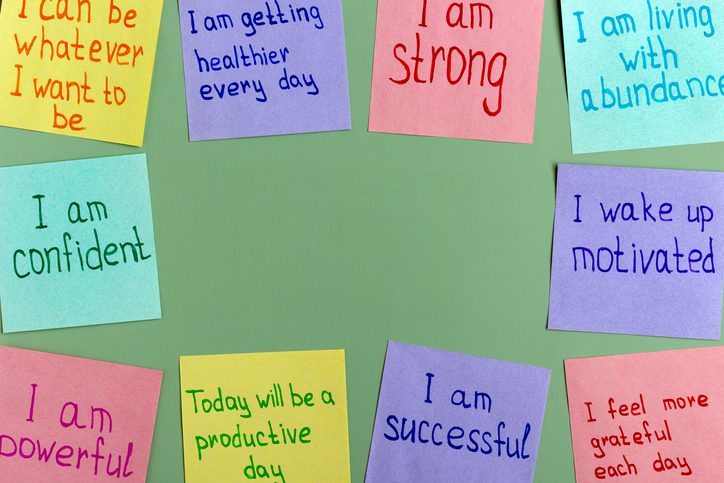
Write your favorite affirmations on small cards. Keep them in your wallet, at your desk, or by your bed. When you need encouragement, read one.
Use Technology
Set reminders on your phone with your affirmations. You can also use affirmation apps that send you positive messages during the day.
Group Affirmations
Affirmations can be powerful when shared. In a family, classroom, or team, saying affirmations together builds unity and support.
Example Table: When To Use Affirmations
Here’s a simple guide showing different times to use affirmations and why.
| When to Use | Purpose | Sample Affirmation |
|---|---|---|
| Morning | Start day with confidence | I am ready for today’s challenges |
| Before a presentation | Reduce anxiety | I speak clearly and confidently |
| During stress | Calm your mind | I am calm and centered |
| Before sleep | Promote rest and peace | I let go of today’s worries |
Common Mistakes To Avoid
Affirmations are simple, but there are a few mistakes that can reduce their power.
Using Negative Words
If your affirmation includes “not,” “never,” or negative language, it can confuse your mind. Always focus on what you want, not what you are avoiding.
Being Unrealistic
Choosing affirmations that are too far from your current reality can make you feel worse. Start with small, believable steps.
Lack Of Consistency
Saying an affirmation once or twice does not have a big effect. You need to use them regularly, just like exercise, to see change.
Ignoring Emotions
If you do not connect emotionally with your affirmation, it may not work. Feel the words as you say them. Imagine how your life will look if the affirmation is true.
Forgetting Action
Affirmations are powerful, but they are not magic. You still need to take steps toward your goals. Affirmations help your mindset, but action is needed for real results.
Non-obvious Insights: What Most People Miss
Many beginners think affirmations are just about saying nice things. But there are some deeper ways affirmations can help.
1. Affirmations Can Reveal Limiting Beliefs
When you try to say a positive statement and feel resistance, it can show you where your hidden doubts are. For example, if “I am worthy of success” feels hard to say, it’s a clue to old beliefs you might want to work on.
2. Affirmations Shape Your Focus
Your mind notices what you focus on. If you repeat, “I am grateful for my friends,” you start to see positive things in your relationships. This is called the reticular activating system in your brain. It filters information based on what you repeat and focus on.
3. Combining Visualization Makes Affirmations More Powerful
If you say your affirmation and also imagine it happening (visualization), the effect is much stronger. For example, if your affirmation is “I am confident at work,” picture yourself speaking up in a meeting. This links your words with real feelings.
4. Affirmations Work Best With Self-compassion
Some people use affirmations to push themselves too hard. But research shows affirmations are most powerful when combined with kindness toward yourself. If you make a mistake, saying, “I am learning and growing” is more helpful than “I must always be perfect.
”
5. Your Environment Affects Affirmation Success
If you are surrounded by negative messages (from people, media, or your own habits), affirmations have to fight against them. Try to add more positive influences in your life, like inspiring books, supportive friends, or uplifting music.
Who Can Benefit From Affirmations?
Affirmations are for everyone, but some groups find them especially helpful.
Students
Affirmations like “I am a capable learner” can reduce test anxiety and improve performance.
Athletes
Sports coaches often use affirmations to build confidence and focus, such as “I perform at my best under pressure. ”
Professionals
Saying, “I manage my time well” or “I am a valuable team member” can support career growth and job satisfaction.
Parents
Affirmations like “I am patient with my children” help in challenging parenting moments.
People Facing Stress Or Illness
Affirmations can support mental health and healing, such as “I am strong enough to heal. ”
Examples Of Affirmations For Different Goals
Here are some sample affirmations you can try, depending on your needs.
For Confidence
- I trust in my abilities.
- I am proud of my progress.
- I believe in myself.
For Stress Relief
- I am safe and relaxed.
- I let go of what I cannot control.
- I breathe in calm, breathe out tension.
For Success
- I am focused on my goals.
- I take action every day.
- I am open to new opportunities.
For Health
- I care for my body with respect.
- I am becoming stronger each day.
- I make healthy choices.
For Relationships
- I am a loving friend and partner.
- I communicate clearly and kindly.
- I am open to giving and receiving love.
How To Track Your Affirmation Progress
Many people start affirmations but do not notice their progress. Here are simple ways to see your growth.
- Keep a Journal: Write your affirmations daily. Every week, note any changes in your thoughts or feelings.
- Record Your Voice: Listen to your affirmations over time. Notice if they feel more natural as you repeat them.
- Ask for Feedback: Friends or family may notice changes in your confidence or attitude before you do.
- Set Small Goals: Link your affirmations to real actions. For example, “I speak up in meetings” can be tracked by counting how often you share your ideas.
Can Affirmations Replace Other Self-help Tools?
Affirmations are a strong tool, but they work best with other methods. For example, combining affirmations with:
- Therapy or counseling for deeper issues
- Meditation for better focus
- Goal setting for clear direction
- Healthy habits like exercise and good sleep
Affirmations alone are not a cure-all, but they add positive energy to everything else you do.
Common Myths About Affirmations
There are several misunderstandings about affirmations. Let’s clear them up.
“affirmations Are Just Lying To Yourself”
This is not true. Effective affirmations are based on your real values and possible growth. They are not about pretending, but about encouraging change.
“you Have To Say Them All Day”
Repetition helps, but quality is more important than quantity. A few minutes of focused, heartfelt affirmations can be enough.
“affirmations Work Instantly”
Like exercise, affirmations take time. You may need weeks or months to notice big changes, but small shifts can happen quickly.
“they Only Work For Some People”
Everyone can benefit, but people who are open to change and practice regularly see the best results.
“affirmations Replace Action”
Affirmations support action—they do not replace it. You still need to take steps toward your goals.

Credit: mindbodycoop.com
Real-world Success Stories
Many successful people use affirmations. For example, Muhammad Ali, the famous boxer, often said, “I am the greatest,” even before he became a champion. His positive self-talk helped him build confidence.
Professional athletes, business leaders, and artists use affirmations to stay motivated and focused. Some companies even teach employees to use affirmations for better teamwork and creativity.
In schools, teachers use affirmations to help students believe in themselves and reduce anxiety before tests. Parents use them to support children through tough times.
The Limits Of Affirmations
Affirmations are powerful, but they are not magic. They cannot change every situation. If you have serious mental health concerns, affirmations should be used with professional help. They are a tool, not a cure.
Also, if you use affirmations but do not take action, results will be limited. For example, saying “I am healthy” is good, but you also need to eat well and exercise.

Credit: www.affirmations.online
Practical Tips For Sticking With Affirmations
Sometimes, people start affirmations but stop after a few days. Here’s how to stay on track:
- Set a routine: Link affirmations to daily habits, like brushing your teeth or making coffee.
- Keep them visible: Put notes on your mirror, fridge, or computer.
- Share with others: Practice with a friend for support.
- Change them as needed: If an affirmation stops working, update it to match your new goals.
How Affirmations Compare To Other Self-help Methods
Let’s see how affirmations stack up against other popular tools.
| Method | Main Benefit | Effort Needed | Can Combine With Affirmations? |
|---|---|---|---|
| Affirmations | Positive mindset | Low | Yes |
| Meditation | Calm and focus | Medium | Yes |
| Journaling | Self-awareness | Medium | Yes |
| Therapy | Deep healing | High | Yes |
When Affirmations May Not Work
Affirmations are helpful for most, but there are times when they may not have much effect.
- If you do not believe the statement at all, it may not help.
- If you say affirmations but do not act, change is slow.
- If you face serious emotional pain, affirmations alone may not be enough.
In these cases, try adjusting your statements, taking small actions, or seeking extra support.
Further Learning
If you want to learn more about the science behind affirmations, check out this Wikipedia article on affirmations. It offers more details and research studies on how and why affirmations help.
Credit: canyonvista.com
Frequently Asked Questions
What Is The Best Time To Say Affirmations?
You can use affirmations anytime, but many people find the morning or evening works best. Starting your day with positive statements sets a good tone. Before bed, affirmations can help you relax and let go of stress.
Do I Need To Say Affirmations Out Loud?
Saying them out loud makes affirmations stronger, but you can also write them or think them silently. The key is to focus and repeat them regularly.
How Long Does It Take For Affirmations To Work?
It depends on your mindset and how often you use them. Some people notice small changes in a few days. Bigger changes can take weeks or months. Consistency is important.
Can Children Use Affirmations?
Yes, children can benefit greatly from affirmations. Simple statements like “I am a good friend” or “I can try new things” help build confidence and reduce anxiety.
What If I Do Not Believe My Affirmation?
If an affirmation feels untrue, try making it more believable. For example, say “I am learning to be confident” instead of “I am completely confident. ” As you grow, you can update your affirmations.
Affirmations are a simple, powerful tool anyone can use. When practiced with belief and action, they help shape your thoughts, feelings, and life for the better. With patience and practice, you may be surprised by how much you can change, one positive statement at a time.
