

How Often Should Affirmations Be Repeated for Best Results?
How Often Should Affirmations Be Repeated
Feeling stuck in negative thoughts is common. Many people try affirmations—positive statements you repeat to yourself—to change their thinking and boost confidence. But one question always comes up: how often should affirmations be repeated to really work? Some say you need to repeat them all day, others say once a day is enough. The truth is, the answer is not the same for everyone. The right frequency can make affirmations powerful or leave them feeling useless.
This article explores how often to repeat affirmations, what science and experience show, and how to find the perfect routine for your goals. You’ll learn about the best times of day, methods for making affirmations stick, how to avoid common mistakes, and ways to measure your progress.
Whether you’re new to affirmations or want to get better results, you’ll find clear, practical advice here.
Understanding Affirmations
Affirmations are short, positive sentences you say to yourself, like “I am confident” or “I can handle challenges.” The goal is to change your mindset, replace doubts, and create new beliefs. While some people see affirmations as just “positive thinking,” they are actually a method for training your mind. Repetition is key: just saying an affirmation once will not change how you feel or act.
Affirmations work best when you believe in them, say them with emotion, and repeat them often. The brain builds new habits through repetition. Like learning a new language, the more you practice, the more natural the new thoughts become. But how much is enough?
And can you do too much?
The Science Behind Repetition And The Mind
Research on neuroplasticity—the brain’s ability to change—shows that repetition helps form new thought patterns. Each time you repeat an affirmation, you strengthen a mental pathway. Over time, these pathways become stronger, making the new belief easier to access.
Studies on habit formation suggest that it takes about 21 to 66 days to build a new habit, depending on the person and the habit. For affirmations, this means you need regular, repeated practice for several weeks before you see real change.
One famous study found that daily repetition helps the brain accept new ideas as familiar, making them feel more “true.” But the exact number of repetitions needed each day can vary widely.
How Often Should You Repeat Affirmations?
The most common advice is to repeat affirmations at least once or twice a day. But what really matters is quality, not just quantity. Below are some popular routines:
1. Once Per Day
Saying affirmations once each morning can set a positive tone for your day. This is a good starting point for beginners. If you have a busy schedule, a single focused session is better than none.
2. Three Times Per Day
Many experts suggest repeating affirmations in the morning, midday, and evening. This keeps your goals fresh in your mind and gives you a boost throughout the day.
3. 5-10 Minutes Per Session
Rather than counting repetitions, you can spend a set time on affirmations. Five to ten minutes allows you to focus deeply and say each affirmation with meaning. This method works well if you prefer quality over quantity.
4. 10-20 Repetitions Per Affirmation
Some people like to repeat each affirmation 10 to 20 times. This helps the words “sink in. ” You can do this in one session or spread them throughout the day.
5. Whenever Negative Thoughts Appear
Affirmations can also be used on demand. If you notice negative self-talk, immediately repeat your chosen affirmation to counter it. This builds the habit of replacing doubts with positive beliefs.
Comparing Popular Affirmation Schedules
To help you decide, here’s a simple comparison of common repetition schedules:
| Method | Frequency | Best For | Drawbacks |
|---|---|---|---|
| Once daily | 1x per day | Beginners, busy people | Slower results |
| Three times daily | 3x per day | Steady progress | Requires reminders |
| Timed sessions | 5-10 min/session | Deep focus | Time commitment |
| Repetition count | 10-20x each | Building belief | Can feel robotic |
| On demand | As needed | Handling negativity | Less structure |
What Actually Matters Most
While repetition is important, just saying affirmations over and over is not enough. Two key elements matter even more:
- Belief and Emotion: If you don’t believe what you’re saying, or you repeat affirmations with no feeling, your mind may resist the message. Try to “feel” the truth of the words as you say them.
- Consistency: A few minutes every day is better than hours one day and nothing the next. Regular, steady practice is what builds new habits.
How To Choose Your Ideal Affirmation Routine
Everyone is different. Your personality, goals, and schedule affect what works best for you. Here are steps to find your perfect rhythm:
1. Know Your Goal
Why are you using affirmations? To boost confidence, reduce anxiety, or attract success? Knowing your purpose helps you choose the right words and frequency.
2. Start Small
If you’re new to affirmations, begin with once per day or 5 minutes in the morning. This avoids overwhelm and helps you build the habit.
3. Increase Gradually
After a week or two, add a midday or evening session. Or, increase your repetitions per session. Listen to how your mind and mood respond.
4. Adjust Based On Results
If you feel uplifted and more positive, you’re on the right track. If affirmations feel boring or forced, try fewer repetitions but more emotion, or change your affirmations.
5. Keep It Flexible
Some days are busy, others are calm. It’s okay to adjust your routine. The key is not to quit when life gets hectic.
Morning Vs. Evening: Does Timing Matter?
Many people wonder if saying affirmations at certain times is better. The answer is: both can work, but each has benefits.
Morning Affirmations
Repeating affirmations first thing in the morning sets a positive mood for your whole day. Your mind is often more open and less distracted after waking up. This is a good time for affirmations about energy, confidence, and goals.
Evening Affirmations
Before bed, your brain is more relaxed and ready to “absorb” new ideas. Nighttime affirmations can help reduce stress and prepare your mind for a good night’s sleep. This is a good time for affirmations about peace, gratitude, and letting go of worries.
Combining Both
Some people use affirmations in the morning and evening for double impact. If you have time, this routine helps “bookend” your day with positive thoughts.
How Long Before You See Results?
A common question is, “How fast will affirmations work?” There’s no single answer. Some people notice changes in a few days. For others, it takes weeks or even months. The time depends on:
- How deeply you believe the affirmation
- How often you repeat it
- How strong your old beliefs are
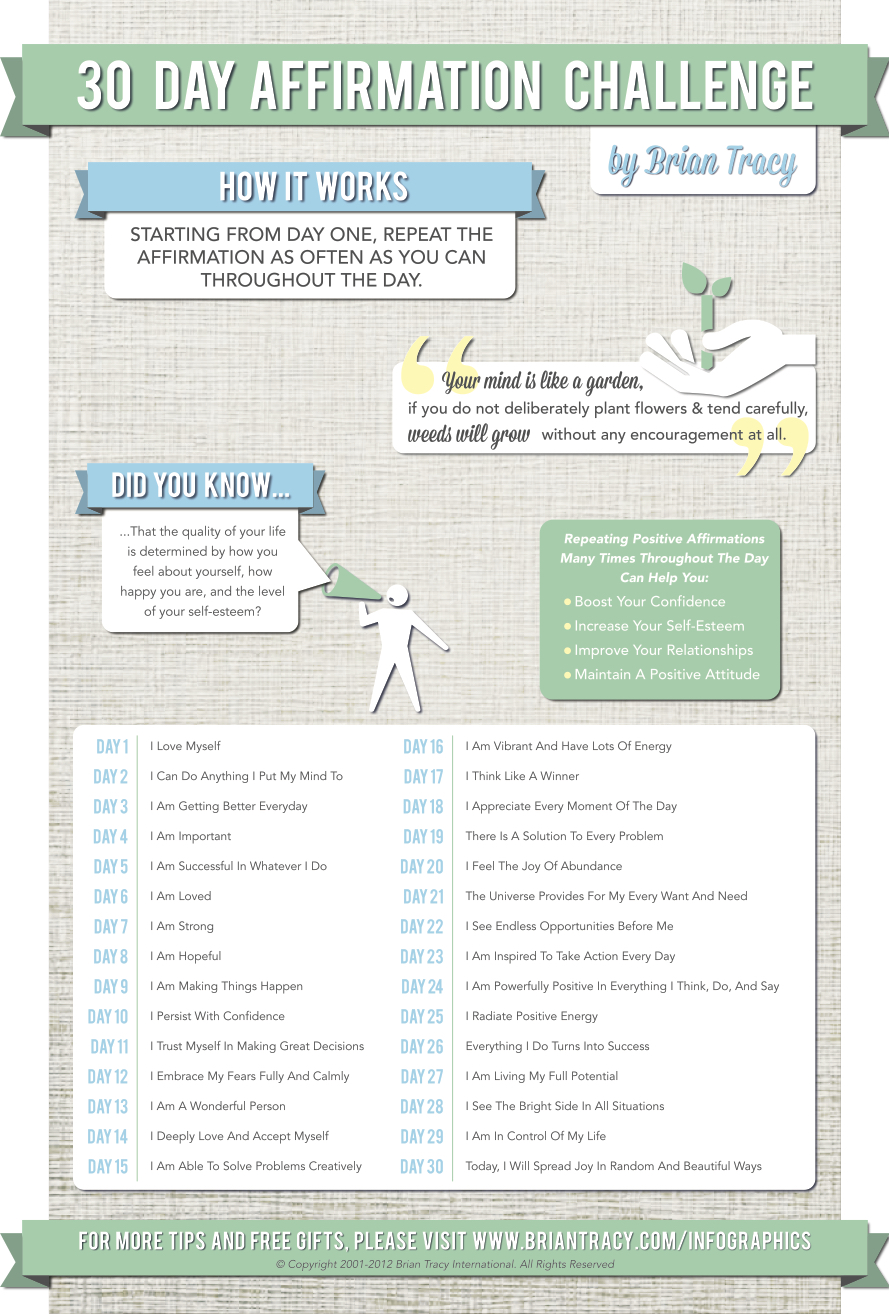
Most experts suggest giving affirmations at least 30 days of regular practice before judging their effect. The more consistent and emotional your practice, the faster you’ll see change.
Advanced Tips For Effective Affirmation Repetition
Many people give up on affirmations because they don’t see instant results. Here are some advanced tips to make your repetitions more powerful:
1. Write Your Affirmations
Writing by hand activates different parts of the brain. Try writing your affirmations 5-10 times while saying them out loud. This adds another layer of repetition and belief.
2. Use Visual Cues
Place sticky notes with your affirmations on your mirror, computer, or phone. Seeing them reminds you to repeat them throughout the day.
3. Pair With Deep Breathing
Take a slow breath in, say your affirmation as you breathe out. This calms your mind and helps the words “sink in” more deeply.
4. Record And Listen
Record yourself saying your affirmations and listen as you walk or commute. Hearing your own voice makes the message more personal.
5. Involve The Senses
Say affirmations out loud, write them, and visualize them as true. The more senses you use, the stronger the effect.
Common Mistakes When Repeating Affirmations
Repeating affirmations the wrong way can make them less effective. Watch out for these common mistakes:
- Rushing Through: Saying affirmations quickly, just to finish, does not help. Slow down and feel each word.
- No Emotion: Repeating without feeling is like reading a boring script. Put energy and belief into your voice.
- Too Many at Once: Trying to say 20 different affirmations each session can dilute your focus. Start with 2-3 and add more over time.
- Unrealistic Statements: If your affirmation feels impossible, your mind may reject it. Start with believable steps, like “I am learning to be confident” instead of “I am always confident.”
- Skipping Days: Consistency is more important than perfection. Aim for regular practice, even if it’s just a few minutes.
Credit: www.briantracy.com
How To Track Your Progress
Repeating affirmations is a habit, and habits are easier to stick with when you see progress. Here’s how to measure your results:
1. Keep A Journal
Write down your affirmations and note your feelings each day. Over time, look for changes in mood, confidence, or behavior.
2. Track Repetitions
Use a notebook or an app to record how often you repeat each affirmation. This keeps you accountable and shows your effort.
3. Notice Small Wins
Pay attention to small changes. Did you feel more confident in a meeting? Less nervous with strangers? These are signs your affirmations are working.
4. Adjust As Needed
If after a few weeks you see no change, adjust your affirmations or your routine. Sometimes a small tweak makes a big difference.
Comparing Affirmation Methods
Different people prefer different methods for repeating affirmations. Here’s a comparison to help you choose:
| Method | How It Works | Pros | Cons |
|---|---|---|---|
| Speaking out loud | Say affirmations with emotion | Boosts belief; easy to do | Not always private |
| Writing by hand | Write affirmations repeatedly | Increases focus; more engaging | Takes more time |
| Listening to recordings | Play affirmations while relaxing | Passive; works while busy | Less personal for some |
| Mental repetition | Repeat silently in your mind | Private; anytime, anywhere | Easy to get distracted |

Credit: www.etsy.com
Real-life Examples: How People Use Affirmations
Hearing how others use affirmations can give you ideas. Here are three real examples:
Example 1: Building Confidence At Work
Maria wanted to feel more confident in meetings. She chose the affirmation, “I speak with clarity and confidence. ” She repeated it every morning before work and whenever she felt nervous. After three weeks, she noticed she spoke up more often and felt less anxious.
Example 2: Reducing Stress
James struggled with anxiety before bed. He used the affirmation, “I am calm and at peace. ” He repeated this 20 times each night, taking deep breaths. After a month, he found it easier to relax and fall asleep.
Example 3: Preparing For Competition
Lina was training for a sports event. Her affirmation was, “I am strong and ready. ” She repeated it during morning runs, at lunch, and before bed. The regular practice helped her stay focused and positive, leading to her best performance yet.
Non-obvious Insights Most Beginners Miss
Repeating affirmations seems simple, but there are two insights many people don’t know:
1. Spacing Repetition Works Better Than Mass Repetition
Saying an affirmation 50 times in a row is less effective than saying it 5 times, 10 times a day. Spacing out your practice helps your brain remember and believe the message. This is called “spaced repetition” and it’s backed by memory research.
2. Affirmations Are Not Just Words—they’re Habits
Affirmations are most powerful when they become part of your daily routine, like brushing your teeth. Attach them to other habits (like after breakfast or before bed) to make repetition automatic. This makes it easier to stick with them long-term.
How To Make Affirmations A Lasting Habit
Many people stop using affirmations after a few days. Here’s how to keep going until you see real change:
1. Link Affirmations To Daily Activities
Choose a regular activity (like brushing your teeth, making coffee, or driving to work) and repeat your affirmations at the same time. This helps you remember and builds the habit.
2. Use Reminders
Set alarms on your phone or put sticky notes where you’ll see them. Reminders prevent you from forgetting, especially on busy days.
3. Celebrate Progress
Reward yourself for sticking with your routine, even if the results are small. This builds motivation and keeps you going.
4. Get Support
Share your affirmations with a friend or join an online group. Encouragement from others makes it easier to stay on track.
What If Affirmations Don’t Seem To Work?
Sometimes, people repeat affirmations but don’t see results. If this happens:
- Check if you believe the affirmation. If not, make it more believable.
- Add more emotion and meaning when you say it.
- Try a different method (writing instead of speaking, for example).
- Give it more time—change takes patience.
If you still struggle, remember that affirmations are one tool. Combining them with other practices, like gratitude or visualization, can boost their power.

Credit: tiffanywoodfield.com
Affirmations And Mindfulness
Combining affirmations with mindfulness—being present in the moment—can make them even stronger. When you repeat an affirmation, focus fully on the words and your feelings. Avoid distractions. This deepens the impact on your mind.
Practicing mindfulness with affirmations helps you notice negative thoughts faster, so you can replace them quickly. Over time, this builds a more positive mindset.
How Affirmations Fit With Other Positive Habits
Affirmations are most effective when used with other positive habits, like:
- Gratitude journaling: Write things you’re grateful for each day
- Visualization: Imagine your affirmations as already true
- Goal setting: Connect your affirmations to clear goals
Using these together creates a strong foundation for personal growth.
Can You Repeat Affirmations Too Much?
While repetition is important, saying affirmations non-stop can make them lose meaning. If you feel bored or stressed, reduce your repetitions or focus on fewer affirmations. Quality matters more than quantity. Trust your feelings—affirmations should inspire, not tire you.
Measuring Long-term Results
Affirmations work slowly, like planting seeds. To measure your results:
- Review your journal every few months
- Ask yourself, “Have my thoughts or actions changed?”
- Notice feedback from others (like more compliments)
- Reflect on your stress and happiness levels
Real change can be subtle, but over time, affirmations help you build stronger, more positive beliefs.
Further Reading And Resources
If you want to dive deeper, consider reading about cognitive behavioral therapy (CBT). CBT uses similar techniques to change negative thoughts. For more on the science of affirmations, see this Psychology Today article.
Frequently Asked Questions
How Many Affirmations Should I Use At Once?
Start with 2 or 3 affirmations. This allows you to focus deeply and remember them easily. As you get used to the practice, you can add more if you like. Too many affirmations at once can dilute your attention and make each one less effective.
Can I Say Affirmations Silently, Or Do They Need To Be Spoken Out Loud?
You can repeat affirmations silently or out loud. Saying them out loud can create more emotion and belief, but silent repetition is better than nothing—especially in public places. The most important thing is to be consistent.
What If I Don’t Believe My Affirmation?
If an affirmation feels untrue, adjust the wording to make it believable. For example, change “I am always confident” to “I am learning to be confident. ” As your belief grows, you can use stronger affirmations.
When Is The Best Time To Repeat Affirmations?
The best times are when your mind is calm—like in the morning, before bed, or during quiet moments. Linking affirmations to daily habits (such as brushing your teeth) helps make the practice automatic.
How Do I Know If Affirmations Are Working?
Look for changes in your mood, confidence, and actions. Keep a journal to track your feelings and results. Small improvements mean your affirmations are working. Remember, real change often takes time.
Affirmations are a simple but powerful tool for changing your mindset. By repeating them regularly, with belief and emotion, you can build new habits that support your goals. Find the routine that fits your life, stick with it, and trust the process.
Over time, you’ll see real transformation—one positive statement at a time.
