

How Many Affirmation Cards in a Deck? Your Essential Guide
How Many Affirmation Cards In A Deck
Affirmation cards have become a popular tool for anyone looking to build self-confidence, manage stress, or simply start their day with a positive mindset. You might see them on desks, nightstands, or even carried in bags for easy access. But if you are new to affirmation cards, one simple question often comes up: how many affirmation cards are in a deck? The answer is not as straightforward as you might think. Card deck sizes can vary greatly, and understanding why can help you choose the right one for your needs. Let’s explore the world of affirmation card decks, how many cards they usually include, what influences deck size, and how to make the most of your cards.
What Are Affirmation Cards?
Before diving into numbers, it’s important to understand what affirmation cards are. Affirmation cards are small cards, each printed with a positive statement or empowering message. Their main purpose is to encourage positive thinking, boost self-esteem, and help people focus on their goals. These cards are used in many ways—morning routines, therapy sessions, group workshops, or even as small reminders throughout the day.
Each card typically contains a short affirmation like “I am strong” or “I trust myself.” Some decks might also include questions, prompts, or artwork. The design and content can vary widely, but the core idea remains the same: to inspire and motivate.
Typical Number Of Cards In An Affirmation Deck
When you browse for affirmation card decks, you’ll notice a wide range of sizes. However, some numbers appear more often than others. Most decks fall within a certain range, but there are outliers as well.
Common Deck Sizes
The most common affirmation card deck sizes are:
- 30 cards
- 40 cards
- 44 cards
- 50 cards
- 52 cards
- 60 cards
The reason for these numbers is mostly practical. Many people like decks that have enough variety to feel fresh, but not so many that they become overwhelming or repetitive.
30 To 44 Cards
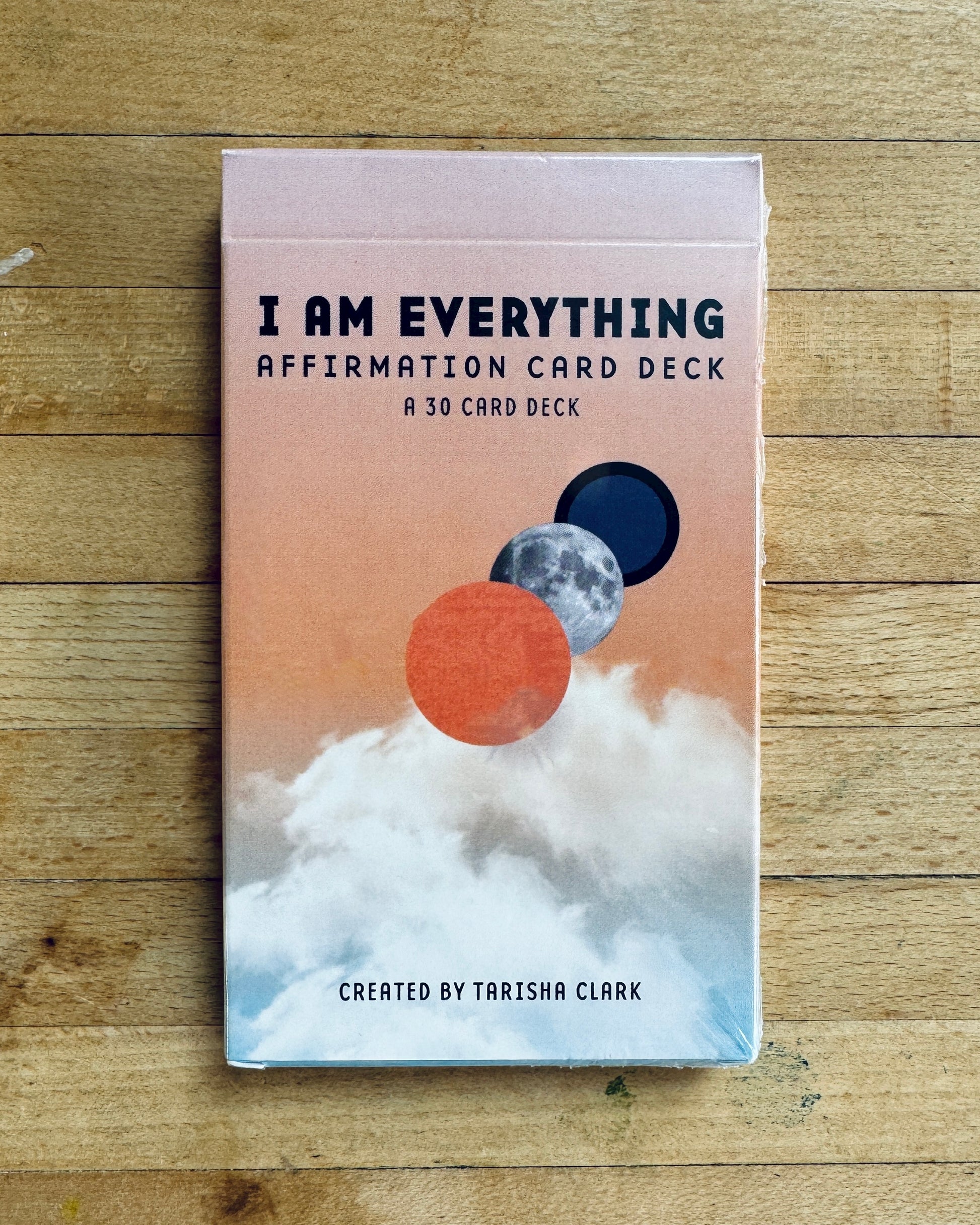
Decks with 30 to 44 cards are very popular. This range allows for one card per day over a month, which makes it easy to build a daily habit. For example, a 31-card deck can be used as a “card of the day” for an entire month. A 44-card deck offers even more variety but is still easy to manage.
50 To 60 Cards
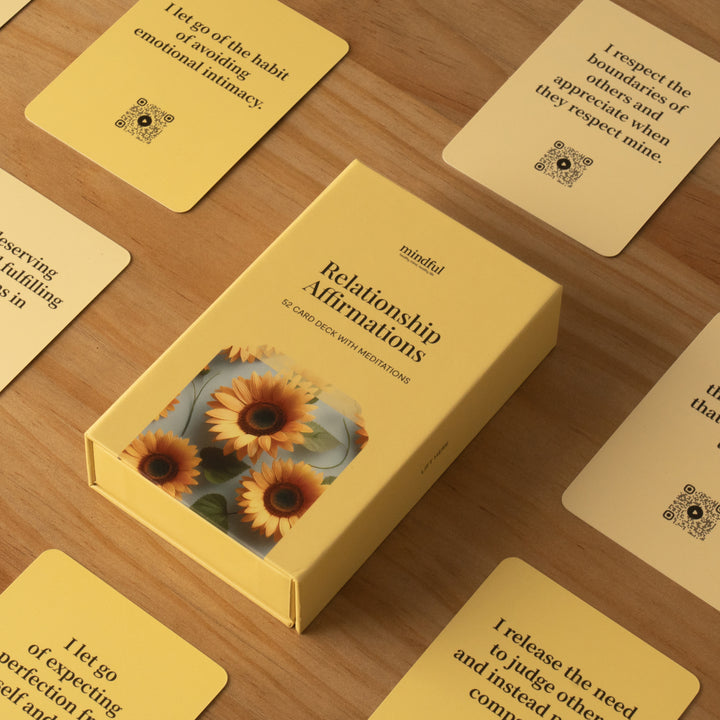
A deck with 50 to 60 cards appeals to people who want more choice or who use affirmation cards over a longer period. A 52-card deck, for example, matches the number of weeks in a year, making it ideal for a weekly affirmation routine.
Less Common Deck Sizes
Some decks have unique or custom sizes, such as:
- 12 cards (one for each month)
- 24 cards (bi-weekly)
- 100 cards (for deep exploration or group use)
- Daily decks with 365 cards (one for each day of the year)
These decks serve specific purposes and may appeal to people looking for something different.
Examples From Popular Brands
Let’s look at a few examples from well-known affirmation card creators:
- Louise Hay’s “Power Thought Cards” – 64 cards
- Gabrielle Bernstein’s “The Universe Has Your Back” – 52 cards
- Cheryl Richardson’s “Self-Care Cards” – 52 cards
- Suzi Barrett’s “Affirmators!” – 50 cards
These numbers reflect what many creators believe is an ideal balance between variety and usability.
Why Deck Sizes Vary
You might wonder why some decks have 30 cards while others have 100. Several factors influence deck size. Understanding these can help you decide which deck is best for you.
Purpose Of The Deck
The intended use shapes the number of cards. A daily deck for a year will have 365 cards, while a themed deck (like gratitude or confidence) may have fewer, focused messages.
Creator’s Philosophy
Some creators believe in short, powerful messages and keep their decks small. Others want users to have many choices and produce larger decks.
Printing And Production Costs
Larger decks are more expensive to print and package. This is why many commercial decks stick to sizes that are easy to produce and ship.
Audience Preference
Feedback from users also influences deck sizes. Some people prefer small, easy-to-carry decks, while others want a big box with lots of options.
Thematic Variety
Decks with multiple themes or categories (such as love, career, health) might include more cards to cover each topic.
How To Choose The Right Deck Size
Choosing the right number of affirmation cards depends on your personal needs and goals. Here are some practical tips:
1. Identify Your Goal
If you want a daily practice for a month, a 30 or 31-card deck is ideal. For a weekly routine, a 52-card deck fits perfectly. For deep exploration or group sessions, a larger deck might work better.
2. Consider Your Attention Span
If you get overwhelmed easily, a smaller deck will keep things simple. If you love variety and discovery, a bigger deck offers more options.
3. Think About Portability
Will you carry your cards with you? Smaller decks are lighter and fit easily in a bag or pocket.
4. Look At The Themes
Some decks offer many themes, while others focus on one. If you want a wide range of topics, look for decks with more cards.
5. Try Before You Buy
If possible, look at sample cards online or in stores. See if the number of cards feels right for you.
How Deck Size Affects Your Practice
The number of cards in a deck can shape your experience in several ways.
Daily Use
A 30-card deck can support a daily affirmation habit for a month. After 30 days, you can start over or switch to a new deck for fresh inspiration. A 52-card deck can last a year if you use one card per week.
Group Activities
For group workshops or therapy, larger decks (50+ cards) give everyone a chance to draw different affirmations. Smaller decks may lead to repeats.
Avoiding Repetition
A larger deck means you are less likely to see the same card often. This keeps your practice feeling fresh and surprising.
Depth Vs. Breadth
Smaller decks often go deeper into one theme, while larger decks offer more variety across topics. Decide which matters more for your needs.
Popular Deck Sizes Compared
To help you see the differences, here is a comparison of typical deck sizes and their best uses:
| Deck Size | Best For | Pros | Cons |
|---|---|---|---|
| 30-31 cards | Daily use (1 month) | Easy routine, simple to use | Less variety, can repeat quickly |
| 44 cards | General use | More options, still portable | May not fit all themes |
| 50-52 cards | Weekly use (1 year), groups | Good variety, fits weekly routine | Slightly bulkier |
| 64 cards | Deep exploration | Wide range of topics | May feel overwhelming for some |
| 100+ cards | Therapy, workshops | Maximum variety | Bulky, harder to carry |
How Creators Decide On Deck Size
Deck creators don’t just pick numbers at random. There are several steps they follow:
- Research User Needs: They study how people use affirmation cards—daily, weekly, or on special occasions.
- Content Planning: They plan messages to cover the intended themes or purposes.
- Testing: Some creators test prototypes with users to find the ideal number.
- Production Limits: Printing costs and packaging shape the final deck size.
- Feedback: After release, feedback can lead to new editions with more or fewer cards.
One non-obvious insight: Creators sometimes leave space for users to add their own affirmations. Some decks include blank cards, so you can write personal messages. This is a clever way to make a smaller deck feel more personal and flexible.
Making Your Own Affirmation Deck
Maybe you want to create your own deck. Here’s what to consider:
Step 1: Set A Purpose
Decide if your deck is for daily, weekly, or special use. This will guide the number of cards.
Step 2: Choose Your Number
Common choices are 30, 44, or 52, but you can pick any number that feels right. Remember, it’s better to have a few meaningful affirmations than many weak ones.
Step 3: Write Affirmations
Write short, clear, positive statements. Make sure each card has a unique message.
Step 4: Add Artwork Or Color
Visuals make cards more engaging. Even simple symbols can help.
Step 5: Print And Use
You can handwrite on index cards or use online tools to print them professionally.
Tip: Don’t feel pressured to match commercial deck sizes. Your deck should fit your needs, not a trend.
Credit: shop.mindful.org
Special Deck Types And Their Sizes
Affirmation cards are not “one size fits all. ” Some decks are made for kids, others for people healing from trauma, and some for specific goals like quitting smoking or finding confidence.
Decks For Kids
Children’s decks are usually smaller (10-30 cards), with simple language and bright images.
Themed Decks
Some decks focus on a single theme, like gratitude or self-love. These may have fewer cards, but each message is highly focused.
Therapy Decks
Therapists sometimes use very large decks (100+ cards) to give clients a wide range of options.
Pocket Decks
Designed for travel or daily carry, these usually have 15-20 cards and fit in a small case.
Cultural And Language Differences In Deck Sizes
Affirmation cards are used worldwide, but preferences can change by region. In some cultures, a smaller, more focused deck is preferred, while others like lots of variety. Language also plays a role; some languages need more words to express an idea, so their cards might be larger or fewer in number.

Credit: www.amazon.com
How Many Cards Is “too Many” Or “too Few”?
There’s no perfect answer, but here are some things to keep in mind:
- Too few cards (under 10): Not enough variety, can get boring.
- Too many cards (over 100): Hard to shuffle, store, or use regularly.
- Sweet spot: Most people are happy with 30–60 cards.
Another key insight: More cards do not always mean more value. If the messages start to repeat or feel generic, a larger deck can actually be less effective.
Digital Affirmation Decks
With the rise of apps, you can now find digital affirmation decks. These can have hundreds or even thousands of cards, as storage is not an issue. However, the same rules apply: too many options can lead to decision fatigue. Many popular apps limit daily picks or organize cards by theme to keep things simple.
Real User Experiences
Let’s look at how real people use decks of different sizes:
- Maria, a teacher: “I use a 31-card deck with my students each morning. It’s just the right number for our monthly routine.”
- Jason, a therapist: “My therapy deck has 100 cards, so clients can always find something that speaks to them. I mix up the cards every session.”
- Anya, a busy mom: “I prefer a 44-card deck. It fits in my purse, and I don’t get bored with the messages.”
These stories show that deck size is a personal choice, shaped by your daily routine and goals.
Comparing Affirmation Deck Sizes To Other Card Decks
It helps to see how affirmation decks compare to other popular card types.
| Type of Deck | Standard Number of Cards | Purpose |
|---|---|---|
| Affirmation Deck | 30–60 (varies) | Positive thinking, self-help |
| Playing Cards | 52 (+2 jokers) | Games |
| Tarot Deck | 78 | Divination |
| Oracle Deck | 44–55 (varies) | Spiritual guidance |
| Flashcards | Varies (10–100+) | Study aids |
You can see that affirmation card decks typically fall in the same range as oracle or playing card decks, which makes them familiar and easy to use.
Tips For Getting The Most Out Of Your Deck
No matter the number of cards, here’s how you can maximize the benefits:
- Set a Routine: Decide when you’ll draw a card—morning, night, or during breaks.
- Reflect: Take a few moments to think about the message and how it applies to your day.
- Share: Use cards in group settings to spark conversations.
- Record: Write down your thoughts after each card. This builds self-awareness.
- Switch Decks: If you feel bored, try a new deck size or theme.
Hidden tip: If you have a large deck, divide it into smaller groups by theme. This keeps your practice focused and prevents overwhelm.
Mistakes To Avoid When Choosing Or Using A Deck
Even experienced users sometimes make mistakes with affirmation card decks:
- Buying a deck that’s too large: More is not always better. Focus on quality, not quantity.
- Ignoring themes: Make sure the messages fit your needs.
- Using all cards at once: Take your time. It’s not a race.
- Not personalizing: Add your own affirmations if the deck feels impersonal.
Where To Find Decks And More Information
You can find affirmation card decks in bookstores, online shops, and specialty wellness stores. For more background on the history and psychology of affirmations, you can visit the Wikipedia page on affirmations.
Frequently Asked Questions
How Many Affirmation Cards Should Be In A Deck?
There is no single “correct” number, but most decks have 30 to 60 cards. The right size depends on how you plan to use the cards, your attention span, and personal preference.
Can I Make My Own Affirmation Card Deck?
Yes, and it’s a great way to personalize your practice. Choose any number of cards, write positive messages, and decorate them as you like.
Does A Larger Deck Mean Better Results?
Not always. Quality matters more than quantity. A small deck with powerful affirmations can be just as effective as a large one.
Are There Decks For Special Themes?
Absolutely. You can find decks focused on gratitude, confidence, healing, relationships, and more. The number of cards may vary based on the theme.
What’s The Difference Between Affirmation, Oracle, And Tarot Decks?
Affirmation decks focus on positive statements. Oracle decks offer spiritual or intuitive guidance, and tarot decks are used for detailed readings. Deck sizes differ, but affirmation decks are usually 30-60 cards.
Affirmation card decks come in many sizes, but the key is finding the number that fits your goals and lifestyle. Whether you choose a small, focused deck or a large, varied one, remember that the real power of affirmations comes from regular use and personal connection with the messages.
Keep things simple, stay consistent, and let your affirmation cards support your journey to positivity.
Credit: mamamademinis.com
