

How Do You Write Affirmations for Manifestation: Expert Tips
How Do You Write Affirmations For Manifestation
Do you want to attract more good things into your life? Maybe you want a better job, more confidence, or stronger relationships. Many people use affirmations for manifestation to help them reach these goals. Affirmations are positive statements you repeat to yourself. They’re simple, but when used right, they can change your mindset and help you take action.
But writing your own affirmations isn’t always easy. You might have tried before, but they didn’t feel right or nothing changed. The truth is, there’s a smart way to create affirmations that really work. In this guide, you’ll discover how to write effective affirmations for manifestation.
You’ll learn the science behind affirmations, the common mistakes people make, and the step-by-step process to write your own. You’ll also see real examples and special tips that most people miss.
If you want to use affirmations for real results, keep reading. Let’s explore how you can make your own words powerful tools for change.
What Are Affirmations For Manifestation?
Affirmations are short, positive statements that describe a goal or quality you want to have. When you use them for manifestation, you’re using these statements to help bring something you desire into your reality. The idea is simple: by repeating these phrases, you train your mind to believe in your goals.
For example, if you want to feel more confident, you might say, “I am confident in every situation. ” If you want to attract money, you might say, “Money flows easily to me. ” These statements help you focus your thoughts and energy on what you want, not what you fear.
But affirmations for manifestation are more than just wishful thinking. They’re a tool to help you take action, notice opportunities, and believe in your own power. When you use the right affirmations, you can change your attitude and behavior, which can lead to real results.
How Affirmations Work In The Mind
Your thoughts shape your actions. If you keep telling yourself you’re not good enough, you’ll act like it. Affirmations work because they help you change these thoughts. Here’s how:
- Repetition: The more you repeat something, the more your brain accepts it as true. This is called “self-suggestion.”
- Focus: When you use affirmations, you pay attention to what you want, not what you fear or lack.
- Action: Positive beliefs make you more likely to take steps toward your goals.
- Emotional Energy: When you feel good about your affirmation, it’s more powerful.
Science also supports the power of affirmations. Studies show that repeating positive statements can reduce stress, boost confidence, and even improve performance in school or work. The trick is to make your affirmations personal and believable.
Why Most Affirmations Don’t Work
Many people try affirmations and give up. Why? Because they make common mistakes, like:
- Too Vague: “I want to be happy” is too general. Your brain needs a clear picture.
- Negative Words: Saying “I am not afraid” focuses on fear, not courage.
- Unbelievable Statements: If you say “I am a millionaire” but don’t believe it, your mind rejects it.
- No Feeling: If your affirmation feels flat, it won’t move you.
- Lack of Repetition: Saying it once isn’t enough.
There’s another mistake most beginners miss: not connecting the affirmation to real action. If you just repeat words but don’t do anything, nothing will change. The best affirmations inspire you to act.
The Science And Power Of Manifestation Affirmations
Affirmations are not magic spells, but they work with your brain’s systems. When you repeat a statement, you activate the reticular activating system (RAS) in your brain. The RAS filters information and helps you notice things related to your goals. For example, if you keep saying “I am confident in meetings,” you’ll start to notice ways to act more confident.
Research shows that self-affirmation can:
- Lower stress and anxiety
- Increase motivation to change habits
- Improve performance in challenging tasks
- Boost self-worth and reduce negative self-talk
But the most powerful effect is how affirmations direct your focus. Your attention is your greatest tool for change. When you focus on your goals daily, you naturally look for steps and ideas to reach them.
Step-by-step Guide: How To Write Affirmations For Manifestation
Writing effective affirmations is a skill. Here’s a step-by-step guide to help you create your own affirmations for manifestation.
1. Be Clear About Your Goal
Start with a specific goal or feeling you want to manifest. Avoid vague wishes. Ask yourself:
- What do I really want?
- How do I want to feel?
- What change do I want in my life?
For example, instead of “I want more money,” try “I want to earn $500 more each month. ”
2. Use The Present Tense
Write your affirmation as if it’s already true. This tells your mind to act “as if” you already have what you want. Say “I am healthy and strong,” not “I will be healthy and strong. ”
3. Make It Positive
Focus on what you want, not what you want to avoid. Instead of “I am not afraid,” use “I am courageous. ”
4. Keep It Short And Simple
Your affirmation should be easy to remember and repeat. If it’s too long, you won’t use it often.
5. Add Emotion And Feeling
Connect your affirmation with a positive feeling. Say “I am excited and grateful for my new job,” instead of just “I have a new job. ”
6. Make It Believable
If you don’t believe your affirmation, your mind will reject it. Start with something that feels possible. For example, “I am becoming more confident every day” can work better than “I am the most confident person in the world. ”
7. Use Action Words
Words like “create,” “enjoy,” “attract,” “build,” or “embrace” add energy to your affirmation.
8. Personalize Your Affirmation
Use words like “I” or “my. ” This makes the affirmation about you, not someone else.
9. Be Specific
The more specific your affirmation, the stronger it is. Instead of “I am successful,” try “I am successful at leading my team. ”
10. Repeat Often
Repetition makes affirmations stick. Say yours every morning and night, or whenever you need a boost.
Here’s an example of turning a weak affirmation into a strong one:
“weak: I Want To Be Less Stressed.”
“Strong: I am calm, relaxed, and in control of my day.”
Examples Of Manifestation Affirmations
Seeing real examples can help you create your own. Here are affirmations for different areas:
For Confidence
- “I am confident in every situation.”
- “I trust my decisions and abilities.”
- “I speak clearly and with assurance.”
For Money And Abundance
- “Money flows easily and freely to me.”
- “I am open to new sources of income.”
- “I attract opportunities for wealth.”
For Health And Wellness
- “I am healthy, energetic, and strong.”
- “My body heals and grows stronger every day.”
- “I enjoy taking care of myself.”
For Love And Relationships
- “I am worthy of deep, loving relationships.”
- “I attract kind and supportive people.”
- “I give and receive love with ease.”
For Success And Achievement
- “I am successful in everything I do.”
- “I complete my goals with focus and drive.”
- “I create my own success story.”
Common Mistakes When Writing Affirmations
Even with the best intentions, it’s easy to make mistakes. Here are some pitfalls and how to fix them.
1. Writing In The Future
Saying “I will be happy” keeps happiness in the future. Use present tense, like “I am happy now. ”
2. Using Negative Words
Your mind hears the main idea, not the “not. ” “I am not stressed” keeps you focused on stress. Use “I am calm. ”
3. Making It Too Complicated
Long, confusing affirmations are hard to remember. Keep them short.
4. Forgetting Action
Affirmations are not just words. If you say, “I am healthy,” but eat poorly, nothing changes. Link your affirmation to action.
5. Overusing Superlatives
Words like “always,” “never,” or “the best” can feel fake. “I am becoming more confident” is more believable than “I am always confident. ”
How Many Affirmations Should You Use?
A common question is, “How many affirmations should I have? ” There’s no set number, but most people do best with 3 to 5. This is enough to cover your main goals without feeling overwhelmed.
If you use too many, you lose focus. If you use too few, you may not cover all your needs. Start with a few, then add more as you get comfortable.
When And How To Use Affirmations For Best Results
Timing and routine matter. Here’s how to make affirmations part of your life:
- Morning: Start your day by repeating affirmations. This sets a positive mood.
- Evening: End your day with affirmations to reinforce your goals.
- During Stress: Use affirmations to calm yourself or boost confidence.
- Before Action: Repeat before interviews, meetings, or challenges.
Say your affirmation out loud, write it down, or repeat it in your mind. Some people like to put sticky notes on mirrors or desks. Find what works for you.
Advanced Tips: Making Affirmations More Powerful
Most people stop at basic affirmations. But you can make them stronger with these advanced tips:
1. Visualize As You Say
Picture your affirmation as real. If you say, “I am confident,” imagine yourself speaking confidently in a meeting.
2. Use Affirmation Journals
Write your affirmations daily in a journal. This adds focus and helps you track your progress.
3. Record And Listen
Record your affirmations and listen to them while driving or relaxing. Hearing your own voice can make the words more believable.
4. Add Evidence
After your affirmation, add a real example. For instance, “I am a great leader. Yesterday, I helped my team solve a problem. ”
5. Combine With Action Steps
Pair your affirmation with a small action. For example, after saying, “I am healthy,” go for a short walk.
6. Use Triggers
Connect affirmations to daily habits. For example, repeat your affirmation every time you wash your hands or before meals.
7. Track Small Wins
Every time you see a result, celebrate it. This builds belief and motivation.
Data And Comparison: What Makes An Affirmation Effective?
Let’s compare strong and weak affirmations side by side to make the difference clear.
| Weak Affirmation | Strong Affirmation |
|---|---|
| I want to lose weight. | I am healthy and enjoy moving my body daily. |
| I will be rich someday. | I am attracting new income opportunities now. |
| I don’t want to be nervous. | I am calm and prepared for any situation. |
| I hope to find love. | I am open to giving and receiving love. |
Notice how strong affirmations are present, positive, and specific.
How Affirmations Fit Into Your Manifestation Practice
Affirmations are one part of manifestation. To get the best results, combine affirmations with other practices:
- Visualization: Imagine your goals as real.
- Gratitude: Notice and appreciate what you already have.
- Action Steps: Take real steps toward your goal.
- Mindfulness: Stay aware of your thoughts and feelings.
Here’s a simple routine you can try:
- Write your top 3 affirmations.
- Repeat them out loud every morning.
- Visualize your goal for 2 minutes.
- Write down one small action you will take today.
- End your day by writing what you’re grateful for.
This combination builds belief, focus, and action.

Credit: www.juliettekristine.com
Example: Affirmations For Different Goals
See how affirmations can be tailored for different desires.
| Goal | Sample Affirmation |
|---|---|
| Public Speaking | I am confident and clear when speaking to groups. |
| Starting a Business | I am building a successful business every day. |
| Better Relationships | I attract and nurture positive relationships. |
| Learning a New Skill | I enjoy learning and improving my skills daily. |
| Improved Health | I make healthy choices easily and naturally. |
Customizing your affirmation makes it more powerful for your unique needs.
The Link Between Affirmations And Action
One insight that most people miss: affirmations alone are not enough. They set your focus, but you must also act. For example, if you use the affirmation, “I am a successful writer,” you should also write every day, even if it’s just a few sentences.
Here’s a simple way to connect affirmations and action:
- State your affirmation.
- Ask, “What small thing can I do today to support this?”
- Take that action.
This builds a bridge between words and reality.

Credit: khimberlie1992.medium.com
Real-life Examples And Success Stories
Many successful people use affirmations. For example, athletes often use affirmations before games to boost confidence. Entrepreneurs repeat success statements to stay motivated during tough times.
One non-obvious insight: you don’t need to believe your affirmation 100% at first. Belief grows with action and small results. Start with what feels possible, then raise your goals as you gain confidence.
Another tip: share your affirmation with a trusted friend or coach. They can remind you and help you stay on track.
How Long Does It Take For Affirmations To Work?
There’s no fixed time. Some people see changes in a few days, others need weeks or months. The key is consistency and openness. If you stop after a few days, you’ll miss the benefits.
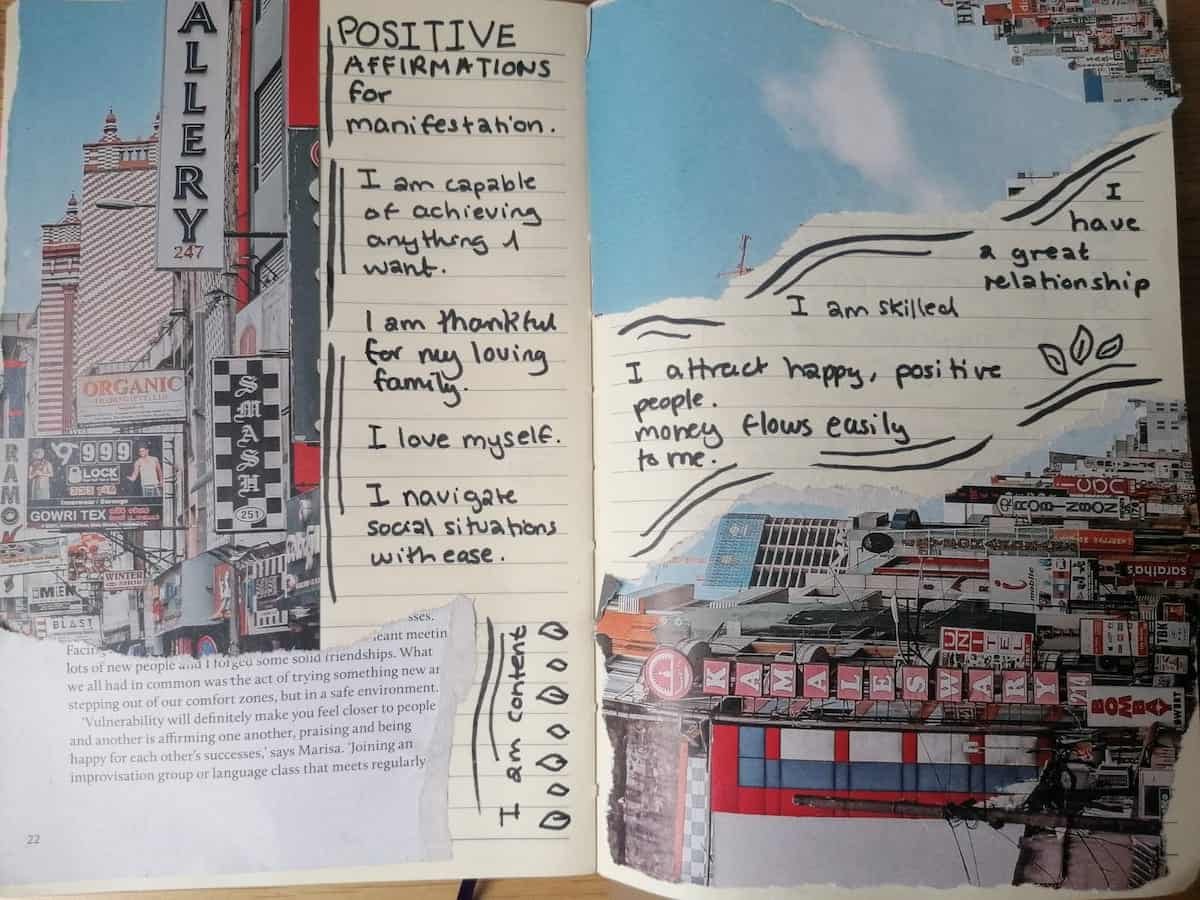
Research suggests that forming a new habit takes about two months. Use your affirmations daily for at least this long before deciding if they work for you.
Credit: pageflutter.com
Combining Affirmations With Other Techniques
To boost your results, combine affirmations with:
- Visualization: Picture your goal as real.
- Gratitude Practice: Focus on what’s good now.
- Meditation: Calm your mind before repeating affirmations.
- Vision Boards: Create a board with images that match your affirmations.
This holistic approach helps you stay focused, positive, and motivated.
Tracking Your Progress
It’s easy to forget how far you’ve come. Keep a simple record of your affirmation journey. Write down:
- Your affirmations
- How you feel when you say them
- Any changes or results
This helps you see patterns and stay motivated.
Here’s a simple example:
| Date | Affirmation Used | Feelings/Results |
|---|---|---|
| Monday | I am confident at work. | Felt nervous, but spoke up in meeting. |
| Tuesday | I am confident at work. | Felt more relaxed, got positive feedback. |
| Wednesday | I am confident at work. | Led a team discussion, felt proud. |
Tracking gives you proof that affirmations are working, even in small ways.
What To Do If Affirmations Feel Fake Or Don’t Work
It’s normal to feel uncomfortable at first. If your affirmation feels fake, try these tips:
- Start with “I am becoming…” or “I am open to…”
- Choose a smaller goal you believe.
- Add a positive feeling, like “I am grateful for…”
- Pair with real actions, even tiny ones.
If you feel stuck, ask yourself what’s blocking your belief. Sometimes, old fears or doubts need attention too.
Resources To Learn More
There are many books, podcasts, and articles about affirmations and manifestation. For a deeper dive into the science behind affirmations, check out the article from Wikipedia on Self-Affirmation.
Frequently Asked Questions
How Often Should I Repeat My Affirmations?
Repeat your affirmations at least twice a day—morning and night are best. You can also repeat them during the day, especially before important activities or when you need motivation.
Can I Use The Same Affirmation For A Long Time?
Yes. You can use the same affirmation as long as it feels relevant and helpful. If your goals change, update your affirmations to match your new desires.
What If I Don’t Believe My Affirmation?
It’s normal to feel doubt at first. Start with an affirmation you can believe, like “I am becoming more confident. ” As you see progress, you can make your affirmation stronger.
Should I Write My Affirmations Down Or Just Say Them?
Both methods work. Writing makes your affirmation more real, while speaking adds emotional energy. Many people do both—write in the morning, repeat out loud during the day.
Do Affirmations Really Work For Everyone?
Affirmations work best for people who use them regularly and combine them with action. They are not magic, but they can help you focus, build confidence, and take steps toward your goals.
Using affirmations for manifestation is a skill anyone can learn. With the right approach, your words can become a powerful tool for creating the life you want. Stay consistent, stay positive, and watch how your mindset—and your results—begin to change.
