

Gender Affirmation Benefits Meaning: How It Transforms Lives
Gender Affirmation Benefits Meaning
Understanding what gender affirmation benefits mean is essential in today’s world. Many people are now learning about gender diversity and the importance of supporting individuals in expressing their true identity. But what exactly are gender affirmation benefits, and why do they matter so much? For those who are new to this topic, it can feel overwhelming. This article will guide you through what gender affirmation benefits are, why they exist, and how they make a difference in people’s lives—especially for those who identify as transgender or non-binary.
Imagine waking up every day and not feeling comfortable in your own body. For many, this is a reality. Gender affirmation helps people align their outer selves with their inner sense of identity. The benefits connected to gender affirmation are not just about medical care—they also include emotional support, social recognition, workplace policies, and legal rights.
Understanding these benefits can help everyone create a more inclusive and supportive society.
In this article, you will discover the meaning of gender affirmation benefits, the types of support available, the impact on health and wellbeing, and why it is important for organizations and communities to offer these benefits. You’ll also find practical examples, common misunderstandings, and answers to frequent questions.
If you want a clear, complete view of this important topic, keep reading.
What Does Gender Affirmation Mean?
Gender affirmation is the process of helping someone express and live as the gender they know themselves to be. This can include social, medical, emotional, and legal steps. For example, a person who was assigned female at birth but identifies as male may choose to change their name, use different pronouns, wear different clothes, or seek medical treatment.
Some key ways people affirm their gender include:
- Changing names and pronouns
- Wearing clothes that match their identity
- Seeking gender-affirming healthcare (such as hormone therapy or surgeries)
- Updating legal documents (like ID cards and passports)
- Receiving support from family, friends, and communities
Gender affirmation is highly personal. Not everyone will want or need all types of affirmation. The most important thing is respecting each person’s choices and providing the support they need.
What Are Gender Affirmation Benefits?
Gender affirmation benefits are policies, services, and supports that help people express and live as their true gender. These benefits can be offered by workplaces, schools, health insurance companies, or governments.
Gender affirmation benefits might include:
- Health insurance covering gender-affirming medical care
- Paid leave for surgeries or recovery
- Counseling and mental health support
- Assistance with legal name and gender marker changes
- Inclusive workplace policies and training
The goal is to remove barriers and make it easier for people to live authentically. These benefits show respect for diversity and support mental and physical wellbeing.
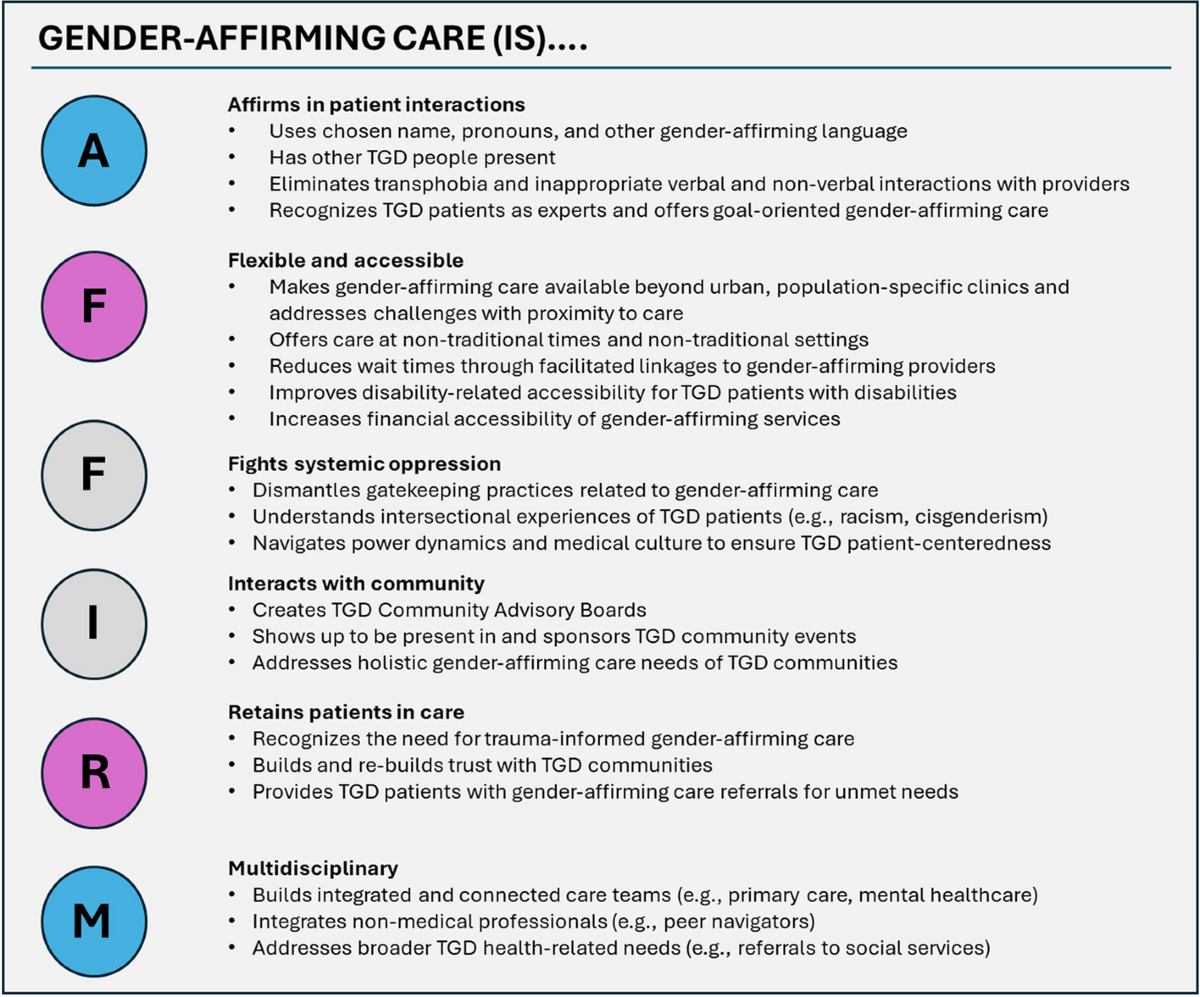
Credit: link.springer.com
Types Of Gender Affirmation Benefits
Understanding the different types of gender affirmation benefits helps reveal why they are so important. Each type offers unique support and helps meet different needs.
Medical Benefits
Medical benefits cover a wide range of healthcare services for transgender and non-binary people. These may include:
- Hormone therapy: Access to medications that help align a person’s physical traits with their gender identity.
- Gender-affirming surgeries: Procedures such as chest surgery, facial surgery, or genital surgery.
- Voice therapy: Support to help someone change their voice to match their gender.
- Fertility preservation: Options to save eggs or sperm before starting hormone therapy or surgeries.
- Routine healthcare: Making sure regular medical care is respectful and meets the needs of transgender individuals.
Insurance coverage for these services can vary widely. Some plans cover all services, while others may cover only a few or none at all.
Mental Health Support
The emotional journey of gender affirmation can be complex. Mental health benefits are essential, and may include:
- Counseling with therapists experienced in gender identity issues
- Support groups for transgender and non-binary people
- Crisis hotlines and peer support resources
- Coverage for therapy sessions, both individual and group
Access to mental health support can help reduce anxiety, depression, and feelings of isolation. It also helps build confidence and resilience.
Social And Workplace Benefits
Workplaces and schools can offer important gender affirmation benefits, such as:
- Inclusive restroom and locker room access: Allowing people to use facilities that match their gender identity
- Name and pronoun updates: Making it easy to change names and pronouns in records, email addresses, and ID badges
- Non-discrimination policies: Protecting against harassment or unfair treatment
- Diversity and inclusion training: Teaching staff and students about gender diversity
These benefits help create a welcoming environment and show respect for all individuals.
Legal And Administrative Support
Some organizations provide help with the legal process of gender affirmation, such as:
- Guidance on changing names and gender markers on official documents
- Financial assistance for fees related to legal changes
- Help navigating government forms and requirements
Legal affirmation is a key step for many, as it allows people to be recognized as their true selves in all areas of life.
Leave And Time-off Policies
Gender affirmation may require time away from work or school, especially for medical procedures. Supportive policies might include:
- Paid leave for surgeries or recovery
- Flexible scheduling for medical appointments
- Protected leave so people do not lose their job or status
These benefits remove stress and allow people to focus on their health and wellbeing.
Why Gender Affirmation Benefits Matter
Offering gender affirmation benefits is not just about meeting basic needs. It has a deep impact on individuals, organizations, and society as a whole.
Impact On Health And Wellbeing
Research shows that access to gender-affirming care and support leads to better health outcomes. People who receive these benefits often experience:
- Lower rates of depression and anxiety
- Less suicidal thoughts and self-harm
- Improved self-esteem and confidence
- Better physical health, including lower blood pressure and fewer stress-related illnesses
One study found that transgender people who could access all desired gender-affirming care had much higher life satisfaction than those who could not. The benefits extend beyond the individual, improving relationships and work performance.
Creating Inclusive Workplaces And Schools
Organizations that offer gender affirmation benefits send a clear message: everyone is welcome and valued. This leads to:
- Higher employee satisfaction and retention
- Better teamwork and communication
- Fewer conflicts and less absenteeism
- Improved reputation and ability to attract diverse talent
Schools that support gender affirmation see fewer bullying incidents and higher academic success among transgender students.
Reducing Discrimination And Barriers
Without gender affirmation benefits, transgender and non-binary people often face:
- Difficulty accessing healthcare
- Higher rates of unemployment and poverty
- Harassment and violence
- Legal challenges and lack of recognition
By removing these barriers, organizations help build a fairer and more equal society.

Credit: bsky.app
Common Myths And Misunderstandings
Many people have questions or doubts about gender affirmation benefits. Here are some common myths, and the facts that clear up confusion.
Myth 1: Gender Affirmation Benefits Are Only Cosmetic
Fact: Gender affirmation is not about appearance alone. Medical, legal, and social affirmation are essential for mental and physical health. These services are recognized as necessary by major medical groups, not as elective or cosmetic.
Myth 2: Only Adults Need These Benefits
Fact: Transgender and non-binary people of all ages can benefit from support. Children and teenagers, with guidance from families and doctors, also need access to appropriate care and respect.
Myth 3: Providing Benefits Is Expensive
Fact: Studies show that the cost of gender affirmation benefits is low compared to total healthcare spending. The positive effects, such as better mental health and lower absenteeism, often save money in the long run.
Myth 4: Gender Affirmation Is A Trend
Fact: People have expressed different gender identities throughout history and across cultures. Recognition and support are now more visible, but the need is not new.
Myth 5: People Will Abuse These Benefits
Fact: There is no evidence that people seek gender affirmation benefits without genuine need. Strict medical guidelines and assessments are already in place.
Understanding these facts can help reduce fear and encourage more supportive policies.
How Gender Affirmation Benefits Are Provided
Different organizations offer gender affirmation benefits in different ways. Here is a closer look at how these supports are delivered:
Health Insurance
Many employers and government plans now include gender-affirming healthcare in their insurance packages. This may cover hormone therapy, surgeries, counseling, and routine care. However, coverage can vary widely.
Below is a comparison of common coverage features:
| Service | Fully Covered | Partially Covered | Not Covered |
|---|---|---|---|
| Hormone Therapy | Most plans | Some plans | Few plans |
| Top Surgery | Some plans | Many plans | Some plans |
| Facial Surgery | Few plans | Some plans | Most plans |
| Counseling | Most plans | Few plans | Few plans |
It is important to review specific insurance policies and ask questions to understand exactly what is included.
Workplace Policies
Leading organizations often have written policies supporting gender affirmation. These policies may include:
- Clear steps for updating names and pronouns in company systems
- Training programs to educate staff
- Confidentiality protections to respect privacy
- Guidelines for restroom and facility use
These steps make it easier for employees to feel comfortable and supported.
School And University Support
Educational institutions can provide similar benefits, such as:
- Allowing students to use names and pronouns of their choice
- Supporting gender-neutral restrooms and housing
- Providing counseling and peer support groups
These supports help young people thrive and focus on learning.
Real-life Examples Of Gender Affirmation Benefits
To understand the true impact, consider these real-life examples:
- A large tech company included gender affirmation surgery in their insurance plan. Employees reported higher satisfaction, and the company attracted more diverse talent.
- A local government created a fund to help residents pay for legal name changes. This made it easier for transgender people to find work and housing.
- A school district trained teachers on using correct pronouns and supporting transgender students. Bullying dropped, and students felt safer.
- A hospital opened a dedicated clinic for gender-affirming care, making appointments quicker and improving health outcomes.
These examples show that gender affirmation benefits are practical and make a real difference.
Challenges And Barriers To Access
Even with growing awareness, many people still face obstacles when seeking gender affirmation benefits.
Insurance Limitations
Not all insurance plans cover the full range of gender-affirming care. Some require long waiting periods, extra paperwork, or deny coverage for certain treatments. This can delay or prevent people from getting the care they need.
Lack Of Provider Knowledge
Many healthcare providers have limited training in transgender health. This can lead to misunderstandings, misgendering, or refusal of care. Finding knowledgeable providers is often difficult, especially in rural areas.
Legal Hurdles
Changing names and gender markers can be a complex process with high costs, paperwork, and long wait times. Some regions require medical proof, which can be hard to obtain.
Social Stigma
Transgender and non-binary people may face discrimination at work, school, or in their communities. Fear of being outed or harassed can stop people from seeking benefits.
Intersectional Barriers
People who are also members of racial, ethnic, or religious minorities may face extra challenges. Language barriers, immigration status, and cultural beliefs can all add to the difficulty.
How To Improve Access To Gender Affirmation Benefits
Organizations and communities can take practical steps to make benefits more available and effective.
Policy Changes
- Ensure all health insurance plans include comprehensive gender-affirming care
- Simplify the process for changing names and gender markers on official documents
- Offer paid leave and flexible time-off for medical procedures
Education And Training
- Train all staff, teachers, and providers on gender diversity and respectful care
- Share information about available benefits widely and clearly
- Include gender diversity in diversity, equity, and inclusion (DEI) programs
Community Support
- Create support groups and peer networks
- Offer free or low-cost legal and counseling services
- Work with local leaders to reduce stigma and encourage acceptance
Listening To Needs
- Involve transgender and non-binary people in designing benefits and policies
- Ask for feedback and make changes based on real experiences
- Recognize that needs may change over time and stay flexible
Below is a simple table comparing common challenges with solutions:
| Challenge | Solution |
|---|---|
| Insurance Denials | Review policies, advocate for coverage |
| Lack of Provider Knowledge | Provide training, hire specialists |
| Legal Complications | Streamline processes, offer guidance |
| Social Stigma | Increase education, support networks |
Non-obvious Insights About Gender Affirmation Benefits
Many people, especially beginners, may overlook the following points:
- Privacy and Confidentiality: Accessing gender affirmation benefits can put someone at risk if their privacy is not protected. Safe policies must ensure that only necessary staff see sensitive information.
- Intersection with Other Benefits: Gender affirmation benefits often overlap with other supports, such as mental health, disability, or parental leave. Coordinating these benefits helps provide complete care.
- Long-Term Impact: The positive results of gender affirmation benefits are not only immediate. They help build lifelong wellbeing, stronger families, and more resilient communities.
- Importance of Language: Using correct pronouns and names is a simple but powerful form of affirmation. Even small mistakes can cause harm, so ongoing training is essential.
- Global Differences: Access to gender affirmation benefits is not equal everywhere. In some countries, legal or social barriers are much higher. Advocates must be sensitive to local laws and cultures.

Credit: www.sciencedirect.com
How To Support Someone Seeking Gender Affirmation Benefits
If you want to help a friend, family member, or colleague, here are steps you can take:
- Listen without judgment: Let them share their story and needs.
- Use correct names and pronouns: This shows respect and support.
- Offer practical help: Help with paperwork, making appointments, or finding information.
- Educate yourself: Learn about gender diversity and available benefits.
- Respect privacy: Do not share their information without permission.
- Stand up against discrimination: Challenge unfair treatment when you see it.
Supportive allies make a big difference in someone’s journey.
The Role Of Advocacy And Policy Change
Advocacy is key to expanding access to gender affirmation benefits. This includes:
- Working with lawmakers to improve legal rights
- Encouraging employers to offer better benefits
- Raising public awareness through education campaigns
- Supporting organizations that help transgender and non-binary people
One good resource for more information is the Human Rights Campaign, which offers guidance for individuals, families, and organizations.
The Future Of Gender Affirmation Benefits
As society becomes more aware of gender diversity, expectations for support and inclusion will continue to grow. Organizations that offer strong gender affirmation benefits will be better prepared for the future.
Trends to watch include:
- Greater coverage of gender-affirming care in health insurance
- More legal protections and streamlined processes
- Increased training for professionals in all sectors
- Expanding support for youth, families, and communities
Below is a table showing the difference between organizations with and without strong gender affirmation benefits:
| With Benefits | Without Benefits |
|---|---|
| High employee satisfaction | Low morale, higher turnover |
| Better health outcomes | More absenteeism |
| Inclusive reputation | Risk of negative publicity |
| Stronger community connections | Isolated employees/students |
Organizations that adapt and support gender affirmation will attract and retain talented, diverse people.
Frequently Asked Questions
What Are Gender Affirmation Benefits?
Gender affirmation benefits are services, policies, and supports that help people express their true gender identity. They can include medical care, counseling, legal help, workplace policies, and more.
Who Can Use Gender Affirmation Benefits?
Anyone who is transgender, non-binary, or exploring their gender identity can use these benefits. Some supports, like inclusive policies, also help everyone by creating a more respectful environment.
Are Gender Affirmation Benefits Covered By All Insurance Plans?
No, coverage varies widely. Some insurance plans cover all types of gender-affirming care, while others cover only some services or none at all. It’s important to check with your provider.
Is Gender-affirming Care Safe?
Yes, when provided by trained professionals, gender-affirming care is safe and effective. Leading medical organizations support these treatments as necessary and beneficial.
How Can Organizations Improve Gender Affirmation Benefits?
Organizations can improve by updating policies, offering comprehensive health coverage, training staff, and involving transgender and non-binary people in decision-making.
Supporting gender affirmation is about respect, equality, and health. With the right benefits, everyone can thrive—no matter their gender. By understanding and advocating for these supports, we help build a more welcoming and just world for all.
