

Does Affirmations Work for Everyone? Unveiling the Truth
Does Affirmations Work For Everyone
Many people talk about affirmations like they are magic. You repeat positive phrases, and your life improves. This idea sounds simple, but is it true for everyone? The answer is not so straightforward. Some people find affirmations helpful and inspiring, while others feel nothing changes. Let’s explore why affirmations work for some and not for others, what science says, and how you can use them in your own life. We’ll look at examples, common mistakes, and practical tips, so you can decide if affirmations are right for you.
What Are Affirmations?
Affirmations are short, positive statements you say to yourself. The goal is to change your mindset and help you believe in your abilities. For example, you might say, "I am confident" or "I can handle challenges." People use affirmations to boost self-esteem, feel happier, or overcome fears.
Many use affirmations in the morning, before important events, or during stressful times. The idea is that repeating these statements changes how you think and feel.
How People Use Affirmations
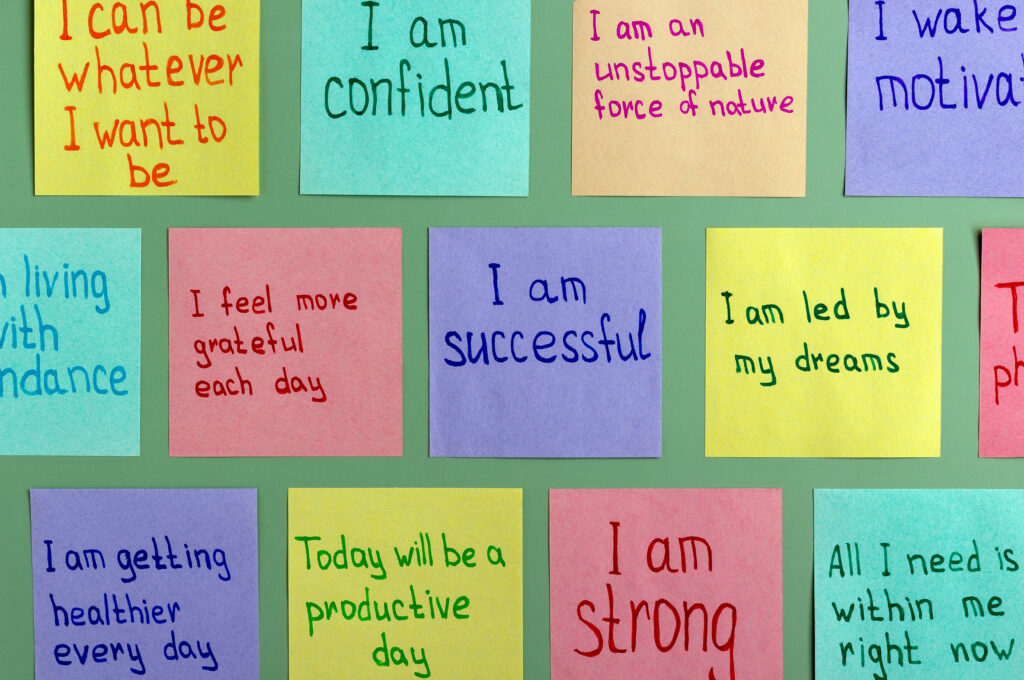
Affirmations can be spoken aloud, written in journals, or even thought silently. Some people put them on sticky notes, mirrors, or phones to remind themselves throughout the day.
- Morning Routine: Starting the day with positive words helps set the tone.
- Preparing for Challenges: Before a job interview or exam, affirmations can calm nerves.
- Overcoming Negative Thoughts: When feeling low, affirmations redirect the mind to positive ideas.
Examples Of Common Affirmations
- "I am strong and capable."
- "I deserve happiness."
- "I learn from my mistakes."
- "I believe in myself."
- "I am worthy of love."
But saying these words doesn’t always bring results. Why do some people see real change, while others feel nothing?
The Science Behind Affirmations
Researchers have studied affirmations to see if they really help. Some studies show positive effects, especially for people with healthy self-esteem. Others find no change, or even negative effects, for people who struggle with confidence.
What Studies Reveal
Research shows that self-affirmation can reduce stress, improve performance, and help people handle criticism better. For example, students who use affirmations before exams often do better. Employees who practice affirmations feel more satisfied at work.
However, not all results are positive. In some cases, people with low self-esteem feel worse after repeating affirmations. Why? Saying “I am confident” may remind them of their doubts, making them feel less confident.
Table: Effects Of Affirmations Based On Self-esteem
| Self-Esteem Level | Typical Response to Affirmations | Possible Outcome |
|---|---|---|
| High | Positive, motivating | Improved mood, confidence |
| Moderate | Mixed, sometimes helpful | Small improvement |
| Low | Negative, uncomfortable | Increased doubt, sadness |
Why Do Affirmations Work For Some People?
People with high self-esteem tend to believe positive statements. Affirmations feel true, so their mind accepts them easily. They experience a boost in confidence and motivation. Those with moderate self-esteem may benefit if they choose affirmations that feel realistic.
Why Affirmations Fail For Others
If you have low self-esteem, positive affirmations can feel fake. When you say, "I am confident," your mind argues, "No, I am not." This conflict creates stress and discomfort. As a result, the affirmation doesn’t work, and you may feel worse.
Who Benefits Most From Affirmations?
Affirmations are not a one-size-fits-all tool. Certain people find them very helpful, while others do not. Understanding your own personality and mindset can help you decide if affirmations are right for you.
Personality Traits That Matter
Research shows that people with the following traits benefit more:
- Open-mindedness: Willing to try new ideas.
- Optimism: Naturally see the positive side.
- Growth mindset: Believe they can change and improve.
Those who are skeptical or have a fixed mindset may not find affirmations useful.
Table: Who Is Likely To Benefit From Affirmations
| Trait | Response to Affirmations |
|---|---|
| Open-minded | More likely to accept and benefit |
| Optimistic | Positive boost, easier mindset change |
| Growth mindset | Uses affirmations to improve |
| Fixed mindset | Resists change, less effect |
| Skeptical | Dismisses affirmations, little impact |
Age And Life Stage
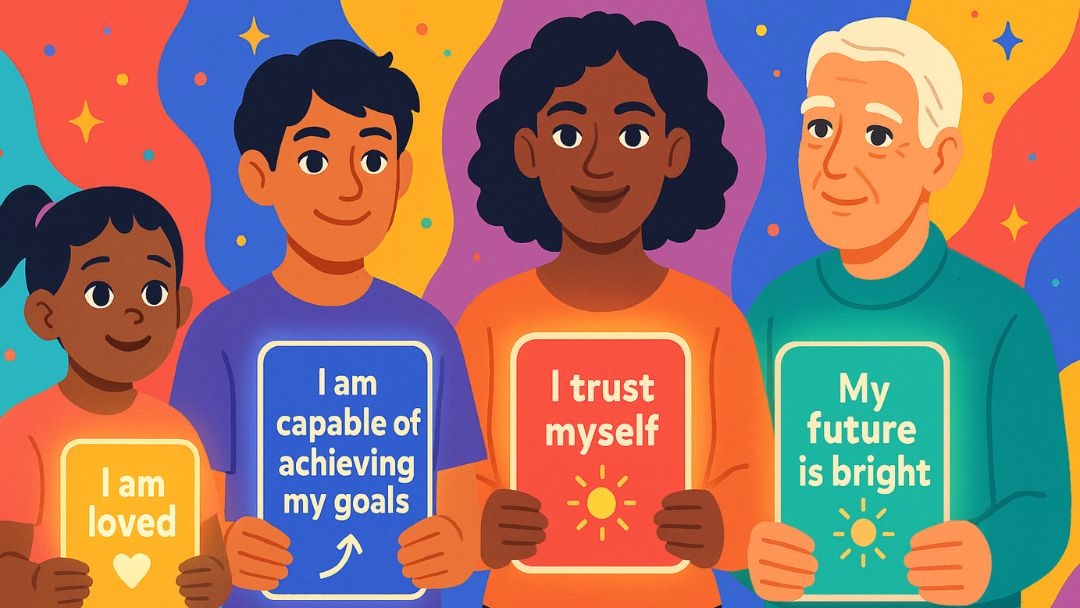
Children and teenagers sometimes use affirmations to build confidence. Adults, especially those facing stress, use them to stay positive. Older adults may find affirmations help with self-acceptance.
But the effectiveness depends on the person’s belief in the process.
How Affirmations Work In Daily Life
Let’s look at real-life situations where affirmations can make a difference.
Academic Success
Students often use affirmations before exams. For example, “I am prepared for this test. ” Research shows students who believe in their affirmations feel less stress and perform better. But students who doubt their abilities may feel more anxious.
Career And Work
Employees use affirmations to manage workplace stress or boost motivation. “I am capable of handling this project” helps some people stay focused. If the affirmation feels believable, it can lead to better performance and satisfaction.
Health And Wellbeing
Affirmations can support healthy habits. “I make healthy choices every day” encourages people to stick to diets or exercise routines. Those who already value health find affirmations more effective.
Relationships
People use affirmations to improve self-worth in relationships. “I am worthy of love” helps build confidence. But if someone deeply doubts their value, affirmations may feel empty.
Overcoming Fear
Affirmations like “I am brave” help some face fears. For others, especially those with strong anxiety, affirmations may not work unless combined with other methods, like therapy.
Credit: www.thevisionboard.app
Common Mistakes When Using Affirmations
Many beginners make mistakes that limit the effectiveness of affirmations. Understanding these can help you avoid disappointment.
1. Choosing Unrealistic Statements
If an affirmation feels too far from your current reality, your mind rejects it. For example, saying “I am rich” when you have financial struggles can feel fake.
2. Repeating Without Belief
Simply repeating words without feeling or belief has little effect. The power of affirmations comes from emotion and conviction.
3. Ignoring Underlying Problems
Affirmations cannot solve deep issues on their own. For example, if you struggle with depression or trauma, affirmations are not a cure. Professional help may be needed.
4. Overusing Affirmations
Too many affirmations at once can confuse or overwhelm. It’s better to focus on a few meaningful statements.
5. Lack Of Action
Affirmations are not magic. You must take real steps toward your goals. Saying “I am successful” without effort will not create success.
6. Not Personalizing Affirmations
Generic affirmations feel less powerful. Personalizing statements makes them more believable and effective.
How To Make Affirmations Work For You
If you want to try affirmations, follow these practical steps to increase your chances of success.
Step 1: Choose Believable Affirmations
Pick statements that feel true or possible. Instead of “I am always confident,” try “I am learning to feel more confident. ”
Step 2: Use Present And Progress Language
Affirmations work best when focused on the present or progress. For example, “I am improving every day” is more believable than “I am perfect. ”
Step 3: Add Emotion And Visualization
Feel the meaning of your words. Imagine yourself living the affirmation. If you say, “I am calm,” picture yourself in a peaceful situation.
Step 4: Repeat Consistently
Consistency matters. Repeat affirmations daily, ideally at the same time. Morning routines or bedtime are good choices.
Step 5: Combine With Action
Take steps that match your affirmation. If you say, “I am healthy,” eat well and exercise. Action supports belief.
Step 6: Personalize Your Affirmations
Make statements that fit your situation. Instead of “I am successful,” try “I am making progress in my career. ”
Step 7: Track Your Progress
Notice changes in your mood, confidence, or behavior. Adjust your affirmations if needed.
Real-life Examples Of Affirmations
Let’s look at some examples of how people use affirmations in different situations.
Example 1: Building Confidence
Maria felt nervous at work. She started saying, “I am becoming more confident each day. ” She also practiced speaking in meetings. Over time, Maria noticed she felt less anxious and spoke up more often.
Example 2: Handling Stress
Tom faced stress at school. He used, “I can handle challenges. ” He also took breaks and practiced deep breathing. Tom’s stress reduced, and he finished his assignments calmly.
Example 3: Improving Health Habits
Sara wanted to eat healthier. Her affirmation was, “I choose foods that nourish me. ” She planned meals and avoided junk food. Sara felt proud of her choices and saw results in her energy levels.
Example 4: Overcoming Fear
Alex feared public speaking. His affirmation was, “I am brave enough to share my ideas. ” He practiced speaking and imagined success. Alex’s fear slowly decreased, and he felt more comfortable on stage.
Why Affirmations Do Not Work For Everyone
There are several reasons why affirmations fail for some people. Understanding these can help you set realistic expectations.
Deep Emotional Blocks
Some people have deep negative beliefs from childhood or trauma. Simple affirmations may not reach these blocks. Professional therapy or counseling may be needed.
Lack Of Personal Connection
If the affirmation does not match your life or goals, it feels empty. Personal connection is key.
Mental Health Conditions
Affirmations are not a substitute for mental health treatment. People with depression, anxiety, or other conditions need professional support.
Cultural And Language Differences
Affirmations may not fit everyone’s cultural background. In some cultures, positive self-talk feels strange or uncomfortable. Language also matters; affirmations work best in your native language.
Skepticism And Resistance
If you do not believe in affirmations, they will not work. Skepticism blocks the process.
Comparison With Other Tools
Affirmations are just one tool for mindset change. Some people prefer other methods, such as journaling, meditation, or therapy.
Table: Comparison Of Mindset Tools
| Tool | Main Benefit | Best For | Weakness |
|---|---|---|---|
| Affirmations | Quick mindset boost | People with moderate/high self-esteem | Not effective for deep issues |
| Journaling | Exploring feelings | Anyone | Time-consuming |
| Meditation | Calming mind | People with stress | Requires practice |
| Therapy | Healing deep blocks | People with mental health issues | Can be expensive |

Credit: www.plr.me
Non-obvious Insights For Beginners
Most beginners miss a few important points about affirmations:
- Start Small: Begin with simple, believable statements. Trying to change everything at once leads to disappointment.
- Link Affirmations to Actions: Real change happens when you act in line with your affirmations. Saying “I am organized” and then organizing your workspace builds belief.
- Test and Adjust: If an affirmation feels uncomfortable, change it. “I am learning to be confident” may work better than “I am confident.”
- Use Your Own Words: Copying affirmations from the internet may not feel right. Use language that feels natural to you.
- Combine Tools: Affirmations work best with other tools like journaling, meditation, or therapy.
The Role Of Belief And Expectation
Belief is the foundation of effective affirmations. If you expect affirmations to work, you are more likely to see results. This is called the placebo effect. Your mind believes something will help, so it does.
How To Build Belief
- Start with affirmations that feel true.
- Celebrate small wins.
- Notice positive changes, even if small.
- Avoid negative self-talk.
- Stay patient; change takes time.
Cultural And Social Factors
Affirmations are popular in Western cultures, where self-expression is valued. In other cultures, group harmony or humility may be more important. This affects how affirmations are used and received.
Language Matters
Affirmations work best in your native language. Words have more meaning and emotional power. If you use another language, the impact may be weaker.
Social Support
Sharing affirmations with friends or support groups can increase effectiveness. Encouragement from others helps build belief.
When To Avoid Affirmations
Affirmations are not always the right tool. Here are situations where you should avoid them:
- Severe mental health issues: If you have depression, anxiety, or trauma, seek professional help.
- Feeling worse after affirmations: If affirmations increase your stress or sadness, stop and try other methods.
- Cultural discomfort: If affirmations feel strange or forced, respect your own feelings.
Credit: brainmanager.io
How To Know If Affirmations Are Working
Notice these signs:
- Improved mood or confidence
- Positive changes in behavior
- Less negative self-talk
- Achieving goals more easily
If you do not see changes after consistent practice, adjust your affirmations or try other tools.
Practical Tips For Effective Affirmations
- Personalize: Make affirmations fit your life.
- Keep it simple: Short, clear statements are best.
- Repeat daily: Consistency builds belief.
- Use emotion: Feel the words, do not just say them.
- Combine with action: Act in line with your affirmation.
- Write them down: Journaling increases effectiveness.
- Share with others: Social support helps.
- Adjust as needed: Change affirmations if they feel wrong.
- Focus on progress: Celebrate small wins.
- Practice patience: Change takes time.
What The Experts Say
Psychologists and coaches often recommend affirmations, but they warn about limitations. Affirmations work best as part of a bigger plan. Combine them with other tools for mindset change.
Some experts say affirmations are powerful for self-affirmation theory, which means reminding yourself of your values and strengths. Others believe affirmations alone are not enough for deep change.
For more details, you can read research from Wikipedia.
Frequently Asked Questions
What Are Affirmations, And How Do They Work?
Affirmations are positive statements you repeat to yourself. They work by changing your thoughts and beliefs. If you believe the statement, your mind accepts it, and you feel better. If you do not believe it, the effect may be weaker or negative.
Can Affirmations Help With Anxiety Or Depression?
Affirmations may help with mild anxiety or low mood, but they are not a cure for depression or severe anxiety. People with serious mental health issues should seek professional help. Affirmations can support therapy but not replace it.
How Often Should I Use Affirmations?
You should use affirmations daily for best results. Choose a time that works for you, like morning or bedtime. Consistency is important. Repeating affirmations during stressful times can also help.
Why Do Affirmations Feel Fake Sometimes?
Affirmations feel fake when they are too different from your current beliefs. If you have low self-esteem, saying “I am confident” may feel false. Choose statements that feel possible, like “I am learning to be confident. ”
What Should I Do If Affirmations Do Not Work For Me?
If affirmations do not work, try adjusting your statements. Make them more realistic or personal. Combine affirmations with other tools like journaling or meditation. If you feel worse, stop using affirmations and seek support from friends or professionals.
Final Thoughts
Affirmations can be a powerful tool, but they are not magic. They work well for people who believe in their statements and use them with emotion and action. If you have deep doubts or mental health issues, affirmations may not help alone.
It’s important to personalize your affirmations, combine them with other tools, and stay patient. Everyone is different, so test what works for you. Affirmations are not a one-size-fits-all solution, but with the right approach, they can support personal growth and positive change.
